
What Is the Bone Health Foundation and What It Does
- T. Armstrong

- Jul 14
- 7 min read

The Bone Health and Osteoporosis Foundation (BHOF) is defined as the leading U.S. nonprofit organization dedicated to preventing osteoporosis and broken bones, established in 1984. Understanding what is the Bone Health Foundation matters because 54 million Americans are affected by osteoporosis or low bone mass. That number means roughly one in five people you know faces serious fracture risk. BHOF addresses that reality through education, advocacy, and direct support for both individuals and healthcare providers across the country.
What is the Bone Health Foundation’s mission and core programs?
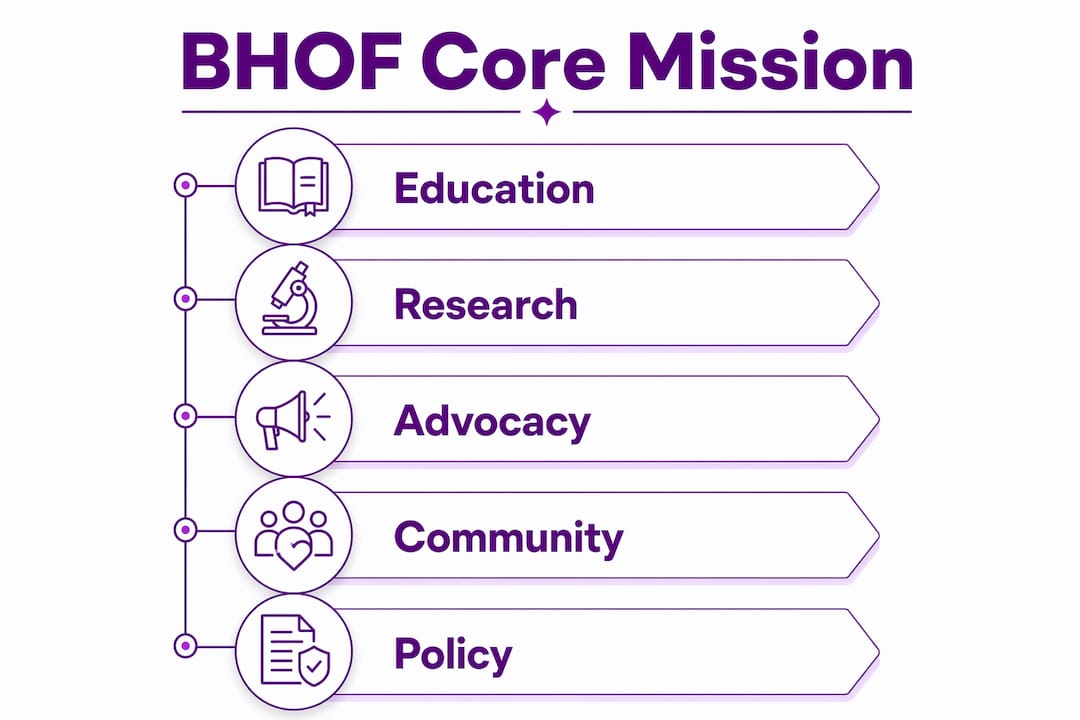
BHOF’s mission is to prevent osteoporosis and broken bones through education, research, and advocacy. The foundation operates on the principle that most fractures are preventable when people have the right knowledge and access to care. BHOF’s core philosophy centers on empowering individuals to become active participants in managing their bone health before fractures occur. That shift from reactive treatment to proactive prevention is what separates BHOF from general health organizations.
Educational outreach and digital resources
BHOF delivers workshops, health fairs, and digital resources that teach practical bone-building habits to the public. These programs cover nutrition basics like calcium and vitamin D intake, as well as the role of weight-bearing exercise in maintaining bone density. BHOF has partnered with institutions like Marian University in Indiana to bring these programs directly into communities. The goal is to reach people before bone loss becomes a clinical problem.
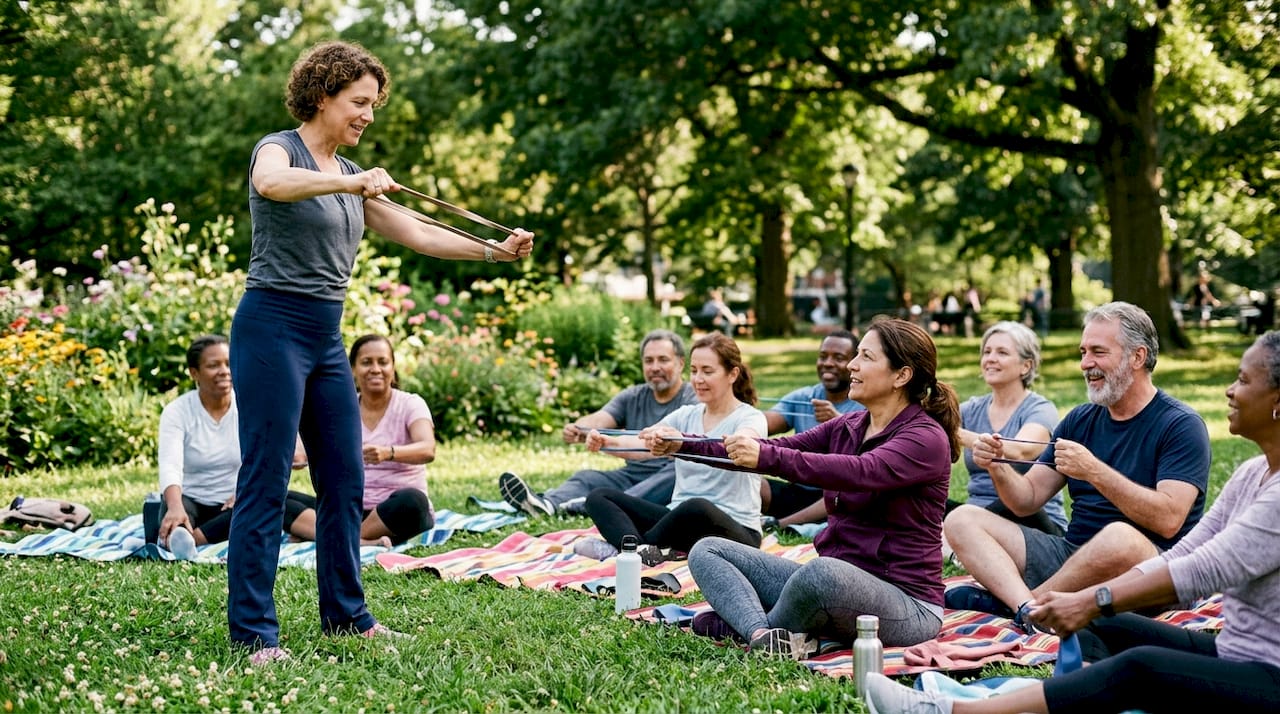
The foundation’s 2025–2027 strategic plan reflects a dual focus: broad “bone building” education for the general public and specialized disease management for people already diagnosed with osteoporosis. This two-track approach means BHOF serves both a 35-year-old building peak bone mass and a 65-year-old managing an existing diagnosis. Few health nonprofits address that full spectrum with equal depth.
Key educational topics BHOF covers include:
Calcium and vitamin D: The foundation provides clear guidance on daily intake targets and food sources that support bone density.
Weight-bearing exercise: Programs highlight activities like walking, hiking, and resistance training that stimulate bone growth.
Fall prevention: BHOF educates on reducing fall risk at home, which directly lowers fracture rates in older adults.
Early screening: The foundation promotes bone density testing so people know their baseline before problems develop.
Pro Tip: If you are over 50 or have a family history of osteoporosis, BHOF’s website offers a free fracture risk self-assessment tool you can complete in under five minutes.
How does the Bone Health Foundation advocate for public health policy?
BHOF’s advocacy work is where its national influence becomes most visible. The foundation does not just educate individuals. It actively lobbies Congress and federal agencies to change how osteoporosis care is funded and delivered across the U.S. healthcare system.
BHOF’s advocacy secured $4.5 million in federal funding for the CDC’s chronic disease education program focused on osteoporosis care. That funding directly expands the reach of bone health education to communities that would otherwise have no access to it. The foundation also pushed for Medicare payment reforms that incentivize fracture prevention rather than just fracture treatment. That distinction matters because it shifts financial pressure toward prevention, which costs far less than surgery and rehabilitation.
“Health system reforms like Medicare payment changes are crucial to reduce the burden of osteoporotic fractures, beyond patient education alone.” — BHOF CEO Claire Gill
BHOF also works to standardize post-fracture care so it becomes accessible, affordable, and universal for people over 50. Right now, a significant treatment gap exists: many people who suffer a fracture never receive a follow-up evaluation for osteoporosis. BHOF’s policy work targets that gap directly, pushing for systems that automatically connect fracture patients to bone health care. The result is fewer repeat fractures and lower long-term healthcare costs.
Who benefits from BHOF’s membership and professional programs?
Medical professionals are a core audience for BHOF, not just patients. The foundation runs a membership model specifically designed to improve how clinicians diagnose and treat osteoporosis. This matters because better-trained providers mean better outcomes for every patient they see.
BHOF’s professional membership delivers four concrete benefits:
CME credits: Members earn continuing medical education credits through BHOF’s clinical programs, keeping their credentials current while deepening their osteoporosis expertise.
Clinical tools: Members access evidence-based guidelines, diagnostic protocols, and treatment frameworks that reflect the latest research in bone health management.
Post-fracture care training: BHOF equips providers with the knowledge to identify and treat osteoporosis after a fracture occurs, closing the treatment gap that leaves many patients unmanaged.
Professional community: Members connect with a national network of specialists, sharing best practices and staying current on policy changes that affect their patients.
The foundation’s goal is to make post-fracture care simple and affordable for every person over 50 who needs it. When providers are trained to deliver that care consistently, the entire system improves. Patients get better follow-up, repeat fractures drop, and healthcare costs fall. BHOF’s professional programs are the engine behind that systemic change.
What bone health tips does the Bone Health Foundation recommend?
BHOF’s guidance on how to improve bone health is grounded in evidence, not trends. The foundation recommends a set of habits that work across age groups, from young adults building peak bone mass to older adults maintaining what they have. These are not complicated changes. They are consistent, daily actions that compound over time.
The foundation’s core recommendations break down into two categories: what you put into your body and how you move it.
Habit | Why it works | How to start |
Calcium intake | Calcium is the primary mineral in bone tissue | Eat dairy, leafy greens, or fortified foods daily |
Vitamin D | Vitamin D helps your body absorb calcium | Get 15 minutes of sunlight or take a supplement |
Weight-bearing exercise | Mechanical stress on bones stimulates new bone growth | Start with daily walking or low-impact resistance training |
Bone density screening | Early diagnosis allows treatment before fractures occur | Ask your doctor about a DEXA scan after age 50 |
Fall prevention | Most osteoporotic fractures result from falls | Remove home hazards and improve balance through exercise |
BHOF also emphasizes that early diagnosis is one of the most powerful tools available. Bone loss is silent. You will not feel it happening until a fracture occurs. A bone density test gives you a clear picture of where you stand and what steps to take next.
Additional lifestyle habits BHOF highlights include:
Limiting alcohol consumption, which interferes with calcium absorption
Avoiding smoking, which accelerates bone loss
Reviewing medications with your doctor, since some drugs reduce bone density as a side effect
Building daily habits after 50 that specifically target fracture risk reduction
Pro Tip: Pair your calcium-rich meals with vitamin D sources. Your body absorbs calcium far more effectively when vitamin D levels are adequate. A glass of fortified milk with a meal is a simple, evidence-backed combination.
Key Takeaways
The Bone Health and Osteoporosis Foundation is the nation’s most established nonprofit for osteoporosis prevention, combining public education, professional training, and federal advocacy to reduce fracture risk for millions of Americans.
Point | Details |
BHOF’s founding and reach | Established in 1984, BHOF serves 54 million Americans affected by osteoporosis or low bone mass. |
Education programs | BHOF delivers workshops, health fairs, and digital resources covering nutrition, exercise, and early screening. |
Federal advocacy wins | BHOF secured $4.5 million in CDC funding and pushed Medicare reforms that incentivize fracture prevention. |
Professional membership | Clinicians gain CME credits, clinical tools, and post-fracture care training through BHOF’s membership model. |
Core prevention habits | Calcium, vitamin D, weight-bearing exercise, and bone density screening are BHOF’s foundational recommendations. |
Why the Bone Health Foundation’s work is more urgent than most people realize
Most people think of osteoporosis as something that happens to elderly women. That framing undersells the problem by a wide margin. Bone loss begins in your 30s for most adults, and the habits you build now determine your fracture risk decades later. BHOF understands this in a way that most health organizations do not, which is why its programs target every age group rather than just those already diagnosed.
What strikes me most about BHOF’s approach is the combination of grassroots education and federal policy work. Most nonprofits pick one lane. BHOF runs both simultaneously, and that is exactly why it moves the needle. Securing $4.5 million in CDC funding while also running community workshops in Indiana is not a contradiction. It is a complete strategy. You cannot fix a systemic problem with pamphlets alone, and you cannot fix it with legislation alone either.
The foundation’s push to close the post-fracture care gap is the piece I find most underappreciated. A person breaks a hip, gets surgery, goes home, and never gets evaluated for the underlying bone disease that caused the fracture. That cycle repeats. BHOF is working to break it at the system level, which is where the real leverage is. If you want to understand why bone health matters long term, BHOF’s work gives you the clearest picture available.
— Fracture
Recovery wear that supports your bone health goals
Healing from a fracture is hard enough without fighting with your clothes every morning. Fracture-club designs adaptive recovery wear specifically for people managing bone injuries, casts, and braces.
[
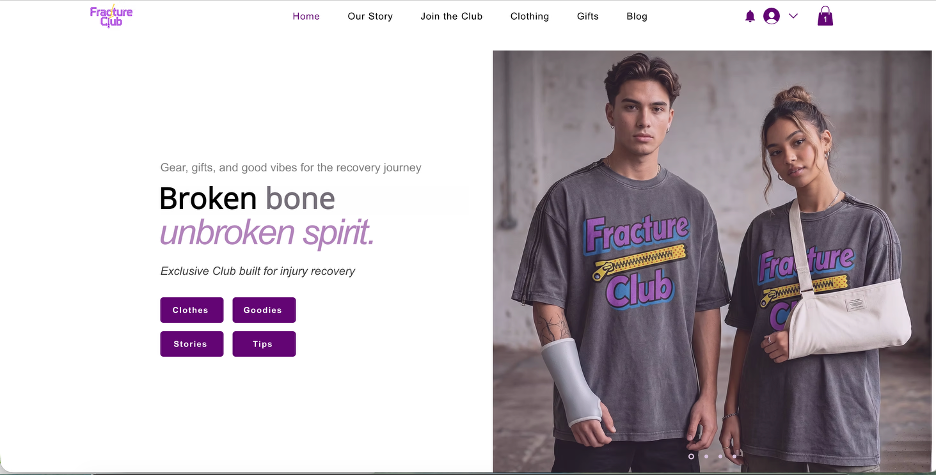
Fracture-club’s adaptive recovery pants feature magnetic side zippers that make dressing possible without twisting, bending, or asking for help. The easy-on recovery sweatshirt is built for upper limb injuries, letting you dress independently even with a cast or brace. A portion of every Fracture-club purchase goes directly to the Bone Health and Osteoporosis Foundation, so your recovery supports the broader mission of bone health awareness. If you are looking for support products that pair well with an active recovery, an ankle support brace from Da Village Network is worth considering for low-impact exercise during healing.
FAQ
What is the Bone Health and Osteoporosis Foundation?
The Bone Health and Osteoporosis Foundation (BHOF) is the leading U.S. nonprofit dedicated to preventing osteoporosis and broken bones, founded in 1984 and serving 54 million Americans affected by the disease.
What does the Bone Health Foundation do for individuals?
BHOF provides educational resources, fracture risk tools, and bone health guidance covering calcium intake, vitamin D, weight-bearing exercise, and bone density screening to help individuals prevent bone loss.
How does BHOF influence healthcare policy?
BHOF secured $4.5 million in federal CDC funding for osteoporosis education and advocates for Medicare payment reforms that incentivize fracture prevention over fracture treatment alone.
Who can join the Bone Health Foundation’s membership program?
BHOF’s membership program is designed for medical professionals, offering CME credits, clinical tools, and post-fracture care training to improve osteoporosis management in clinical settings.
What is bone health awareness and why does it matter?
Bone health awareness refers to understanding how lifestyle, nutrition, and screening prevent bone loss and fractures. BHOF leads national awareness efforts because bone loss is silent and most fractures are preventable with early action.
Recommended
Comments