
Protect Incisions: 3 Clothing Rules for Sensitive Skin After Surgery


Wash everything new before you wear it, skip anything with tags, and keep incisions free from rubbing. Clinical incision care guidance backs this up, and adaptive brands design around exactly this problem.
TL;DR:
Breathable, minimally processed fabrics like untreated cotton, linen, and silk are the safest options for sensitive skin after surgery, especially when thoroughly washed beforehand.
Garments with flat seams, tagless interiors, and covered elastic prevent rubbing and pressure on healing incisions, which can otherwise cause irritation.
Clothing features such as front or side closures, magnetic zippers, and adjustable waistbands make dressing easier and reduce strain on sensitive or healing areas.
Washing new clothes multiple times with fragrance-free, dye-free detergent helps remove manufacturing residues that could trigger skin reactions.
Warning signs like spreading redness, drainage, or increased pain indicate the need for medical evaluation, not just fabric adjustments.
Table of Contents
Garment Features That Stop Rubbing and Pressure Before They Start
When Clothing Irritation Signals Something More Than Sensitivity
Why Your Skin Feels Different Now Than It Did Before Surgery
Easing Back Into Everyday Clothes Without Setting Yourself Back
Where to Find Recovery Clothing Built Around These Exact Needs
Best Fabrics for Sensitive Skin After Surgery
Your skin isn’t being dramatic. After surgery, nerve endings near the incision are firing signals that don’t quite make sense yet, and the surrounding tissue is often drier and thinner than it was before you went under. That combination means fabric choice stops being a comfort preference and becomes a recovery tool.
Three properties matter more than anything else: breathability, low friction, and minimal chemical processing. Breathable fabric lets moisture and heat escape instead of trapping them against tender skin, which reduces sweating and the itch that comes with it. Low friction means the fabric moves with you instead of dragging across a scar every time you shift in bed. And minimal chemical processing matters because dyes, wrinkle-resistant finishes, and stiffening agents are frequently the real irritant, not the fiber itself. Dermatology guidance from Healthline points out that textile treatments and residual chemicals cause far more reactions than the raw material does, which is why two cotton shirts can feel completely different on your skin depending on how they were finished.
Here’s how the main options stack up for post-surgical skin:
100% cotton (pre-washed): Breathable, widely available, and easy to wash repeatedly without losing softness. Untreated cotton is one of the safest defaults for reactive skin, though cheaper weaves can feel scratchy until washed a few times.
Linen: Even more breathable than cotton and gets softer with every wash. It wrinkles easily and can feel stiff straight off the shelf, so buy it pre-washed or wash it yourself before wearing.
Silk: Remarkably smooth against healing skin and naturally temperature-regulating. It’s delicate to launder and pricier, so it works best for base layers directly against an incision rather than everyday recovery wear.
Modal: A semi-synthetic fiber made from beech tree pulp that drapes softly and resists pilling. It handles frequent washing well, which matters if you’re doing extra laundry cycles during recovery.
Responsibly processed bamboo-based fabrics: Can be soft and breathable, but be cautious here. Much “bamboo” clothing is actually bamboo viscose, a heavily chemically processed fiber that behaves more like a synthetic than a natural one. If softness and low chemical residue matter to your skin, look for clear processing information rather than trusting the word “bamboo” alone.
On the other end, coarse wool, heavy synthetic blends, rough denim, and anything embellished with sequins, embroidery, or stiff appliqués belong in the closet, not on your body right now. Wool and synthetics trap heat and moisture against skin that’s already working overtime to regulate itself, and rough textures create the exact friction your incision doesn’t need.
Bioderma’s skin experts note that friction, heat, and fabric texture all influence how reactive skin responds, and that smoother, breathable materials paired with gentle laundry habits reduce both mechanical and chemical triggers. That’s a useful reminder that fabric choice and laundry routine work as a team, not two separate decisions.
Pro Tip: When you’re shopping for recovery clothing, look for labels like GOTS (Global Organic Textile Standard) or OEKO-TEX certification. These indicate the fabric was tested for harmful residues, which takes some of the guesswork out of reading a tag you don’t fully understand.
Garment Features That Stop Rubbing and Pressure Before They Start
Fabric is half the equation. The other half is how the garment is built, and this is where a lot of standard clothing quietly fails people in recovery. A soft cotton shirt with a scratchy tag sewn right over your incision site defeats its own purpose.
Here’s what to look for in construction:
Flat seams over standard seams. Standard seams create a raised ridge that drags across skin with every movement. Flat seams (sometimes called flatlock seams) lie smooth against the body, which matters enormously if a seam happens to sit near your incision line.
Tagless interiors and soft hems. A printed or heat-pressed label replaces the scratchy sewn-in tag that can rub a fresh scar raw within a day.
Covered elastic waistbands. Exposed elastic edges dig into skin, especially with swelling. Covered or fabric-wrapped elastic spreads pressure more evenly.
Front or side closures instead of pullover designs. Anything you have to pull over your head forces your arms and torso through a range of motion that many post-surgical patients simply can’t manage safely.
Magnetic snaps or zippers positioned away from the incision. These let you or a caregiver open and close a garment without twisting fabric across tender tissue.
A smooth base layer changes everything if you’re at all sensitive to fabric movement. Wearing a thin, breathable cotton or silk layer directly against your skin, with a looser outer layer on top, means the friction happens between layers instead of between fabric and incision. It’s a small trick that a lot of people don’t discover until weeks into recovery, and it makes a real difference for dressing without raising your arm after shoulder or chest procedures.
Adjustability deserves its own mention. Swelling doesn’t follow a predictable schedule after surgery, so a waistband or cuff that only fits one way on day one might feel unbearable by day four. Garments with drawstrings, adjustable snaps, or stretch panels accommodate that shift without requiring you to buy multiple sizes. If you’re managing a surgical drain, look specifically for clothing designed with drain access in mind, since standard garments rarely account for the tubing and pouch you’re navigating.
[

What to Wear by Surgical Site
Different incisions have different pressure points, and matching your clothing to the specific area you’re protecting saves you from a lot of trial and error.
Abdominal surgery: Choose high-rise, soft pants with a wide elastic or drawstring waist that sits above or well below the incision line, never crossing it. Standard low-rise jeans are one of the worst offenders here because the waistband lands right where you least need pressure. Recovery pants built for abdominal healing are worth the switch even temporarily.
Breast or chest surgery: Front-opening tops and soft bras with front closures let you dress without lifting your arms overhead, which protects healing tissue and reduces strain on stitches. Avoid pullover shirts and back-clasp bras for the first several weeks.
Arm, shoulder, or hand surgery: Look for side or front openings and sleeves designed for easy access, including removable or magnetic sleeve options. Anything requiring you to raise the affected arm to get dressed should wait. If you’re recovering from hand surgery specifically, one-handed dressing techniques paired with the right garment can cut dressing time down significantly.
Hip, knee, or lower limb surgery: Roomy pants with adjustable or wide ankle openings accommodate braces, bandages, or swelling. Slip-on footwear removes the need to bend or reach, and if you’re using crutches or a walking boot, clothing built for crutch users avoids fabric bunching that catches on mobility aids.
Laundry Habits That Actually Reduce Irritation
New clothing carries manufacturing residue, sizing agents, and sometimes dye that never fully wash out at the factory. For skin that’s already inflamed and hypersensitive, that residue can be the difference between comfort and a rash you didn’t need on top of everything else.
Wash everything before you wear it, and wash it more than once. A single cycle often isn’t enough to strip out finishing chemicals. Two to three washes before first wear is a reasonable habit for new recovery garments.
Use fragrance-free, dye-free detergent formulas. Added fragrance is one of the most common triggers for contact irritation, and it lingers in fabric even after washing. Run an extra rinse cycle if your machine allows it, since detergent residue itself can irritate skin as much as the original stain it was meant to remove.
Skip fabric softener and dryer sheets entirely. Both coat fibers with a waxy residue that reduces breathability, which works directly against the goal of letting your skin stay dry and cool.
Check garments regularly for pilling, stretched elastic, or loose stitching. A once-soft cotton shirt that’s pilled from repeated washing can develop a rough texture that irritates skin the same way a coarse fabric would. Replace or set aside anything that’s changed texture.
Washing in warm water, when the fabric allows it, helps break down residues more effectively than cold water alone, though always check the care label first since heat can shrink or damage delicate fibers like silk.
When Clothing Irritation Signals Something More Than Sensitivity
Some itching and heightened sensitivity around a healing incision is normal, and it can be surprisingly long-lived. Research on wound healing shows itching often begins right at closure and can peak anywhere from 3 to 12 months after the injury, which means the sensitivity you’re feeling in month four isn’t unusual, even if it’s frustrating.
That said, certain signs mean it’s time to stop troubleshooting your wardrobe and call your care team:
Redness that’s spreading or getting darker instead of fading
Any drainage, especially if it’s yellow, green, or has an odor
Fever or chills
Pain that’s increasing rather than gradually easing
A wound edge that looks like it’s pulling apart
A simple way to check whether clothing itself is the culprit: switch to a completely different, freshly washed garment for 24 hours, or place a sterile dressing between your skin and the fabric as a buffer. If irritation eases with that change, fabric friction was likely the issue. If it doesn’t, or if any of the red flags above show up, that’s a conversation for your surgeon or nurse, not a fabric swap. Cleveland Clinic’s incision care guidance recommends keeping dressings dry for the period your clinician specifies and protecting the wound from any clothing that catches or tugs on stitches.
How Fracture-club Builds Around These Exact Problems
Everything covered so far describes a wish list: soft fabric, flat seams, front or side closures, no overhead dressing, room for swelling. Fracture-club was built by someone who lived through the frustration of not finding any of that on a regular store rack.
Some adaptive clothing lines focus on magnetic and zip closures placed at the shoulder, side, or waist, so people can dress with one hand or without raising an arm above their head. This design can assist those managing surgical drains, recovering from shoulder surgery, or working around a cast or brace where standard clothing doesn’t open in the right place. Soft, breathable fits replace stiff waistbands and pullover designs with garments that move with a healing body instead of against it.
Fracture-club also treats recovery as more than a logistics problem. A portion of proceeds supports the Bone Health & Osteoporosis Foundation, and the brand builds community around shared recovery stories, recognizing that healing is as much emotional as physical.
Why Your Skin Feels Different Now Than It Did Before Surgery
That tight, tingly, sometimes numb-but-itchy sensation around your incision has a real explanation. Surgery severs small nerve fibers near the cut, and as those nerves regenerate, they send confused signals to your brain, which often register as itching, prickling, or heightened sensitivity to touch. This is a normal part of nerve regrowth, not a sign that something went wrong.
At the same time, scar tissue forms differently than the skin around it. It’s less elastic, has fewer blood vessels, and lacks the oil glands that keep normal skin supple, which is part of why scars and the skin near them tend to run drier than the rest of your body. Dry, tight skin is inherently more reactive to friction and fabric texture than well-hydrated skin, which is part of why a shirt that felt fine before surgery might feel unbearable against the same spot now.
Clinical observations on scarring note that pain and itch often correlate with how stiff the scar tissue becomes, and that scar management techniques like gentle pressure or moisturizing can improve comfort over time. This is also why personalized compression garments show promise for scar outcomes: consistent, well-fitted pressure appears to support better healing and fewer sensory complaints, though fit and comfort are what determine whether someone actually keeps wearing the garment.

Easing Back Into Everyday Clothes Without Setting Yourself Back
Rushing back into your normal wardrobe is one of the most common mistakes during recovery, and it’s understandable. You’re tired of feeling like a patient in soft, shapeless clothing, and your regular jeans are sitting right there in the closet.
Go gradually instead. Start by reintroducing one element of your normal wardrobe at a time rather than switching everything back at once. If your incision is on your torso, try a slightly more structured top before you attempt a fitted waistband. Keep a soft base layer underneath transitional pieces for a few extra weeks, even after you’ve moved past the strictest recovery clothing, since that thin layer of cotton or silk continues to buffer friction while your scar finishes maturing.
Pay attention to how your skin responds over a full day, not just the moment you put something on. Fabric that feels fine for an hour can become irritating by evening once swelling shifts or you’ve moved around more. If a garment causes redness or discomfort, that’s useful information, not a failure. Give it another week or two before trying again, and lean on adjustable, adaptive pieces during that in-between phase rather than forcing your body back into rigid clothing before it’s ready.
Our Take on Recovery Wardrobes
Most advice about post-surgery clothing treats it as an afterthought, something to figure out with whatever’s already in the closet. We think that’s backwards. The clothing touching your skin during recovery is doing real work: buffering friction, allowing wound access, adapting to swelling that changes week to week.
The bigger misconception is that adaptive clothing is only for people with permanent mobility limitations. It’s not. It’s for anyone whose body, temporarily or otherwise, needs clothing that meets it halfway instead of demanding a full range of motion it doesn’t have. Fabric science matters, but construction is what actually determines whether you can get dressed without help at 6 a.m. before a follow-up appointment. Don’t be afraid to experiment: try a magnetic closure, a front-opening top, a softer base layer, and see what your specific incision and skin respond to. Recovery isn’t one-size-fits-all, and neither should your wardrobe be.
— Fracture
Where to Find Recovery Clothing Built Around These Exact Needs
Everything in this guide, soft breathable fabric, flat seams, front and side closures, room for swelling, points toward the same conclusion: standard clothing wasn’t designed with a healing body in mind. That’s the gap Fracture-club set out to close.
[
](fracture-club.com)
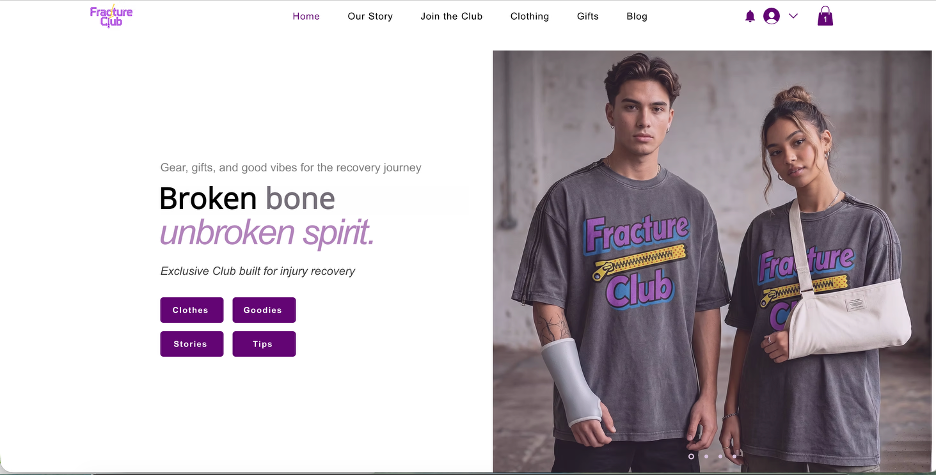
Browse Fracture-club’s recovery wear and gifts to see the same features covered throughout this article built directly into the garments, including adaptive pants with side magnetic zippers that avoid pressure across abdominal incisions and open without twisting fabric near a healing scar. For shoulder, chest, or arm recovery, the magnetic shoulder zip tee lets you dress without raising your arm overhead, which matches exactly what clinical guidance recommends for early recovery. Sizing and return details are listed on each product page, so check those before you order if you’re buying for a specific surgical site or a loved one recovering from one. If you have questions about which piece fits your situation, reach out through the site’s inquiry page and get a straight answer before you buy.
This article is general information, not a substitute for advice from a qualified doctor. Consult a qualified healthcare professional about your own circumstances before acting on anything here.
Sources
FAQ
What is the best fabric to wear after surgery?
Untreated, pre-washed 100% cotton, linen, and silk are the most reliably tolerated fabrics for healing skin because they breathe well and carry minimal chemical residue. Dermatology guidance points to textile finishes and dyes, not the fiber itself, as the more common irritant, which is why washing new garments before wearing them matters as much as the fabric choice.
What clothing material is best for sensitive skin?
Smooth, breathable natural fibers like silk and modal tend to cause the least friction against reactive skin, while rough textures like wool and heavy synthetic blends trap heat and increase chafing. Choosing garments with flat seams and tagless interiors reduces mechanical irritation regardless of which fabric you pick.
How do you get rid of hypersensitive skin after surgery?
You generally can’t rush past hypersensitivity since it stems from nerve regeneration near the incision, but you can reduce discomfort by minimizing friction with soft, breathable clothing and a smooth base layer. Adaptive designs from brands like Fracture-club, with front and side closures, help avoid the pressure points that make sensitivity worse day to day.
How long does skin sensitivity last after surgery?
Itching and heightened sensitivity can begin right at wound closure and often peak somewhere between 3 and 12 months after the surgery, depending on the procedure and how the scar matures. Clothing choices that reduce friction remain worthwhile throughout that entire window, not just the first few weeks.
When should clothing irritation be checked by a doctor?
If you notice spreading redness, drainage, fever, or increasing pain rather than gradual improvement, that goes beyond typical fabric irritation and needs clinical review. Cleveland Clinic’s incision care guidance recommends contacting your care team any time a wound looks like it’s pulling apart or a dressing isn’t protecting it as expected.
Recommended
Comments