
After Surgery: Clinically Backed Adaptive Clothing Keeps Incisions Safe


The best clothing to protect incisions is loose, soft, non-shedding, and easy to open at the front, so nothing rubs, pulls, or traps moisture against the wound. Skip anything tight or elastic-heavy near the surgical site. Always follow your surgeon’s specific instructions on dressings, and swap out anything that gets wet or soiled right away.
TL;DR:
Loose, front-opening garments made of soft, non-shedding fabrics like cotton or bamboo help prevent irritation and accommodate dressings, swelling, and drains.
Clothing with flat seams, no textured fabrics, and adaptive features such as magnetic closures or side zips simplifies dressing and reduces the risk of pulling or shifting dressings.
Garments should be tested by the patient to ensure they do not press, catch, or cause dampness around the incision before full wardrobe use.
High-rise or low-rise pants are recommended to avoid waistband pressure directly over abdominal or groin incisions, especially when drains or tubes are in place.
Dressings should be changed immediately if they become wet or soiled, and hand hygiene is crucial before touching the wound area or clothing near the incision.
Table of Contents
Why Clothing Choices Matter for Incision Healing
Your dressing does the real protective work. It shields the wound from germs, keeps stitches or staples from snagging, and soaks up any drainage while your skin knits itself back together. Clothing’s job is smaller but still important: it should never undo what the dressing is doing.
Think of it this way. A dressing is the wall around your incision. Clothing is what leans against that wall all day long, whether you’re sitting, walking, or rolling over in bed. If that fabric drags, rubs, or bunches up, it can loosen tape, shift gauze, or irritate skin that’s already working hard to close. According to MedlinePlus, useful clothing features include front openings, relaxed cuts, soft waistbands, and enough room to accommodate dressings, swelling, braces, or drains.
There’s also a distinction worth understanding early: protection and pressure are not the same thing. Dressings and gentle-fitting clothing protect. Compression garments apply deliberate, controlled pressure, and they’re prescribed for specific procedures, not something you add on your own because it seems supportive.
A few ground rules apply almost universally:
Nothing should sit directly over the incision line, including waistbands, seams, zippers, or buttons.
Fabric touching the wound area should be smooth, not textured or shedding.
Whether the incision stays covered, and for how long, depends entirely on your procedure and your surgeon’s instructions, according to MedlinePlus.
Dressings should come off earlier than planned if they become wet or soaked with blood or other fluid.
That last point trips people up more than any other. Patients often assume a dressing schedule is fixed once it’s given at discharge. In reality, drainage, swelling, and how the wound looks day to day can all shift the timeline, and your surgical team’s follow-up instructions override any general rule you read online.
What Fabrics and Garment Features Reduce Irritation
Soft, breathable, tightly woven fabrics are your best bet. Cotton, modal, and bamboo blends move moisture away from skin without shedding fibers into an open wound. Fleece and certain knit fabrics, on the other hand, tend to pill and shed. That loose fuzz can work its way under a dressing edge and cause irritation you won’t notice until it’s already inflamed.
Seams matter more than most people expect. A raised or topstitched seam sitting across a fresh incision creates a pressure line every time you sit, bend, or roll over. Flat-seam construction, tagless designs, and wide, soft waistbands spread pressure evenly instead of concentrating it in one spot. Cleveland Clinic notes that clothing worn over a wound is fine as long as the fabric won’t shed into it, but tight clothing that rubs against a healing incision should be avoided outright.

Adaptive features solve a problem generic clothing can’t. Front openings, side zips, magnetic closures, and low-drag hems mean you never have to pull a shirt over your head or wriggle into pants that catch on a bandage. That matters more than it sounds like it should, because every twist or stretch is a chance to tug at tape or shift gauze that took a nurse several careful minutes to place correctly.
A few features worth prioritizing when you shop:
Front-snap or magnetic closures instead of pullover necklines
Side-zip pants instead of pull-up waistbands
Soft, wide elastic (or none at all) near the incision zone
Loose, roomy cuts through the torso, hips, or thighs, depending on where you were cut
Tagless labels and flat, felled seams throughout
Pro Tip: Before you buy a whole wardrobe of recovery clothing, test one piece against your actual dressing. Put it on, sit, stand, and reach the way you normally would during the day. If it presses, catches, or makes the dressing feel damp afterward, that garment isn’t right for this stage of healing, no matter how comfortable it looked on the hanger.
Our own breathable fabric guide goes deeper into why airflow and moisture control aren’t just comfort features. They directly affect how fast healing skin recovers.
How to Put Clothing on Safely After Surgery
Getting dressed after surgery is a skill nobody teaches you until you need it. The goal is simple: move the garment around your body instead of dragging your body through the garment.
Sit down first. Balance is often compromised after anesthesia or pain medication, so dress seated whenever possible.
Start with the affected side. If your incision is on one side of your body, guide that arm or leg into the sleeve or pant leg first, then bring the rest of the garment around.
Step into pants rather than pulling them up. Step-in styles with a side zip or magnetic closure let you position the fabric without twisting at the waist.
Open front-closure tops flat before putting them on. Slide your arms in, then bring the fabric together and fasten it, rather than pulling anything over your head.
Check the dressing before and after. A quick glance confirms tape edges are still secure and nothing shifted during the change.
Wash your hands before touching the dressing or any clothing that will contact the wound. This single habit does more to prevent infection than almost anything else you control at home.
Change immediately if fabric gets wet or soiled. Don’t wait for laundry day. Keeping a healing wound in damp fabric invites the kind of bacterial growth your surgical team is actively trying to prevent.
If you have a caregiver helping you, hand them the garment fully open and ready to slide on, rather than having them reach across your body to adjust it mid-motion. Less repositioning means less chance of catching a dressing edge or pulling at a still-tender area. Caregivers should also wash their hands before assisting, especially if they’ll be near the dressing itself.
Dressing Around Drains, Compression, and Tricky Incision Sites
Not every incision sits somewhere a standard shirt or pair of pants will accommodate. Location changes the whole equation, and so does anything attached to your body besides the incision itself.
For abdominal or groin incisions, the biggest mistake is wearing a normal waistband that happens to fall right across the wound. Look for high-rise or low-rise styles specifically chosen to sit above or below the incision line, not styles that happen to work most of the time. A waistband riding directly over a fresh abdominal incision will irritate it with every step, every sit-to-stand transition, every car ride.
Drains and tubes add another layer of planning. You’ll want garments with enough room to route a tube without kinking it, and ideally with an access point or opening that lets you check the drain without undressing completely. A few practical notes:
Loose-fitting tops with front snaps make drain checks far easier than pullover styles.
Secure tubing loosely against your body so movement doesn’t tug at the insertion site.
Expect to need more than one garment size or style over the first couple of weeks, since swelling and dressing bulk both change.
Our post-op drain clothing guide covers specific garment adjustments if you’re managing a drain during the early recovery window.
Compression is where a lot of well-meaning advice goes sideways. Compression garments and stockings are prescribed for specific procedures and specific timeframes, commonly four to six weeks for certain surgeries, not as a general-purpose recovery accessory. If your surgeon didn’t prescribe it, don’t add it on your own assumption that “tighter equals more supportive.” And if a compression garment you were prescribed feels increasingly uncomfortable or seems to increase drainage, contact your provider rather than just stopping it or loosening it yourself.
Daily Care Rules for Clothing and Dressings
Consistency does more for healing than any single product choice. A short daily routine catches problems early and keeps the environment around your incision clean.
Dressing changes should follow whatever timeline your surgeon set, but that timeline bends the moment a dressing gets wet or visibly soiled. Change it sooner. A soaked dressing left in place is one of the more common, entirely preventable causes of skin irritation and delayed healing at home.
Laundry habits matter more than people expect for a wound-adjacent garment:
Wash on a gentle cycle with fragrance-free, dye-free detergent.
Skip fabric softener. It coats fibers with a residue that can irritate sensitive, healing skin.
Avoid high-heat drying cycles that can stiffen soft fabrics and create more surface friction.
Keep several washable garments of the same design in rotation, so a soiled item never forces you into something less comfortable out of necessity.
Build a short daily inspection into your routine: look for rubbing marks, new redness, increased drainage, or a dressing that’s shifted out of place. According to Cleveland Clinic, you should contact your surgical team for increasing pain, redness, warmth, swelling, pus or unusual drainage, unexpected bleeding, wound opening, fever, or dressings that keep soaking through no matter how often you change them. None of those signs are something clothing should be asked to hide or manage. They need clinical eyes on them.
Fracture Club’s Approach to Recovery Clothing
We build recovery wear around one question: what actually gets in the way when someone is healing? Overhead pullovers get in the way. Tight waistbands sitting right across a fresh incision get in the way. Fumbling with buttons when your range of motion is limited gets in the way.
That’s why our designs lean on front openings, magnetic zippers, and flat seams instead of the standard construction you’d find in ordinary activewear. A magnetic zipper on the side of a pant leg means you never have to step into a tight opening or twist your torso to get dressed. A front-opening top means nobody has to raise an arm overhead just to get comfortable.
These aren’t cosmetic choices. Flat seams and adaptive closures directly support easier wound checks, because a caregiver or nurse can access the dressing without you needing to lift, twist, or wriggle out of anything. Less movement around the incision site means fewer chances to disturb tape, shift gauze, or trigger the kind of friction that slows healing down.
We built this because most recovery clothing on the market was designed for athletes, not for someone three days out from surgery trying to sit up in bed without help. Our guide to dressing without raising your arm walks through more of the specific movements that adaptive design is meant to solve.
Our Take: What Actually Matters Most
Most recovery advice fixates on what to buy. That misses the point. The clothing itself is secondary to a simpler question: does this garment let the dressing do its job undisturbed? Everything else, softness, style, price, comes after that.
Conventional advice also tends to blur protection and pressure together, as if wrapping an incision tighter automatically means it’s better protected. It doesn’t. Pressure is a targeted clinical tool used when a surgeon prescribes it, not a general safety measure you can improvise with a snug waistband.
If you take one thing from this guide, prioritize fit-testing over fabric shopping. Put the garment on, move the way you actually move during the day, and check the dressing afterward. A shirt that looks perfect on a hanger but drags across a fresh incision when you sit down isn’t protecting anything. The right recovery wardrobe earns its place by disappearing, not by looking impressive in a product photo.
— Fracture
Where to Find Ready-Made Incision-Friendly Clothing
Shopping for the right fit while you’re also managing pain, drains, and a dressing schedule is a lot to ask of anyone. Some companies build recovery wear designed with easy-on/off pants and front-open tops to address the frustration of standard clothing that complicates recovery.
[
](fracture-club.com)
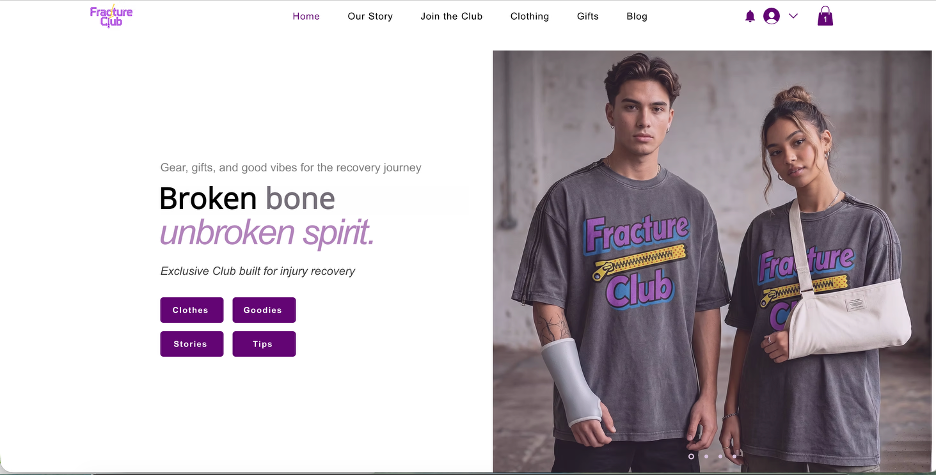
Our side-zip adaptive recovery pants use magnetic closures instead of a pull-up waistband, so you can dress seated without stepping through a tight opening or twisting near a fresh incision. Front-open tops follow the same logic, eliminating overhead pulling and fabric dragging across tape or gauze. If you’re outfitting for a longer recovery, browse the full recovery wear collection to see current styles and sizing, or reach out through our inquiry page if you need guidance on sizing around a drain, brace, or specific incision location. A portion of every purchase also supports the Bone Health & Osteoporosis Foundation, so outfitting your recovery does a little good beyond your own closet.
Sources
The clinical guidance in this article draws directly from patient-care resources, not general wellness advice. For anything specific to your own procedure, your surgical team’s instructions always take priority over anything written here.
This article is general information, not a substitute for advice from a qualified doctor. Consult a qualified healthcare professional about your own circumstances before acting on anything here.
FAQ
Is It Better to Keep Incisions Covered?
It depends entirely on your procedure, drainage level, and your surgeon’s specific instructions, since dressings protect against germs and keep stitches from catching on clothing. According to MedlinePlus, you should change a dressing earlier than scheduled if it becomes wet or soaked with blood or other fluid.
What Is the 3-3-3 Rule for Clothing?
There is no established clinical “3-3-3” rule for protecting surgical incisions. Clothing decisions should follow the procedure-specific instructions your surgical team gives you at discharge and during follow-up visits, not a generic online rule.
What Are the Best Pajamas to Wear During a Hospital Stay After Surgery?
Front-opening pajama tops and loose, soft pants with no tight waistband over the incision area work best for hospital stays. Adaptive designs with magnetic closures and flat seams can make hospital dressing changes and nurse checks easier without disturbing the wound.
What Happens if You Don’t Wear a Compression Garment After Surgery?
If compression wasn’t prescribed for your specific procedure, skipping it typically has no clinical downside, since compression is used only for certain surgeries and specific timeframes, commonly four to six weeks. If a garment was prescribed and you stop wearing it without talking to your provider, you risk missing the specific benefit it was meant to provide, so any discomfort should be reported rather than self-managed.
Recommended
Comments