
What Is a Resilience-Themed Gift? A Recovery Guide
- T. Armstrong

- Aug 2
- 7 min read
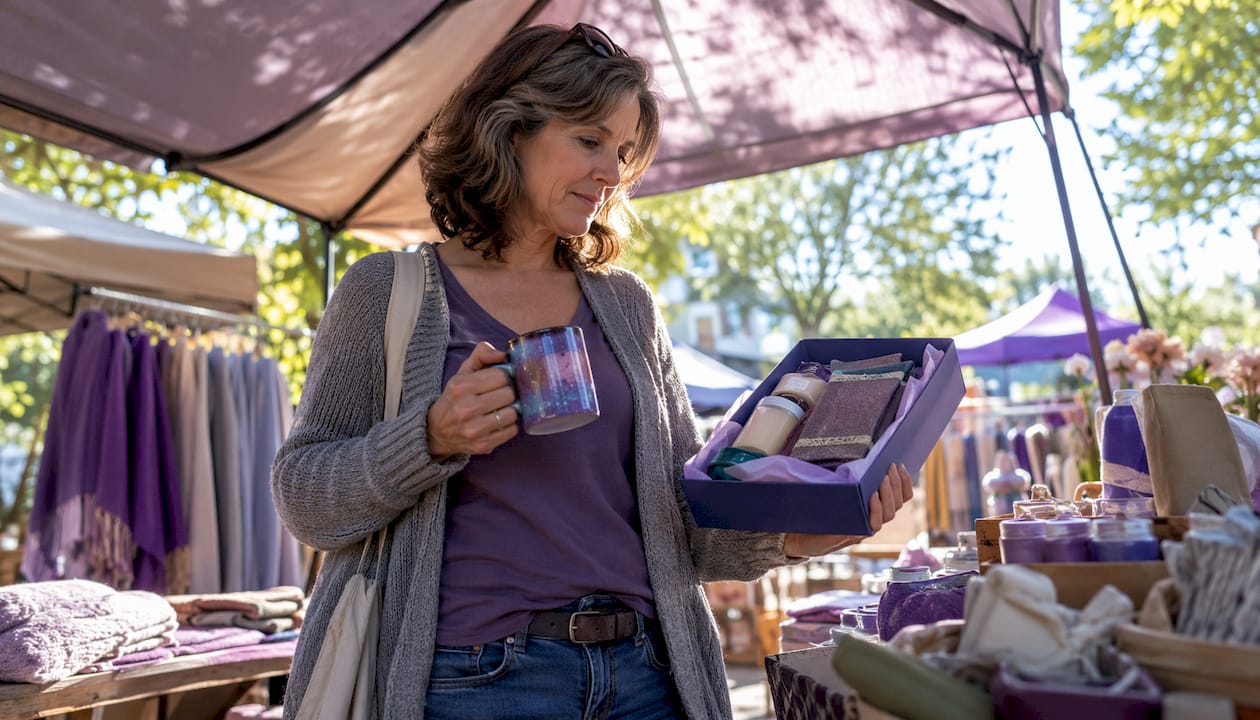
A resilience-themed gift is a present that validates a person’s strength and supports their ongoing recovery rather than simply celebrating a milestone. It says, “I see how hard this is,” not just “Get well soon.” Three quick examples ground the idea:
An heirloom-style keepsake — a hammered gold-plated leaf necklace engraved with a personal date, worn daily as a reminder of what the recipient has already survived
A ritual or habit tool — a guided recovery journal or meditation-app subscription that builds a small, repeatable daily practice
A sensory comfort — a weighted blanket or calming balm that soothes the nervous system right now, today
The difference from a standard get-well gift is the framing. A get-well gift celebrates the hoped-for outcome. A resilience-themed gift validates the effort already being made, which is a meaningful distinction for someone still deep in a long healing process.
Table of Contents
Why do resilience-themed gifts actually help during recovery?
Three psychological mechanisms explain why these gifts work: they validate effort, anchor daily ritual, and regulate the nervous system. Together, those three things address what injury recovery actually feels like from the inside.
Harvard Health research links gifts that support intrinsic motivation to better outcomes when they promote autonomy, calm, and routine. Ritual-building tools help dismantle stress cycles and reinforce a person’s identity as someone capable of healing, not just someone waiting to be healed. That identity piece matters more than most gift-givers realize.
Caregivers consistently point to the same thing: preserving identity and agency is more powerful than trying to fix someone. Supporting a person’s existing interests and routines, rather than introducing something that implies they need to change, is what makes a gift land well.
Most people recovering from injury or trauma also prefer soothing, regulation-focused items over high-energy motivational gifts. A “You’ve got this!” banner can feel like pressure when you’re on week six of physical therapy.
Pro Tip: Skip phrases like “You’ll be back to normal in no time” in your card. Instead, name the specific challenge: “I know this surgery recovery has been exhausting.” That specificity is what turns a generic present into something meaningful.
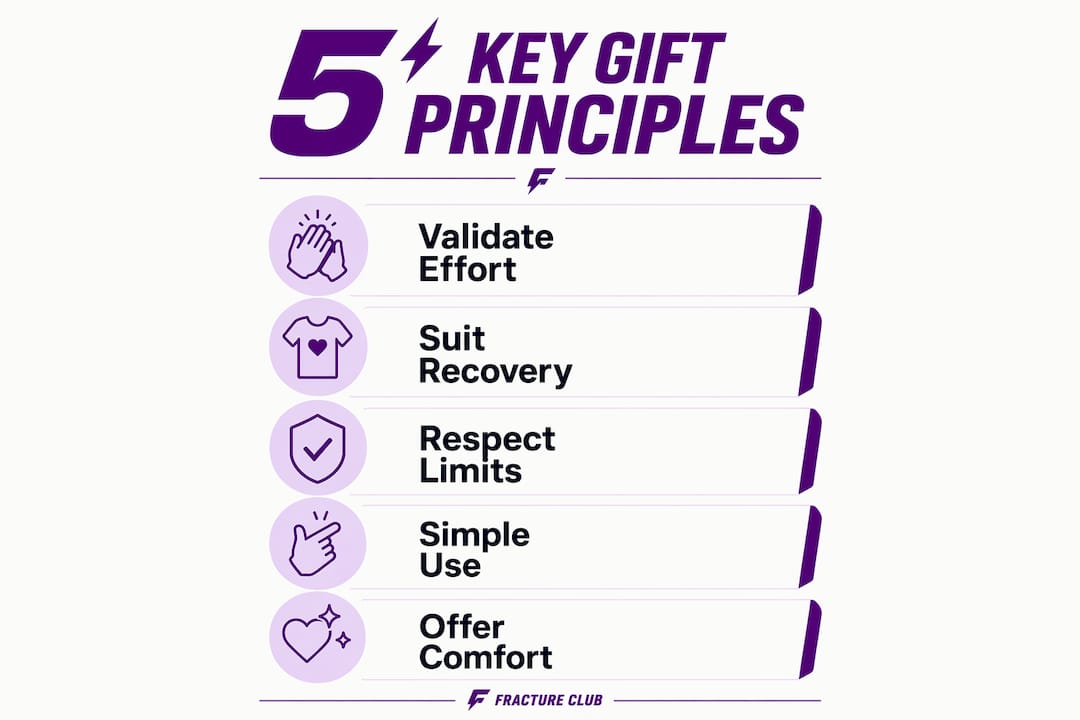
What makes a good resilience gift? Five design principles
The best gifts for resilience support agency, enable ritual, soothe the nervous system, preserve identity, and stay accessible to someone with physical limits. Apply all five and you’re unlikely to go wrong.
What to prioritize:
Support agency — choose tools that let the recipient make small daily choices (a journal with open prompts, not a rigid planner)
Enable ritual — low-effort, repeatable items like a meditation app or a calming tea blend create micro-practices that compound over weeks
Soothe the nervous system — tactile textures, calming scents, and weighted items offer immediate regulation without requiring effort
Preserve identity — gifts that connect to who the person was before the injury (a book in their favorite genre, adaptive clothing that still looks like them) reinforce continuity of self
Ensure accessibility — consider mobility constraints, sensory sensitivities, and whether the item is easy to open and use with one hand or a cast
What to avoid:
Toxic positivity (“This will make you stronger!”) framed as the gift’s purpose
Anything that implies the recipient needs to be fixed or improved
High-effort items (complex craft kits, exercise equipment) that assume more physical capacity than they may have
Accessibility quick-check before you buy: Can it be opened with limited hand mobility? Is the packaging easy to remove? Does it require two working limbs to use? If the answer to any of those is unclear, choose something simpler.
What are the best resilience gift ideas for injury recovery?
Think of a layered gift approach built around three purposes: one heirloom for lasting symbolism, one habit tool for daily support, and one sensory comfort for immediate relief. The four categories below map directly to that structure.
Category | Best for | Recovery phase |
Soothe | Acute pain, sleep disruption, anxiety | Early recovery |
Enable routine | Long healing timelines, motivation dips | Mid recovery |
Support identity | Feeling “stuck between patient and yourself” | Any phase |
Give time/help | Caregiver fatigue, practical overwhelm | Any phase |
Soothe
Weighted blanket ($40–$80): deep-pressure stimulation reduces anxiety and improves sleep without any effort from the recipient
Calming balm or aromatherapy roller: easy to apply one-handed, sensory grounding, low cost ($12–$25)
Noise machine or sleep-sound subscription: supports nervous-system regulation overnight, especially useful post-surgery
Enable routine
Guided recovery journal or habit tracker ($15–$35): structured journals create daily micro-practices that convert a gift into long-term behavior change
Meditation-app subscription (Calm, Headspace): audio-based, requires no physical effort, works with one hand
Fracture-club Unisex Easy-On/Off Adaptive Recovery Pants: magnetic side zippers mean the recipient can dress independently with a lower-limb cast or brace, which restores a small but significant daily autonomy
Support identity
A book, podcast subscription, or hobby kit tied to the recipient’s pre-injury interests
Fracture-club Unisex Easy-On/Off Recovery Sweatshirt: designed for upper-limb injuries and cast-friendly, so the recipient can wear something that looks like their own style rather than a hospital gown
Heirloom keepsake (engraved jewelry, a framed photo): a permanent symbolic reminder of what they’ve endured, not just what they’re waiting to get back to
Give time/help
A scheduled help offer (meal delivery, ride to appointments, grocery run): specific and practical beats vague “let me know if you need anything”
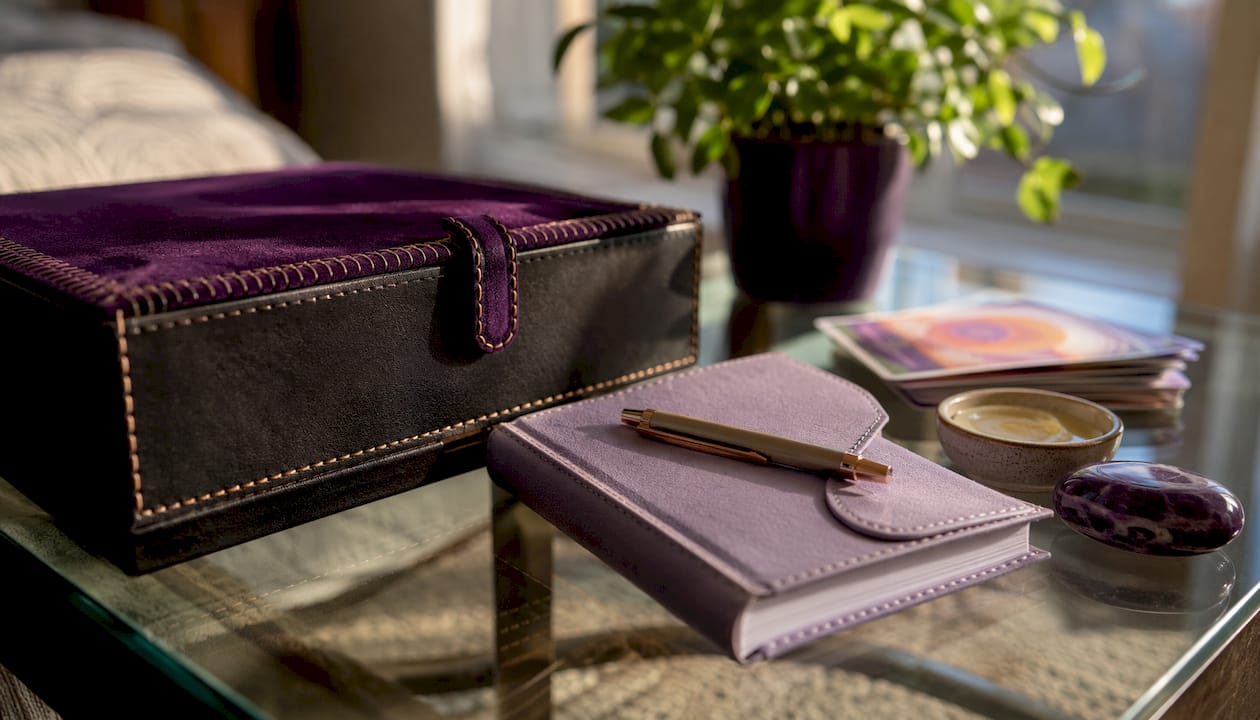
A curated gift box assembled with tea, balms, journal prompts, and a small keepsake ($30–$120): market options often bundle these well, or you can build one yourself using the checklist below
How do you choose and present a resilience gift for this specific person?
Start with four questions before you buy anything: What stage of recovery are they in? What are their mobility limits right now? Do they prefer private, quiet support or something more social? Are there sensory sensitivities to consider (strong scents, textures)?
Once you have those answers, narrow your choice in three steps:
Match the category to the phase — early recovery calls for soothing items; mid-recovery benefits more from routine-enabling tools
Check accessibility — if they have a cast, upper-limb injury, or limited grip, rule out anything requiring two hands or fine motor control
Write a specific note — naming the particular challenge the recipient endured is what turns a generic present into a resilience-themed gift
Note template for early recovery:Note template for mid-to-late recovery:On timing: Send practical items (adaptive clothing, comfort tools) early. Save experience gifts (a spa day, a dinner out) for when mobility allows. A help offer is appropriate at any stage, but make it specific and scheduled, not open-ended.
Fast buying checklist and budget guide
A good resilience gift checks five boxes: it validates effort, suits the recovery phase, respects physical limits, requires minimal setup, and comes with a specific personal note.
Price band | Sample items | Primary benefit |
$15–$35 | Guided journal, calming balm, noise machine app | Habit-building, sensory comfort |
$35–$80 | Weighted blanket, curated gift box, adaptive clothing | Immediate regulation, identity support |
$80–$120+ | Meditation subscription bundle, premium gift box, adaptive outfit set | Long-term routine, layered impact |
Buying safety tip: For adaptive garments, check the size guide carefully and confirm the return policy before ordering. Fracture-club lists sizing details on each product page, and easy returns matter when the recipient can’t try things on easily. For care packages, build in shipping time — a gift that arrives two weeks after the hardest moment still lands, but sooner is better.
One more option worth knowing: donating in the recipient’s name to the Bone Health & Osteoporosis Foundation pairs well with a physical gift and adds a layer of meaning for anyone recovering from a fracture.
Key Takeaways
A resilience-themed gift works because it validates the effort of recovery, not just the hope of an outcome, and the most effective version combines a lasting keepsake, a daily habit tool, and a sensory comfort.
Point | Details |
Layer three gift types | Combine one heirloom, one habit tool, and one sensory comfort for short- and long-term impact. |
Write a specific note | Name the exact challenge the recipient faced — that specificity is what makes it a resilience gift. |
Match the phase | Soothing items suit early recovery; routine-enabling tools work better mid-recovery. |
Check accessibility first | Confirm the gift works with casts, limited grip, or one-handed use before buying. |
Fracture-club adaptive wear | The Easy-On/Off Pants and Recovery Sweatshirt restore daily independence for people with casts or braces. |
Why Fracture-club centers resilience in everything it does
At Fracture-club, we’ve seen firsthand what happens when someone recovering from a broken bone gets a gift that actually fits their life. Not a “get well soon” balloon, but something they can put on by themselves for the first time in weeks. That moment of independence, however small, shifts something. It’s the difference between feeling like a patient and feeling like yourself.
The community we’ve built around recovery storytelling tells us the same thing over and over: people don’t need to be cheered toward a finish line. They need to feel seen right where they are. That’s the philosophy behind every product we make and every resource we share, including our support for the Bone Health & Osteoporosis Foundation, which receives a portion of proceeds from every purchase.
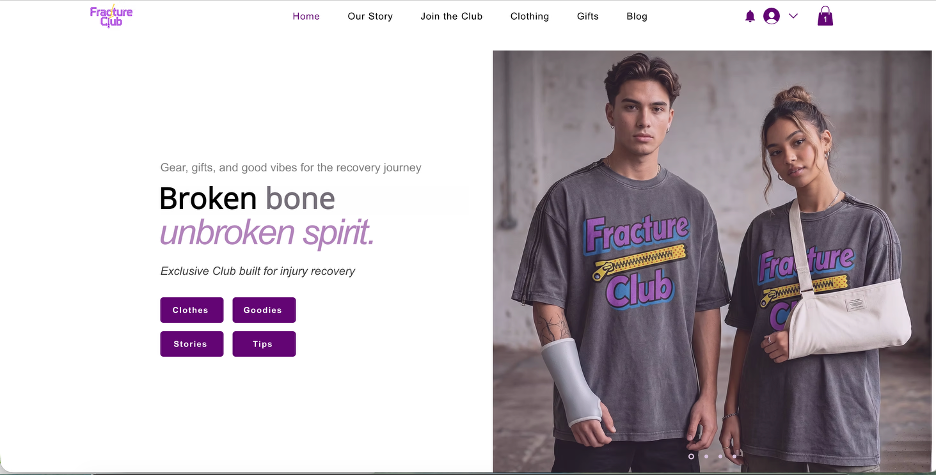
Fracture-club’s adaptive garments are built to be resilience gifts
Recovery takes long enough without fighting your clothes every morning. Fracture-club’s adaptive garments are designed around exactly the design principles this article covers: they restore agency, support daily routine, and let the recipient feel like themselves.
[
](fracture-club.com)
The Unisex Easy-On/Off Adaptive Recovery Pants use magnetic side zippers so someone with a lower-limb cast or brace can dress without help. The Unisex Easy-On/Off Recovery Sweatshirt opens wide enough for upper-limb injuries and cast-friendly dressing, and it looks like real clothing, not medical wear.
Buyer tip: Check the size guide on each product page and confirm the return window before ordering. Adaptive fit matters more than standard sizing, and Fracture-club’s pages include specific guidance for cast and brace sizing.
Browse the full range of recovery-focused gift ideas or go straight to the shop at fracture-club.com to find the right fit for the person you’re supporting.
Recommended
Comments