
Weight-Bearing Exercise Routine for Stronger Bones

Updated: Sep 15
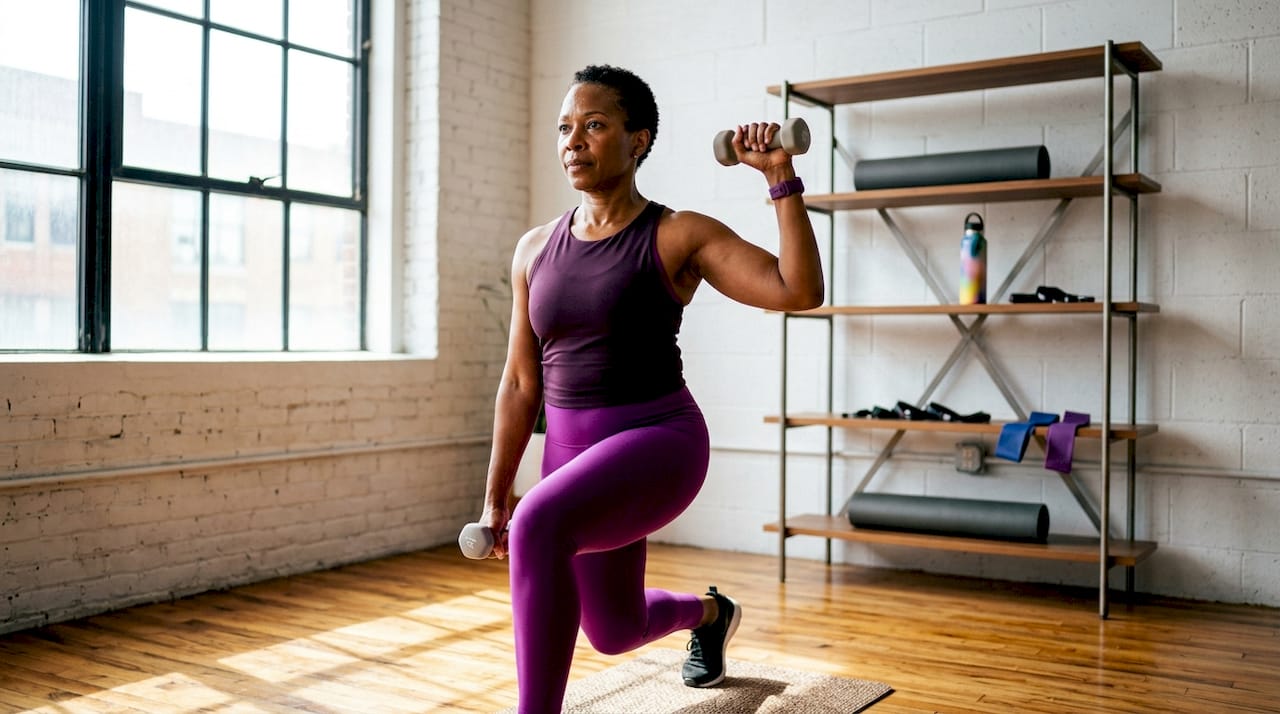
A weight-bearing exercise routine for bones is defined as any physical activity where your skeleton carries the load of your body weight, directly stimulating bone-building cells called osteoblasts to increase bone density. This mechanical loading is the most reliable non-pharmaceutical method for building and maintaining bone strength across all ages. Adults aiming to strengthen bones should target at least 30 to 40 minutes of daily weight-bearing aerobic activity, plus resistance training two to three times per week. Pairing that routine with 1,000 to 1,200 mg of daily calcium and 600–800 IUs of vitamin D gives your bones the raw materials to respond to exercise. Whether you are a senior managing osteoporosis risk, an athlete returning from a fracture, or a fitness enthusiast building long-term resilience, the principles are the same: load consistently, vary the stimulus, and progress carefully.
What types of weight-bearing activities best support bone strength?
Bone-strengthening exercises fall into two categories: impact activities and resistance training. Both stimulate bone remodeling, but they do it differently, and the best routines combine both.
Impact activities force bones to absorb ground reaction forces, which signals bone cells to adapt and grow stronger. Common examples include:
Walking and hiking: Low impact, suitable for all fitness levels, and easy to do daily.
Jogging and running: Higher impact than walking, producing stronger bone stimulus in the hips and spine.
Dancing: Combines multidirectional loading with balance training, making it especially useful for seniors.
Jumping and plyometrics: High-velocity, high-magnitude loading. Box jumps, jump rope, and hopping drills produce some of the strongest bone signals available. Optimal bone-strengthening exercises are dynamic, focusing on high loading magnitude and rate.
Resistance training works through a different mechanism. When muscles contract forcefully against a load, they pull on bones through tendons, creating strain that triggers bone remodeling. Compound movements like squats and deadlifts effectively load the spine, hips, and legs simultaneously. Resistance training at 70%–85% of your one-rep max for 3–8 reps delivers sufficient bone stimulus without requiring you to train to failure.
For seniors or those early in recovery, bodyweight squats, resistance band rows, and step-ups provide meaningful loading without the injury risk of heavy barbells. For fitness enthusiasts, adding loaded carries, Romanian deadlifts, and single-leg press variations accelerates bone adaptation. Wearing comfortable workout apparel that moves with you makes it easier to stay consistent through these sessions.
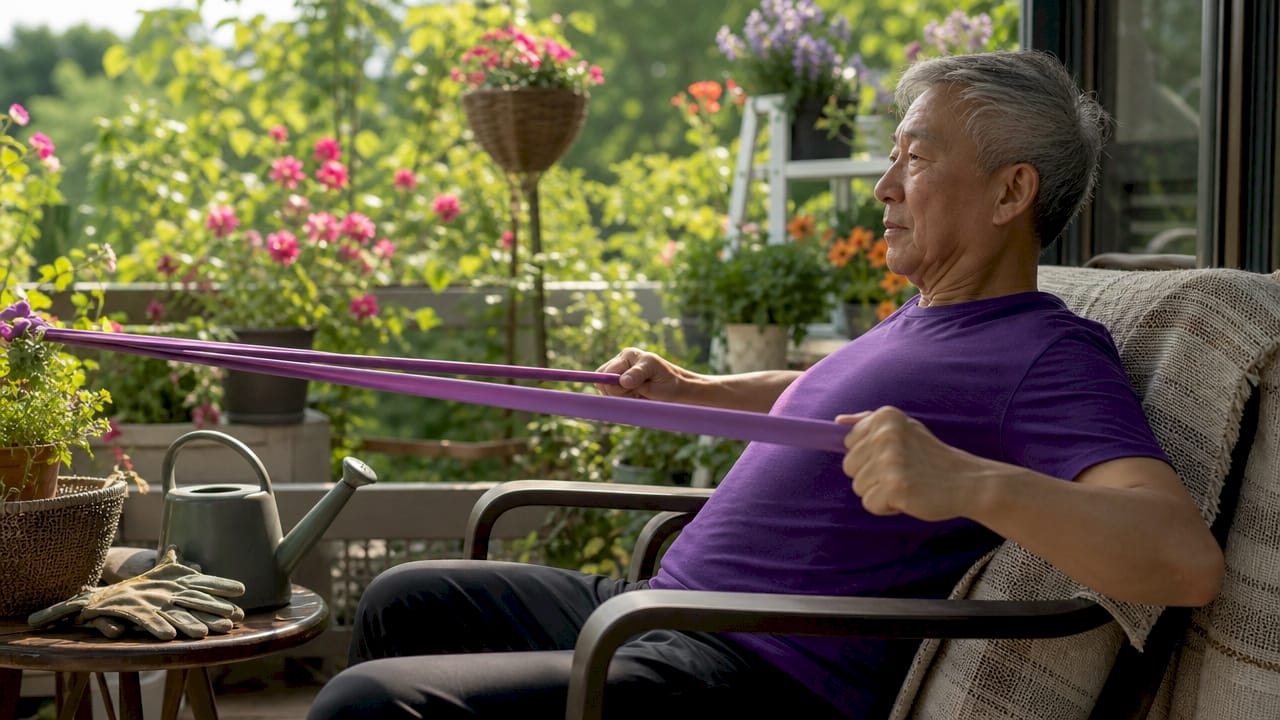
Pro Tip: Dynamic, rapid concentric movements, such as pressing or squatting through the full range quickly, build bone more effectively than slow isometric holds. Speed of movement matters as much as load.
How to build a balanced weight-bearing exercise routine for bones
A well-structured weekly routine combines daily impact activity with scheduled resistance sessions and planned recovery. Here is a practical framework:
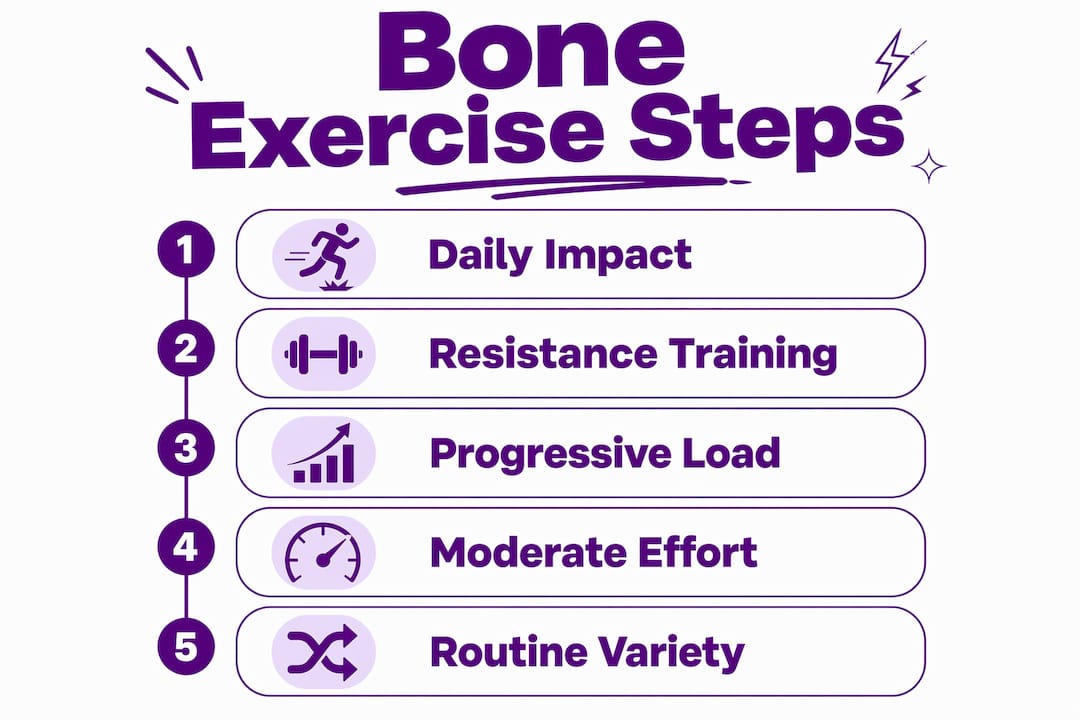
Set a daily aerobic baseline. Aim for 30–40 minutes of weight-bearing aerobic activity every day. This does not need to be one continuous block. Two 20-minute walks achieve the same bone-loading benefit as one 40-minute session, because repeated, steady loading signals bone cells best.
Schedule resistance training two to three times per week. Space sessions at least 48 hours apart to allow bone and muscle recovery. Each session should target major muscle groups: legs, hips, back, and shoulders.
Structure each resistance session. Start with compound lower-body movements (squats, deadlifts, lunges), then move to upper-body pulls and pushes (rows, overhead press). Finish with core work. This order keeps the heaviest, most bone-loading exercises at the start when you are freshest.
Progress load every two to four weeks. Add 5%–10% to your working weight when you can complete all sets with good form. Progression is what prevents your bones from adapting to a fixed stimulus and stopping their response.
Build in deload weeks. Every four to six weeks, reduce training volume by roughly half for one week. This is not a break. It is when bone remodeling consolidates the gains from the previous training block.
Training Element | Recommendation | Purpose |
Daily aerobic activity | 30–40 minutes, weight-bearing | Continuous bone-loading signal |
Resistance sessions | 2–3 times per week | Muscle-driven bone strain |
Load intensity | 70%–85% one-rep max, 3–8 reps | Sufficient stimulus without injury |
Progression interval | Every 2–4 weeks | Prevents adaptation plateau |
Deload frequency | Every 4–6 weeks | Consolidates bone remodeling |
Pro Tip: If you are building a routine for osteoporosis management, check the 10 best weight-bearing exercises curated specifically for bone health. They are organized by difficulty level, which makes progression straightforward.
What precautions should you take before starting bone-strengthening exercises?
Starting a bone-loading routine without preparation is where most injuries happen. A few targeted steps protect you and make the routine more effective from day one.
Get a bone density test if you are at risk. Adults age 65 and older, or anyone with a fracture history, should consult a physician and consider a DEXA scan before beginning high-impact exercises. Knowing your baseline bone density shapes every decision about load and impact level. Read the bone density test preparation guide before your appointment.
Review your medications. Certain medications, including corticosteroids and aromatase inhibitors, reduce bone density. Your physician can advise on whether your current prescriptions require adjustments to your exercise intensity.
Warm up every session. Spend 5–10 minutes on mobility work before loading your bones. Hip circles, ankle rotations, and thoracic spine extensions prepare joints and connective tissue to handle impact and resistance safely.
Watch for warning signs during exercise. Sharp joint pain, sudden back pain, or pain that persists more than 24 hours after a session are signals to stop and seek evaluation. Muscle soreness is normal. Bone or joint pain is not.
Support your nutrition. Exercise alone does not build bone without adequate nutrients. Pair your routine with smart supplement choices to cover calcium and vitamin D gaps.
“Pre-exercise assessment for those with risk factors is critical for safe bone-loading adherence. An individualized approach balancing intensity, frequency, and progression reduces injury risk while maximizing bone density gains.” — Evidence-based exercise guidelines for fracture prevention
How do you avoid plateaus and keep your bones adapting?
Bone tissue desensitizes to the same loading patterns over time. If you do the same exercises at the same weight every week, your bones stop responding. This is called skeletal desensitization, and it is one of the most common reasons people stop seeing results from their bone-strengthening routine.
Bone tissue desensitizes to repetitive loading patterns, so alternating high-velocity and lower-intensity phases prevents plateauing and keeps the adaptation signal strong. Practically, this means rotating your exercise selection every four to eight weeks and varying the speed and load of your movements.
Strategies that prevent plateaus:
Alternate loading phases. Cycle between heavier, slower strength phases (5 reps at 80% one-rep max) and lighter, faster power phases (8 reps at 60% one-rep max with explosive intent).
Add unilateral exercises. Single-leg squats, single-leg deadlifts, and step-ups load each limb independently. Unilateral exercises correct muscular imbalances, improving stability and reducing injury risk through balanced bone loading.
Change exercise angles. Lateral lunges, Bulgarian split squats, and sumo deadlifts load the hip and femur from different directions, stimulating bone adaptation across multiple planes.
Track your sessions. Log weights, reps, and how the session felt. A simple notebook or phone app reveals when you have stalled and need to change a variable.
Pro Tip: You do not need to train to exhaustion for bone benefits. An effort level of 8 or 9 out of 10 is the target. If your form breaks down, drop the weight rather than grinding through poor mechanics.
Key Takeaways
A consistent, varied weight-bearing exercise routine that combines daily impact activity with progressive resistance training is the most effective non-pharmaceutical strategy for building and maintaining bone density at any age.
Point | Details |
Daily aerobic loading | Aim for 30–40 minutes of weight-bearing activity every day, split into sessions if needed. |
Resistance training frequency | Train major muscle groups 2–3 times per week at 70%–85% of one-rep max for 3–8 reps. |
Vary the stimulus | Rotate exercises and loading speeds every 4–8 weeks to prevent bone desensitization. |
Safety first | Adults over 65 or with fracture history should get a DEXA scan and physician clearance before starting. |
Nutrition supports exercise | Pair your routine with 1,000–1,200 mg of calcium and 600–800 IUs of vitamin D daily. |
What I have learned from watching people build bone strength the right way
The biggest mistake I see is treating bone health like a sprint. People start a new routine with high intensity, feel sore, and either push through recklessly or quit entirely. Neither approach works. Bone remodeling is a slow, cumulative process. Consistency over months matters far more than heroic effort in a single week.
The second thing I have noticed is that older adults often underestimate what they can do. The research is clear: resistance training at meaningful loads is safe and effective for people well into their 70s and 80s, provided they start appropriately and progress gradually. The fear of injury keeps too many people stuck in low-intensity routines that simply do not provide enough stimulus to change bone density.
Compound movements are worth prioritizing. A squat or deadlift loads the spine, hips, and legs simultaneously, giving you more bone stimulus per minute than any isolation exercise. Add post-fracture nutrition to the picture, and you have a complete system, not just a workout.
The goal is a habit you can sustain for years, not a program you survive for six weeks. Start where you are, progress steadily, and give your bones the time they need to respond.
— Fracture
Recovery gear that supports your bone-strengthening routine
Getting dressed before and after a workout should not be a barrier to showing up, especially when you are healing from a fracture or managing a cast or brace.
[

Fracture-club’s adaptive recovery pants feature side magnetic zippers that make dressing and undressing simple, even with limited mobility. The easy-on recovery sweatshirt is built for upper limb injuries, so you can layer up comfortably before a walk or resistance session without struggling with overhead pulls. If you want personalized guidance on which routine or gear fits your recovery stage, Fracture-club’s inquiry services connect you with the right support. A portion of every purchase benefits the Bone Health & Osteoporosis Foundation.
FAQ
What is a weight-bearing exercise for bones?
A weight-bearing exercise is any activity where your bones support your body weight against gravity, such as walking, jogging, dancing, or resistance training. These activities stimulate osteoblasts to build new bone tissue, increasing density and strength over time.
How often should you do bone-strengthening exercises?
Daily weight-bearing aerobic activity of 30–40 minutes, combined with resistance training two to three times per week, delivers the consistent loading signal bones need to grow stronger.
Are weight-bearing exercises safe for seniors with osteoporosis?
Yes, with proper precautions. Adults over 65 or with a fracture history should consult a physician and consider a bone density test before starting high-impact activities. Low-impact options like walking, resistance bands, and bodyweight squats are effective starting points.
How long does it take to see results from a bone-strengthening routine?
Bone remodeling is a slow process. Measurable changes in bone density typically require at least six to twelve months of consistent training. Strength and balance improvements often appear within eight to twelve weeks.
What should you eat to support a bone-strengthening exercise routine?
Adults need 1,000–1,200 mg of calcium and 600–800 IUs of vitamin D daily to support the bone-building response triggered by exercise. Without adequate nutrition, exercise stimulus alone cannot fully drive bone adaptation.
Recommended
Comments