
3 Choices for Wedding Guests in a Cast: Zips, Shoes, Dressing Order

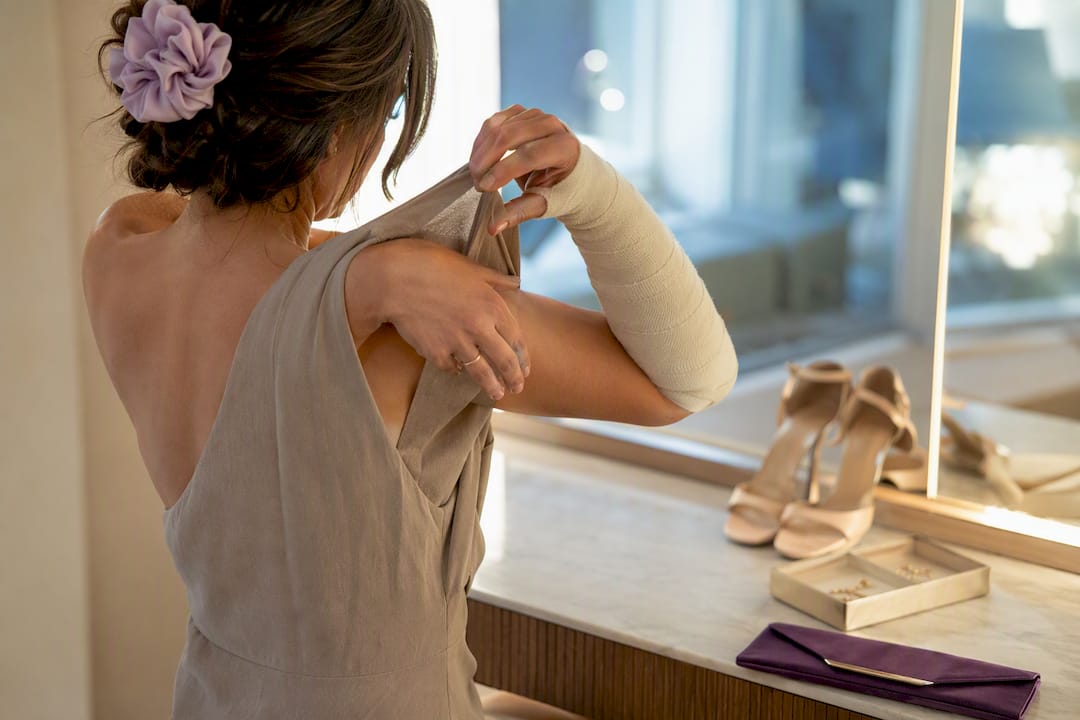
Attending a wedding in a cast comes down to three choices: pick garments with magnetic or zip closures instead of tight sleeves and waistbands, match your footwear and mobility aid to the terrain before the big day, and rehearse your dressing sequence once at home. Get those right, and you’ll spend the reception dancing (or at least mingling comfortably) instead of fighting your clothes. Some companies build recovery wear around exactly this problem.
TL;DR:
Wearing clothing with wide, adjustable openings like zip-shoulder tops or wrap dresses makes dressing with a cast easier and more stylish.
Stretchy fabrics such as jersey knit avoid trapping heat and minimize rubbing against the cast, improving comfort throughout the event.
Footwear should match heel heights on both feet to prevent imbalance, with flat shoes or wedges preferred for outdoor or long ceremonies.
Dressing order should prioritize the injured limb first, with seated dressing for lower garments and tools like long-handled aids to assist with fastenings.
Adaptive clothing designed specifically for cast wearers allows for stylish, stress-free dressing that boosts confidence at formal events.
Table of Contents
Outfit Ideas for a Wedding Guest With a Cast on the Arm
An arm cast changes what “getting dressed” means, but it doesn’t have to shrink your options to a stretched out t-shirt. The goal is finding pieces that open wide enough to clear the cast without looking like medical equipment.
Magnetic-shoulder or zip-shoulder tops are the easiest starting point. Instead of forcing an arm through a fixed sleeve, the shoulder seam opens flat, so you slide the cast in first and close it after. Button-front shirts work the same way in a pinch, and wrap dresses or off-shoulder styles give you a wide, adjustable opening that skips the sleeve problem entirely. If you already own a dress you love, an off-shoulder or halter cut on the uninjured side can make it wearable again.
Fabric choice matters as much as cut. Stretchy jersey knits and soft, breathable blends move with the cast instead of catching on its edges, and they won’t trap heat the way stiffer synthetic fabrics do. Avoid anything with a tight cuff, a structured seam near the elbow, or a fitted sleeve. Those spots are exactly where fabric rubs against fiberglass or plaster for hours.
Once the base outfit fits, styling is what makes it feel like a wedding look rather than a workaround.
Choose a statement necklace instead of a bracelet or watch, since jewelry on the injured arm usually causes more irritation than it’s worth.
Add a tailored blazer or shrug over one shoulder. It can drape rather than fully button, which hides bulk while still reading as “dressed up.”
Pick bottoms with some structure (a tailored skirt or trousers) to balance a looser, adaptive top.
Size one notch up from your usual fit around the shoulder and upper arm to prevent rubbing, then have a tailor take in the waist or hem for shape.
Fracture Club’s style guide for wearing a cast with confidence covers more combinations if you want a deeper look at layering options.
Pro Tip: If your cast runs past the elbow, buy the top a size larger than normal and ask a tailor to take in the side seams only. You get room where you need it and shape everywhere else.
What to Wear to a Wedding With a Leg Cast
Leg casts and braces reward a different strategy: length and flow over fitted structure. Maxi and midi dresses or skirts skim past a cast without needing any alteration, which is why they show up so often as the go-to choice among people managing the same problem, according to a community discussion on dressing around a leg cast. Wide-leg or side-zip pants work well too, especially side-zip styles that let you get dressed while seated instead of stepping into a leg opening. Side-zip pants are commonly recommended after ankle injuries for exactly that reason: no bending required at the hip or ankle.
Footwear is where most guests get it wrong. A dramatic height difference between your good foot and your casted foot throws off your balance for an entire event. Match heel heights as closely as possible: a low block heel or flat on the uninjured foot pairs better with a cast shoe or overshoe than a stiletto does. If your cast boot has a rocker sole, add a similar-height wedge or platform to the other shoe rather than fighting the imbalance all night.
A few finishing details make the outfit look intentional rather than improvised.
Try a fabric cast cover in a neutral or metallic tone to dress up an otherwise clinical-looking boot.
Use single-leg tights or a knee-high on the uninjured leg only, which avoids bunching fabric over the cast.
Hem a maxi skirt or dress slightly shorter on the casted side so it doesn’t drag or catch on the boot.
Check the venue ahead of time. Grass, gravel, and cobblestones all favor a flat or a boot with good tread over a delicate sandal.
Weddings with long ceremonies or outdoor cocktail hours put more strain on a casted leg than a seated dinner does; if you’re on your feet for more than an hour at a time, prioritize the most stable shoe you own over the most fashionable one.
How Do You Get Dressed With a Cast Before a Wedding?
Getting dressed with a cast is faster and safer when you follow a consistent order rather than improvising each time.
Injured limb goes in first. For an arm cast, feed the cast into the sleeve or opening before the uninjured arm. For a leg cast, dress the unaffected leg first, since it keeps you stable while your injured leg stays free of fabric tension, following the sequencing recommended by Nationwide Children’s cast care guidance.
Sit down for anything below the waist. Pants, shoes, and socks are safer seated on a firm chair or the edge of a bed than balanced on one leg.
Use dressing tools for the last stretch. A dressing stick, a long-handled shoehorn, or a simple fabric loop sewn into a waistband helps you finish one-handed instead of straining, a trick detailed in ShunVogue’s guide to dressing with a cast.
Bring in a caregiver for anything overhead or behind your back. Zippers between the shoulder blades and pullover necklines are the two spots where a second pair of hands saves the most frustration.
Test the full outfit once before the event. Try it with the actual shoes and mobility aid you’ll use, not just the clothes alone.
If a garment leaves a red mark or feels tight anywhere near the cast edge after ten minutes of wear, size up. It won’t get more comfortable over a four-hour reception.
Pro Tip: Dress trial runs matter more than people expect. Fracture Club’s post on dressing with an arm cast recommends doing a full run-through the week before, not the morning of, so you have time to fix a bad fit.
Choosing Footwear and Mobility Aids That Match Your Outfit
Shoes and mobility aids are part of your outfit whether you plan for it or not, so plan for it. Keep heel height close between both feet, favoring low heels or flats if you’ll be standing through a ceremony and cocktail hour. A crutch or cane doesn’t have to look clinical, either.
Wrap the shaft of a crutch or cane in a ribbon or fabric that matches your outfit’s color palette.
Swap in a decorative but non-slip tip rated for grass or gravel if the venue is outdoors.
Pack one spare crutch tip or cane ferrule; a worn tip on a hard floor is a real fall risk.
Ask about the venue’s terrain (stairs, uneven paths, dance floor material) so you can pick the right tip and shoe combination in advance, a step covered in CoolCrutches’ wedding walking aid guide.
Day-Of Checklist for Attending a Wedding With a Cast
A short checklist prevents small problems from becoming reasons to leave early.
Pack a spare crutch tip or grip, a mini sewing kit, a slip-on backup shoe, and a fabric cast cover.
Bring adhesive tape and a phone charger. Small equipment failures are common enough that a basic kit keeps you comfortable through a long reception, per ShunVogue’s dressing tips.
Scout accessible restroom stalls early, and choose an outfit that’s easy to manage seated.
Pace yourself. Sit between photos, and pick poses that let your cast rest at an angle instead of hanging straight down.
Why Adaptive Occasion Wear Actually Matters
Most advice about dressing with a cast focuses on the injury, not the event you’re actually trying to enjoy. That’s backwards. A wedding is a few hours where you want to feel like a guest, not a patient, and the right adaptive piece does more for your confidence than any amount of careful posing. Fracture Club exists because that gap is real and largely ignored by mainstream fashion. Prioritize safety first. Style follows naturally once the fit is right.
— Fracture
Fracture Club’s Adaptive Wear for Wedding Season
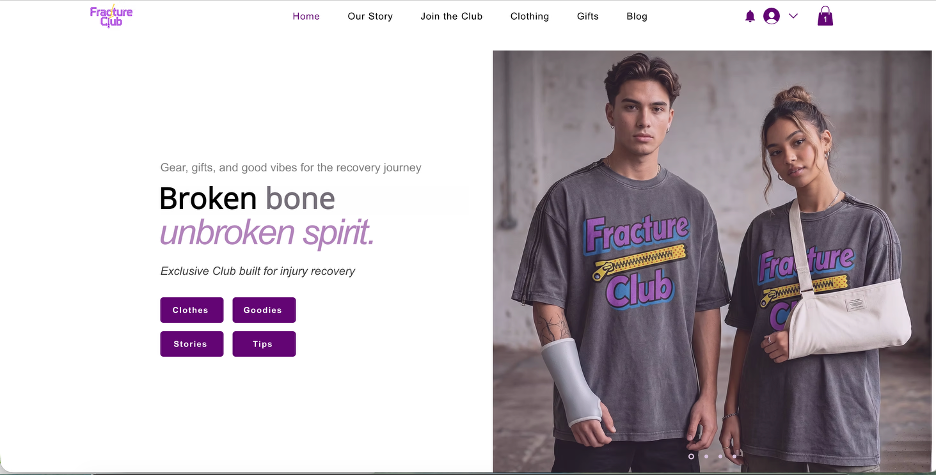
You shouldn’t have to choose between comfort and looking like you dressed for the occasion. That’s the exact gap Fracture Club was built to close: adaptive pieces designed by someone who’s actually worn a cast to an event, not a generic athletic brand bolting on a side zipper as an afterthought.
[
](fracture-club.com)
The Magnetic Shoulder Zip Tee opens flat at the shoulder seam, so an arm cast slides in without forcing anything through a fitted sleeve. It’s easy to dress up with a blazer or statement jewelry for a wedding-appropriate look. For leg injuries, the Easy-On/Off Adaptive Recovery Pants With Side Magnetic Zippers let you dress seated, no bending or stepping through a tight leg opening required.
If you’re unsure about sizing over a cast or brace, Fracture Club’s inquiry services page connects you directly with support for fit questions before you order. A portion of every purchase supports the Bone Health & Osteoporosis Foundation, so outfitting yourself for the wedding also does some good beyond your own recovery. Browse the current lineup and find the piece that fits your event and your cast.
Sources
For deeper guidance beyond this guide, Nationwide Children’s cast and splint care instructions cover safe dressing sequencing in detail. Fracture Club’s own posts on sizing clothes over a cast and leg cast clothing solutions go further into fit and fabric choices for specific injuries.
FAQ
What should I wear to a wedding if I have an arm cast?
Choose a magnetic- or zip-shoulder top, a wrap dress, or a button-front shirt, and pair it with a tailored bottom and a statement necklace instead of arm jewelry.
What’s the best outfit for a wedding guest with a leg cast?
A maxi or midi dress, skirt, or wide-leg or side-zip pants works best, paired with a cast cover and a shoe on your uninjured foot that matches your cast boot’s height.
Which limb goes into clothing first when dressing with a cast?
For an arm cast, dress the injured arm first; for a leg cast, put the unaffected leg in first to maintain balance, per Nationwide Children’s guidance.
Does Fracture Club make wedding-appropriate adaptive clothing?
Fracture Club’s Magnetic Shoulder Zip Tee and side-zip pants are both easy to style up for a formal event with layering and accessories.
How do I keep my mobility aid from clashing with my wedding outfit?
Wrap the shaft in coordinating ribbon or fabric and swap in a decorative, non-slip tip suited to the venue’s terrain, as outlined in CoolCrutches’ guide.
Recommended
Comments