
Traveling With a Cast: Outfits That Let You Dress One Handed

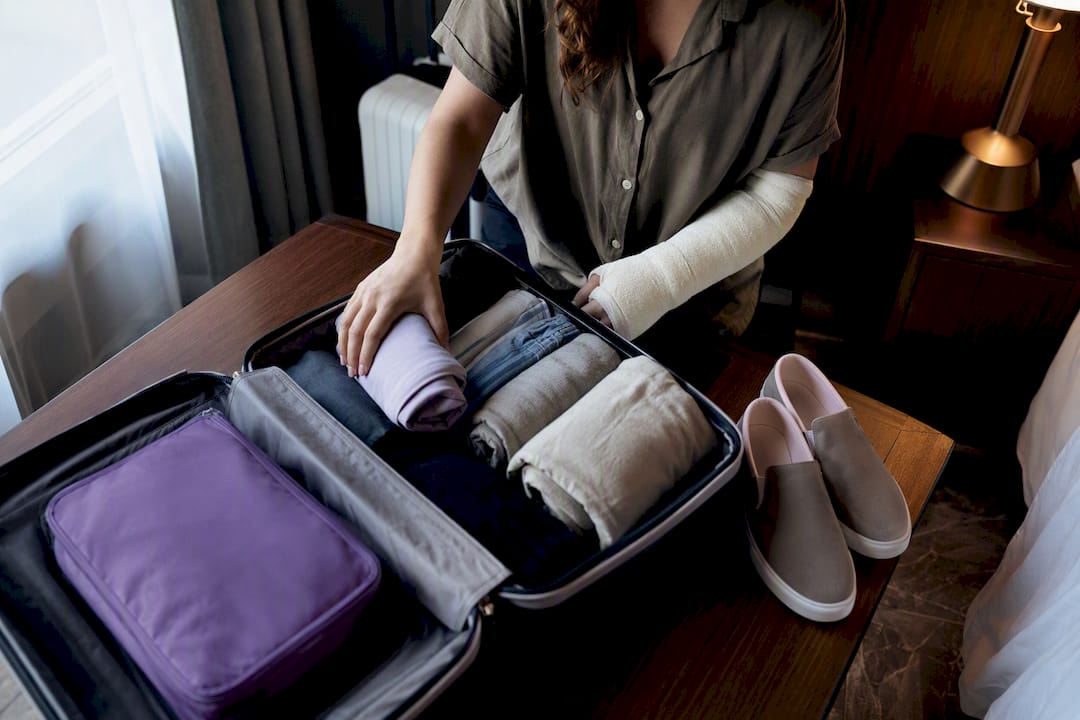
The easiest travel outfit with a cast is a layerable, slip-on set: adaptive side-zip or wide-leg bottoms, a merino or technical tee, a light packable layer, and slip-on supportive shoes. Fit and footwear matter more than style here. Get those two right, and comfort follows. Fracture-club’s leg cast clothing guide and style tips for wearing a cast both build on this same formula.
TL;DR:
Supportive slip-on shoes with wide toes and adjustable closures are essential to accommodate swelling and ensure easy dressing with a cast.
Packing five to seven versatile pieces, including moisture-wicking layers and adaptive clothing features, minimizes overpacking and simplifies dressing routines.
The best outfits for airport days include elastic-waist pants or skirts with side zips, avoiding tight-fitting or complicated fasteners to reduce dressing time and prevent cast snagging.
Travelers should prearrange assistance and keep essential medical and comfort items accessible to navigate security and terminal distances efficiently.
Always consult your healthcare provider before using compression socks or tight clothing over a newly healed fracture to avoid circulation issues during flights.
Table of Contents
What to Pack for Travel With a Cast Outfits
You don’t need a full suitcase to travel well in a cast. You need the right five to seven pieces, chosen for how easily they go on and off, not just how they look.
Start with fabric. Cotton feels familiar, but it holds onto sweat and wrinkles fast, which is the last thing you want during a long layover or a delayed flight. Merino wool and technical blends regulate temperature better, resist odor over multiple wears, and pack down small, which matters when you’re trying to fit everything into a carry-on you can manage on crutches or with one working hand. Linen blends work too for warm climates, though they wrinkle more than merino.
Here’s a shortlist that mixes and matches without overthinking it:
Two or three technical or merino tees (short and long sleeve)
One button-front shirt for easy on/off over an arm cast
Side-zip pants or a step-in skirt that clears a leg cast without forcing your foot through a narrow opening
One lightweight, packable layer (a soft-shell jacket or a merino cardigan)
One pair of slip-on supportive shoes, already broken in
Compression socks rated for travel, kept in your carry-on rather than checked luggage
Swelling is the variable most people forget to plan for. Casts don’t stretch, and your leg or arm can swell more on travel days thanks to sitting for hours and cabin pressure changes. Pack one size up in bottoms if you’re borderline, and favor elastic waists over anything with a fixed button.
For quick adaptations, skip anything you have to step into over a rigid cast. A step-in skirt with a wide hem beats fitted pants every time for a leg cast. For arm casts, a button-front shirt or a wrap top gets you dressed in a fraction of the time a pullover takes, and it won’t drag against the cast edge when you’re trying to move your arm through a sleeve.
Keep a small medical kit in your cabin bag: a washable cast cover for wet weather or airplane bathroom sinks, a few extra padding strips in case the cast rubs during long sitting, and antiseptic wipes. None of this takes up much space, but all of it saves you from scrambling at a gate counter when something goes wrong.
Pro Tip: Roll your tops instead of folding them. It cuts wrinkles and frees up one hand for balance, crutches, or a cane when you’re packing on a bed or hotel floor.
What Should You Wear to the Airport With a Cast?
The right outfit changes depending on where your cast is and what you’re doing that day. Here are outfit formulas built for the three moments that matter most on a trip: getting through the airport, sightseeing once you land, and dressing for an evening out.
Leg cast, airport day. Wear a step-in skirt or side-zip pants with an elastic or drawstring waist, a merino tee, and slip-on sneakers with a wide toe box. Wide-leg openings and side zips make dressing dramatically easier and reduce the risk of catching your cast on a tight pant leg while you’re moving through a crowded terminal. Skip anything with a fitted ankle. It won’t clear the cast, and you’ll spend your morning fighting fabric instead of making your gate.
Leg cast, sightseeing. Swap the skirt for lightweight adaptive joggers with a side zip, paired with a breathable tee and a crossbody bag so both hands stay free for crutches or a cane. This combination also works well if you’re using a knee scooter, since there’s no bulky hem to catch in the wheels.
[
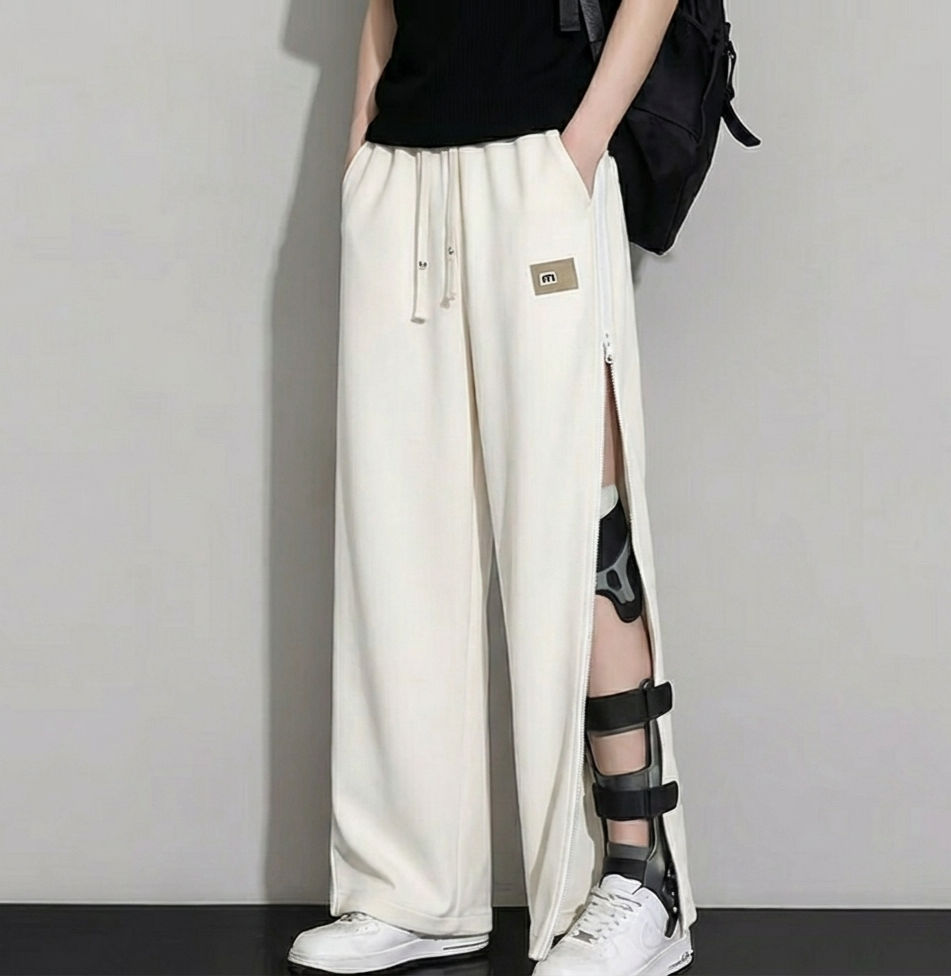
Leg cast, evening. A longer wrap skirt or a wide-leg linen pant with a side zip dresses up easily with a button-front blouse. You still get the ease of a step-in or zip closure, just in a fabric and cut that reads more polished for dinner.
Arm or hand cast, airport day. Choose a button-front shirt (never a pullover) with the sleeve on the injured side left slightly loose or rolled, paired with any pants you’d normally wear, since your legs are unaffected. Wear your bag crossbody on the uninjured shoulder so the strap doesn’t press against the cast.
Arm or hand cast, sightseeing. A sleeveless top or a wrap dress removes the sleeve problem entirely. Layer with a button-front jacket rather than a zip-up hoodie, since zippers and drawstrings are hard to manage one-handed.
Arm or hand cast, evening. A wrap top or an asymmetric one-shoulder style (with the injured arm on the open side) looks intentional, not compromised, and takes seconds to put on.
For airport days specifically, the goal is friction reduction. Avoid belts, complicated buttons at the waistband, and boots with laces. Slip-on shoes and simple layers form the backbone of most travel-editor airport outfits, and that advice applies double when you’re also managing a cast, a bag, and possibly crutches through a security line.
How Do You Get Through Airport Security With a Cast?
Yes, you can travel with a cast on a plane, and most airlines and screening agencies handle it routinely. The key is knowing what to expect so you’re not caught off guard at the checkpoint.
TSA typically screens casts using additional pat-down procedures or explosive trace detection swabs rather than asking you to remove the cast. You can request a private screening area if you’d rather not go through this in front of other travelers, and it’s worth mentioning your cast to the officer as soon as you approach the checkpoint rather than waiting for the metal detector to flag it. Bringing a note from your doctor isn’t required, but some travelers find it speeds up questions about metal pins or hardware.
A few things make the whole process smoother:
Call your airline 48 to 72 hours ahead to request preboarding or wheelchair assistance
Ask about gate-checking a rolling bag so you’re not hauling it through the jet bridge
Book an aisle seat with extra legroom if your budget allows. It matters more than window views right now.
Wear a backpack instead of a shoulder bag so both hands stay free for crutches, a cane, or a scooter
Keep your compression socks, any padding, and pain medication in your carry-on, not checked luggage
Terminal navigation is its own challenge. Airports are long, and a cast plus a rolling bag is a lot to manage over half a mile of concourse. Requesting wheelchair or golf-cart assistance isn’t a last resort. It’s a practical way to save your energy for the parts of the trip you actually want to enjoy.
Pro Tip: If you’re on crutches, ask the gate agent to preboard. You’ll have time to stow your bag and get settled before the aisle fills up, instead of trying to balance while people squeeze past you.
What Shoes and Socks Work Best With a Cast?
Slip-on shoes with a removable insole and a wide toe box are the standard for travel with any kind of leg injury, cast or not. You want something you can get on and off in ten seconds without bending awkwardly, and something with enough room that a slightly swollen foot doesn’t feel squeezed by midafternoon.
Travel-style guides and clinical travel advice converge on one number for flights: compression socks with moderate compression are commonly recommended for general inflight circulation support, with anything higher requiring a conversation with your doctor first.
That range works for most healthy travelers managing normal flight-related swelling. If you’ve got a cast, ask your orthopedist or physical therapist before you put on any compression sock on the injured limb. Compression over or near a fresh fracture can restrict circulation in ways that matter far more than they would on an uninjured leg.
A few more things worth knowing before you fly:
You’ll need to remove your uninjured shoe at most security checkpoints, so slip-ons save real time in line
Elevate your casted leg periodically during the flight if you have the seat room, and flex your toes every hour to keep blood moving
If your cast makes your usual shoe unusable on the other foot too (uneven gait does this more than people expect), pack a spare pair of the same slip-ons rather than improvising with dress shoes
Bring an extra insole or two if your foot has been swelling unevenly, so you can adjust fit without needing a whole new shoe
If you use an orthotic normally, don’t leave it home just because one foot is casted. Your uninjured foot is doing more work than usual to compensate, and that’s exactly when a good insole earns its keep.
How Adaptive Clothing Makes Dressing With a Cast Easier
Look for a handful of specific features when you’re choosing what to pack, because they’re the difference between a two-minute dressing routine and a fifteen-minute wrestling match:
Side magnetic zips or full-length side zips on pants, so you never have to step through a narrow leg opening
Elastic or drawstring waistbands that flex around swelling without digging in
Button-front shirts instead of pullovers, for anyone with an arm or shoulder cast
Wrap skirts and wrap dresses that adjust to fit and require no stepping-in motion
Protective, washable cast covers for showers, rain, or spills during travel
For leg casts, seated dressing techniques reduce fall risk more than people realize. Sit down, prop your foot on a low stool, and turn the pant leg outward before sliding it on, using a dressing stick or a long-handled shoehorn if reaching is hard. Never try to balance on your good leg while threading the injured one through a pant leg standing up, especially in a cramped hotel bathroom or a tiny airplane lavatory. Side-zip pants with magnetic closures solve this specific problem by letting you wrap the fabric around your leg instead of stepping through it, which matters more in a hotel room with eighteen inches of floor space than it ever did at home.
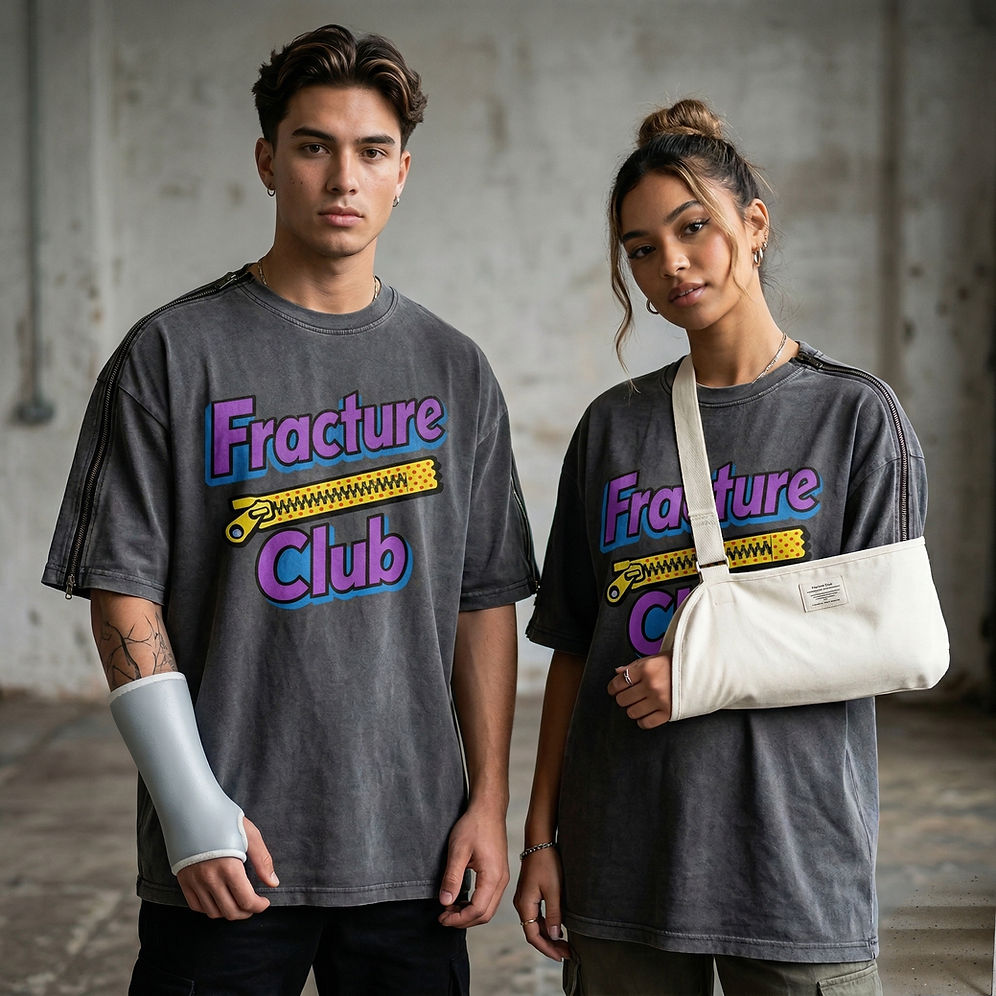
For arm casts, the trick is sequencing. Put the casted arm into a sleeve or shirt opening first, then pull the rest of the garment around your body, and take the uninjured arm out last when undressing. Fracture-club’s arm cast dressing tips walk through this in more detail if you want a step-by-step reference before you pack.
[
](https://fracture-club.com/product-page/fracture-club-magnetic-shoulder-zip-tee-injury-recovery-wear)
Pro Tip: Check your cast for tightness after every long flight or car ride. Swelling from sitting can turn a comfortable cast into a painfully tight one by the time you land, and catching it early beats dealing with it at 30,000 feet.
Never force a garment over a cast that’s resisting. If something feels tight enough to leave a mark or restrict movement, stop and switch to a looser piece rather than pushing through it.
A Capsule Wardrobe and Packing Checklist for Short Trips
A tight capsule does more for a traveler in a cast than it does for anyone else, because every piece you don’t have to dig for is one less moment of standing, bending, or balancing that you don’t need. For a trip of one to seven days, this capsule covers almost every situation without overpacking:
Four tops — two merino or technical tees, one button-front shirt, one lightweight sweater or cardigan
Two bottoms — one pair of side-zip or elastic-waist pants, one step-in skirt (skip this swap if you have an arm cast instead of a leg cast)
One packable outer layer — soft-shell jacket or a heavier cardigan depending on climate
Two pairs of shoes — slip-on sneakers for daytime, a slightly dressier slip-on for evenings
One small medical kit — cast cover, padding strips, compression socks, wipes, and any prescribed medication
This kind of scaled-down formula echoes the 5-4-3-2-1 capsule approach many travel guides recommend for trips of a week to ten days and is just trimmed slightly to account for the fact that you’ll likely repeat outfits more deliberately while managing a cast.
Pack your carry-on with intention. Wear your bulkiest item (the jacket, the heavier shoes) on the plane instead of packing it, which frees up bag space and means one less thing to fold. Use packing cubes to separate tops from bottoms so you’re not unpacking the whole bag to find one shirt. Keep your medical kit in its own accessible pocket, ideally one you can reach without fully opening the bag, since you’ll want quick access at security and again once you’re seated.
For longer trips, scale by adding one extra top and one extra bottom per additional week rather than doubling everything. For colder climates, add a base layer instead of a bulkier coat. It packs smaller and layers under everything else in this same capsule.
If you want a reference for exact sizing over a cast before you start packing, Fracture-club’s guide to sizing clothes over a cast breaks down measurements by cast type, which helps if you’re packing pieces you haven’t worn since the injury happened.
Traveling Hurt Doesn’t Mean Traveling Small
Nobody warns you how much mental energy a cast takes up before a trip. You’re not just packing clothes. You’re rehearsing security lines in your head, wondering if you’ll make your connection, and quietly dreading the moment you have to ask a stranger for help lifting your bag into the overhead bin.
That dread is worth naming, because pretending it isn’t there doesn’t make the trip easier. What does help is planning ahead of time and giving yourself permission to ask for assistance before you need it, not after you’re stuck. Preboarding, wheelchair service, a seat with extra legroom: none of that is a failure to cope. It’s just good logistics.
You’re not the only one figuring this out mid-recovery. Online communities share real stories from people who’ve traveled through fractures, surgeries, and long recoveries, and there’s something steadying about reading how someone else handled the same airport you’re dreading. Recovery doesn’t pause your life. It just asks you to pack a little differently.
— Fracture
Adaptive Recovery Wear That Travels With You
Fracture-club builds recovery wear around exactly the problems this article just walked through: getting dressed fast, without bending, balancing, or asking for help every time you change clothes. The side-zip pants and adaptive tops in the Recovery wear collection use magnetic closures and wide openings so you can dress standing, seated, or with one hand doing all the work, which is precisely the scenario a cramped airplane lavatory or a hotel room forces on you.
[

](fracture-club.com)
If you’re packing for a trip right now, the Easy-On/Off Adaptive Recovery Pants with Side Magnetic Zippers are worth adding to your cart before anything else on your list. They’re built for exactly the seated, no-step dressing technique covered above, and a portion of proceeds from Fracture-club supports the Bone Health & Osteoporosis Foundation. If you’re unsure which size or style fits your specific cast, the inquiry page connects you directly with someone who can help before you finish packing.
Sources
For screening rules and what to expect at the checkpoint, check current TSA guidance directly before your trip, since procedures can shift. Travel-style coverage on comfortable airport outfits shaped the fabric and footwear advice here, while capsule-packing counts came from TravelBuzzy’s travel outfit guide. Orthopedic guidance on dressing over leg braces and casts came from PT Products Online, and adaptive-wear specifics reflect Fracture-club’s own product resources.
FAQ
Can You Travel With a Cast on a Plane?
Yes. Airlines and security agencies screen casts routinely, usually with a pat-down or a trace detection swab rather than removal. Call your airline ahead of time to arrange preboarding or wheelchair assistance if you’ll need it moving through the terminal.
What Is the 3-3-3 Rule for Outfits?
Definitions vary depending on the source, but the version most travel guides use suggests packing three tops, three bottoms, and three pairs of shoes for a short trip to limit decision fatigue. For travel with a cast, a similar but smaller capsule, closer to four tops and two bottoms with adaptive closures, tends to work better since you’ll want fewer, more functional pieces rather than more choices.
What Clothes Should You Wear With a Cast?
Favor side-zip or elastic-waist pants and step-in skirts for leg casts, and button-front shirts or wrap tops for arm casts. Wide openings and adaptive closures reduce dressing time and lower the risk of snagging or losing balance while you get dressed, which matters most on travel days when you’re rushed.
What Is the 3-3-3 Rule for Travel Packing?
The common version limits you to three tops, three bottoms, and three pairs of shoes for the entire trip, all mixing and matching into multiple outfits. If you’re traveling with a cast, lean toward fewer shoe options (one supportive slip-on pair usually covers both day and evening) and put that saved space toward a small medical kit instead.
Do Compression Socks Help When Flying With a Cast?
Moderate compression, generally in the 15 to 20 mmHg range, is commonly recommended for circulation support on long flights. If you have a cast, talk to your doctor before wearing compression on the injured limb, since improper compression near a healing fracture can restrict circulation rather than help it.
Recommended
Comments