
Top Caregiver Support Resources for 2026

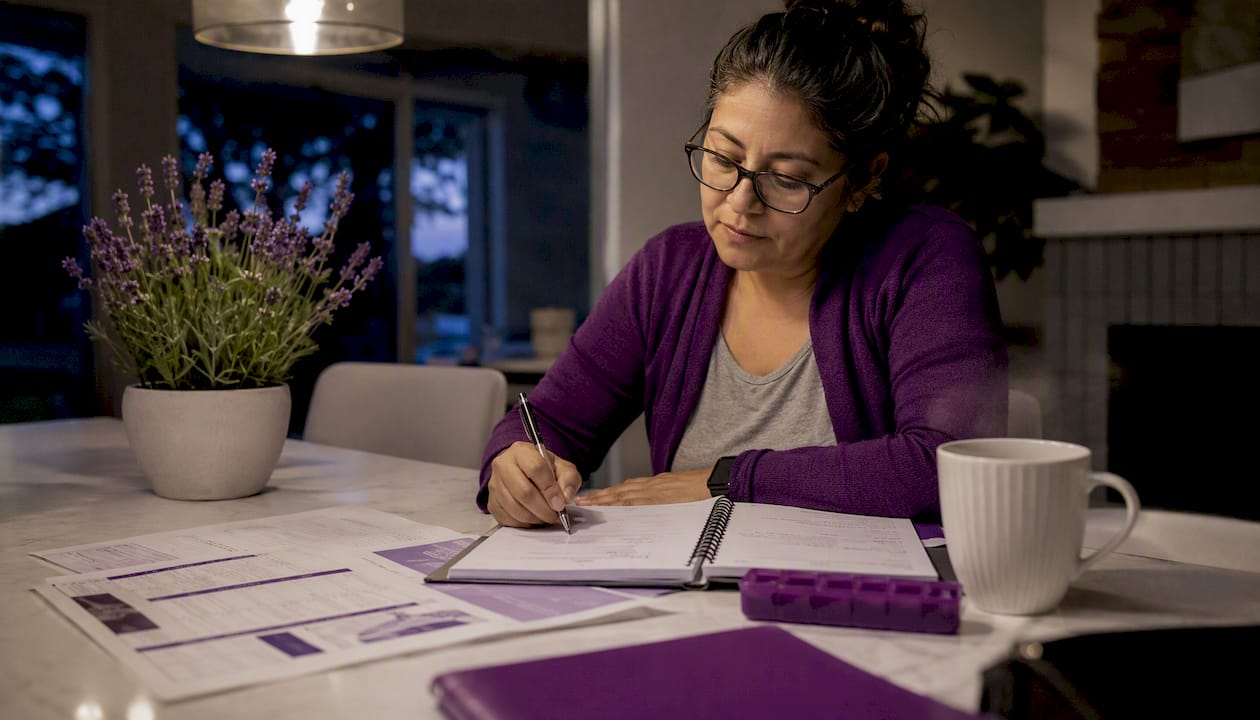
The best approach for caregivers in 2026 is a “patchwork” of proven national programs, local services, and practical tools — not one single solution. Start here:
Call a national helpline today. The Caregiver Action Network Help Desk is reachable at (855) 227-3640, with phone support, a Carallel-powered app, and virtual coaching sessions.
Find your local Area Agency on Aging (AAA). Use the Eldercare Locator at eldercare.acl.gov or call 1-800-677-1116 to connect with local respite, home health, and counseling.
Bookmark NIA and Alzheimers.gov for evidence-based clinical guidance on dementia, medications, and safety decisions.
If you’re a Veteran’s caregiver, contact the VA Caregiver Support Line at 1-855-260-3274 to learn about stipends, health coverage, and respite through the VA’s caregiver programs.
Trial one adaptive tool this week — even a single item like easy-on/off adaptive pants can cut dressing time and reduce physical strain on both of you.
AARP’s caregiving resources consistently reinforce what research confirms: building a multi-source support system early is the most reliable way to prevent burnout and delay the need for institutional care.
Table of Contents
What are the top national organizations and helplines for caregivers?
Where should you get trustworthy clinical guidance for dementia and complex conditions?
What are the warning signs of caregiver burnout, and what should you do?
What is a 7-step plan to start using caregiver resources this week?
Fracture-club adaptive clothing is built for exactly this situation
How do you build a caregiver “patchwork” of support?
No single program covers everything. The goal is to layer four types of support so that when one resource has a gap, another fills it.
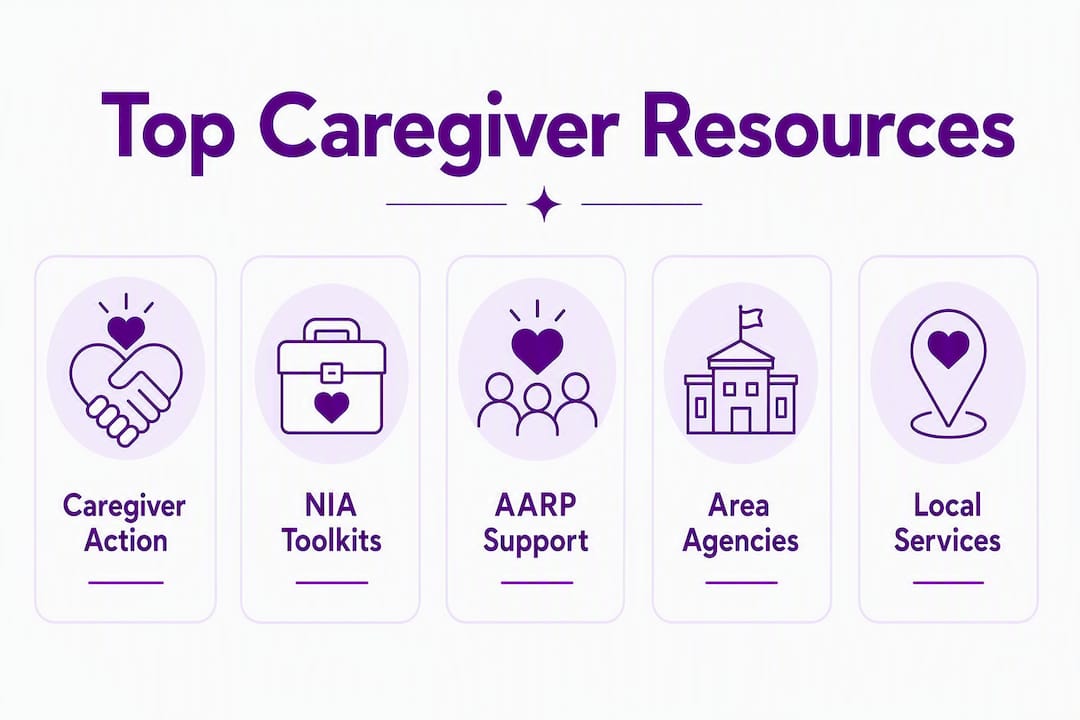
National helplines and toolkits — clinical guidance, training, and expert coaching (NIA, Alzheimers.gov, Caregiver Action Network, AARP)
Local services — respite hours, adult day programs, in-home aides, and home modification grants through your Area Agency on Aging
Peer and emotional support — online communities, support groups, and virtual events where you talk to people who genuinely get it
Practical aids — adaptive clothing, mobility equipment, medication organizers, and home modifications that reduce the physical labor of daily care
Each pillar covers a different gap. National toolkits answer clinical questions. Local services give you actual hours of relief. Peer support keeps you from feeling isolated. Practical aids reduce the strain that accumulates in your body over months of lifting, dressing, and repositioning.
Pro Tip: Keep a physical caregiving binder — medication lists, emergency contacts, insurance cards, and provider phone numbers — in one place. During a hospital visit or a power outage, that binder is more reliable than any app.

What are the top national organizations and helplines for caregivers?
Each of these organizations serves a distinct need. Knowing which one to call first saves time when you’re already stretched thin.
AARP Caregiving Resource Center — tools, articles, and a local resource finder for family caregivers of all ages. Free, online and by phone.
Caregiver Action Network (CAN) — runs the National Caregiver Help Desk at (855) 227-3640 with phone coaching, a 24/7 app, and peer community events. Free, same-day access.
Family Caregiver Alliance (FCA) — in-depth fact sheets, legal and financial planning guides, and a national database of state programs. Free, online.
National Institute on Aging (NIA) — government-backed caregiving toolkits for dementia, chronic illness, and end-of-life planning. Free, online.
Alzheimers.gov — federally maintained hub for dementia-specific guidance, clinical research, and caregiver resources. Free, online.
Administration for Community Living / NFCSP — the National Family Caregiver Support Program funds state-level respite, counseling, training, and access assistance for caregivers nationwide.
Eldercare Locator — the front door to your local AAA network; connects you to community services within your zip code.
Best for | Access method | Typical cost / eligibility | Evidence basis | Start timeline |
National helplines and coaching | Phone, app, online | Free; open to all caregivers | Advocacy nonprofit | Same day |
Government clinical portals (NIA, Alzheimers.gov) | Online | Free; open to all | Federal / clinical | Same day |
Local respite and home services (AAAs) | Phone, in-person | Sliding scale; NFCSP grants, Medicaid waivers | Government-funded | Days to weeks |
VA caregiver programs (PCAFC / PGCSS) | Phone, in-person at VA facility | Free for eligible Veterans’ caregivers | Federal clinical | Weeks to months |
Advocacy nonprofits (FCA, CAN) | Online, phone | Free | Nonprofit / peer-reviewed | Same day |
How do you find and access local respite and home services?
Local services are where the real hours of relief come from. Here’s how to get them.
Go to eldercare.acl.gov or call 1-800-677-1116 to find your local AAA by zip code.
Call your AAA’s intake line and ask specifically: “What respite options do you fund? Do you cover adult day programs, in-home aides, or overnight respite?”
Ask about Medicaid waivers — many states use waiver programs to fund in-home care for people who would otherwise need a nursing facility. Eligibility is based on the care recipient’s needs and income.
Ask about NFCSP-funded services — the National Family Caregiver Support Program grants to states cover five service types including respite, counseling, and training.
Request a written list of covered services. “Respite” means different things in different programs — some cover only licensed facilities, others cover informal in-home help.
When you call, ask these specific questions:
Does reimbursement use a sliding scale based on the care recipient’s income?
Which provider types qualify — licensed agencies only, or can a trusted neighbor be paid?
What documentation do I need to bring to the intake appointment?
How long is the current wait list for in-home aide services?
Wait times range from same-day phone support to several weeks for in-home aide placement. Starting the intake process before you hit a crisis point gives you options.
Where should you get trustworthy clinical guidance for dementia and complex conditions?
For medication decisions, behavior management, and safety planning, government and clinical sources are the right starting point — not social media groups.
NIA caregiving toolkits cover dementia stages, medication safety, and caregiver stress management, written for implementation alongside a clinician’s guidance.
Alzheimers.gov provides federally reviewed, condition-specific resources including a caregiver guide and a clinical trial finder.
HHS.gov’s caregiver resources page aggregates cross-agency tools including MedlinePlus and Medicare caregiving pages in one place.
Use this quick verification checklist before acting on any health advice you find online:
Does the source carry a .gov, .edu, or peer-reviewed journal URL?
Is there a named clinical author or medical reviewer?
Does the recommendation align with what the care recipient’s own clinician has said?
Is the source dated within the last three years?
Pro Tip: Use NIA and Alzheimers.gov toolkits as your implementation baseline. Treat online support groups as emotional support — they’re genuinely valuable for that — but confirm any clinical change with the care recipient’s doctor first.
What practical tools reduce caregiver burden day to day?
Physical strain accumulates quietly. The right tools reduce it before it becomes an injury.
Adaptive clothing — easy-on/off garments with magnetic zippers, open-sided panels, and wide openings eliminate the wrestling match of dressing someone with a cast, brace, or limited mobility. The Family Caregiver Alliance notes that adaptive dressing tools reduce caregiver injury risk and long-term fatigue.
Mobility and transfer aids — gait belts, transfer boards, and grab bars reduce the lifting load on your back during repositioning.
Medication organizers — weekly pill organizers with AM/PM compartments prevent missed doses without requiring you to remember every detail.
Home modifications — grab bars, raised toilet seats, and non-slip mats cut fall risk and reduce the number of times you need to physically intervene. Fracture-club’s home safety guide covers practical modifications that reduce caregiver lifting and fall risk.
Fracture-club’s adaptive recovery clothing — including easy-on/off pants with magnetic side zippers and open-sided sweatshirts — is designed specifically for people healing with casts or braces. The garments preserve the care recipient’s dignity and cut dressing time significantly. A portion of every purchase supports the Bone Health & Osteoporosis Foundation.
Pro Tip: Build a small orthopedic care package with one or two adaptive items to trial. Start with pants or a sweatshirt, check the return policy, and measure carefully before ordering. One item that works well is worth more than five that sit unused.
What are the warning signs of caregiver burnout, and what should you do?
Burnout rarely announces itself. It builds through small signs that are easy to rationalize away.
Red flags to watch for:
Persistent insomnia or waking exhausted regardless of sleep hours
Worsening anxiety, irritability, or feeling emotionally numb
Missed medications or appointments for the care recipient
Unsafe transfers — you’re rushing, skipping steps, or feeling unsteady
Inability to meet your own basic needs (meals, medical appointments, hygiene)
Immediate action checklist:
Call the Caregiver Action Network Help Desk at (855) 227-3640 for same-day coaching.
If you’re a Veteran’s caregiver, call the VA Caregiver Support Line at 1-855-260-3274.
Contact your AAA to arrange emergency or short-term respite — even one afternoon matters.
Simplify the medication routine: ask the pharmacist about blister packs or delivery services.
Tell one family member or friend exactly what you need this week — one specific task, not a general plea for help.
If the care recipient is in immediate danger, call 911. If you’re concerned about neglect or unsafe conditions, Adult Protective Services in your state is the right contact.
What is a 7-step plan to start using caregiver resources this week?
You don’t need to do everything at once. Seven days, seven steps.
Day 1: Collect all medications, insurance cards, emergency contacts, and provider numbers into one physical binder.
Day 2: Call the Eldercare Locator at 1-800-677-1116 or visit eldercare.acl.gov to find your local AAA.
Day 3: Register with one national helpline — Caregiver Action Network at (855) 227-3640 or AARP’s caregiving line — and ask about training resources.
Day 4: Schedule one respite block, even two hours. Ask your AAA about same-week options.
Day 5: Order or trial one adaptive clothing item. Measure first, check the return policy, and read the care instructions.
Day 6: Join one peer support session — CAN’s virtual fireside chats or an online support group through the Family Caregiver Alliance.
Day 7: Review finances. Ask your AAA whether NFCSP grants, Medicaid waivers, or state reimbursement programs apply to your situation.
Three simple outcomes tell you the week worked: one respite hour arranged, one adaptive tool trialed, and one clinical question verified with a government source or clinician.
Key Takeaways
Building a patchwork of national programs, local services, peer support, and practical adaptive tools is the most effective way to sustain caregiving without burning out.
Point | Details |
Start with a helpline | Call Caregiver Action Network at (855) 227-3640 or use the Eldercare Locator for same-day access to support. |
Verify clinical advice | Use NIA toolkits and Alzheimers.gov as your evidence baseline; confirm changes with the care recipient’s clinician. |
Use local AAAs early | Area Agencies on Aging connect you to respite, home aides, and NFCSP-funded services before a crisis hits. |
Watch for burnout signals | Missed medications, unsafe transfers, and persistent insomnia are red flags that require immediate action. |
Fracture-club adaptive clothing | Easy-on/off garments with magnetic zippers reduce dressing time and caregiver strain during orthopedic recovery. |
Why the “one resource” mindset is the real problem
Most caregivers wait too long to ask for help, and when they finally do, they look for one program that covers everything. That program doesn’t exist. What does exist is a network of resources that, used together, can genuinely sustain you.
The organizations in this guide — NIA, Caregiver Action Network, AARP, the AAA network — each do one thing well. The skill isn’t finding the perfect single resource. It’s learning to layer them. A government toolkit answers the clinical question. A local AAA gives you the respite hours. A peer group reminds you that what you’re feeling is normal. An adaptive garment removes one small but daily physical burden.
That last category gets underestimated. Dignity matters during recovery. When dressing someone takes 20 minutes of struggle, it wears on both of you. When it takes five minutes because the clothing is designed for the situation, something shifts. That’s not a luxury. It’s part of the care.
Fracture-club adaptive clothing is built for exactly this situation
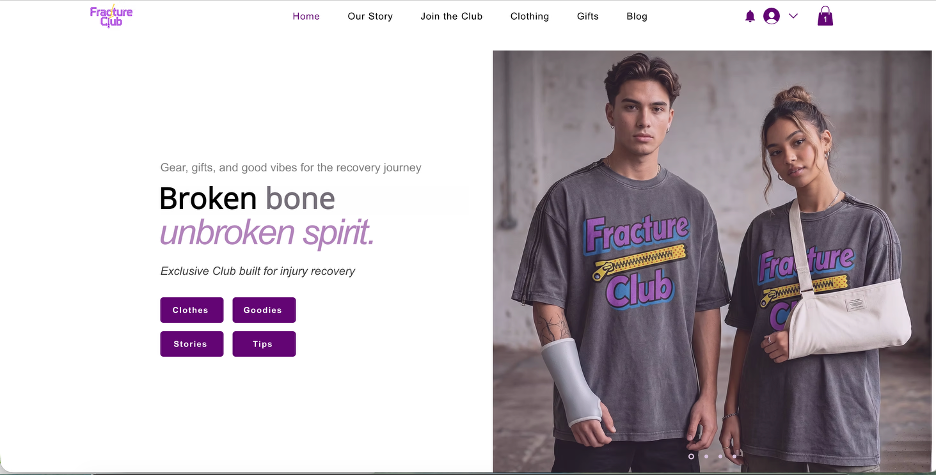
When you’re helping someone recover from a fracture, surgery, or orthopedic injury, the right clothing makes a real difference. Fracture-club’s easy-on/off recovery pants feature magnetic side zippers that open fully, so you’re not fighting fabric over a cast or brace. The easy-on/off sweatshirt is designed for upper-limb injuries, with an opening that works around slings and braces without contortion.
[
](fracture-club.com)
A portion of every Fracture-club purchase goes to the Bone Health & Osteoporosis Foundation. Start with one item, check sizing carefully, and use the inquiry services page if you have questions about fit or custom needs before ordering. More caregiving-focused articles and community resources are available at fracture-club.com.
Useful sources and where to read more
These are the primary sources behind this guide, organized by what you’ll use them for.
Source | What it contains | Best used for |
NIA Caregiving Toolkits | Condition-specific guides for dementia, chronic illness, end-of-life care | Clinical questions, medication safety, behavior management |
Federally reviewed dementia resources and caregiver guides | Dementia-specific planning and clinical research | |
AARP Caregiving | Articles, tools, local resource finder | Building a patchwork, finding local services |
Caregiver Action Network Help Desk | Phone coaching, 24/7 app, peer events | Same-day support, training, emotional coaching |
ACL / NFCSP | Federal funding for state respite, counseling, training | Eligibility for funded local services |
VA Caregiver Support Program | PCAFC stipends, health coverage, respite for Veterans’ caregivers | VA-eligible caregiver benefits and enrollment |
Cross-agency links including MedlinePlus and Medicare | Finding insurance and cross-agency clinical info | |
Family Caregiver Alliance | Fact sheets, legal/financial guides, state program database | Legal planning, financial assistance, state-specific resources |
Adaptive recovery wear guidance and community resources | Orthopedic recovery caregiving, adaptive clothing selection |
This article is general information, not professional medical, legal, or financial advice. Confirm eligibility, program details, and clinical decisions with the relevant primary source or a qualified professional for your specific situation.
Recommended
Comments