
The Role of Compression in Healing: A Recovery Guide

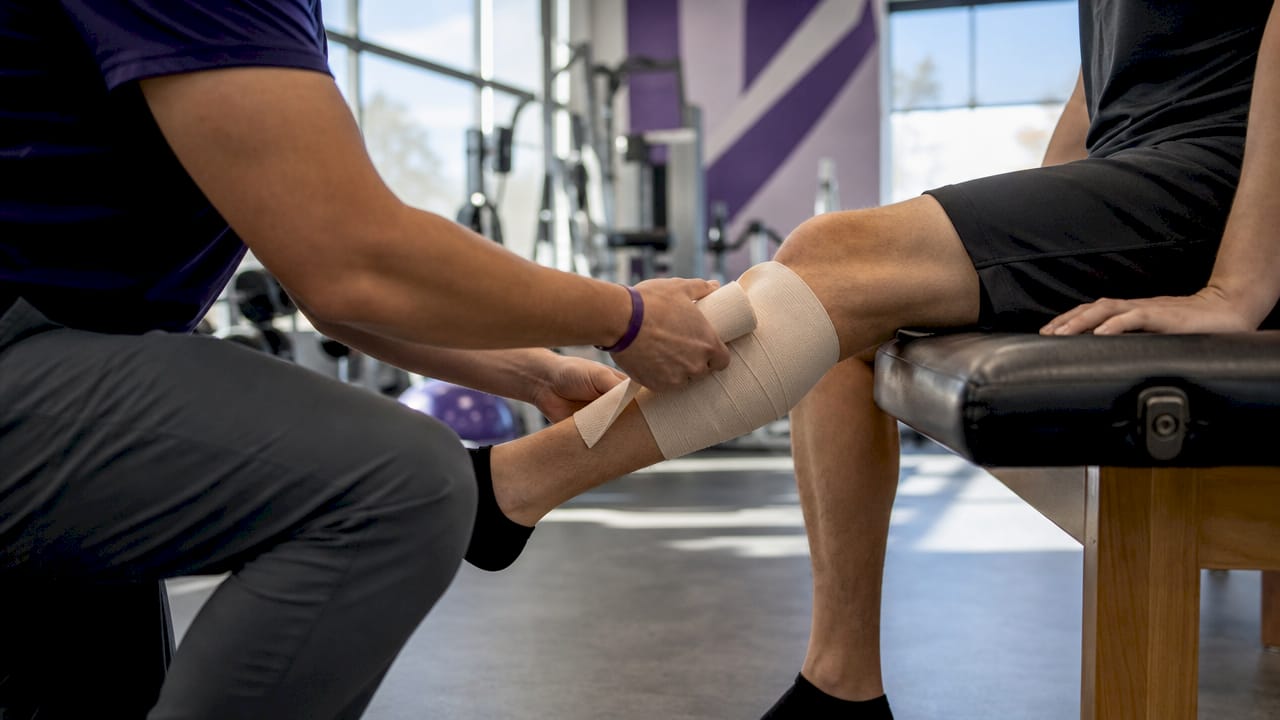
Compression therapy is defined as the application of controlled external pressure to injured or post-surgical tissue to improve blood flow, reduce swelling, and accelerate tissue repair. The role of compression in healing is well established in clinical practice, with healing rates reaching 83% for venous leg ulcers treated with sustained compression. Compression works through two primary mechanisms: it narrows superficial veins to push blood back toward the heart, and it reduces the buildup of fluid in surrounding tissue. Therapeutic pressure ranges from 10 to 120 mmHg depending on the condition, and devices range from Class I and II graduated stockings to dynamic intermittent pneumatic compression units. Whether you are recovering from a fracture, a surgical procedure, or a soft tissue injury, understanding how compression works gives you a real advantage in your recovery.
How does the role of compression in healing work physiologically?
Graduated compression narrows superficial veins, which increases venous return velocity and reduces the pooling of blood in the lower limbs. That mechanical effect directly lowers the pressure inside capillaries, which means less fluid leaks into surrounding tissue. Less fluid in the tissue means less swelling, less pain, and a better environment for cells to do their repair work.
Compression also supports the lymphatic system. The lymphatic vessels sit just beneath the skin, and external pressure helps move lymph fluid along its one-way path back toward the bloodstream. When lymph flow stalls after an injury or surgery, the result is edema, that firm, uncomfortable swelling that slows everything down.
Graduated pressure applies the most compression at the ankle or wrist and gradually decreases up the limb, working with gravity to push fluid upward.
Capillary filtration reduction limits the amount of plasma that leaks into tissue, keeping swelling controlled from the start.
Anti-inflammatory mediator release is promoted by sustained compression, which improves the healing environment at the cellular level.
Tissue oxygenation improves because better circulation delivers more oxygen to cells that are actively repairing damaged structures.
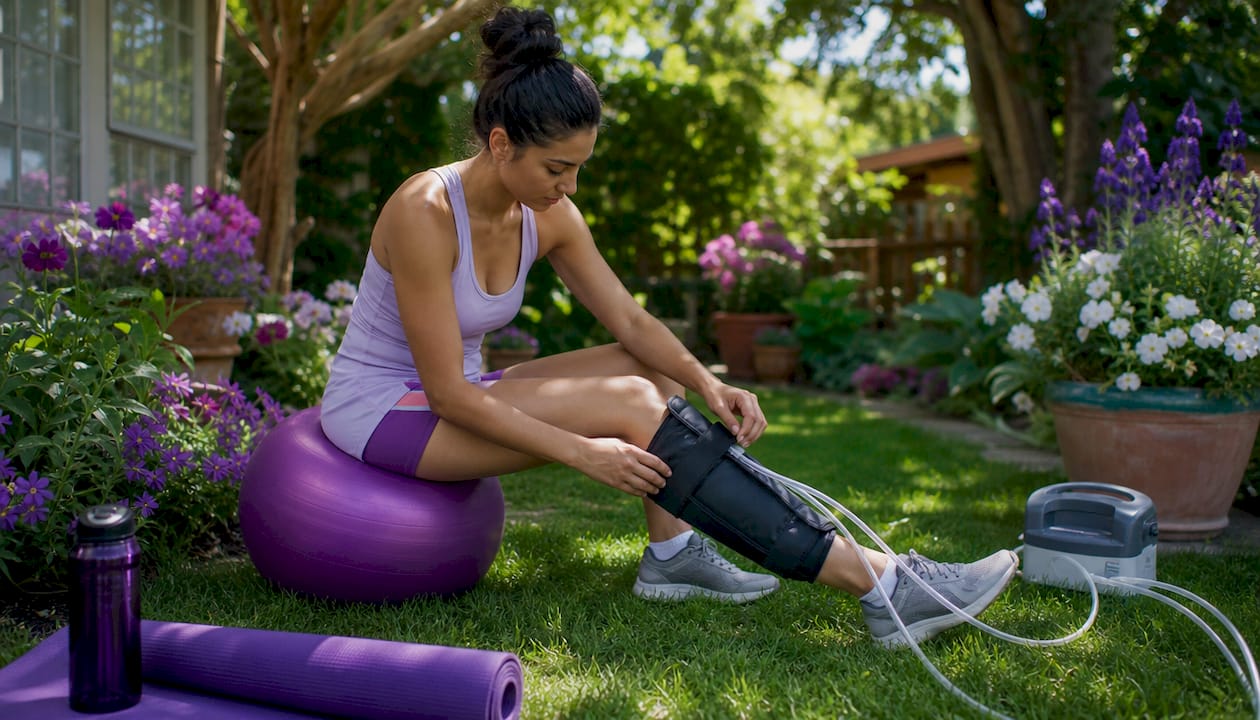
Dynamic compression, such as intermittent pneumatic compression devices, adds a pumping action on top of these effects. That rhythmic squeeze-and-release cycle mimics the muscle contractions that normally drive venous and lymphatic return when you are active. For patients who are immobile after surgery, this is particularly valuable.
Pro Tip: If you are using a static compression garment after surgery, pair it with gentle ankle pumps every hour. That small movement amplifies the garment’s effect on venous return without stressing the surgical site.
What evidence supports compression therapy for wound and injury healing?
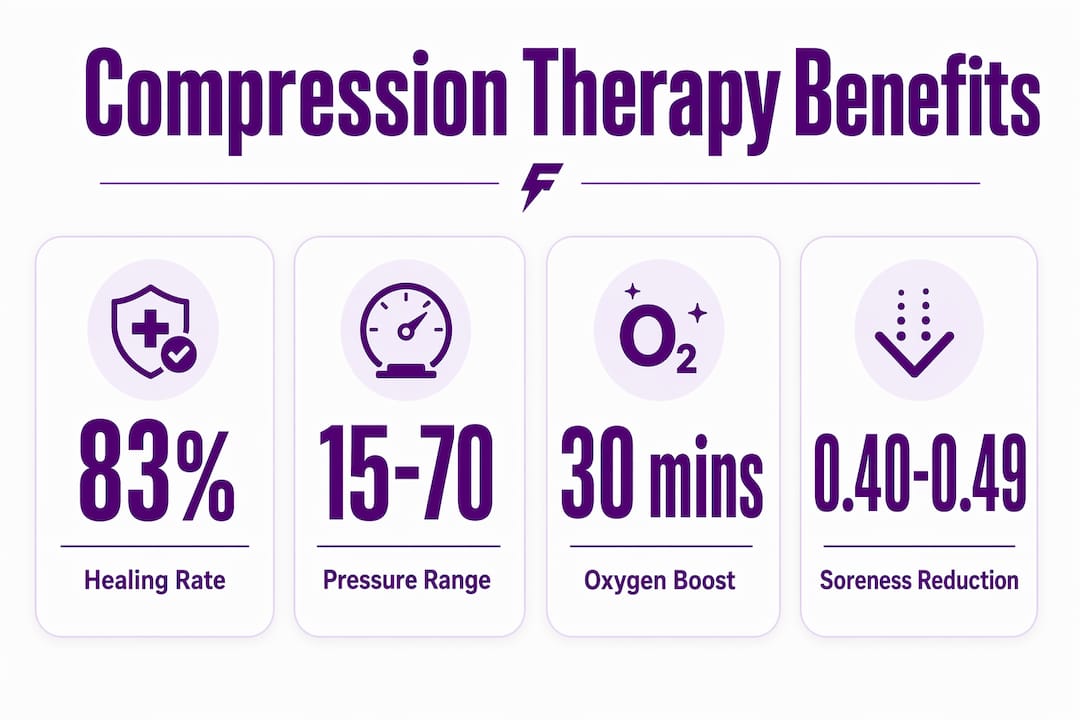
The clinical evidence for compression therapy is strong and growing. Compression achieves healing in up to 83% of venous ulcers and reduces recurrence by 70%. Those numbers reflect years of consistent clinical use, and they explain why compression is considered the gold standard for venous leg ulcer management.
For acute injuries and post-exercise recovery, the evidence is equally compelling. Class I–II compression garments worn for at least 2 hours post-exercise reduce swelling by 8–12% and accelerate lactate clearance by approximately 18%. That means your muscles clear the metabolic waste that causes soreness nearly a fifth faster than without compression.
Dynamic intermittent pneumatic compression adds another layer of benefit. A 30-minute session improves tissue oxygen saturation and begins reducing limb fluid within the first 10 minutes. That speed of effect matters when you are managing post-surgical swelling in the early days of recovery.
Condition | Compression type | Key outcome |
Venous leg ulcers | Graduated static compression | Up to 83% healing rate, 70% recurrence reduction |
Post-exercise swelling | Class I–II garments, 2+ hours | 8–12% swelling reduction, 18% faster lactate clearance |
Post-surgical edema | Intermittent pneumatic compression | Oxygen saturation improves within 10 minutes |
Ligament injuries | Light static compression (10–30 mmHg) | Improved proprioception and mechanical stability |
Pressure level matters as much as the device type. Therapeutic pressure ranges from 15 to 70 mmHg for most clinical applications, with dynamic pneumatic devices reaching up to 120 mmHg for venous pumping. Too little pressure produces no meaningful effect. Too much pressure reduces comfort and causes patients to stop wearing the garment altogether, which eliminates any benefit.
What are the practical considerations for using compression effectively?
Choosing the right compression level for your stage of recovery is the single most important practical decision you will make. Class I garments (15–20 mmHg) suit mild swelling and early-stage recovery. Class II garments (20–30 mmHg) are appropriate for moderate edema and most post-surgical recovery phases. Your clinician should confirm which class fits your specific condition before you begin.
Wear time matters. Compression worn for at least 2 hours after activity or physical therapy produces measurable swelling reduction. Shorter wear periods produce weaker results.
Put it on early. Apply compression before swelling peaks, ideally first thing in the morning before gravity has time to pull fluid into the limb.
Check the fit regularly. Garments stretch with use. A garment that fit correctly at week one may have lost therapeutic pressure by week three. Re-measure and replace as needed.
Remove at night. Experts recommend removing compression socks at night and elevating the limb to allow natural fluid drainage. Wearing compression around the clock can actually interfere with this process.
Combine with elevation. Elevating the injured limb above heart level while resting amplifies the drainage effect that compression initiates during the day.
The distinction between static and dynamic compression is worth understanding. Static garments, including stockings, sleeves, and compression bandages for healing, maintain a constant pressure. Dynamic devices, such as pneumatic compression pumps, cycle through pressure and release. Dynamic compression offers enhanced venous pumping compared to static garments, which makes it particularly useful for patients with limited mobility or significant post-surgical edema.
Pro Tip: When applying a compression bandage, start at the point farthest from your heart and wrap toward it. This direction works with venous anatomy, not against it, and produces far better fluid clearance.
For patients recovering from fractures, choosing the right fabric and fit around a cast or brace adds another layer of complexity. Adaptive garments designed for this situation make consistent wear far more realistic.
How does compression support muscle recovery and reduce soreness?
Compression garments accelerate lactate clearance by approximately 18% and improve metabolic recovery times by around 4 minutes compared to recovery without compression. That improvement comes from better circulation delivering oxygen to fatigued muscle fibers while simultaneously flushing out the metabolic byproducts that cause delayed onset muscle soreness (DOMS).
Reduced muscle oscillation is one of the less obvious benefits. Compression limits the micro-vibrations that muscles experience during movement, which reduces membrane stress and lowers the degree of micro-damage that accumulates during exercise or physical therapy.
Overnight compression has shown improvements in strength recovery measures, suggesting that wearing a garment during sleep can extend the recovery benefit beyond waking hours.
Metabolic waste clearance is the primary driver of soreness reduction. Compression keeps blood moving through tissue that would otherwise experience sluggish circulation during rest.
Edema control after physical therapy sessions prevents the swelling cycle that sets recovery back. Controlling swelling on day one means less stiffness and more productive movement on day two.
A meta-analysis on compression garment recovery effects found effect sizes around 0.40–0.49 for soreness and strength recovery. Those are moderate, meaningful improvements, not dramatic cures. Setting that expectation accurately helps patients stay consistent with compression use rather than abandoning it when results feel gradual.
For athletes managing footwear and lower limb recovery, pairing appropriate compression with supportive footwear creates a more complete recovery environment for the lower extremities.
What are common misconceptions about compression therapy?
The biggest misconception is that more pressure always means faster healing. Pressure that exceeds the therapeutic range reduces adherence and can cause discomfort or skin issues. Pressure must be calibrated to 15–70 mmHg for most therapeutic goals, with the specific target depending on the condition being treated.
A second misconception is that garment brand determines outcome. Proper application technique and sustained therapeutic pressure matter far more than the label on the garment. Pressure decays within 24 hours as the material settles against the limb, which means technique and consistent re-application are what actually drive results.
Compression therapy works best when it is personalized. The acute phase of an injury calls for higher, shorter-duration compression to limit plasma protein leakage into tissue. The recovery phase calls for sustained, lower-level compression to manage secondary edema and support tissue remodeling. Applying the same pressure at every stage is like using the same dose of medication regardless of where you are in treatment. Matching pressure to phase is what separates effective compression from compression that simply feels like something is being done.
Dynamic compression also carries a misconception: that it is only for clinical settings. Portable intermittent pneumatic compression devices are now widely available for home use and produce the same physiological effects as clinical units when used correctly. For patients managing post-surgical recovery at home, they are worth discussing with a physical therapist or physician.
Key Takeaways
Compression therapy improves healing by increasing venous return, reducing edema, and accelerating metabolic waste clearance, with clinical evidence supporting meaningful outcomes across wound healing, surgical recovery, and muscle repair.
Point | Details |
Healing rates are high | Compression achieves up to 83% healing in venous ulcers and cuts recurrence by 70%. |
Pressure level is critical | Therapeutic ranges of 15–70 mmHg must match the condition; too high reduces adherence. |
Timing and duration matter | Wearing compression for at least 2 hours post-activity reduces swelling by 8–12%. |
Remove at night | Night removal and limb elevation support natural fluid drainage and improve outcomes. |
Dynamic beats static for fluid clearance | Intermittent pneumatic compression improves tissue oxygen saturation within 10 minutes. |
What I have learned from watching people recover with compression
Compression therapy is one of those treatments where the gap between knowing and doing is enormous. Patients understand they should wear their garment. They understand the science. And then they skip it because it is hard to put on over a cast, uncomfortable by midday, or just one more thing to manage when recovery already feels like a full-time job.
What I have found is that adherence is the real variable. The pressure range, the device type, the wear schedule, all of it becomes irrelevant if the garment stays in a drawer. Adherence is often limited by comfort and ease of use, which means the most clinically perfect garment is useless if the patient cannot get it on independently. That is not a minor detail. That is the whole problem.
The patients who do best with compression are the ones who have been shown exactly how to apply it, who have a garment that fits their body and their recovery stage, and who understand that the benefits are real but gradual. Combining compression with elevation during rest and gentle movement during the day produces results that neither approach achieves alone. Realistic expectations matter too. A 0.40–0.49 effect size is not a miracle, but it is a consistent, repeatable improvement that compounds over weeks of recovery.
If you are a caregiver helping someone through recovery, the most useful thing you can do is make compression easy. That means garments that go on without a struggle, routines that fit into the day naturally, and encouragement that treats the effort as worthwhile. Recovery is hard enough without fighting your own clothing.
— Fracture
Compression-friendly clothing that supports your recovery
Recovery is easier when your clothing works with you, not against you. Fracture-club designs adaptive garments specifically for people healing from injuries and surgeries, including those managing casts, braces, and compression layers underneath.
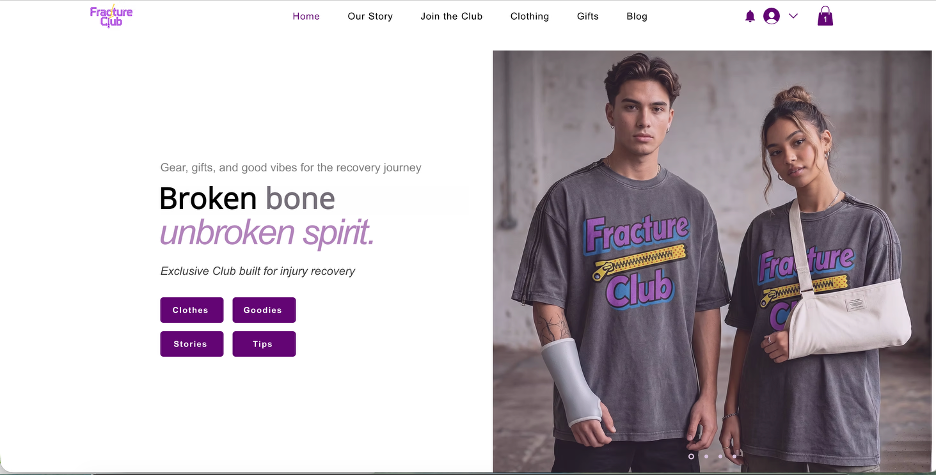
The adaptive recovery pants with magnetic zippers open fully at the side, so you can dress and undress without removing a compression garment or straining a healing limb. For upper body recovery, the easy-on sweatshirt is built for the same purpose: comfort, independence, and a fit that accommodates what recovery actually looks like. Fracture-club also supports the best way to get dressed after a broken bone with practical guidance alongside its products. A portion of every purchase benefits the Bone Health & Osteoporosis Foundation.
FAQ
What is the role of compression in healing?
Compression therapy applies controlled external pressure to injured tissue, improving venous and lymphatic return, reducing edema, and creating a better environment for tissue repair. Clinical evidence shows healing rates up to 83% for venous ulcers treated with sustained compression.
How long should I wear a compression garment each day?
Wearing compression for at least 2 hours after activity or physical therapy produces measurable swelling reduction of 8–12%. Remove the garment at night and elevate the limb to support natural fluid drainage.
Does compression speed up healing after surgery?
Compression reduces post-surgical edema and improves tissue oxygenation, with intermittent pneumatic compression showing measurable improvements within the first 10 minutes of a session. Combined with elevation and movement, it meaningfully accelerates the recovery timeline.
What compression level is right for my recovery?
Class I garments (15–20 mmHg) suit mild swelling, while Class II (20–30 mmHg) addresses moderate edema and most post-surgical recovery phases. Therapeutic pressure should be confirmed by a clinician based on your specific condition and healing stage.
Is dynamic compression better than static compression bandages?
Dynamic intermittent pneumatic compression offers enhanced venous pumping and fluid clearance compared to static garments, making it particularly useful for immobile patients or significant post-surgical edema. Static compression bandages for healing remain effective for daily wear and proprioceptive support in ligament injuries.
Recommended
Comments