
Sports Injury Recovery Gift Ideas for Easier Dressing
- T. Armstrong

- 1 day ago
- 9 min read
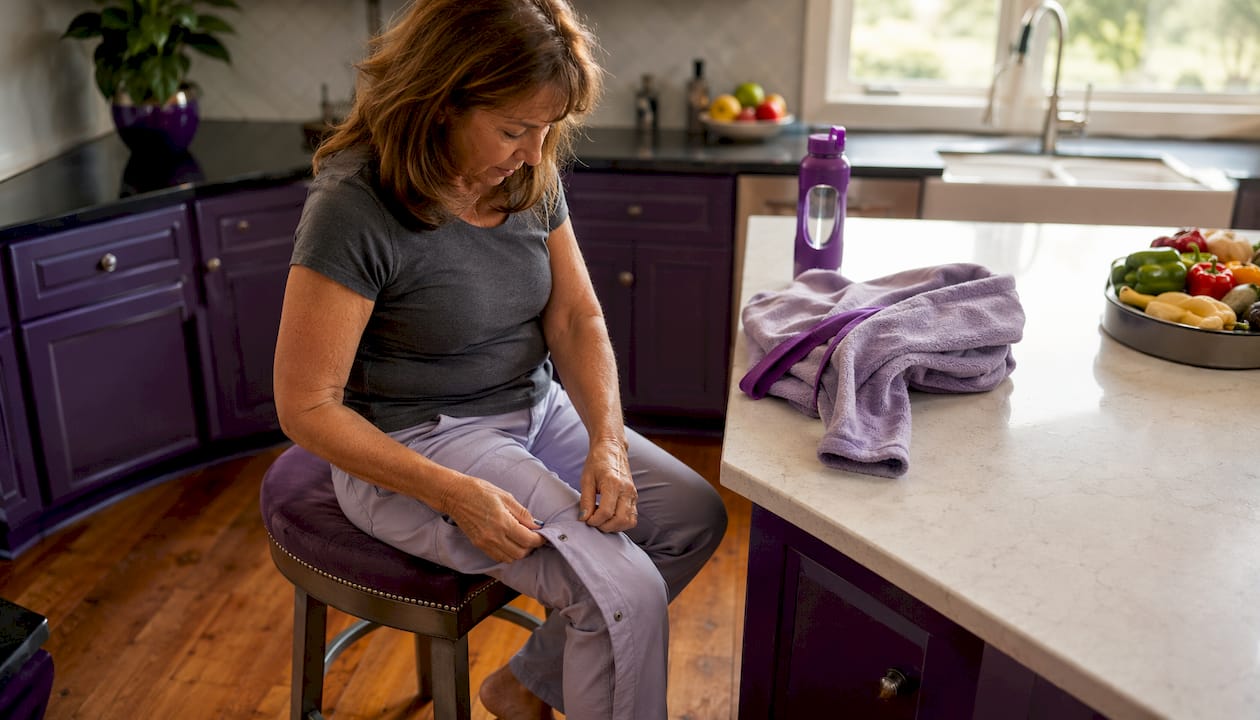
The highest-impact sports injury recovery gift ideas restore functional autonomy, not just good cheer. If you’re shopping for someone healing from a fracture, sprain, or post-surgical repair, prioritize in this order: (1) adaptive clothing that goes on and off without a struggle, (2) positioning and sleep aids that reduce overnight pain, and (3) meal or errand delivery credits that lift the daily mental load. Fracture-club’s easy-on/off garments and group-gifting platforms like Giftcrowd make it easier to fund higher-cost items as a team. The Bone Health & Osteoporosis Foundation backs the science of bone recovery, and Fracture-club donates a portion of proceeds to that mission. One safety note before you buy: always consult a clinician before gifting any therapeutic device such as a TENS unit or compression boot.
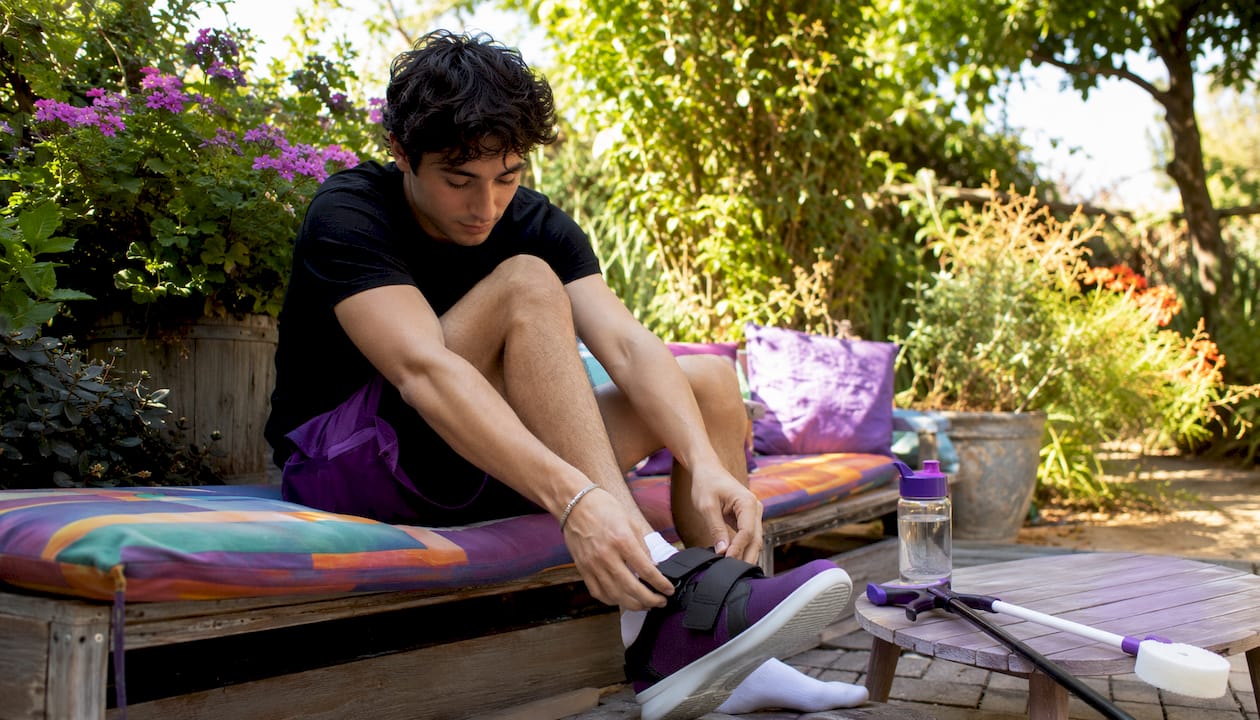
Table of Contents
What are the best sports injury recovery gift ideas by need?
How do you choose the right gift for the injury type and stage?
Why adaptive clothing is often the most impactful gift you can give
Where can you buy recovery gifts in the U.S. and organize a group gift?
When should you consult a clinician before gifting a recovery item?
Experiential gifts that support mental wellbeing during recovery
What are the best sports injury recovery gift ideas by need?
Practical gifts that reduce strain are more useful than decorative ones. Here’s how to match a gift to a real recovery challenge.
Dressing and clothing
Adaptive pants and sweatshirts with side openings or magnetic zippers ($40–$90): designed for cast and brace compatibility, these are the single fastest way to restore morning independence.
Slip-on footwear and elastic-lace sneakers ($25–$65): no bending, no laces, no frustration.
Sleeping and positioning
Wedge pillows and leg elevation cushions ($30–$70): reduce swelling and improve overnight comfort after lower-limb injuries.
Pressure-relief seat cushions ($25–$60): critical for anyone spending long hours in a chair or wheelchair.
Bathing and daily living
Shower chairs and transfer benches ($45–$120): shower chairs and non-slip slippers reduce falls and restore bathing dignity.
Long-handled sponges and bath brushes ($10–$20): reach the back and lower legs without twisting.
Mobility aids
Reacher grabbers ($12–$25): pick up dropped items without bending.
Non-slip socks and grip slippers ($10–$30): safer than bare feet on hard floors.
Meals and services
Meal delivery credits (DoorDash, HelloFresh, Instacart): meal delivery and grocery credits reduce the physical and mental load of cooking. A $50–$100 gift card covers a meaningful stretch of meals.
Errand or grocery delivery subscriptions: one week of covered errands can feel like a genuine lifeline.
Category | Typical price range | Primary benefit | How it restores autonomy |
Adaptive clothing | $40–$90 | Easy dressing | Eliminates help needed to dress |
Positioning aids | $25–$70 | Pain-free rest | Reduces overnight discomfort |
Bathing aids | $10–$120 | Safe hygiene | Enables independent bathing |
Mobility tools | $10–$30 | Safe movement | Reduces fall risk indoors |
Meal/delivery services | $50–$100 | Nutrition without effort | Removes cooking burden entirely |
How do you choose the right gift for the injury type and stage?
Recovery isn’t linear, and a gift that’s perfect at week three can be useless at week one. Use this checklist before you buy.
Immediate needs (first week):
Soft, easy-on clothing that fits over a cast or brace
Positioning pillow for the injured limb
Meal delivery credit or pre-made food
Short-term needs (weeks 2–6): 4. Bathing and ADL aids (shower chair, reacher, long-handled sponge) 5. Non-slip footwear and grip socks 6. Entertainment subscriptions (audiobooks, streaming) for mental engagement during recovery
Longer-term aids (after week 6): 7. Light resistance bands or ankle weights (clinician-cleared only) 8. Massage gift voucher (defer until cleared by their care team) 9. Mindfulness app subscription or virtual PT sessions
Questions to ask before buying:
Does it fit over a cast or brace?
Which hand is dominant, and is it the injured one?
Are there wound or dressing restrictions that rule out certain fabrics?
Is it machine washable?
Does the recipient have scent sensitivities?
Red flags to avoid: heavy fragrances, items requiring vigorous physical effort, and any therapeutic device (TENS, deep-tissue massage gun) without clinician clearance.
Pro Tip: Instead of asking “What do you need?”, offer three specific options: “Would A, B, or C be most helpful right now?” It’s easier to choose than to generate a list from scratch when you’re exhausted and in pain.
Why adaptive clothing is often the most impactful gift you can give
Adaptive clothing returns independence faster than almost any other gift category. Getting dressed is the first task of every day, and when it requires a helper, it chips away at dignity before 8 AM. A garment with side magnetic zippers or a front opening changes that immediately.
When shopping for adaptive recovery wear, look for these features:
Side magnetic zippers that open fully so a limb in a cast slides through without contortion
Front openings for shoulder or arm injuries where overhead dressing is impossible
Cast and brace compatibility confirmed in the product description
Breathable, hypoallergenic fabrics that won’t irritate skin near wounds or under medical devices
Machine-washable construction because laundering ease matters every single day
Fracture-club builds exactly around these needs. Their Unisex Easy-On/Off Adaptive Recovery Pants feature side magnetic zippers designed for leg cast and brace compatibility, and their Easy-On/Off Sweatshirt is built for upper-limb and shoulder injuries where pulling a shirt overhead simply isn’t possible. Picture an athlete with a wrist fracture: a standard hoodie becomes a daily ordeal, but a front-opening sweatshirt with magnetic closures takes ten seconds. Fracture-club also donates a portion of proceeds to the Bone Health & Osteoporosis Foundation, so the purchase supports bone health research beyond the individual recipient. Breathable, hypoallergenic materials also reduce skin irritation near wounds, which makes fabric choice a genuine safety consideration, not just a comfort preference.
How to build a recovery gift basket that actually gets used
Three ready-to-assemble templates, matched to recovery stage.
Short-term essentials basket (first 72 hours)
Adaptive pants or easy-on sweatshirt
Wedge or limb-elevation pillow
$50 meal delivery gift card
Non-slip grip socks
Easy-grip insulated mug
Steady-recovery basket (weeks 1–6)
Shower chair or long-handled bath sponge
Reacher grabber
Audiobook or streaming subscription (one month)
Herbal teas and healthy snacks
A thoughtful recovery gift guide printed or bookmarked for the recipient
Deluxe comfort basket
Adaptive garment (pants + sweatshirt set)
Pressure-relief cushion
One week of grocery delivery
Massage voucher (to redeem when clinician clears it)
Mindfulness app subscription (Calm or Headspace)
Packing checklist: use scent-free tissue paper, label any item with laundering instructions, note which items need clinician clearance before use, and include a short card explaining how and when to use each item.
Pro Tip: Pair one physical item with one service. A cozy robe plus a week of meal delivery shows you thought about both comfort and logistics, and the service often outlasts the item in perceived helpfulness.
Where can you buy recovery gifts in the U.S. and organize a group gift?
Primary purchase channels:
Specialty adaptive retailers: Fracture-club (fracture-club.com) for recovery-specific garments
General retailers: Amazon, Target, and Walmart for positioning aids, bathing tools, and grip socks
Medical supply stores: local pharmacies and chains like CVS or Walgreens for shower chairs and reachers
Service marketplaces: DoorDash, Instacart, and HelloFresh for meal and grocery delivery credits
Group gifting is the smartest approach for higher-cost items like compression boots, adaptive clothing sets, or a week of errand coverage. Giftcrowd gives groups access to 450+ brands, lets friends pool contributions easily, and allows the recipient to choose what they actually need rather than receiving duplicates.
Group-gift approach | Pros | Cons |
Giftcrowd platform | 450+ brands, recipient chooses, easy coordination | Requires email invites and setup time |
Venmo/cash pool | Flexible, fast | No built-in product curation |
Shared Amazon wish list | Familiar, easy to use | No pooling feature; risk of duplicates |
Shipping tips: order at least five days before you need delivery if you want gift wrapping. Check return policies for adaptive clothing before purchasing, since sizing can vary when a cast or brace changes the fit. For urgent needs, local medical supply stores often have same-day availability on bathing and mobility aids.
When should you consult a clinician before gifting a recovery item?
Some gifts can interfere with healing if given at the wrong time. Clinician clearance is required before gifting any therapeutic device, including TENS or NMES units, deep-tissue massage guns, compression boots, and heat packs near open wounds or fresh surgical sites.
Avoid heat packs on open wounds, recent incisions, or areas with reduced sensation.
Defer massage vouchers until the recipient’s care team confirms soft tissue is ready.
Compression garments are generally safe for most soft-tissue injuries but should be confirmed for post-surgical cases.
Breathable, easy-wash fabrics reduce skin irritation near wounds and under medical devices. Easy laundering and hypoallergenic materials are safety considerations, not just comfort preferences.
Scent-free choices matter: fragrances can trigger nausea, especially in the first days post-surgery.
A personalized gift is wonderful. A safe one is better. When in doubt, choose a service (meal delivery, errand help) or adaptive clothing over a therapeutic device.
This article is general information, not medical advice. Confirm specific product suitability with the recipient’s clinician.
Experiential gifts that support mental wellbeing during recovery
Physical healing gets most of the attention, but the mental side of a long recovery is just as real. Isolation, boredom, and loss of identity as an athlete can slow the whole process. Experiential gifts address that directly.
Virtual physical therapy sessions through platforms like Hinge Health or telehealth PT services let the recipient work with a licensed therapist from home, which is especially useful when transportation is difficult. These are often covered partially by insurance, so a gift card toward out-of-pocket costs is genuinely practical.
Mindfulness app subscriptions (Calm, Headspace, or Insight Timer) give daily tools for managing pain-related anxiety and sleep disruption. A three-month subscription costs roughly $30–$45 and delivers value every single day.
Online learning platforms like MasterClass or Coursera turn downtime into something the recipient can feel good about. An athlete stuck on the couch for six weeks often struggles with purposelessness; a course in something they’ve always wanted to learn can shift that feeling. Pair it with a note that says recovery time is also learning time.
Audiobooks and streaming work best in the early, low-energy phase when concentration is limited. Later, puzzles, creative kits, or a learn-to-crochet set (like The Woobles) give hands and minds something to do. Matching the entertainment type to the recovery stage shows real thoughtfulness. For more ideas on staying positive during recovery, Fracture-club’s blog covers the emotional side of healing with the same care as the physical.
Key Takeaways
The most useful sports injury recovery gifts restore independence in daily tasks, starting with dressing, sleeping, and eating.
Point | Details |
Prioritize functional gifts | Adaptive clothing, positioning aids, and meal delivery restore daily autonomy faster than novelty items. |
Ask one targeted question | Before buying, confirm cast/brace compatibility, dominant hand, and fabric sensitivities to avoid wasted gifts. |
Clinician clearance for devices | Never gift TENS units, compression boots, or massage tools without confirming the recipient’s care team approves. |
Group-gift for premium items | Platforms like Giftcrowd pool contributions across 450+ brands, making higher-cost adaptive items accessible. |
Fracture-club for adaptive wear | Easy-on/off pants and sweatshirts with magnetic zippers are ready-made, cast-compatible gifts that work from day one. |
Recovery gifts are about more than comfort
Here’s what most gift guides miss: the emotional weight of losing independence is often heavier than the physical pain. When someone who trains, competes, or simply lives an active life suddenly can’t dress themselves or cook a meal, the frustration goes deep. A gift that quietly gives that back, without fanfare, lands differently than a bouquet or a get-well balloon.
Fracture-club was built around exactly that understanding. The brand’s adaptive garments aren’t just functional; they’re designed to make the person wearing them feel like themselves again, not like a patient. The community stories on the site, and the ongoing donations to the Bone Health & Osteoporosis Foundation, reflect a genuine commitment to the whole recovery experience. Usefulness over novelty isn’t just a shopping tip. It’s a form of respect for what the person is going through.
Fracture-club makes recovery gifting straightforward
When you want a ready-made, tested gift that works from the first morning home, Fracture-club’s adaptive recovery wear removes the guesswork. The Unisex Easy-On/Off Adaptive Recovery Pants feature side magnetic zippers that open fully for leg casts and braces, and the Easy-On/Off Sweatshirt handles shoulder and arm injuries without any overhead pulling. Both are made from breathable, hypoallergenic fabric that’s easy to launder, which matters every day of a six-week recovery.
[
](fracture-club.com)
Pair either garment with a week of meal delivery and you’ve covered the two hardest parts of early recovery: getting dressed and getting fed. A portion of every Fracture-club purchase goes to the Bone Health & Osteoporosis Foundation, so the gift supports bone health research too. For custom orders or group purchases, the inquiry services page is the fastest way to coordinate. Browse the full range at fracture-club.com and find the right fit for where your recipient is in their recovery right now.
Useful sources
These resources back the safety guidance, product recommendations, and gifting data in this article.
Source | What it covers |
Fracture-club | Adaptive recovery wear, community stories, Bone Health & Osteoporosis Foundation donation info |
Bone Health & Osteoporosis Foundation | Clinical bone health standards and recovery science |
Giftcrowd Get-Well | Group gifting platform with 450+ brands for pooled recovery gifts |
SunnyBay Surgery Recovery Gifts | Practical gift lists and functional-autonomy framing |
ClearSky Rehabilitation Gift Ideas | Bathing and mobility aid recommendations |
Instacart After-Surgery Ideas | Meal and grocery delivery as recovery support |
The Healthcare Guys | Material safety guidance (breathable, hypoallergenic, easy-wash fabrics) |
Recommended
Comments