
Fall Prevention and Bone Health for Seniors

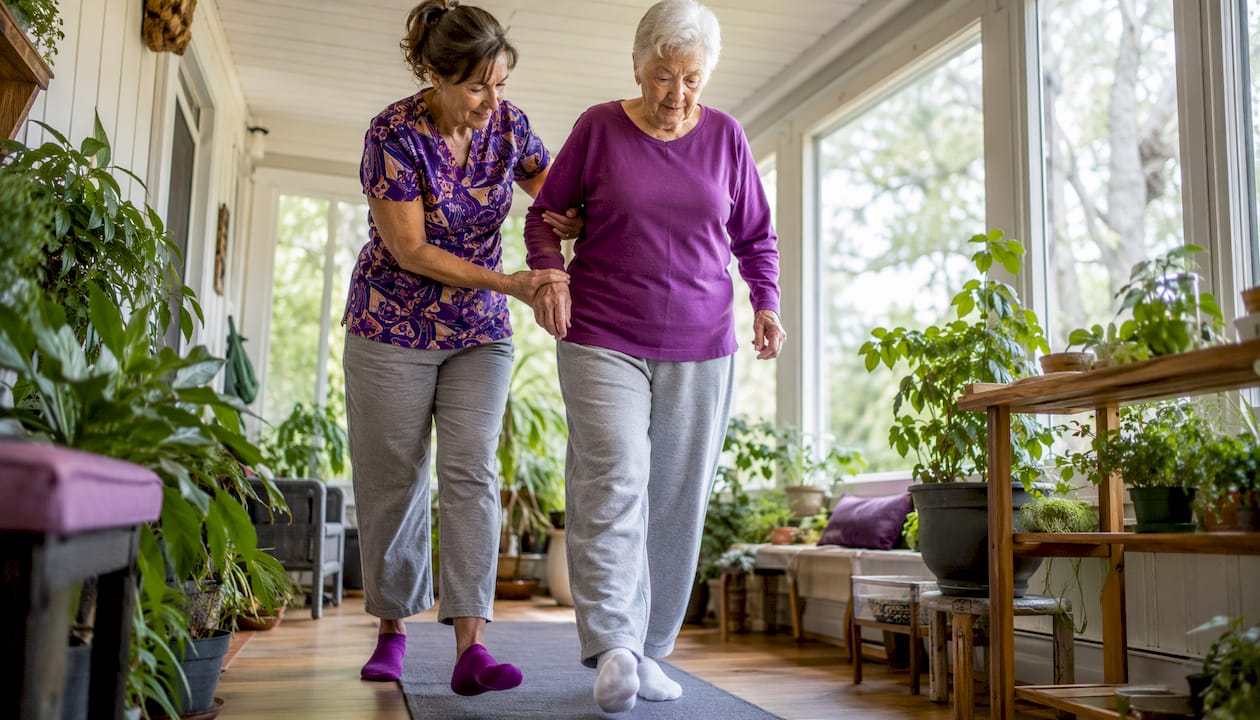
Start your recovery right: stabilize your home environment, use the right assistive device, and begin a clinician-approved balance program within the first week. The CDC STEADI program and the American Physical Therapy Association both point to the same truth: fall prevention and bone healing are not separate goals. They work together, and you can start both today.
Here is your 48-hour action list:
Swap footwear now. Wear rubber-soled, low-heeled, non-slip shoes at all times indoors and out.
Clear your walking paths. Remove loose rugs, extension cords, and anything on the floor between your bed, bathroom, and kitchen.
Request a mobility aid. Ask your clinician for a properly fitted cane or walker before you leave the hospital or clinic.
Review your medications. Tell your prescriber about any drug that makes you feel dizzy or sleepy.
Answer this question honestly: “Have you fallen in the last 12 months?” Geriatric specialists use this single screening question to identify seniors at high risk who often do not self-report falls. If the answer is yes, tell your clinician at your next visit.
Table of Contents
What should you do in the first days after a fracture?
The first 48 hours are about limiting unnecessary movement and setting up a safer space. Safe transfer technique matters most here: always lead with your unaffected leg when rising from a chair, and lower yourself slowly using both armrests. Keep your cast or brace dry and supported during any position change.
By the end of week one, schedule a vision check and a medication review. The National Institute on Aging notes that even small changes in eyesight raise fall risk significantly, and sedating medications are among the most common, correctable causes of falls in older adults. The CDC recommends yearly vision checks as a standard fall-prevention step.
Within the first month, ask for a physical therapy (PT) referral. A PT or occupational therapist can fit your assistive device correctly, teach safe transfers specific to your fracture location, and begin a phased exercise plan. Borrowing a neighbor’s walker without a proper fitting is a real risk: the NIA guidance is explicit that equipment must match your height and gait.
Pro Tip: When getting out of bed with a leg cast, sit at the edge for 30 seconds before standing. This pause lets your blood pressure stabilize and dramatically cuts the chance of dizziness-related falls.
Stat to know: The CDC reports roughly 300,000 hip fracture-related hospitalizations among older adults each year in the United States. Most are preventable with the steps above.
How does personalized balance training reduce your fall risk?
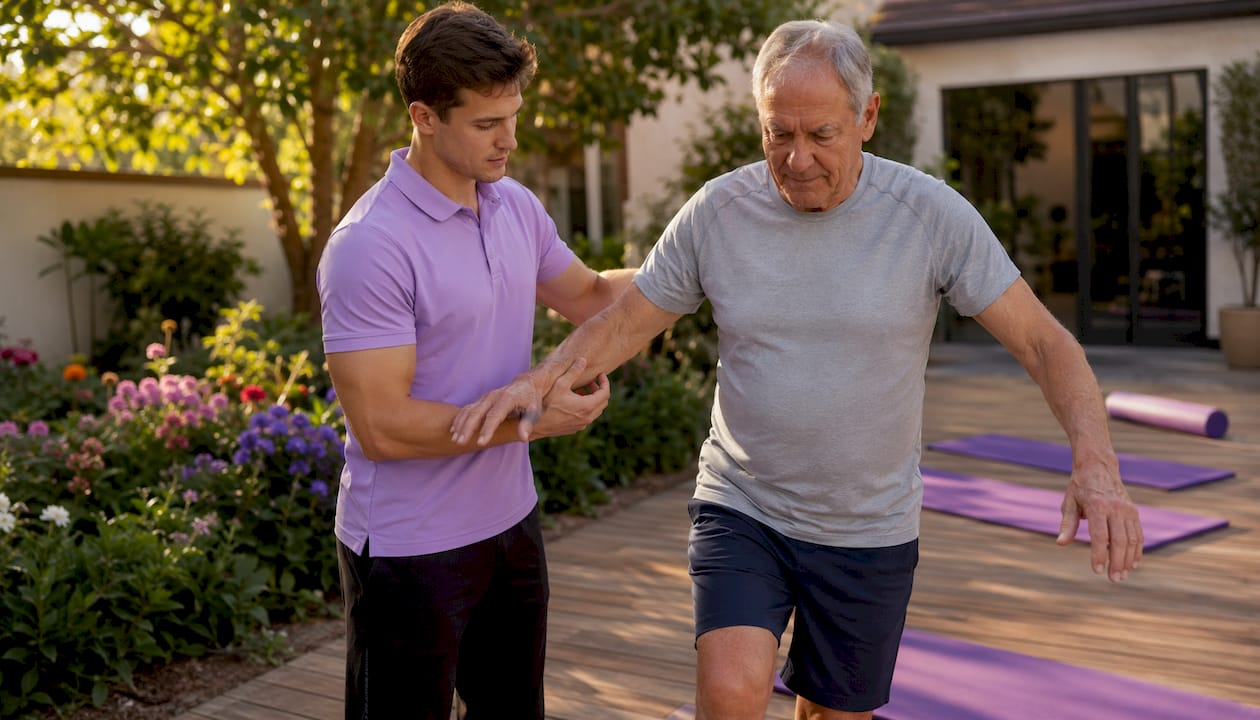
The short answer: a tailored, progressive program works far better than any generic routine. Physical therapy guidelines from the Journal of Geriatric Physical Therapy recommend multicomponent programs that include gait training, resistance work, and balance exercises for at least 6–12 months. The target dose is 150 minutes to 3 hours of multicomponent exercise weekly for 6–12 months, with progressive, sufficiently challenging balance training. Programs that combine gait, balance, resistance, and functional training can reduce fall risk by 24–35% in studies with longer follow-up. Staying active after a fracture is not optional; clinical consensus is clear that tailored activity protects bone and prevents future fractures.
Exercise type | Recommended dose | Primary benefit |
Progressive balance | At least 6–12 months duration | Shown to reduce fall rate notably |
Resistance/strength | 2x/week minimum | Builds muscle to protect bone |
Weight-bearing aerobic | 150 min–3 hr/week | Slows bone loss, improves gait |
Flexibility/stretching | — | Maintains joint mobility |
Get clinician clearance before starting, then ask for a referral to a PT or physical therapist assistant (PTA). A weight-bearing exercise routine built around your specific fracture site is the safest starting point.
Pro Tip for caregivers: Stand close but slightly behind the person during balance exercises. Offer a hand only if they begin to sway, not preemptively. Constant hand-holding prevents the challenge that makes balance training work.
How do you fall-proof your home when wearing a cast or brace?
Home modifications are one of the most underused fall-prevention tools, often addressed only after a second injury. Do not wait. A 15-minute sweep with a caregiver covers the highest-risk spots.
High-priority fixes:
Install grab bars in the shower and next to the toilet.
Replace loose rugs with non-slip mats or remove them entirely.
Add night lights between the bedroom and bathroom.
Move daily items (medications, glasses, phone) to waist height.
Place a shower seat or tub transfer bench in the bathroom.
When you are wearing a cast or brace, you also need wider turning circles. Temporarily rearrange furniture to create clear, straight paths at least 36 inches wide. Keep a charged phone and a glass of water on your bedside table so you are not tempted to get up unnecessarily at night.
Modification | Impact | Effort |
Grab bars (bath/toilet) | High | Medium (professional install) |
Remove loose rugs | High | Low |
Night lights | High | Low |
Shower seat | High | Low |
Stair handrails (both sides) | High | Medium |
Waist-height storage | Medium | Low |
For a full room-by-room plan, the home modification guide from Fracture-club walks through each area step by step.
Pro Tip: Do the sweep in the morning, not at night. Fatigue affects judgment, and you will miss hazards you would catch when alert.
What nutrition and testing support bone healing?
Protein, calcium, and vitamin D are the three pillars. Protein supports muscle maintenance and bone matrix repair. Calcium keeps bone tissue dense. Vitamin D enables calcium absorption. Without adequate vitamin D, even a high-calcium diet does little for bone strength. The Bone Health & Osteoporosis Foundation (BHOF) and CDC both recommend discussing vitamin D supplementation with your clinician, especially in winter months.
Calcium: Aim for dietary sources first (dairy, leafy greens, fortified foods). Supplements fill gaps but should be discussed with your prescriber.
Vitamin D: Most older adults benefit from a daily supplement; your clinician can order a blood test to check your level.
Protein: Target adequate daily intake from lean meats, eggs, legumes, or dairy to support muscle and bone repair.
DXA scan: If you have not had one, a fracture is a strong reason to schedule a bone density scan to screen for osteoporosis.
Medication review: Some common drugs, including sedatives, blood pressure medications, and certain antidepressants, raise fall risk. Review your full list with your prescriber.
For a deeper look at supplement choices, the bone health supplements checklist from Fracture-club covers what to ask your clinician.
CDC STEADI guidance: Medication review, vitamin D consideration, strength and balance exercises, and yearly vision checks are all recommended clinical actions to prevent falls and fractures in older adults. Ask your provider to walk through each one at your next visit.
How do you dress safely with a cast or brace?
The right clothing cuts dressing time, reduces the awkward twisting that strains healing bones, and lowers the risk of losing balance mid-task. Look for these features: side openings or magnetic zippers on pants, wide leg openings, adjustable waistbands, and front-opening or wrap-style tops.
By fracture location:
Hip or leg fracture: Pants with full-length side zippers let you dress without lifting your leg. Seated dressing on a firm chair is safer than standing.
Arm or shoulder fracture: A front-opening or side-zip sweatshirt means you never have to pull fabric over your head or rotate your shoulder.
Caregivers should assist from the affected side, supporting the limb rather than pulling on clothing. Always dress the injured side first and undress it last. This sequence protects the fracture site and keeps weight-bearing predictable.
Pro Tip: Lay out tomorrow’s clothes the night before. Fatigue and rushing are when dressing accidents happen. A few seconds of planning saves a lot of risk.
Finding emotional support during fracture recovery
Recovery is not just physical. Feeling frustrated, isolated, or anxious about falling again is completely normal, and those feelings can actually slow your rehab if they go unaddressed. Small daily goals, like completing one exercise session or making one phone call, build momentum faster than big targets.
Set one concrete goal each morning and check it off by evening.
Schedule a daily check-in with a family member, friend, or peer group.
Connect with the Fracture-club community for shared stories and encouragement from people who have been through the same experience.
If anxiety about falling is preventing you from doing your exercises, mention it to your clinician. Brief signs of depression or persistent fear that blocks rehab are worth a professional conversation.
Pro Tip: Each morning, name one thing your body did well yesterday, even if it is just “I got to the bathroom safely.” That one-minute habit shifts focus from limitation to progress.
When should you call your clinician or go to the ER?
Some symptoms need same-day or emergency attention. Others can wait for a scheduled visit. Knowing the difference keeps you safe without unnecessary trips.
Call emergency services immediately for:
Sudden severe pain, numbness, or loss of sensation in the injured limb
Signs of poor circulation (skin turning blue, cold, or mottled below the cast)
Fever above 101°F combined with wound redness or discharge
Sudden dizziness, fainting, or loss of consciousness
Schedule an urgent clinic visit for:
A new fall, even without obvious injury
Increasing pain or swelling that was not there before
Difficulty rising from a chair or walking that has gotten worse
Plan a PT referral for:
Ongoing balance problems or gait changes
Fear of falling that is limiting your activity
Caregivers: before leaving the house with a recovering senior, run a quick check. Is the assistive device fitted and within reach? Are shoes on and fastened? Is the path to the car clear? These 30 seconds matter.
Screening language to use with your clinician: “Have you fallen in the last 12 months?” and “Are you having difficulty rising from a chair or walking safely?” World guidelines recommend these questions as standard opportunistic screening in routine care.
Stat: Roughly one in four adults age 65 or older falls each year. Reporting every fall to your clinician, even a minor one, is one of the most protective things you can do.
Long-term fall prevention after you recover
Once your fracture heals, the work is not over. Vision and hearing checks belong on your annual calendar. Even modest declines in either sense raise fall risk, and new glasses or a hearing aid adjustment can make a measurable difference. The NIA recommends getting used to new eyeglasses gradually before wearing them on stairs or uneven ground.
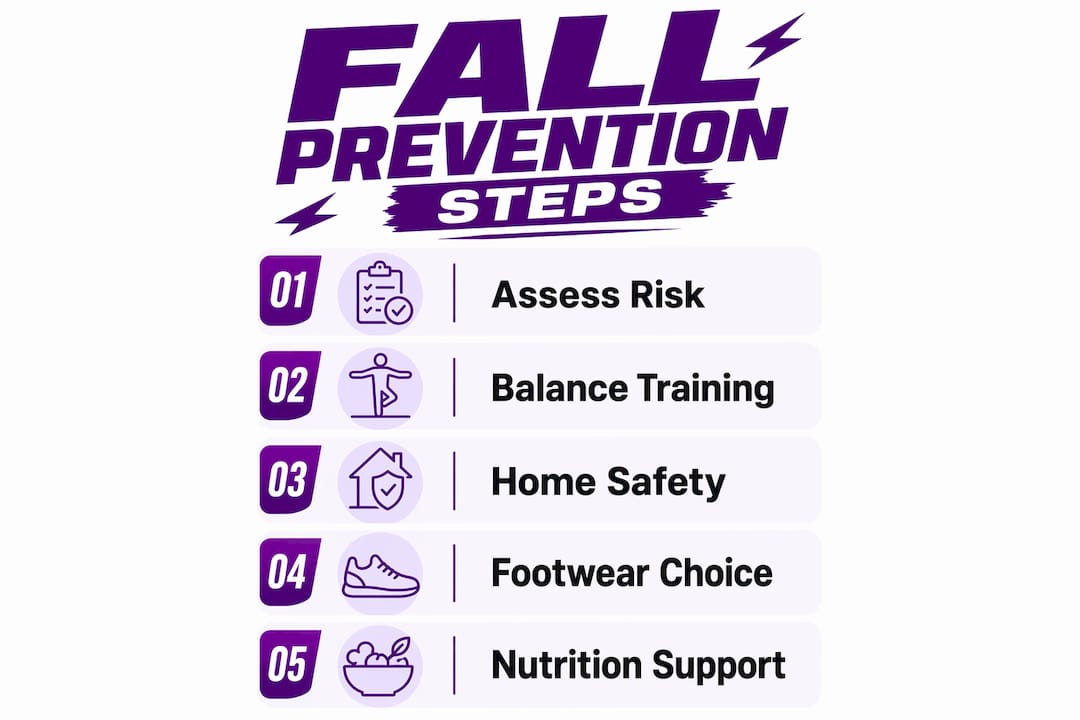
Long-term fall prevention also means keeping your exercise program going. The bone health best practices guide from Fracture-club covers the lifestyle habits that protect bone density across the years after recovery. Quitting smoking and limiting alcohol both reduce bone loss over time. Maintaining a healthy weight matters too: being underweight raises fracture risk just as much as being sedentary.
Pain management to keep you moving safely
Unmanaged pain is a fall risk. When movement hurts, people compensate with awkward postures and hesitant steps, both of which destabilize gait. Talk to your clinician about a pain management plan that keeps you functional without over-sedating you.
Non-medication options include ice or heat applied to the area (as directed), gentle range-of-motion exercises, and positioning supports like pillows under a healing limb. If you are taking opioid pain medication, be especially cautious about standing quickly or walking without your assistive device. These medications slow reaction time, and that delay is exactly when falls happen.
Which footwear actually reduces fall risk for seniors?
Shoe choice is one of the fastest, cheapest fall-prevention changes you can make. The NIA is specific: wear nonskid, rubber-soled, low-heeled shoes. Avoid smooth-soled slippers, socks on hardwood floors, and any shoe that does not fasten securely around the heel.
For seniors in a cast or brace, look for shoes with a wide toe box and adjustable closures (hook-and-loop straps work better than laces when dexterity is limited). Avoid thick, cushioned soles that reduce ground-feel, which is the sensory feedback your nervous system uses to detect uneven surfaces. A thin, firm sole with good grip gives you more stability than a thick foam one.
Nutrients beyond calcium and vitamin D that support bone healing
Bone repair draws on a wider nutritional toolkit than most people realize. Magnesium activates vitamin D and supports bone crystal formation. Vitamin K2 directs calcium into bone rather than soft tissue. Collagen provides the protein scaffold that gives bone its flexibility. Zinc and vitamin C both support collagen synthesis and bone cell activity.
You do not need a supplement for every one of these. A diet rich in leafy greens, nuts, seeds, lean protein, and citrus covers most bases. Where gaps exist, targeted supplementation guided by a clinician or registered dietitian is smarter than a generic multivitamin. The collagen and bone strength guide from Fracture-club explains how collagen fits into a broader bone-health plan.
Key Takeaways
Combining fall-risk reduction with bone-health support from day one of recovery gives you the best chance of healing fully and preventing a second fracture.
Point | Details |
Start safety changes in 48 hours | Remove rugs, wear non-slip shoes, and request a fitted assistive device before leaving the clinic. |
Progressive balance training works | Programs for 6–12 months can reduce fall risk by 24–35%; ask for a PT referral. |
Report every fall to your clinician | Even a minor fall can signal a medication or vision issue your doctor can correct. |
Nutrition supports healing | Protein, calcium, vitamin D, magnesium, and vitamin K2 all contribute to bone repair. |
Fracture-club adaptive wear | Easy-on/off pants and sweatshirts with magnetic zippers reduce dressing risk for hip, leg, arm, and shoulder fractures. |
Recovery is harder than people admit, and that matters
Here is something the clinical checklists do not say: the hardest part of fracture recovery is often not the pain. It is the feeling of being stuck between who you were before the fall and who you are right now. That gap is real, and it deserves acknowledgment.
At Fracture-club, we believe that recovery works better when you feel like yourself, not just a patient. The practical steps in this guide, the home modifications, the balance training, the nutrition basics, are all evidence-based. But they work best when you have the confidence to actually do them. Small wins matter. Getting dressed without help is a win. Completing one balance exercise is a win. Connecting with someone who has been through the same thing is a win.
The community aspect of Fracture-club exists for exactly this reason. Recovery is not a solo project, and you should not treat it like one.
Fracture-club adaptive wear makes dressing safer and easier
Dressing with a cast or brace is one of the most overlooked fall risks in recovery. Reaching, twisting, and balancing on one leg while pulling on pants are exactly the movements that cause secondary falls.
[
](fracture-club.com)
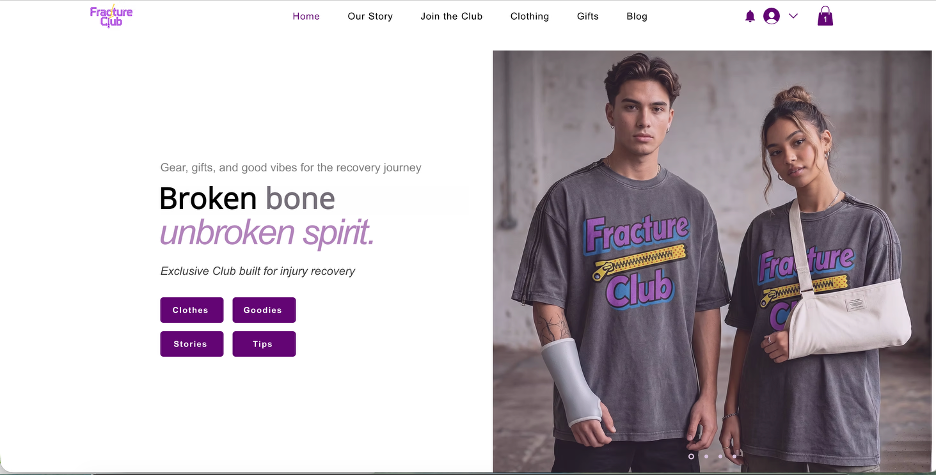
Fracture-club’s adaptive recovery pants feature full-length side magnetic zippers, so you dress seated without lifting or twisting. For arm and shoulder injuries, the easy-on/off sweatshirt opens fully at the side, eliminating the overhead pull that strains a healing shoulder. A portion of every purchase supports the Bone Health & Osteoporosis Foundation. Visit the Fracture-club shop to find the right piece for your recovery, or reach out through the inquiry page if you need help choosing.
Authoritative resources for further reading
Resource | Best used for |
CDC STEADI program | Clinician conversations, medication review, home-safety checklists |
National Institute on Aging | Exercise guidance, assistive devices, vision and hearing checks |
Journal of Geriatric Physical Therapy | PT referral criteria, exercise dose, balance training evidence |
Mayo Clinic fall prevention | Home-safety audit, caregiver tips |
Bone Health & Osteoporosis Foundation | Osteoporosis screening, DXA timing, medication options |
Key statistics:
Roughly 300,000 hip fracture-related hospitalizations occur in the United States each year (CDC).
More than one in four adults age 65 or older falls each year (NIA).
Multicomponent exercise programs can reduce fall risk by 24–35% with longer follow-up (JGPT).
Which source to use for what:
Clinician referral: CDC STEADI and APTA resources give your doctor the language to act.
Exercise program: JGPT guidelines and the NIA exercise pages are the clearest starting points.
Home-safety audit: Mayo Clinic’s fall-prevention checklist is the most practical, room-by-room resource.
Emotional support and community: Fracture-club’s community resources and the BHOF patient pages.
This article is general information, not medical advice. Confirm current recommendations and your specific situation with your clinician or a qualified healthcare professional.
Recommended
Comments