
Side vs. Front Zips for Recovery: Less Bending, Easier Access


Choose a side zip when you need fast full opening, easier transfers, or less bending, and choose a front zip when a slim, symmetrical front profile matters more than quick access. Side zips tend to win for recovery and caregiving situations. We design adaptive pieces favoring side and magnetic closures so dressing takes less effort and less strain.
TL;DR:
Before buying, test the pull with the dominant hand or caregiver’s hand, and match handedness exactly when replacing a separating zipper.
A protective flange or fabric tab keeps zipper coils off sensitive skin, so check for one near casts, braces, or healing areas.
Large zipper pulls or magnetic assists are easier to manage when limited dexterity makes a standard slider difficult, especially during seated dressing.
For boots, side zips paired with laces speed entry and exit while preserving a secure fit, and a backing tab can reduce rubbing.
Sleeping bags with side zips open flat for transfers and dry faster, while center closures keep solo use simpler.
Table of Contents
Front zips vs side zips at a glance
Before you pick a garment, it helps to see how the two placements stack up side by side.
Access: Side zips open a garment along its full length, which makes stepping in or sliding a limb through far easier than a center-front opening.
Speed: Side-zip work boots are reported by manufacturers to reduce repetitive bending and speed up donning and doffing compared with styles that require more maneuvering.
Bulk and profile: Front zips sit flat and centered, supporting a cleaner silhouette, while side zips can add a bit of bulk along the hip or ankle seam.
Repairability: Both styles are repairable, but matching the zipper’s handedness matters more on side and outseam placements where replacement parts need to match the original pull direction.
Mobility fit: For limited mobility, side openings generally require less twisting and bending than reaching across the body to a center-front pull.
One in, one out: Before buying, check which side the zipper pull sits on when the garment is worn. That single detail tells you whether it will suit your dominant hand or a caregiver’s.
Comfort and fit: how placement affects pressure points and layering
Where a zipper sits changes how a garment feels against your body, not just how it looks. A center-front zipper runs straight down the chest or stomach, and when you layer a sweater or brace underneath, that hard seam can press right where you least want pressure. For anyone wearing a cast or support garment close to the torso, that front ridge can turn into a real irritation point by the end of the day.
Side and outseam zippers move that hardware away from the front, which helps with layering, but they introduce their own tradeoff: added bulk along the hip, thigh, or ankle seam, especially in pants or boots. The fix in both cases usually comes down to construction. Sewing guides for centered and lapped zipper applications describe seam allowance and finishing techniques that keep the zipper from sitting directly against skin, and well-made adaptive garments often add internal flanges or fabric tabs for the same reason. These small details decide whether a zipper feels like part of the garment or like something you have to work around all day.
Access and ease: donning, doffing, and transfers
If dressing quickly and with less strain is your priority, placement matters more than almost anything else. Side zips and outseam openings are the standard choice for situations where full access counts, which is why side-zip sleeping bags and side-zip pants show up so often in recovery and caregiving contexts. Front zips still have a place when a single-handed, symmetrical closure is simpler to manage, particularly on lighter jackets or tops.
The clearest evidence comes from work-boot design. Manufacturers point to side-zip boots as a way to cut down on repetitive bending and physical strain during donning and doffing, while laces on the same boot preserve a secure fit. That same logic carries over to clothing: a side opening lets you step in rather than wrestle a limb through a narrow front gap.
A few practical habits make any zipper easier to manage:
Orient the pull toward your dominant hand, or a caregiver’s, whenever the garment allows a choice.
Favor large pulls or magnetic closures when fine motor control is limited.
Look for a protective tab behind the zipper coil to prevent rubbing at the ankle or waistband.
Pro Tip: Test the zipper pull with the hand you’ll actually be using before you buy, not just the hand that feels natural in the store.
Construction notes: handedness, lapped seams, and protective features
A few technical details decide whether a zipper will actually work for your body and your routine. Handedness is the first thing to check: a zipper’s “hand” is set by which side the pull sits on when worn, and whether the insertion pin or the box sits on the slider side. As LuxZipper explains, the old “women on the left, men on the right” rule is really just an American convention, not a functional requirement, and most adaptive brands choose orientation by what actually works for the wearer. If you’re replacing an open-end zipper, matching that handedness exactly is non-negotiable: a left-hand insert will not close into a right-hand box.
Construction style matters too. Garments typically use either a centered application, where the zipper sits symmetrically under two folded edges, or a lapped application, common at side seams, where one side of fabric overlaps the other. Sewing guides on centered and lapped zippers lay out seam allowance differences between the two. On the protective side, patent filings for outseam pant zippers describe flanges and fabric tabs that cover the coil and keep it off the skin while still allowing the garment to open fully. When you’re shopping, a lined or flanged zipper is worth seeking out if your skin is sensitive or healing.

Use cases by garment type
The right placement depends heavily on what you’re wearing and why.
Sleeping bags: Side zips allow the bag to open flat for transfers and faster drying, while front or center seals keep things simple for solo use.
Pants: Outseam or side zips let the leg open fully for easier dressing, and patented flange designs add comfort by keeping the coil away from skin.
Boots: A side zip paired with laces keeps the fit secure while speeding up entry and exit; a protective tab behind the zipper reduces long-term rubbing.
Jackets and everyday wear: Front zips keep a neat, symmetrical profile, which is usually the priority for casual and technical outerwear alike.
Adaptive wear: Side zips or magnetic side closures tend to work best during recovery, since they cut down on bending and reaching.
How to choose: a quick decision checklist
Start with your actual job to be done. If you’re buying for recovery, caregiving, or any situation where speed and reduced bending matter, side or magnetic closures should be your default. If a slim, symmetrical front profile or weatherproofing is the priority, a front zip is usually the better fit.

From there, work through a short checklist. Confirm the zipper’s orientation matches your dominant hand, or the hand of whoever will be helping you dress. Check for a protective flange or lining if your skin is sensitive, and favor large pulls or magnetic assists when dexterity is limited. If recovery is the main reason you’re shopping, look closely at product photos and specs for side-seam construction before you buy. Our guide on dressing in under two minutes walks through these same priorities with occupational-therapy informed steps. If fabric weight or garment cut is part of your decision, this guide to garment measurements is a useful reference for understanding how cut interacts with closure placement.
Why zipper placement matters for recovery-focused clothing
Our designs prioritize less bending, one-handed dressing, and protecting skin from hardware. Community feedback encourages side and magnetic closures over standard front zips, as these work better when a cast or brace limits range of motion. A portion of proceeds supports the Bone Health & Osteoporosis Foundation.
— Fracture
Find easier dressing with Fracture Club’s side-zip and magnetic designs
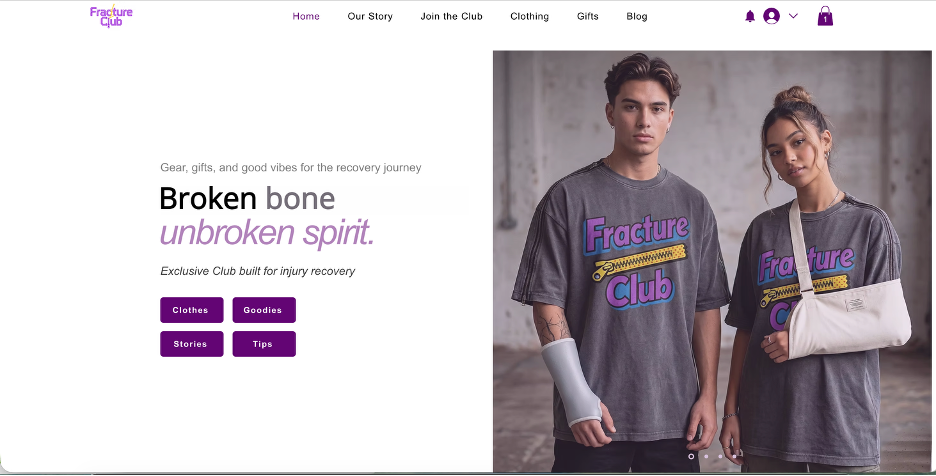
If this comparison has you leaning toward side or magnetic closures, our Fracture Club pieces put that design to work. Our unisex easy-on/off pants use side magnetic zippers instead of a front closure, so you can dress while seated, without reaching across your body. Our easy-on/off sweatshirt follows the same logic for upper-body recovery.
[
](fracture-club.com)
One-handed dressing without needing a second person for every step.
Reduced bending, especially helpful with a lower-limb cast or brace.
Protective construction details that keep hardware away from sensitive skin.
Product | Closure type | Best for |
Side magnetic zipper | Lower-limb recovery, seated dressing | |
Easy-on/off closure | Upper-limb injury, shoulder or arm recovery |
We design from lived experience with injury, not just a design brief, and that shows up in details you’d only notice once you’re wearing a cast yourself. Browse our side magnetic zipper pants or reach out through our inquiry page if you have questions about sizing or fit during recovery.
FAQ
Are zippers traditionally placed on a specific side for women?
In the United States, a left-side zipper has traditionally been used on women’s garments and a right-side zipper on men’s, but this is a sewing convention rather than a functional rule. Many brands, including adaptive clothing makers, now choose orientation based on ease of dressing rather than this older tradition.
What are the three main types of zipper applications?
Garment construction typically refers to centered, lapped, and invisible zipper applications. Centered and lapped applications are the two most common for everyday clothing, with lapped applications frequently used at side seams and pants openings.
Which side are men’s zippers usually on?
Men’s zippers are conventionally placed with the pull on the right side when worn, following a long-standing American sewing convention. This placement is a tradition rather than a technical requirement, and plenty of modern garments do not follow it.
How do you tell which way a zipper is supposed to face?
A zipper’s direction, or handedness, is determined by which side the insertion pin sits on relative to the slider when the garment is worn. This detail matters most when replacing a separating zipper, since a mismatched pin and box will not close correctly.
Why do some adaptive clothing brands prefer side zips over front zips?
Side zips allow a garment to open along its full length, which reduces the bending and reaching that a center-front zipper often requires. We favor side and magnetic closures in our own designs specifically because they support faster, easier dressing during recovery.
Sources
Recommended
Comments