
Dress One Handed: When Magnetic Closures Beat Zippers for Recovery

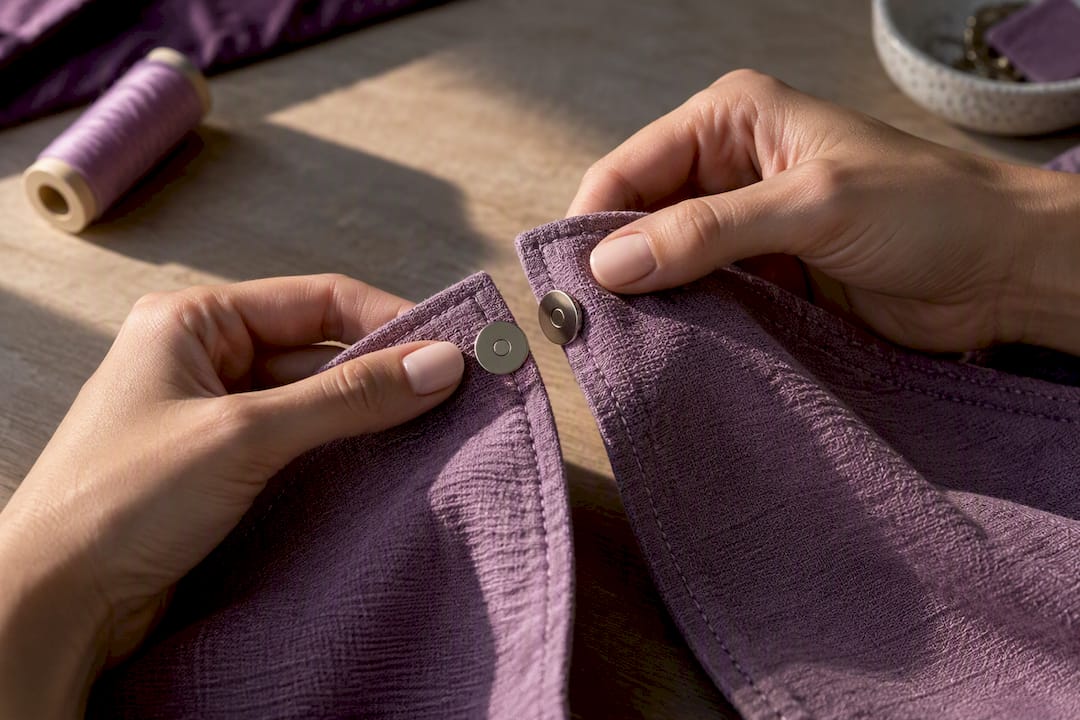
Pick magnets when you need speed, quiet, and one-handed access on small pockets or light-use items. Pick a zipper when security, weather protection, or holding heavier contents matters more than convenience. Most well-designed products actually split the difference: a zipper on the main compartment, magnets on the pockets you reach for constantly. If you’re dressing around a cast, brace, or limited grip strength, that hybrid pattern is exactly what some adaptive recovery wear designs incorporate.
TL;DR:
Magnets are ideal for quick, one-handed access on light items but can wear out or damage thin fabrics over time.
Zippers provide superior containment and security, especially in harsh environments or for heavy loads, but are more prone to failure from debris or wear.
Hybrid closures, combining zippers for main compartments with magnets on pockets, offer practical benefits for those requiring ease of use and security.
Magents tend to degrade from corrosion or debris, while zippers last longer with regular cleaning and proper brand selection.
Adaptive recovery wear often features magnetic-assisted zippers positioned for easy dressing, promoting independence during healing.
Table of Contents
Magnetic vs Zipper Closures by Product and Situation
The right closure depends less on personal taste and more on what you’re actually carrying and how you move through your day. A commuter bag stuffed with a laptop and wallet has different needs than a travel case or a shirt you’re trying to button with one working hand.
Evening bag or clutch: Magnetic snap. Light contents, quick access, and no bulky zipper pull ruining the silhouette.
Commuter bag or work tote: Zipper on the main compartment. Crowded transit and pickpocket risk make a sealed opening worth the extra half-second.
Travel case or device sleeve: Zipper, especially for anything active or exposed to rough handling. Presentation-focused, lightweight cases can lean on a magnetic flap instead.
Adaptive apparel for recovery: Magnetic-assisted zippers or magnetic snaps at the waist and sides, so dressing doesn’t require two functioning hands.
Wet or dusty environments: Zipper, generally, because it protects the interior better than an open-seam magnetic flap.
When in doubt, the hybrid approach wins. It’s why so many well-built bags pair a zipper for the main compartment with magnetic pockets for the things you grab without thinking.
What Magnetic Closures Do Well (and Where They Fall Short)
Magnets earn their reputation for convenience. There’s no fumbling with a slider, no snagging fabric, and no metallic zzzip announcing that you’re digging through your bag in a quiet room. For anyone dressing with a brace, sling, or limited finger dexterity, that one-handed ease isn’t a luxury. It’s the difference between managing on your own and needing help every time you get dressed.
The tradeoffs are real, though. Magnetic snaps aren’t built to contain heavy or overstuffed compartments, and on thin leather or PU panels, repeated use can leave visible pressure rings or eventually tear through a poorly backed snap.
Fast, silent, one-handed operation.
Not a substitute for a lock on high-value or bulky compartments.
Can wear or mark thin fabric over time if the backing is weak.
Sew-in magnetic sets (commonly sized around 14 to 18 millimeters) install between fabric layers without cutting into the material, which also makes them easier to replace later.
Pro Tip: Press on the fabric around a magnetic snap before you buy. If you can feel the magnet’s edges sharply through a single layer of material, the backing is too thin and will wear faster than a reinforced one.
Zipper Closure Benefits and Common Failure Points
A zipper’s biggest advantage is containment. A continuous, sealed track keeps contents in and hands out, which is why zippers generally outperform magnets on security and spill protection. That matters more on a commuter bag than a clutch, and it matters even more on outdoor gear or travel cases that take a beating.
Zippers fail in predictable ways: teeth misalign, sliders wear loose, or coil teeth jam when debris gets caught in the track. Cheap unbranded zippers fail faster than branded ones.
Superior containment and spill resistance versus magnetic snaps.
Failure modes include slider wear, teeth misalignment, and jamming from debris.
Heavier zipper tape can add bulk to a design, which matters on lightweight garments.
Branded zippers like YKK, in the appropriate size for the load (a light No.3 coil for a pocket versus a heavier No.5 or metal zipper for a main compartment), tend to hold up longer than generic alternatives.
Pro Tip: If a zipper slider feels loose or wiggly on the teeth before you’ve even used the product, that’s a manufacturing shortcut, not a break-in period. It’ll only get worse.
How Do Magnets and Zippers Actually Work?
A magnetic snap closure is two magnetized discs, one on each side of an opening, that pull together when brought close. Sew-in versions sit between fabric layers, while magnetic snaps sit on the surface. Suppliers like Buckleguy list high-strength magnets in sizes from 10 to 18 millimeters, and pull strength generally scales with disc size, so a bigger magnet holds a heavier flap more reliably.
Zippers come in families that matter more than most shoppers realize. Coil zippers (often labeled No.3 or No.5) use a nylon or polyester spiral, metal zippers use individual metal teeth, and molded plastic zippers use one-piece plastic teeth fused to the tape. The zipper family matters less than the brand and tape quality, since durability tracks more closely with construction quality than with material type alone. Look for reinforced tape stitching and a smooth-pulling slider as your quality signals on either closure type.
Safety and Longevity: What Actually Wears Out
Magnets lose holding strength gradually, usually from corrosion, metal debris buildup on the disc face, or a backing that flexes and loosens the mount over time. Keeping magnetic snaps away from metal shavings and moisture extends their working life considerably. Zippers, by contrast, tend to hold up better in wet or dusty conditions than an open magnetic flap, though a light silicone lubricant on the teeth and regular cleaning of the track prevents most jamming issues.
There’s a medical consideration too. If you or someone you’re shopping for has a pacemaker or another implanted device, check Fracture-club’s guidance on magnetic closures and pacemaker safety before choosing magnetic-fastened apparel, and talk with a healthcare provider directly about your specific device. Small, strong magnets also carry an ingestion risk that Fracture-club addresses in more detail, which matters if kids or pets are in the house.
Magnets: watch for corrosion, metal debris, and weak backing as wear accelerates.
Zippers: clean tracks regularly and apply light lubricant to prevent jamming.
Anyone with an implanted medical device should get individual guidance before choosing magnetic apparel.
A Buyer’s Checklist Before You Choose a Closure
Before you commit to either closure, run through a few honest questions about how you’ll actually use the product.
What are you carrying? Heavy or valuable contents favor a zipper; light, quick-grab items favor a magnet.
How often do you access it? Frequent one-handed access (think phone pockets or recovery apparel) tips toward magnetic.
What environment will it face? Rain, dust, or rough travel favor a sealed zipper track.
Do you need one-handed operation? If dexterity or grip strength is limited, magnets reduce daily frustration significantly.
What’s the manufacturer’s repair policy? Sew-in magnets are easier to replace than a fused zipper slider, so ask before buying.
Watch for these red flags on any product page or in-store: magnets used as the sole closure on a large main compartment, visible puncture marks or stretching around a magnetic snap, and unbranded zippers with no stated coil size or material.
Pro Tip: Ask the manufacturer directly whether magnets can be replaced without professional repair. A “yes” usually means sew-in construction; a vague answer usually means they’re glued or riveted in place.
Does Closure Type Change What You Should Pay?
Closure hardware is a small line item in manufacturing, but it shapes price in ways that aren’t always obvious on a product page. A basic magnetic snap costs a manufacturer only a little more than a mid-grade zipper, so closure type alone rarely explains a big price gap between two similar bags or garments.
What actually drives cost is quality within each category. A generic unbranded zipper costs a fraction of a branded YKK zipper in the same size, and that difference shows up in how long the slider lasts before it starts skipping teeth. Sew-in magnetic sets in the 14 to 18 millimeter range cost more than the smallest surface-mount snaps, but they also install more securely and hold up better under regular use, which matters if you’re buying something you’ll use daily rather than occasionally.
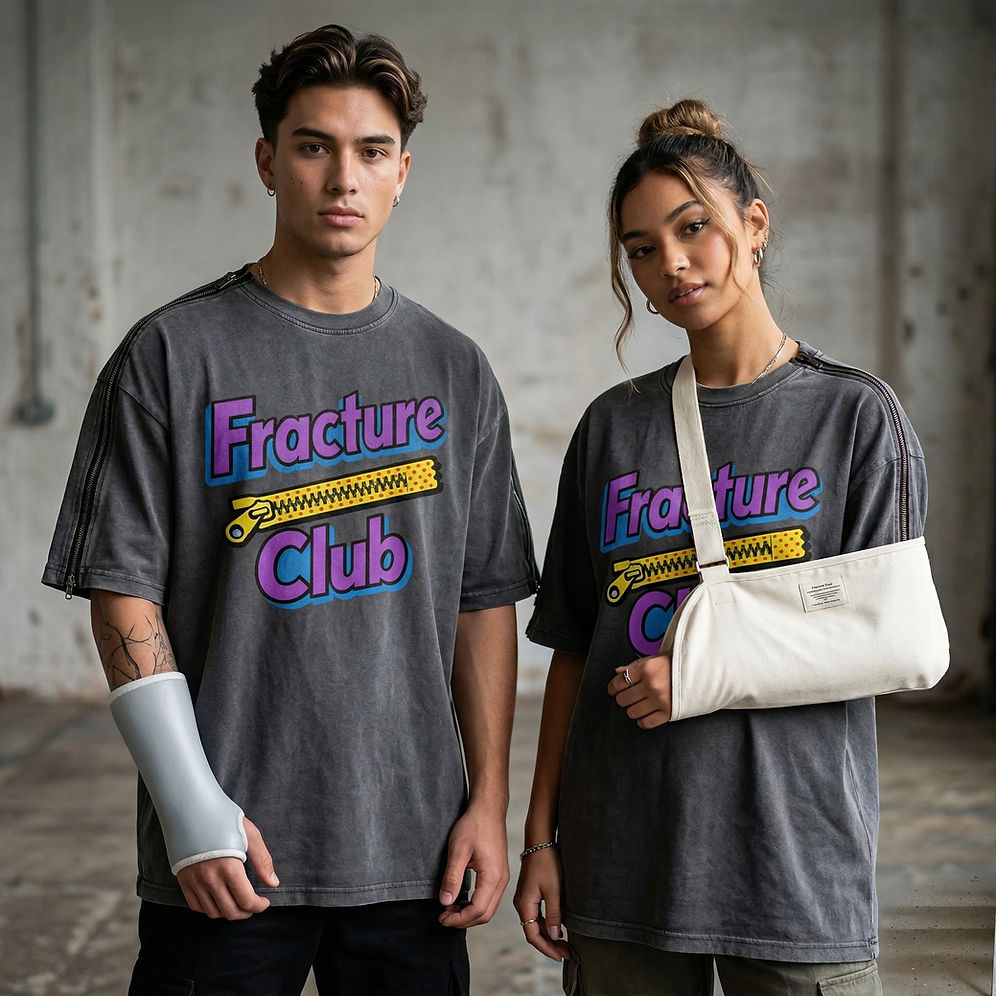
For adaptive apparel specifically, the closure often reflects design investment more than raw material cost. Building a garment around a side-seam magnetic zipper, so it opens flat for easy dressing over a cast or brace, takes more pattern work than a standard back zipper. That’s a labor and design cost, not a hardware cost, and it’s worth paying for if the alternative is struggling to get dressed independently every morning.
[
](https://fracture-club.com/product-page/fracture-club-magnetic-shoulder-zip-tee-injury-recovery-wear)
If you’re comparing two similar products at very different price points, ask what specifically justifies the gap: is it the closure brand and size, the backing reinforcement, or something else entirely? A vague answer is itself useful information.
Fracture-Club’s Perspective: Closures Built for How Recovery Actually Feels
Getting dressed with a cast, a brace, or a stiff shoulder isn’t just inconvenient. It’s a daily reminder of what you can’t do right now, and a poorly designed closure makes that worse every single time you struggle with it. That’s the problem Fracture-club designs around.
Side magnetic zippers let a garment open flat, so you can step or slide in without twisting a healing joint, then close it with one hand and minimal grip strength. A magnetic zipper pant built this way turns a two-person dressing routine into something you can manage alone. That independence matters as much as the physical healing does.
We stay within what magnets and zippers can actually do well. A magnetic-assisted seam handles quick, low-stress opening and closing. It’s not marketed as a security feature, because that’s not the job it’s built for.
— Fracture
A Closure That Helps You Dress Without Asking for Help
If you’ve read this far while shopping for yourself or someone recovering from surgery or a fracture, you already know why the closure matters more than the fabric or the color. Fracture-club builds its recovery wear around that exact need, with magnetic-assisted zippers placed where dressing independence matters most instead of wherever looks good on a hanger.
[
](fracture-club.com)
The adaptive recovery pants with side magnetic zippers show the approach in action. Each side opens flat with a light one-handed pull, then closes securely once you’re dressed. It’s a small design detail that changes how your whole morning goes.
Browse the full recovery wear and gift collection to see how the same thinking shows up across shirts, pants, and the recovery gifts built around them. If you’re not sure which garment fits your specific injury or mobility level, reach out through Fracture-club’s inquiry page and ask before you buy.
Sources
FAQ
Are Magnetic Catches Better Than Latches or Zippers?
Magnetic catches are faster and quieter for light, frequent access, but they don’t match a zipper’s containment and security on larger or heavier compartments. The better closure depends on what you’re storing and how often you need one-handed access.
Can I Replace My Zipper With Magnets?
You can on small pockets or light-use panels, but replacing a main-compartment zipper with magnets usually reduces security and containment. A hybrid setup, keeping the zipper for the main space and adding magnets to an accessory pocket, is generally the safer swap.
Are Magnetic Closures Safe to Use?
Magnetic closures are safe for most people, but anyone with a pacemaker or another implanted medical device should review specific guidance and talk with a healthcare provider first. Small, strong magnets also pose an ingestion risk around young children and should be kept out of reach.
What Are the Different Types of Zipper Closures?
The main zipper families are coil (often sized No.3 or No.5), metal tooth, and molded plastic, with the size and brand mattering more for durability than the material type alone. Branded zippers like YKK in an appropriately sized coil generally outlast generic alternatives on the same product.
Recommended
Comments