
How Foundations Shape Caregiver Support in the U.S.
- T. Armstrong

- Aug 10
- 14 min read
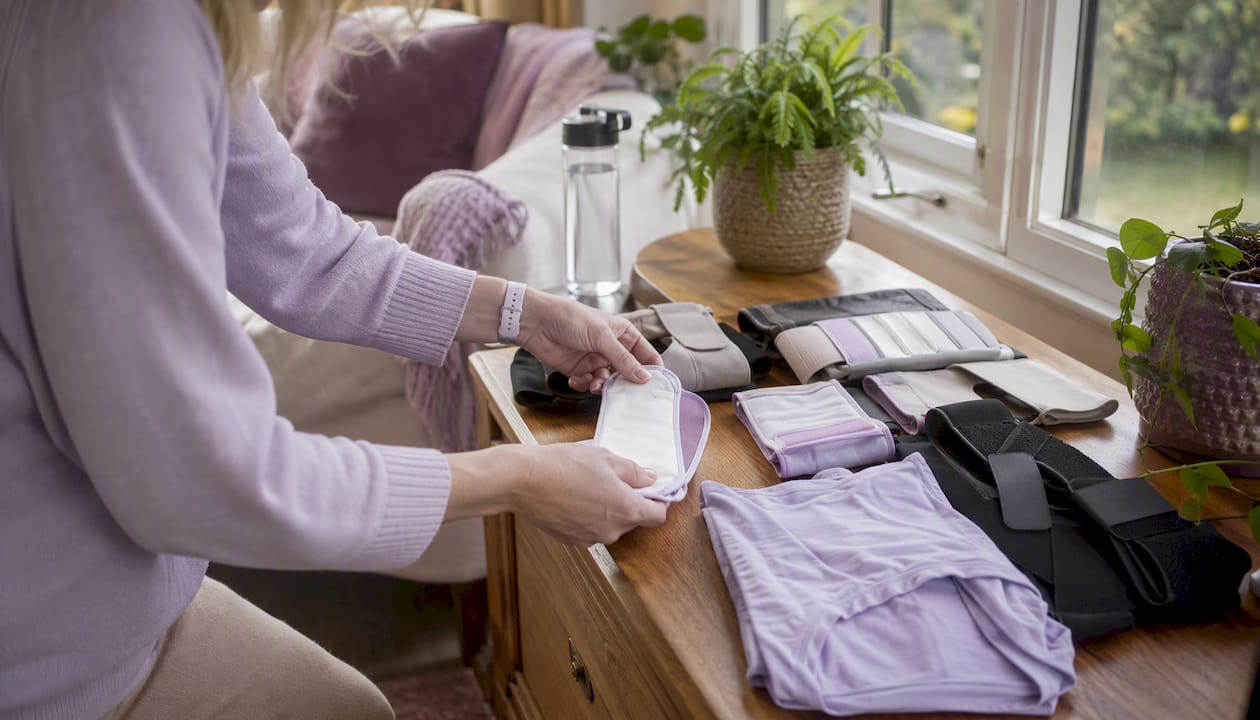
Philanthropic foundations fund direct services, build systems, and drive policy change so family and unpaid caregivers can access respite, training, navigation, and sustainable supports. The role of foundations in caregiver support spans three high-level functions: writing grants for hands-on programs like adult day services and respite care, investing in systems change through workforce development and technology, and funding the advocacy work that translates national strategy into local action.
The most common grant activities you’ll find across U.S. funders include:
Respite and adult day services that give caregivers a real break while keeping care recipients safe and engaged
Training, education, and caregiver navigation programs that help families understand their options and access services
Research and evaluation that builds the evidence base funders need to scale what works
If you’re a family caregiver, start with the Family Caregiver Alliance and the Southern Caregiver Resource Center to find foundation-funded services near you. If you’re a nonprofit, prepare a capability snapshot and a concise logic model before you contact any funder. Both the National Academies’ Families Caring for an Aging America report and the 2022 National Strategy to Support Family Caregivers set the policy framework that most major funders, including Grantmakers in Aging, now work within.
Key Takeaways
Foundations fund direct services, build systems, and drive policy change to make caregiver support sustainable at the community level across the United States.
Point | Details |
Three core foundation roles | Foundations fund direct services, invest in systems change, and drive policy advocacy for caregivers. |
Archstone’s scale | Archstone Foundation invested more than $11 million across 113 grants in California caregiver programs. |
Exhale Initiative outcomes | The Exhale Family Caregiver Initiative supported 16 respite projects and reported positive caregiver stress reductions. |
How to access services | Family caregivers should start with the Family Caregiver Alliance and their local Area Agency on Aging. |
Fracture-club’s role | Fracture-club offers adaptive recovery clothing and nonprofit partnership options that complement foundation-funded caregiver programs. |
Table of Contents
How foundations influence policy and turn national strategy into local action
What specific U.S. foundations have funded and what happened
How foundations measure impact in caregiver-support grantmaking
Practical steps for caregivers, nonprofits, and community groups to engage foundations
How grants connect to adaptive products and direct caregiver relief
How to find and use foundation-funded resources as a family caregiver
Fracture-club’s perspective on philanthropy and caregiver supports
Adaptive recovery clothing as a practical complement to foundation-funded care
Why foundations are stepping up for caregivers right now
The scale of unpaid caregiving in the United States is staggering. Tens of millions of Americans provide unpaid care to an older adult or person with a disability, and the demographic pressure is only growing as Baby Boomers age into their 80s. The caregiver supply is not keeping pace with demand, and the gap between what families need and what government programs currently provide is wide enough to swallow entire communities.
Two policy milestones reshaped how funders think about this gap. The National Academies’ Families Caring for an Aging America report, published in 2016, gave the field a rigorous evidence base and a clear call to action: health and social service systems needed to identify, assess, and actively support family caregivers, not just the people they care for. Then the 2022 National Strategy to Support Family Caregivers gave the federal government’s formal endorsement to that vision, outlining goals across five pillars: awareness, inclusion, support, financial security, and workplace policies.
Government strategy, though, does not automatically become local programming. That translation gap is exactly where philanthropy steps in. Foundations can move faster than federal agencies, take risks on unproven models, and convene the cross-sector partners that no single agency can pull together on its own. The Philanthropic Initiative documents how more than 40 foundations have shifted toward collaborative, systemic investment in caregiving, treating philanthropy as a catalyst rather than a stopgap.
Key figure: The 2022 National Strategy to Support Family Caregivers identified family caregiving as a national priority requiring coordinated action across health, aging, and social service systems.
The result is a philanthropic ecosystem where foundations are not simply writing checks for individual programs. They are funding the infrastructure, the evidence, and the advocacy that make sustainable caregiver support possible at scale.
Core program types and funding approaches foundations use
Foundations fund a wide spectrum of caregiver-support activities. Understanding the categories helps caregivers know what to look for and helps nonprofits frame the right ask.
Direct service grants cover the programs families feel most immediately: respite care, adult day services, in-home support, and emergency backup care. These grants put hours of relief directly into a caregiver’s week.
Training and education grants fund workshops, online courses, and peer-support groups that help caregivers build skills, reduce isolation, and navigate complex medical decisions with more confidence.
Navigation and helplines connect caregivers to the services that already exist. Many families simply don’t know what’s available. Foundation-funded navigators and resource hotlines close that information gap.
Workforce development grants address the paid care workforce that supports unpaid caregivers indirectly, training home health aides, care coordinators, and social workers who work alongside families.
Research and evaluation funding generates the evidence that justifies public investment. Without it, promising programs stay small.
Capacity-building and infrastructure grants help nonprofits strengthen their operations, data systems, and leadership so they can sustain programs beyond the initial grant period.
Advocacy and policy grants fund the coalition work, legislative briefings, and public communications that make caregiving visible to policymakers and payers.
Foundations use several funding shapes to deploy these dollars. Seed grants test new ideas with minimal commitment. Multi-year operating support stabilizes organizations that have already proven their model. Pooled or collaborative grantmaking lets multiple funders combine resources for regional initiatives that no single foundation could sustain. Challenge grants and contracts for evaluation round out the toolkit.
Pro Tip: When approaching a funder, ask for multi-year or capacity-building support rather than a one-time project grant. Funders who prioritize sustainability want to see a credible path beyond their dollars, and a three-year ask with a clear revenue-diversification plan signals organizational maturity.
Program Type | Typical Activities Funded | Who Benefits Most |
Respite and adult day services | Structured day programs, in-home respite, emergency backup care | Dementia caregivers, low-income caregivers, rural caregivers |
Training and education | Skill-building workshops, online modules, peer groups | All family caregivers, especially new or isolated caregivers |
Navigation and helplines | Resource hotlines, care coordinators, online portals | Caregivers with limited health literacy or system access |
Workforce development | Aide training, care coordinator certification, social work capacity | Veteran caregivers, caregivers of people with complex needs |
Research and evaluation | Surveys, implementation studies, cost-benefit analyses | Funders, policymakers, and the broader field |
Capacity-building | Data systems, leadership development, organizational infrastructure | Nonprofits serving low-income or rural caregivers |
Advocacy and policy | Coalition building, legislative briefings, public messaging | All caregivers through systemic change |
How foundations influence policy and turn national strategy into local action
Foundations do more than fund programs. They fund the conditions that make programs possible and sustainable. That means investing in the policy environment itself.
The most direct approach is funding policy research and advocacy organizations that make caregiving visible to legislators and payers. When a state Medicaid agency considers adding a caregiver assessment requirement, it’s often foundation-funded research that supplies the evidence and foundation-funded advocates who show up to the hearing.
Foundations also fund state caregiver task forces, which translate federal guidance into actionable state-level plans. These task forces bring together health departments, aging agencies, employers, and nonprofits to identify gaps and coordinate responses. The RRF Foundation for Aging explicitly prioritizes cross-sector partnerships and system-level solutions, recognizing that no single sector can solve the caregiving challenge alone.
Pilot demonstration projects are another powerful tool. A foundation funds a two-year demonstration of a caregiver navigation model in three counties. The evaluation shows reduced emergency department visits and improved caregiver wellbeing. That evidence then becomes the argument for a state contract or a Medicaid waiver amendment.
“Health philanthropy views itself as a catalyst and connector — funders invest not only dollars but also convening power, evaluation, and communications to make caregivers visible to health systems and policymakers.” — Grantmakers In Health
Advocacy tactics foundations commonly fund include policy research and white papers, coalition building across aging and disability organizations, public awareness campaigns that shift how caregiving is perceived, and legislative briefings that give policymakers the data they need to act.
What specific U.S. foundations have funded and what happened
The foundations doing the most visible work in caregiver support each bring a distinct focus and funding model.
The John A. Hartford Foundation centers its grantmaking on improving health systems’ ability to identify, assess, and support family caregivers. Its strategy works in direct partnership with the 2022 National Strategy to Support Family Caregivers, funding health system transformation, provider training, and the development of caregiver assessment tools that can be embedded in clinical workflows. The Hartford Foundation’s family caregiving strategy is one of the clearest examples of philanthropy translating national policy into practice at the health system level.
Archstone Foundation invested more than $11 million across 113 grants in family caregiving programs in California. Its work included a dedicated RFP to strengthen adult day services, multi-year grants for respite and training programs, and funding for a caregiver module added to the California Health Interview Survey, which gave the state its first large-scale data on caregiver demographics and needs. That survey data then informed subsequent program planning and policy decisions. The Archstone Foundation’s family caregiving legacy is a model of how a regional foundation can build an evidence base while funding direct services simultaneously.
Elizabeth Dole Foundation focuses specifically on military and veteran caregivers, a population that faces unique stressors and has historically been underserved by mainstream aging programs. Its grants fund respite, peer support, and capacity-building for organizations serving this community.
Ralph C. Wilson Jr. Foundation has made respite a strategic health intervention, funding programs in the Great Lakes region with an emphasis on human-centered design and flexible delivery. Its caregiver grantmaking reflects the growing evidence that well-designed respite programs can meaningfully reduce caregiver stress and extend long-term caregiving capacity.
Family Caregiver Alliance operates as both a direct-service organization and a national resource hub. Its model, which includes assessment, care planning, counseling vouchers, and training, demonstrates how foundation support can amplify nonprofit service delivery at scale.
The Exhale Family Caregiver Initiative, documented by Grantmakers In Health, supported 16 respite projects and reported positive caregiver outcomes including reductions in stress and an increased sense of support. Exhale is also a strong example of collaborative or pooled funding, where multiple foundations combine resources to fund a regional initiative that no single funder could sustain alone.
Foundation | Focus Areas | Notable Grants or Programs | Geographic Reach |
Health system transformation, caregiver assessment | National strategy implementation, provider training | National | |
Adult day services, respite, caregiver data | $11M+ across 113 grants, California Health Interview Survey module | California | |
Elizabeth Dole Foundation | Veteran and military caregivers | Respite, peer support, capacity-building | National |
Respite as health intervention | Human-centered respite programs | Great Lakes region | |
Direct services, national resource hub | Assessment, counseling vouchers, training | National (direct services in California) |
How foundations measure impact in caregiver-support grantmaking
Funders don’t just write checks and walk away. Evaluation is built into most serious caregiver-support grants, and the metrics foundations track have become more sophisticated over time.
Outcome metrics are the gold standard. These include caregiver stress and burden scores measured by validated instruments, caregiver wellbeing surveys administered before and after program participation, respite hours delivered and utilized, and rates of care recipients remaining at home rather than entering institutional care.
Process metrics track whether programs are running as designed: service uptake rates, number of caregivers served, training completion rates, and navigator contacts per month.
Sustainability indicators matter as much as short-term outcomes. Funders want to know whether a program can survive beyond the grant period, which means tracking revenue diversification, organizational capacity, and policy adoption.
The National Academies’ Families Caring for an Aging America report established the evidence base for adult day services and caregiver assessments, giving foundations a credible framework for designing and evaluating their grants.
Common evaluation methods include pre/post surveys for caregiver wellbeing, implementation evaluations that assess fidelity to program models, and cost-benefit studies that estimate health system savings from reduced emergency department use or delayed nursing home placement. Randomized controlled trials are used where feasible, though the practical constraints of community-based programs often make quasi-experimental or observational designs more realistic.
For nonprofits, designing an evaluation plan a funder will value means:
Selecting validated caregiver burden instruments (the Zarit Burden Interview is widely used)
Building data collection into program delivery from day one, not as an afterthought
Planning for a comparison group or at minimum a pre/post design
Reporting both successes and implementation challenges honestly
Practical steps for caregivers, nonprofits, and community groups to engage foundations
Getting connected to foundation-funded support looks different depending on who you are.
If you’re a family caregiver, you rarely apply to a foundation directly. Instead, you access foundation-funded services through the organizations foundations support. Start with the Family Caregiver Alliance for national resources and your local Area Agency on Aging for community-based services. Regional centers like the Southern Caregiver Resource Center operate helplines and resource dashboards funded in part by foundations. When you contact a service provider, ask directly: “Is this program supported by foundation funding?” That question helps you understand the program’s stability and whether it’s part of a larger evaluated initiative.
You can also check Fracture-club’s caregiver support resources roundup for a curated list of directories and helplines.
If you’re a nonprofit, the path to foundation funding runs through preparation. Before you contact any funder:
Write a capability snapshot: one page describing your organization’s track record, the population you serve, and your current capacity.
Develop a clear problem statement grounded in local data.
Build a logic model that connects your activities to caregiver outcomes.
Prepare a sustainability plan showing how the program continues after the grant ends.
Research the funder’s priorities and fiscal year before submitting a letter of inquiry (LOI).
Ask funders directly: “What does a strong LOI look like for this program area?” Most program officers will tell you.
Request a pre-submission call when the funder allows it.
If you’re a community group or coalition, demonstrate reach to priority populations (low-income, rural, veteran, or dementia caregivers) and show how your work complements public funding streams rather than duplicating them. Collaborative funding models, where multiple community organizations pool a foundation grant, are increasingly attractive to funders who want regional impact.
Pro Tip: Align your funding ask with the funder’s fiscal year and grant cycle. Most foundations have application windows that close months before funds are awarded. Missing a cycle by a week means waiting another year.
How grants connect to adaptive products and direct caregiver relief
One of the most tangible ways foundations reduce caregiver burden is by funding the procurement, distribution, or subsidy of assistive products and adaptive clothing through community nonprofits. This is direct service funding in its most practical form: a grant that puts a specific, usable item in a caregiver’s hands.
A typical partner model works like this: a foundation grant to a community nonprofit covers the cost of adaptive recovery clothing for low-income care recipients, reducing the time and physical effort caregivers spend on daily dressing tasks. For someone managing a family member recovering from a fracture or surgery, an easy-on/off garment with magnetic closures can cut a 20-minute dressing struggle down to a few minutes. That time adds up across a week of caregiving.
Funders tracking these programs look for three practical outcomes:
Reduced caregiver time burden per dressing or hygiene task, measured through caregiver self-report
Improved caregiver sleep and mental health, since reduced physical strain during daily tasks correlates with lower overall stress
Increased ability to keep care recipients at home rather than transitioning to institutional care prematurely
For nonprofits considering this model, the key is documentation. Track every item distributed, collect brief user outcome surveys at 30 and 90 days, and record any caregiver-reported changes in daily task time. That data makes the case for scale-up funding and demonstrates to funders that the investment produced measurable relief.
Pro Tip: When documenting product distribution programs, photograph the distribution process (with consent), collect a simple three-question survey at intake and follow-up, and calculate the total caregiver hours saved across your cohort. A single number, “our 40 participants saved an estimated 280 caregiver hours over 90 days,” is far more compelling in a grant report than a narrative description.
You can read more about how injury recovery caregiving works day-to-day and how adaptive products fit into that picture.
Challenges foundations face in funding caregiver support
Foundations working in this space run into real structural limits, and understanding them helps nonprofits and caregivers set realistic expectations.
Short grant cycles are one of the most persistent problems. A two-year grant is rarely enough time to build a sustainable caregiver program, train staff, enroll participants, collect meaningful outcome data, and demonstrate impact to the next funder. Many promising programs stall at the pilot stage simply because the funding runway is too short.
Fragmented funding landscapes mean that a caregiver might be served by three different foundation-funded programs that don’t communicate with each other, creating duplication in some areas and gaps in others. Foundations are increasingly aware of this and moving toward collaborative grantmaking, but coordination takes time and trust.
Measurement challenges are real. Caregiver wellbeing is genuinely hard to measure in ways that satisfy both program staff and funders. Validated instruments exist, but administering them consistently in community settings requires training and infrastructure that many small nonprofits lack.
Equity gaps persist. Foundation funding has historically concentrated in urban areas and in organizations with existing grant-writing capacity. Rural caregivers, caregivers of color, and caregivers with limited English proficiency are often underserved by the philanthropic ecosystem even when they carry the heaviest caregiving burdens.
Sustainability after grant end remains the field’s most stubborn challenge. When foundation funding ends, programs often close unless they’ve secured Medicaid reimbursement, state contracts, or fee-for-service revenue. Foundations are increasingly requiring sustainability plans, but translating a plan into actual diversified revenue is harder than writing one.
How to find and use foundation-funded resources as a family caregiver
You don’t need to understand the entire philanthropic ecosystem to benefit from it. You just need to know where to look and what to ask.
Start local. Your Area Agency on Aging (find yours at eldercare.acl.gov) coordinates foundation-funded and publicly funded services in your community. Call them first. They can connect you to respite programs, adult day services, caregiver training, and navigation support, many of which are partially or fully funded by foundations.
Use national helplines. The Family Caregiver Alliance’s National Center on Caregiving at caregiver.org offers free resources, fact sheets, and referrals. The Eldercare Locator (1-800-677-1116) connects you to local services regardless of where you live.
Ask about financial assistance. Many foundation-funded programs offer sliding-scale fees or fully subsidized services for low-income caregivers. Don’t assume a program is out of reach financially before asking. Some programs specifically target caregivers who can’t afford private-pay options.
Look for caregiver-specific programs, not just care-recipient programs. Many services are designed for the person being cared for, but foundation-funded caregiver support is specifically for you: your stress, your training needs, your need for a break. Ask providers whether they have services designed for the caregiver, not just the care recipient.
Connect with peer support. Foundation-funded programs often include peer support groups, either in-person or online. These groups are among the most consistently valued supports caregivers report, and they cost nothing to join.
Fracture-club’s caregiver support resources page is a good starting point for finding directories and helplines organized by need.
Fracture-club’s perspective on philanthropy and caregiver supports
Philanthropy’s role in caregiver support is genuinely underappreciated, and that gap matters. The national strategy is clear, the evidence base is solid, and the foundations doing this work are serious. But the distance between a policy document and a caregiver getting a real break on a Tuesday afternoon is still enormous. What closes that distance is not more strategy. It’s the combination of funded programs, adaptive tools, and community infrastructure that makes daily caregiving physically and emotionally manageable.
At Fracture-club, we see this directly. We sell adaptive recovery clothing, share community resources, and donate a portion of proceeds to the Bone Health & Osteoporosis Foundation. Our products sit at the intersection of what foundation-funded programs often fund and what caregivers need most: practical, dignity-preserving tools that reduce the physical friction of daily care tasks. We’re transparent that we sell related products. We also believe that philanthropic resources and market options work best together, not as substitutes for each other. A foundation grant might fund the program; an adaptive garment makes the program’s outcomes stick.
The field needs more funders willing to fund the unglamorous middle: not the pilot, not the evaluation, but the three years of sustained operation that turn a promising model into a community institution. Until that changes, caregivers and the nonprofits serving them will keep doing more with less.
Adaptive recovery clothing as a practical complement to foundation-funded care
[
](fracture-club.com)
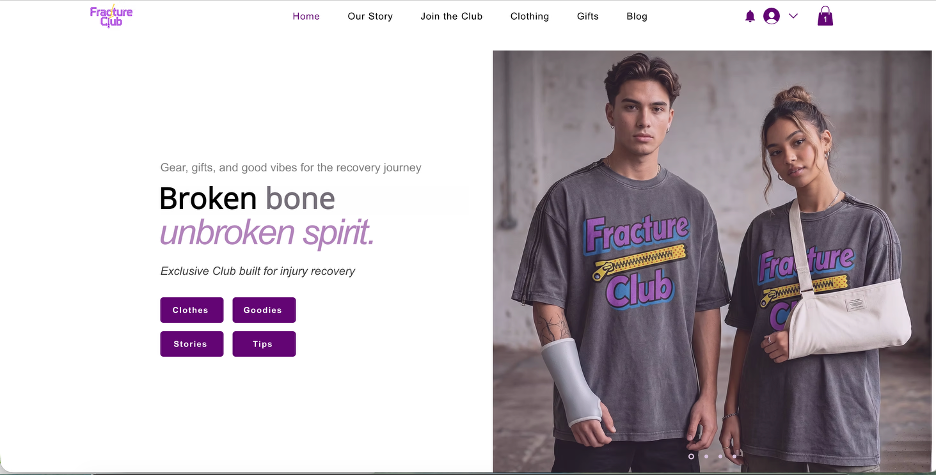
Caregivers supporting someone through fracture recovery or post-surgical healing spend real time on dressing tasks every single day. Fracture-club’s adaptive recovery clothing, including the easy-on/off sweatshirt and adaptive recovery pants with magnetic side zippers, is designed specifically to reduce that daily friction. Magnetic and zippered closures mean no wrestling with buttons or waistbands over a cast or brace, which saves time and protects both the caregiver’s back and the care recipient’s dignity.
Fracture-club also works with nonprofits and community programs on bulk and charity partnerships. If your organization is exploring product subsidy programs or adaptive clothing distribution as part of a foundation-funded initiative, reach out through the Fracture-club inquiry services page to discuss partnership options. This is a practical complement to foundation-funded supports, not a replacement for them.
Sources
The sources below are organized by what you need most.
Recommended
Comments