
What to Wear After Hip Replacement Surgery
- T. Armstrong

- 2 days ago
- 9 min read
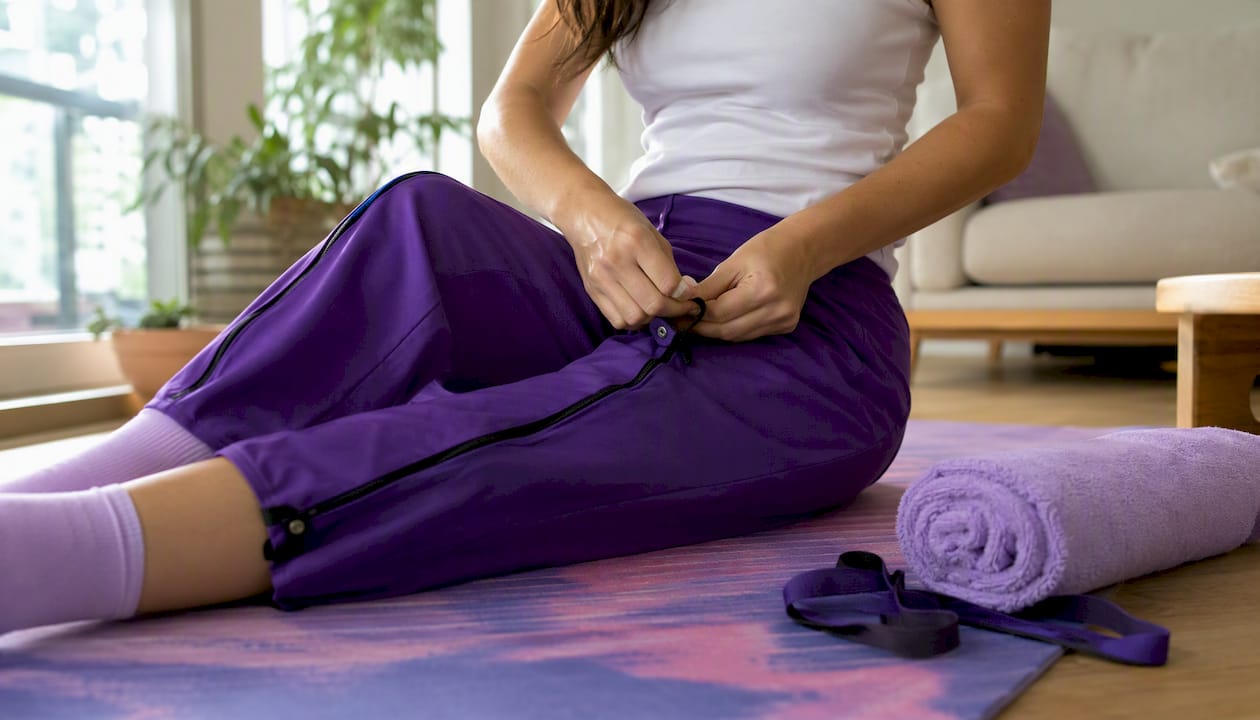
The best clothing after hip replacement prioritizes ease of dressing, soft breathable fabrics, and slip-on footwear that protect your hip precautions and get you moving toward independence faster. That’s the whole idea in one sentence, so if you only have five minutes before your discharge nurse hands you a checklist, start here.
Pack and wear loose, elastic-waist bottoms, front-opening tops, and shoes you can step into without bending forward. Everything else in this guide builds on that foundation.
For the day of surgery and your first week home, aim for:
Elastic-waist or drawstring pants (no zippers or buttons to fight with)
A button-front or zip-front shirt, not a pullover
Slip-on sneakers or supportive shoes with non-slip soles
Loose underwear that won’t dig in if swelling shows up
A robe or wrap top for easy access during wound checks
Your surgeon’s precautions aren’t suggestions. Avoiding hip flexion past 90 degrees, never crossing your legs, and skipping any twisting motion protects the new joint while it heals. Every clothing choice below exists to help you follow those rules without a fight.
Key Takeaways
Clothing after hip replacement works best when it’s loose, front-opening, and paired with tools that keep you within your hip precautions.
Point | Details |
Dress surgical leg first | Always dress the operated leg first and undress it last to avoid unsafe twisting. |
Choose front-opening tops | Skip pullovers; zip-front or button-front shirts avoid overhead reaching and shoulder strain. |
Size up for swelling | Post-op swelling often affects both legs, so extra room in pants, socks, and shoes prevents fit problems. |
Use assistive tools correctly | A reacher, sock aid, and long-handled shoehorn let you dress while seated without bending past 90 degrees. |
Fracture-club solves closures | Fracture-club’s magnetic-zip pants and easy-on/off sweatshirt remove the pulling and stepping motions that violate hip precautions. |
Table of Contents
Clothing After Hip Replacement: Tops, Bottoms, and Fabrics That Work
Getting dressed shouldn’t feel like a negotiation with your own hip. The right combination of cut, closure, and fabric turns a ten-minute struggle into a two-minute routine.
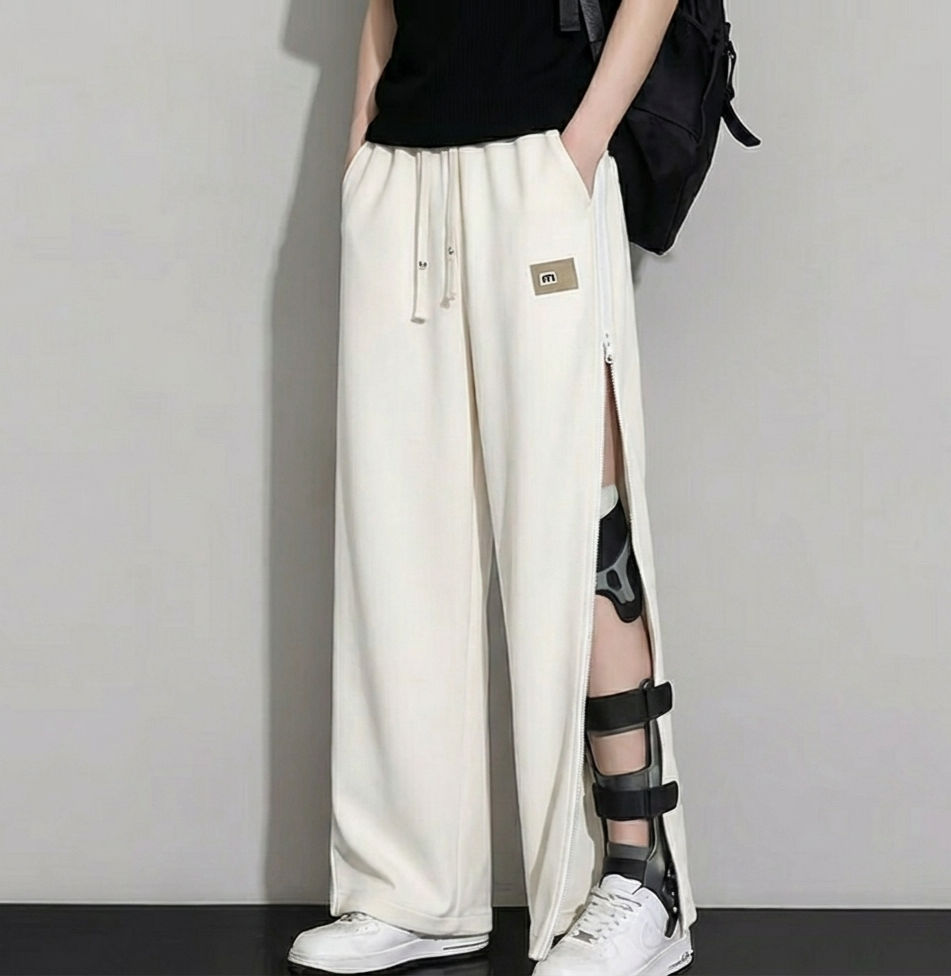
Bottoms matter most because they’re the garments most likely to force you into a bad bend. Elastic waistbands, drawstring sweatpants, wide-leg trousers, and wrap skirts all slide on without requiring you to reach past your knees. Skinny jeans, skirts with side zips, and anything with a tight waistband belong in storage until your surgeon clears you for them.
[
Tops should open in front or on the side. Overhead dressing forces your shoulders and torso into positions that can strain your incision and throw off your balance while standing on one stronger leg. Look for zip-front hoodies, snap-button shirts, or large-button cardigans instead of pullovers.
Underwear needs to balance modesty with access. High-rise, soft-elastic briefs or adaptive underwear with side openings let nurses and therapists check your incision without you needing to shimmy out of anything. Soft, breathable fabrics like cotton, modal, and jersey reduce irritation around the incision site and won’t bind if swelling changes your shape overnight.
Seasonal planning matters too. In warm weather, lightweight cotton and bamboo blends keep you cool without trapping heat near the wound. In cold weather, choose front-zip fleece layers instead of pullover sweaters, so you’re never tempted to raise your arms overhead just to stay warm.
Pro Tip: Buy one size up from your usual fit. Post-surgical swelling is common and often affects both legs, not just the operated one, so a little extra room now saves you from cutting off circulation later.
How Do You Get Dressed Safely After Hip Surgery?
Dress your surgical leg first, undress it last. That single rule, confirmed by hospital rehab programs, keeps you from twisting or overreaching to manage the leg that needs the most protection.
Sit on a stable, armless-free chair or the edge of your bed for the lower-body steps. Standing to pull pants up is where most falls happen in the first two weeks.
Gather your pants or underwear and cross one leg loosely with a reacher, guiding the waistband over your surgical foot first.
Slide the garment up to your knee using the reacher, then repeat with your non-surgical leg.
Stand with your walker positioned in front of you and pull both garments up to your waist in one smooth motion, no bending past 90 degrees.
For socks, use a sock aid: load the sock onto the plastic form, drop it to the floor, slip your foot in, and pull the straps to seat it, all without leaning forward.
For shoes, use a long-handled shoehorn while seated, guiding your heel in without touching your toes.
If a caregiver is helping, they should kneel or sit at your feet rather than asking you to lift your leg toward them, which risks unsafe flexion.
Occupational therapists routinely note that laying clothing across your lap first, then guiding it into place with a reacher, prevents the repeated forward bending that causes most dressing-related strain in the first month.
Pro Tip: Turn pants and underwear inside out before you start, then use the reacher to flip them right-side-out as you pull them over your foot. It sounds like an extra step, but it saves you from a second bend to adjust twisted fabric.
Adaptive Clothing and Tools That Cut Down on Caregiver Help
Three tools make nearly every recovery easier: a reacher or dressing stick for grabbing and guiding clothing without bending, a sock aid for pulling socks on while seated, and a long-handled shoehorn for shoes. Each one is built to extend your reach and eliminate the need to flex past a safe angle, and together they cost less than a single physical therapy copay.
Clothing designed around your recovery, not just your closet, closes the remaining gap. Look for:
Side zippers or magnetic closures that eliminate the need to step into a garment
Full-length leg openings that let you dress a swollen or braced limb without forcing it through a narrow cuff
Elasticized waists with enough give to accommodate a shifting fit over weeks
Adjustable hems or cuffs for changing swelling patterns
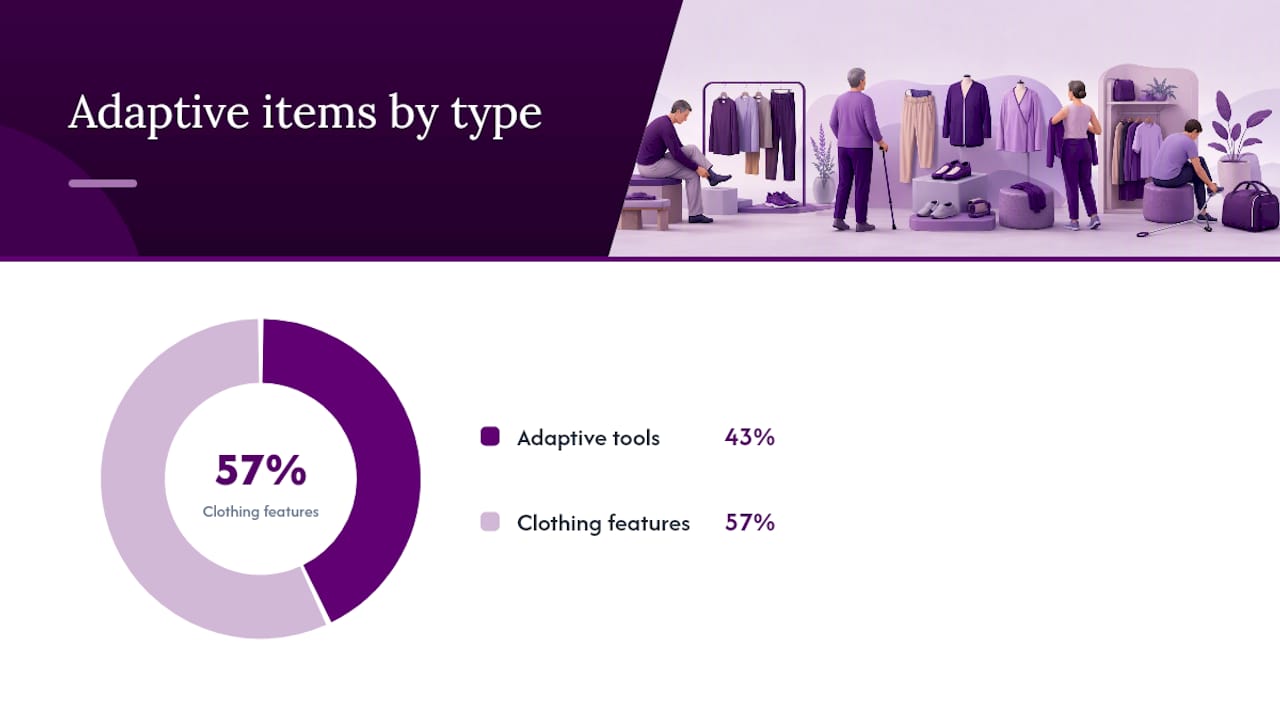
Fracture-club’s adaptive recovery pants with side magnetic zippers are built around exactly this problem: you step in from the side, seal the closure, and never have to pull anything over your operated hip. Pair a pair like that with the right recovery pants sized for comfort, and you’ve solved half your dressing routine before you’re even out of bed.
When you order, size up rather than down. Swelling rarely announces itself in advance, and a garment with room to spare beats one you have to fight with on a bad day.
Pro Tip: Combine magnetic-zip pants with a long-handled shoehorn and you can dress your entire lower body, shoes included, without ever bending past your knees.
What Shoes and Socks Are Safest After Hip Surgery?
Slip-on shoes with non-slip soles are recommended footwear choices during early recovery. Skip backless slides and slippers. They look easy but offer nothing to stop your foot from sliding forward, which is a real fall risk when you’re still relying on a walker.
Athletic shoes with elastic laces (or a lace-lock converter) so you never have to tie them
Wide or extra-wide fits to accommodate swelling that often affects both feet, not just the surgical side
Loose-top or diabetic-style socks that stretch without cutting into your calf
Hospital-style grippy socks for indoor traction before you’re ready for real shoes
Put shoes on seated, using a long-handled shoehorn, and put socks on with a sock aid rather than reaching down. Grippy socks and diabetic-style socks both accommodate fluctuating swelling better than tight athletic socks, which can leave marks or restrict circulation.
Test any new shoe on your own floors, carpet included, before you wear it outside. A shoe that grips tile but slides on carpet is a problem you want to discover at home, not on a sidewalk.
What Should You Pack for the Hospital and Home?
Pack light, pack loose, and think about what you can put on one-handed while someone else watches.
For the hospital:
Loose pants with an elastic waist
Front-opening top
Supportive slip-on shoes with non-slip soles
Comfortable underwear (extra pairs)
Loose socks
Insurance card and ID
For home, have ready before surgery: if you need to make your living space safer and more accessible, consider how to find the right mobility solutions for surgery recovery.
Extra-wide shoes for swelling
Sock aid, reacher, and long-handled shoehorn
A stable chair with arms at the right seat height
Non-slip rugs removed or taped down
A shower chair if your bathroom has a step-in tub
A ready-made checklist can save you the scramble of gathering these items the week before surgery.
When Should You Call Your Care Team About Dressing Problems?
Dressing struggles almost always trace back to one of your surgeon’s three precautions: no hip flexion past 90 degrees, no crossing your legs, no twisting. If a garment or a movement keeps forcing you to break one of these rules, that’s your signal to stop and adjust your approach, not push through it.
Watch for these warning signs while dressing:
Increased redness, warmth, or drainage around the incision
Fever above 100.4°F
Numbness or tingling in your foot or lower leg
Sudden loss of balance or a near-fall while standing to dress
Inability to complete dressing without unsafe bending, even with tools
If dressing repeatedly forces you into an unsafe position no matter how you adjust your technique, call your rehab team. Requesting an occupational therapy referral or adaptive garments at that point is a normal, expected step, not a failure to manage on your own.
How Fracture-Club Designs for Real Recovery Needs
Every closure decision in Fracture-club’s line traces back to one question: does this let someone dress without bending, twisting, or asking for help? Side zippers and magnetic closures on our easy-on/off pants mean you step in rather than pull up. Elastic panels absorb the swelling that catches most people off guard in week one.
Beyond the garments, Fracture-club runs on shared experience. Members trade what actually worked during their own recoveries, and a portion of every purchase supports the Bone Health & Osteoporosis Foundation, tying the brand’s business to the same cause it’s built around.
Size up if you’re between sizes, since swelling rarely shrinks on schedule
Wash adaptive garments inside-out on a gentle cycle to protect zippers and magnetic closures
Check hardware (zippers, magnets) for wear before long trips or travel
Adaptive design isn’t about looking like a patient. It’s about giving you back the two minutes a day you used to spend just getting dressed.
What Recovery Wardrobes Get Wrong
Most advice on this topic treats clothing as an afterthought. Buy some sweatpants, wear slip-on shoes, done. That undersells how much a single bad closure or a too-tight waistband can derail an entire morning, especially in week two or three when swelling peaks and patience runs thin.
The bigger issue is that generic recommendations assume steady, predictable healing. They don’t account for the fact that your body will look and feel different on Tuesday than it did on Monday. A garment that fit perfectly at discharge might bind uncomfortably four days later. That’s why elastic, adjustable, and swelling-tolerant design matters more than matching a checklist someone printed once and never revisited.
If there’s one place readers should focus their energy, it’s dressing technique before wardrobe shopping. Master the surgical-leg-first routine and the reacher-and-sock-aid combination first. Once that’s second nature, upgrading to garments built for the job, rather than fighting last year’s jeans, becomes the easy part, not the hard one.
Ready to Dress Without the Struggle?
You’ve read the rules: dress the surgical leg first, avoid bending past 90 degrees, and choose fabric that won’t fight your incision. Fracture-club builds that logic directly into the clothing, so you’re not relying on willpower and a reacher alone to get through your morning.
[
](fracture-club.com)
Our adaptive recovery pants with side magnetic zippers let you step in from the side and seal the closure, no pulling, no stepping through a narrow leg opening. The matching easy-on/off sweatshirt solves the overhead-dressing problem the same way. If you’re unsure what size or feature set fits your recovery stage, reach out through our inquiry page and we’ll help you figure out what to order before you’re stuck guessing in a fitting room you can’t safely stand in anyway. Order now, and have it waiting when you get home.
Frequently Asked Questions
What is the best clothing to wear after hip replacement surgery? Loose, elastic-waist bottoms and front-opening tops work best because they eliminate bending and overhead reaching, the two motions most likely to break your hip precautions.
Can I wear jeans after hip replacement? Skinny or fitted jeans are hard to manage in the first few weeks because zippers and stiff denim resist swelling and force awkward bending. Loose, elastic-waist pants are safer until your surgeon clears more structured clothing.
How do I put on socks without bending my hip? Use a sock aid: load the sock onto the plastic form, lower it to the floor with the attached straps, slide your foot in, and pull the straps up while seated to avoid reaching toward your foot.
What shoes should I avoid after hip surgery? Avoid backless slides, high heels, and any shoe requiring you to bend forward to tie laces. Slip-on shoes with non-slip soles and elastic laces are the safer choice.
Do I need adaptive clothing, or will regular loose clothes work? Regular loose clothing can work for many people, but adaptive features like side zippers and magnetic closures remove the stepping and pulling motions that cause the most trouble for people with limited mobility or a caregiver assisting them.
This article is general information, not a substitute for advice from a qualified doctor. Consult a qualified healthcare professional about your own circumstances before acting on anything here.
Sources
Recommended
Comments