
Post-Fracture Dressing Challenges Explained for Recovery
- T. Armstrong

- Jul 12
- 8 min read
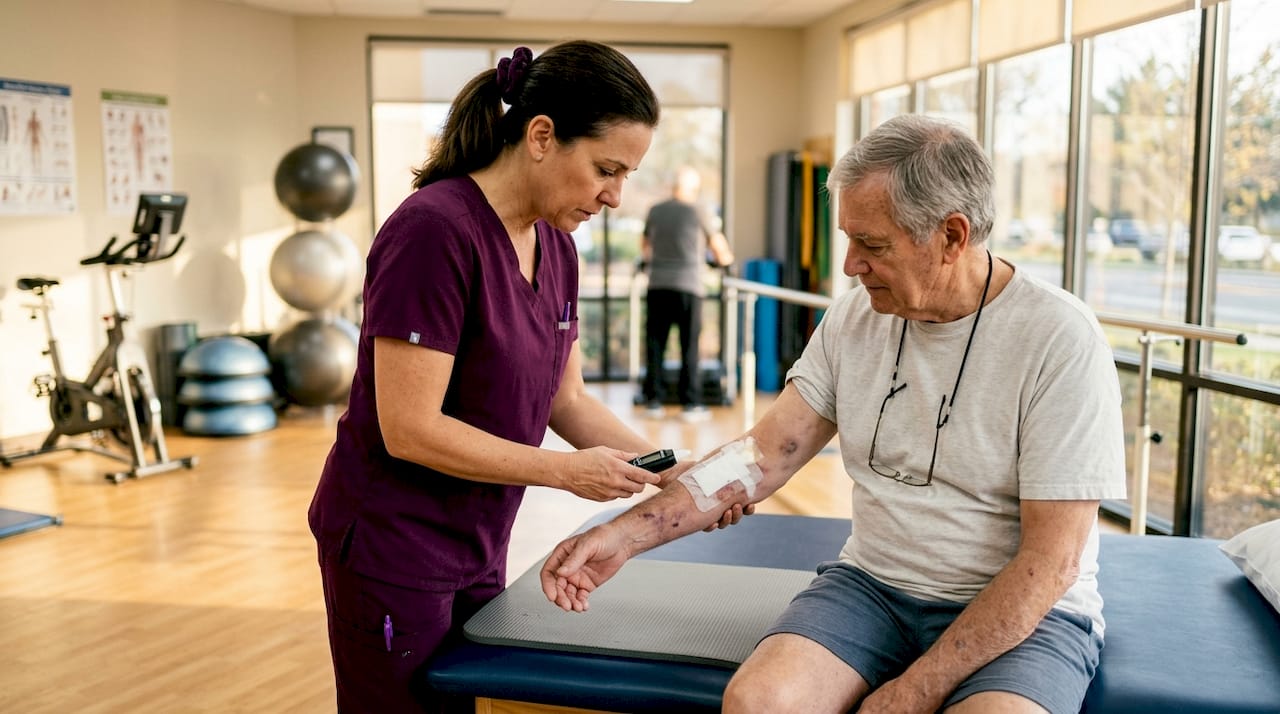
Post-fracture dressing challenges are defined as the set of wound care obstacles that arise when managing incisions, skin integrity, and moisture control beneath casts or braces during bone healing. These challenges go far beyond simply keeping a bandage in place. The wrong approach to dressing care can lead to skin maceration, infection, or soft tissue breakdown that threatens your recovery timeline. Understanding what to watch for, and when to act, is the most direct path to healing without complications.
What common post-fracture dressing challenges do patients face?
The most frequent dressing issues after fractures fall into four categories: moisture problems, mechanical displacement, swelling-related tightness, and symptom confusion. Each one can derail healing if left unaddressed.
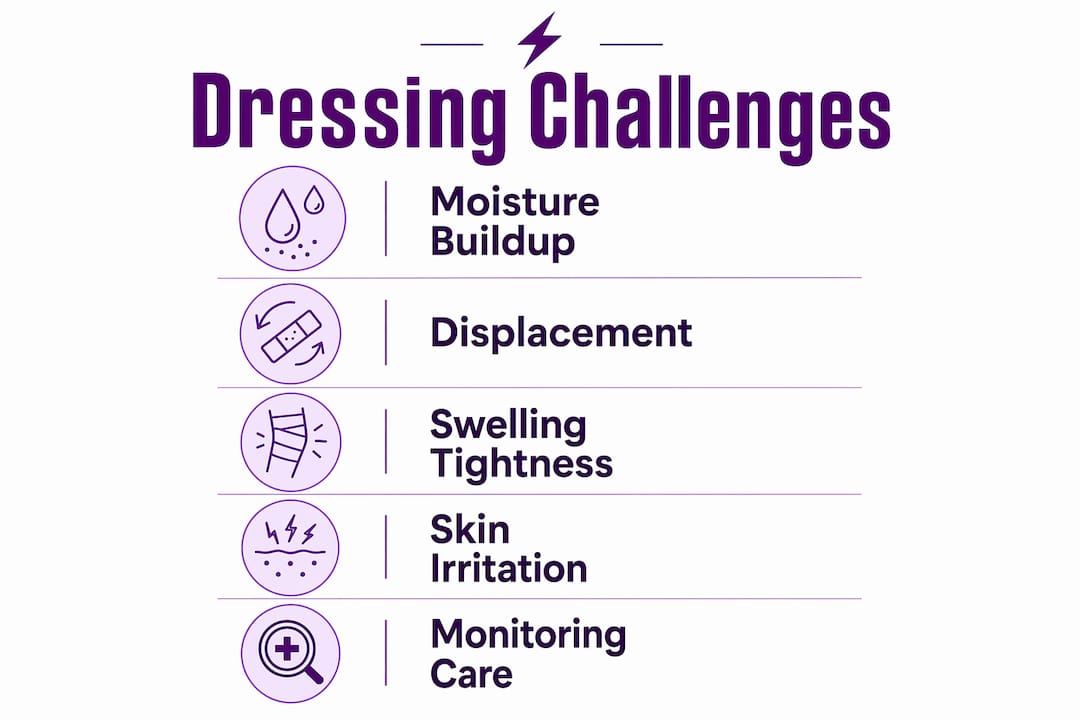
Moisture buildup and skin maceration top the list. Maceration results from excess moisture trapped under a cast or dressing and is a primary indicator of dressing failure. Sweat, humidity, and any water that sneaks under a cast create the perfect environment for skin breakdown. Once macerated skin develops, the wound bed becomes fragile and far more vulnerable to infection.
Dressing loosening or displacement is the second major problem. Movement, swelling changes, and daily activity all cause dressings to shift. A displaced dressing no longer protects the incision site, which exposes healing tissue to friction and bacteria.
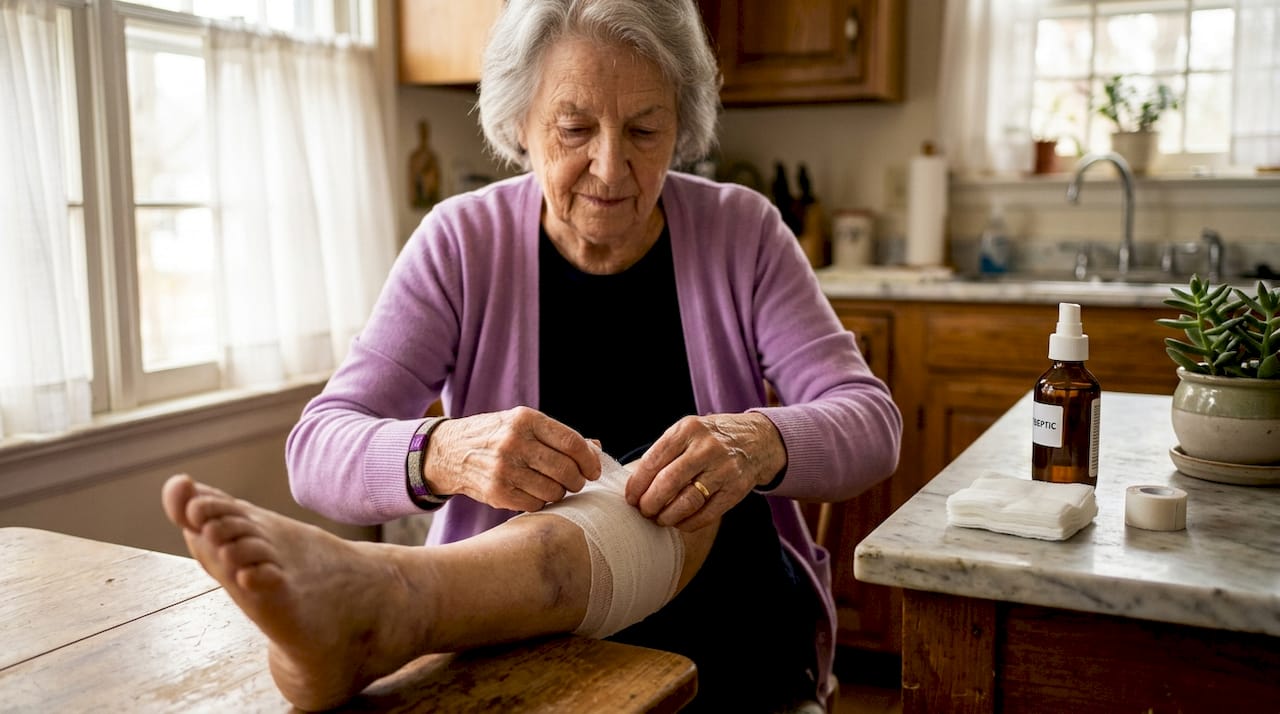
Swelling-related tightness creates a different kind of risk. As post-surgical swelling peaks in the first 48–72 hours, a cast or dressing that fit well in the operating room can become dangerously snug. Circulation restriction and nerve compression are real consequences of ignoring this.
Symptom confusion is perhaps the most underestimated challenge. Swelling, bruising, and discomfort are normal post-surgical effects, but worsening symptoms may indicate complications. Knowing the difference between expected soreness and a warning sign is a skill every recovering person needs.
Common warning signs to monitor include:
Increasing pain that does not improve with elevation or medication
Numbness, tingling, or a pins-and-needles sensation in fingers or toes
Skin color changes (pale, blue, or mottled) near the cast edges
A foul odor or visible drainage soaking through the dressing
Itching that becomes intense and localized rather than general
Pro Tip: Never push objects under a cast to scratch itchy skin. This breaks the skin surface and creates an entry point for bacteria, which is one of the fastest ways to turn a minor irritation into a serious infection.
How should wound dressings be cared for during fracture recovery?
Evidence-based dressing care follows a clear sequence. Getting this right protects the incision, supports tissue repair, and prevents the most common post-injury healing challenges.
Leave the first dressing alone for 24–48 hours. Standard practice for closed incisions is to leave dressings undisturbed for 24–48 hours unless the dressing is soaked through or there are signs of infection. Disturbing the dressing early disrupts the clotting process and increases contamination risk.
Follow your surgeon’s timeline for dressing changes. For ankle fractures, for example, sutures or staples are typically retained for 3–4 weeks post-op depending on healing and fixation complexity. Dressing evaluations often happen at the two-week follow-up visit.
Match the dressing to the wound condition. Effective wound management requires balancing moisture to promote epithelial migration while preventing maceration. A wound with heavy drainage needs an absorbent dressing. A dry, healing incision needs a lighter, breathable cover. No single dressing type works for every stage of healing.
Protect the dressing during hygiene. Use a waterproof plastic cover or a purpose-made cast protector when showering. Keeping skin dry under casts is critical because moisture trapping from sweat or water causes maceration and may lead to dressing failure.
Avoid common mistakes that delay healing. Premature dressing removal or use of strong antiseptics on incisions can harm healing and increase infection risk. Changing a dressing “just to look” and applying alcohol directly to open wounds are two of the most frequent errors recovering people make.
Pro Tip: If your dressing feels damp but you are not sure whether it is soaked through, gently press the outer surface with a clean, dry cloth. If moisture transfers to the cloth, contact your care team. Do not wait for your next scheduled appointment.
What role do casts, braces, and adaptive clothing play?
Casts and braces serve as the primary mechanical protection for your fracture site. They immobilize the bone, shield the dressing from external contact, and reduce the risk of displacement during daily movement. That protection comes with its own set of challenges in orthopedic dressings.
The main issues casts and braces introduce include:
Pressure points at bony prominences like the heel, ankle, or wrist where the hard shell presses directly on skin
Limited airflow that traps heat and moisture, accelerating maceration risk
Restricted access to the wound site, making it impossible to visually inspect the dressing without medical removal of the cast
Skin irritation at cast edges where the material rubs repeatedly against soft tissue
Adaptive clothing addresses a problem that casts and braces cannot solve on their own: getting dressed without disturbing the dressing or the device. Standard pants, shirts, and sweatshirts require pulling, twisting, and maneuvering that puts direct stress on a cast or brace. That stress can shift a dressing, aggravate swelling, or simply cause pain that discourages people from changing clothes at all.
Recovery clothing designed for fracture patients uses features like magnetic closures, wide openings, and side-zip panels that allow you to dress and undress without contorting around a cast. This matters for dressing care because clean, dry clothing against the skin reduces the moisture and bacterial load near the wound site.
Stretchy, breathable fabric also accommodates swelling fluctuations throughout the day without creating the constriction that rigid waistbands or tight sleeves produce. Compression garments, used adjunctively and only when cleared by your care team, can reduce edema and support circulation near the fracture site.
Support type | Primary benefit | Key limitation |
Hard cast | Maximum immobilization | No wound visibility or airflow |
Removable brace | Allows skin inspection | Requires discipline to wear consistently |
Adaptive clothing | Easy dressing access | Does not replace medical devices |
Compression support | Reduces swelling | Must be medically approved first |
When should you seek medical help for dressing or cast issues?
Early identification of problems is the single most important factor in preventing serious complications. Early outpatient management of soft-tissue breakdown achieved success in 89% of cases when addressed before infection signs appeared. Delayed intervention significantly increased failure rates. That statistic means acting fast is not an overreaction. It is the correct clinical response.
Seek medical attention immediately if you notice any of the following:
Increasing pain, numbness, or tingling in the limb below the cast or dressing. These symptoms can indicate circulation restriction or nerve compression and require prompt review.
Color changes in fingers or toes, including pallor, blueness, or a dusky gray tone
A cast that feels suddenly loose after a period of tightness, which may signal significant swelling reduction and a now-unstable fracture environment
Visible wound drainage that soaks through the outer dressing layer, especially if it is yellow, green, or has a strong odor
Fever above 101°F combined with localized warmth or redness around the cast edges
Patients who understand the signs of dressing or cast-related complications are far less likely to face emergencies. When you call your care team, describe the symptom, when it started, and whether it is getting worse. That information helps them triage your situation accurately and quickly.
Getting dressed after a fracture also affects how well you can monitor your own recovery. If changing clothes is painful or awkward, you are less likely to check the skin around your cast edges daily. Adaptive clothing removes that barrier.
Key Takeaways
Post-fracture dressing care requires active monitoring, moisture control, and timely communication with your care team to prevent complications that delay healing.
Point | Details |
Leave early dressings alone | Do not disturb the first dressing for 24–48 hours unless it is soaked or infected. |
Control moisture under casts | Use waterproof covers during showering and watch for maceration signs like soft, pale skin. |
Act fast on warning signs | Numbness, color changes, or worsening pain require same-day medical contact, not a wait-and-see approach. |
Match dressing to wound stage | Absorbent dressings suit heavy drainage; lighter covers suit dry, healing incisions. |
Adaptive clothing reduces dressing stress | Easy-on/off clothing limits the physical strain on casts and dressings during daily dressing changes. |
What I have learned from watching people navigate fracture recovery
The most common mistake I see is patience applied in the wrong direction. People are patient about symptoms they should act on immediately, and impatient about dressings they should leave completely alone. That inversion causes most of the preventable complications I hear about.
The second thing I have noticed is that the physical act of getting dressed is underestimated as a recovery variable. When putting on pants requires a 10-minute struggle that pulls on a cast and leaves you sweating, you are adding moisture, friction, and stress to a wound site that needs the opposite. People stop changing clothes as often. They stop checking their skin. Small problems grow unnoticed.
The third insight is about confidence. Recovering people who understand what their dressing is doing, why it needs to stay dry, and what a warning sign actually looks like make better decisions. They call their care team earlier. They do not dismiss numbness as “probably nothing.” Education is a clinical tool, not just a comfort measure.
My honest advice: treat your dressing like a job. Check the skin around your cast edges every day. Keep a simple log of any changes. Wear clothing that does not fight your recovery. And when something feels wrong, make the call. The 89% success rate for early soft-tissue management exists because early action works. You do not have to earn the right to contact your care team. That is what they are there for.
— Fracture
Recovery wear that works with your dressing, not against it
Getting dressed during fracture recovery should not feel like a second injury. Fracture-club designs adaptive recovery clothing specifically for people managing casts, braces, and post-surgical dressings.
[
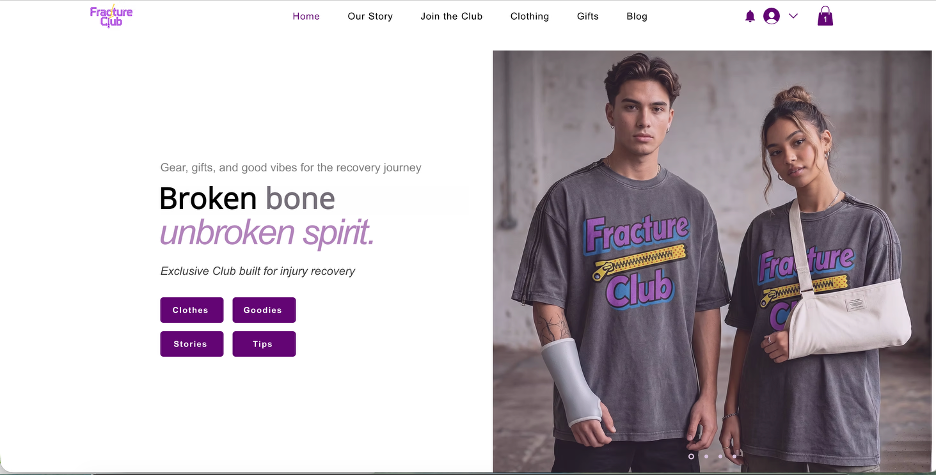
The adaptive recovery pants feature side magnetic zippers that open wide enough to slide over a full leg cast without twisting or pulling. For upper limb injuries, the easy-on/off sweatshirt gives you full sleeve access without straining a shoulder or wrist dressing. Both pieces use soft, breathable fabric that accommodates swelling and reduces the friction that irritates skin near cast edges. Fracture-club also donates a portion of every purchase to the Bone Health & Osteoporosis Foundation, so your recovery supports a larger community too.
FAQ
What is skin maceration and why does it matter after a fracture?
Skin maceration is the softening and breakdown of skin caused by prolonged moisture exposure under a cast or dressing. It weakens the wound bed and significantly increases infection risk during fracture recovery.
How often should a post-fracture dressing be changed?
The first dressing should remain undisturbed for 24–48 hours after surgery. After that, your care team sets the schedule based on wound drainage, healing stage, and the type of fixation used.
What are the red flags that a cast is too tight?
Increasing pain, numbness, tingling, or color changes in fingers or toes are the primary signs that a cast is restricting circulation or compressing a nerve. These symptoms require same-day medical evaluation.
Can I shower with a cast or dressing?
You can shower using a waterproof plastic cover or a purpose-made cast protector to keep the dressing and cast completely dry. Water exposure without protection causes maceration and dressing failure.
Why does adaptive clothing matter for dressing care?
Adaptive clothing with magnetic closures or wide-zip openings lets you dress without straining against a cast, which reduces friction on the dressing and makes daily skin checks easier and more consistent.
Recommended
Comments