
Clinician Backed Ways to Wear Leggings Over a Cast Safely


Yes, you can wear leggings with a leg cast, though standard pull-on pairs usually only work if the cast is small or sits below the knee. Most people get better results from modified leggings, cropped yoga pants, wide-leg or elastic-waist pants, or adaptive side-zip pants. Whatever you choose, the rule that matters most is this: never let clothing compress the cast or hide warning signs like color change or numbness in your toes.
TL;DR:
Cropped or capri leggings typically fit over below-knee casts without modifications, but longer or higher casts usually require cut slits or adaptive clothing.
Fabric choice is critical; high-stretch, compression-free leggings prevent tightness and should be selected based on cast size and swelling patterns.
Dressing over a cast requires sitting, guiding the limb carefully, and stopping immediately if numbness, color change, or pain occurs; help is recommended during first attempts.
Measure the cast’s widest point and length, adding one to two inches for swellings and padding, and re-measure regularly as swelling decreases.
Waterproof covers are essential for bathing; clothing should be designed to open flat or avoid tight compression to prevent skin or cast damage.
Table of Contents
Which leggings and pants actually work over a leg cast
The honest answer is that most off-the-shelf leggings were never designed to stretch over a rigid cast and a swollen limb at the same time. That doesn’t mean you’re stuck choosing between pajama pants and nothing. A few categories consistently work, and knowing which one fits your situation saves you a lot of frustrated tugging in front of the mirror.
If your cast ends below the knee, cropped leggings or capri-length leggings often clear the cast edge without needing any alteration. For a cast that runs higher, up to the knee or thigh, you’re usually better off modifying a legging (cutting a slit up the outer seam on the injured side) or skipping leggings entirely in favor of something built for more bulk.
Modified leggings: cut a slit along the outer seam of the cast-side leg so the fabric opens instead of stretching tight; this works well for below-knee casts and short-to-mid recovery periods.
Cropped or capri leggings: a good fit when the cast stops at the ankle or mid-calf, since the shorter leg avoids the widest part of the cast altogether.
Wide-leg, elastic-waist, or pull-on trousers: the simplest no-modification option for bulkier casts, since the leg opening is already roomy.
Side-slit, side-zip, or adaptive easy-on pants: designed to open flat instead of requiring you to pull fabric over the cast, which lowers the risk of snagging or compressing the shell.
Skirts, wrap dresses, or tunics paired with a single modified legging: worth considering when neither leggings nor trousers feel workable, especially for work settings or hot weather.
Side-zip and magnetic-closure pants deserve a special mention because they remove the core dressing problem: instead of stretching fabric over the cast, you open a seam, wrap the fabric around the cast, and close it. Side-zip pants solve the dressing problem that standard leggings create for a broken ankle or lower leg fracture, since there’s no pulling, twisting, or bending required to get dressed.
Fabric choice matters almost as much as the cut. A thick cotton-poly blend with real stretch, like the kind found in high-waisted yoga leggings, gives you enough give to accommodate swelling without binding the cast edge the way a thin, low-stretch fabric will. Avoid anything with a rigid waistband or minimal spandex content. If you’re shopping specifically for recovery, look for terms like “four-way stretch” or “compression-free” rather than just “leggings.”
Step-by-step: how to put leggings or pants on safely with a cast
Getting dressed with a cast is a skill, not a struggle you just have to push through. A few small adjustments to your technique make the difference between a smooth five minutes and a frustrating, sometimes painful, ordeal.
Sit on a stable chair or the edge of a bed. Standing on one leg while wrestling fabric over a cast is how falls happen.
Put your uninjured leg in first. This gives you a stable anchor point and lets you judge how much the waistband needs to stretch before you bring the casted leg in.
Guide the casted limb through slowly, only if the opening clearly has enough room. Don’t force fabric that feels tight at the first inch.
Pull the garment up gradually, pausing every few inches to check how it feels around the cast edge and the exposed skin above or below it.
Stop immediately if you notice pressure, numbness, tingling, a color change in your toes, or new swelling. Remove the garment rather than pushing through discomfort.
If the fit is borderline, modify the garment on the spot (a quick side slit works) or switch to an adaptive pair designed to open flat.
Ask for help on the first few tries, especially in the early days when the cast feels unfamiliar and your balance is still adjusting. A second pair of hands to hold the waistband open while you guide your leg through removes most of the risk of overbalancing.
The checks in step 5 aren’t optional extras. MedlinePlus cast-care guidance is clear that a cast feeling too tight, along with numbness or severe pain, is a reason to contact your provider, not something to work around with looser clothing alone. Clothing can hide these signs if you’re not deliberately checking for them with every dressing attempt.
Pro Tip: Keep a pair of kitchen tongs or a reacher tool near your dressing area. Pulling fabric the last few inches over a cast is much easier with a tool than with your fingers, especially if your balance is already occupied just staying seated safely.
How to size around a cast, account for swelling, and identify harmful pressure
Forget your usual pants size for a while. The number on the tag has almost nothing to do with whether a garment will fit over a cast, because the cast itself, not your leg, is what you’re dressing around now.
Start by measuring the cast directly: circumference at its widest point and length from the toe edge to the top. Clinician and caregiver guidance on sizing clothes over a cast recommends comparing those measurements to the garment’s opening rather than guessing based on pre-injury sizing, since casts vary widely in bulk even for the same type of fracture.
You’ll want to allow extra room, not a snug fit. Padding under the cast and swelling that shifts throughout the day both eat into the space a garment has to work with. MedlinePlus recommends measuring the cast itself, and a practical margin to add on top of that measurement is one to two inches, since a garment that fits perfectly in the morning can feel compressive by evening.
Measure twice: once in the morning and once later in the day, since swelling patterns shift.
Re-measure every one to two weeks, because swelling typically decreases as healing progresses.
Favor elastic waistbands and stretch fabrics over anything with a fixed, non-give opening.
Keep a simple slit or extender modification ready for days when swelling runs higher than usual.
Watch for red flags that go beyond ordinary tightness: numbness, toes that feel cool or look pale, pain that’s increasing rather than settling, or a sense that the garment (or the cast itself) is pressing harder than it should. MedlinePlus advises contacting your provider if the cast feels too tight or loose, cracks, softens, or if you experience severe pain or numbness, and that guidance applies whether the pressure comes from the cast or from clothing layered on top of it. If a quick fix like loosening a waistband or cutting a slit doesn’t resolve the issue within a few minutes, stop troubleshooting on your own and call your provider.
Cast care rules that shape what you can safely wear
A cast isn’t just a clothing obstacle, it’s a medical device with its own rules, and those rules outrank any styling preference. Getting familiar with them upfront saves you from outfit choices that look fine but create real problems.
Water is the biggest constraint. MedlinePlus is explicit that fabric covers and decorative sleeves are not waterproof substitutes for a purpose-made shower sleeve, so leggings or any clothing layer should never be treated as protection during bathing. If the cast does get wet despite precautions, the guidance is to dry it with cool air and contact your provider rather than waiting to see if it dries on its own.
Use a dedicated waterproof shower sleeve for bathing, never a fabric legging or sock as a substitute barrier.
Choose clothing that allows you (or a caregiver) to check toes for color and warmth without fully undressing.
Never let loose or bulky clothing tempt you into walking on a cast that’s meant to stay non-weight-bearing.
If the cast gets wet, air-dry with a cool setting and call your provider promptly rather than covering it up.
Weight-bearing instructions come directly from your treating provider, and clothing should never nudge you toward testing that limit. MedlinePlus ankle fracture aftercare guidance notes that you shouldn’t walk on a cast unless your provider has specifically said it’s safe to bear weight, since restrictions and timelines vary by fracture type. A pant leg that drapes nicely but makes you feel “put together enough to walk normally” is a risk worth noticing, not a win.
Outfit ideas that work for casual days and the office
Dressing well with a cast is entirely possible, it just means building outfits around the cast instead of pretending it isn’t there. A few reliable templates get you most of the way.
For casual days, pair a cropped legging on the cast side (or a modified full-length pair with a side slit) with a long tunic top that skims past your hip. The length balances the shorter leg visually, and a supportive sneaker or slip-resistant shoe on your uninjured foot keeps your stance stable. Crutches tend to catch on loose hems, so anything cropped or fitted below the knee on the uninjured leg reduces snag risk.
For work settings, a skirt paired with a short legging or opaque tights handles the cast gracefully without the bulk problem leggings alone create. Tailored wide-leg pants or side-zip trousers read as polished while giving you the room a cast needs, and they avoid the “pajama at the office” feeling that pure comfort-wear can create.
Casual: cropped or slit legging plus a long tunic, finished with a stable sneaker.
Professional: skirt with short leggings or tights, or tailored wide-leg/side-zip pants.
Footwear: choose a supportive, low shoe for the uninjured foot to keep your gait steady.
Visual balance: match colors between the cast-side covering and your top to keep the eye from fixating on the asymmetry.
Pro Tip: A longer cardigan or open jacket worn past your hip does double duty, it covers any awkward fabric bunching at the cast edge and adds a layer that reads as a deliberate style choice rather than a workaround.
For style inspiration built specifically around casts, style tips for wearing a recovery cast with confidence cover outfit pairings for a range of settings beyond what fits in a single list.
How adaptive clothing features make dressing easier
[

Adaptive clothing exists because standard garment construction assumes two matching limbs and full mobility, and a cast breaks both of those assumptions at once. Side-zip and magnetic-closure designs solve the actual mechanical problem: instead of stretching fabric over a rigid, swollen shape, you open a seam, wrap the fabric around the cast, and close it again.
That difference matters most in the first weeks, when bending to maneuver a pant leg over your own cast can be genuinely painful or just physically awkward depending on where the fracture is. Side-zip pants remove that bending and tugging altogether, which is a meaningful change when every other part of your day already asks more of you than usual.
Side-zip and magnetic openings let you dress without pulling fabric over the cast at all.
Measuring the cast first, rather than guessing from your usual size, is the starting point for choosing the right adaptive fit.
Loose, adjustable closures accommodate swelling changes without needing a second pair in a different size.
Sizing for adaptive pieces follows the same logic as sizing for modified leggings: measure the cast’s widest point and its length, then match those numbers against the garment’s stated fit range. Guidance on sizing clothes over a cast walks through that measuring process in more detail, and it’s worth doing before you buy rather than after a frustrating first attempt at dressing.
Beyond the mechanics, there’s a community layer worth knowing about if you’re navigating a long recovery: shared stories and practical tips from people who’ve been through the same stretch of slow, one-handed mornings. That kind of support doesn’t fix a cast, but it makes the weeks around it feel less isolating.
Keeping leggings fresh when you’re wearing them over a cast
Wearing the same few pairs of leggings on repeat during recovery creates a hygiene challenge that’s easy to overlook until it becomes uncomfortable. Sweat and skin oils build up faster around a cast because airflow is limited and you can’t simply rinse the area the way you would uninjured skin.
Rotate between at least two or three pairs of leggings so each one gets a full wash cycle between wears, and choose a moisture-wicking fabric blend where possible since it dries faster and traps less odor than heavier cotton. Wash in cool water with a mild detergent to protect stretch fibers, and skip fabric softener, which can coat synthetic blends and actually trap odor over time.
Pay attention to the skin at the cast’s edges, where fabric rubs most. A light dusting of cornstarch-based powder on exposed skin (never inside the cast) can reduce friction and moisture buildup where the legging meets the cast opening. If you notice a persistent odor coming from inside the cast itself rather than from clothing, that’s worth mentioning to your provider rather than masking with more laundering, since it can signal a skin issue underneath.
Fitting leggings around fiberglass versus plaster casts
Fiberglass and plaster casts behave differently enough that your legging strategy should shift depending on which one you’re wearing. Fiberglass is lighter and often molded closer to the limb, which sometimes means a modified legging with a side slit fits more smoothly since there’s less bulk to accommodate. Plaster casts tend to be heavier and bulkier, especially in the first days before any padding settles, so wide-leg or elastic-waist options usually work better than anything fitted.

Fiberglass surfaces are also smoother and less likely to snag fabric, while plaster can have slightly rougher texture at the edges that catches on thinner legging material. If you’re using a modified legging over a plaster cast, consider a sturdier knit fabric rather than a thin, silky stretch blend, since it holds up better against repeated contact with the cast edge.
Regardless of material, the same sizing principle applies: measure the cast itself, not your usual size, and leave room for the padding underneath. A fiberglass cast might measure smaller than a plaster one for the same fracture, but both need that same one to two inch margin for comfort and swelling.
Taking leggings off without hurting yourself or the cast
Removing leggings at the end of the day deserves the same care as putting them on, since rushing this step is a common way people either hurt themselves or catch fabric on a rough cast edge.
Sit down first, in the same stable position you used for dressing. Starting from the waistband, roll the fabric down rather than yanking it, working in small sections so you can feel if anything catches on the cast. Take the uninjured leg out last this time, since the casted leg typically needs the most careful, slow maneuvering and you want your stable leg still in the garment for balance while you work the fabric off the injured side.
If fabric does snag on a rough cast edge, stop and gently work it free rather than pulling through resistance, which can tear the garment or scrape skin at the cast opening. A pair of blunt-tipped scissors kept nearby lets you cut a stuck garment free as a last resort rather than risking a fall while you struggle with it. Once removed, give your skin near the cast edge a quick visual check for redness or irritation before moving on with your evening.
What I learned about patience during a long recovery
Getting dressed used to be a two-minute afterthought. With a cast, it becomes a small negotiation every single morning, and the first few times you misjudge a legging opening or lose your balance mid-dress, it can feel discouraging in a way that catches you off guard.
What helped most wasn’t a single product or trick, it was slowing down and treating dressing as its own task rather than something to rush through before the rest of the day starts. Sitting down, testing an opening before committing, asking for a hand when balance felt uncertain: none of that is glamorous, but it’s what actually prevents the bad mornings.
If you’re in that stretch of recovery right now, give yourself permission to take longer than you used to. And if leggings keep fighting you no matter how you modify them, it might be worth looking at clothing actually built around a cast rather than adapted to one.
— Fracture
A simpler way to dress while your cast heals
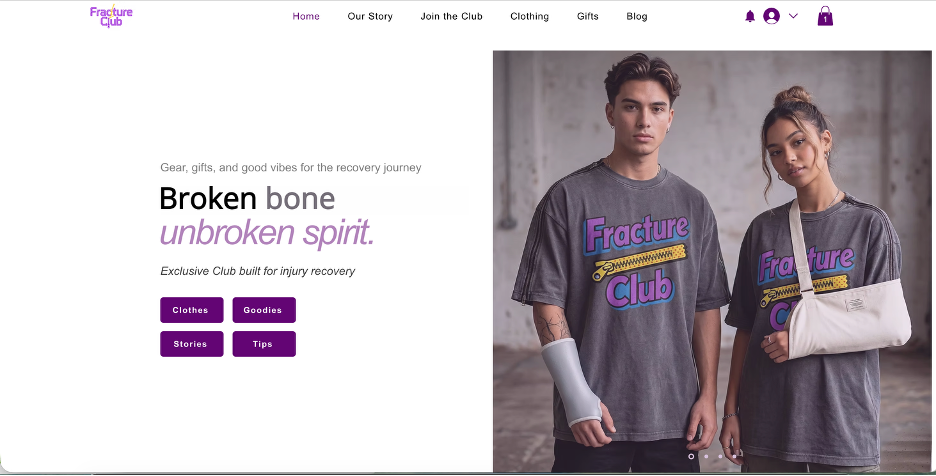
We built our adaptive pants around the exact problem this article walks through: standard garments ask you to stretch, bend, and tug fabric over a cast, and that’s a hard, sometimes painful way to get dressed every day. Our unisex easy-on/off adaptive recovery pants with side magnetic zippers open flat along the side seam, so you wrap the fabric around the cast and close the magnetic zipper instead of pulling anything over it.
[
](fracture-club.com)
Side magnetic zippers remove the need to bend, pull, or stretch fabric over the cast.
The flat-opening design works across a range of cast sizes and bulk, since you’re not relying on stretch alone.
Sizing follows the cast measurements we outline above, so you can order with more confidence than guessing from your usual pant size.
If you’re unsure which size fits your specific cast, our recovery wear and gift collections include sizing notes to help you choose, and our team is reachable through our inquiry page if you have questions before ordering. As always, check with your clinician first if you have any concern about fit, pressure, or how a garment interacts with your specific cast.
FAQ
What kind of pants should I wear over a cast?
Wide-leg, elastic-waist, or pull-on pants generally work best over a bulky cast since they don’t require stretching fabric over a rigid shape. Side-zip or magnetic-closure adaptive pants avoid the problem entirely by opening flat instead of needing to be pulled on.
How soon can I walk after having a cast removed for a leg fracture?
There’s no single timeline, since recovery depends on the specific fracture and your provider’s assessment of healing. MedlinePlus ankle fracture aftercare guidance notes that weight-bearing decisions are made by your treating provider, so ask directly rather than assuming a standard schedule applies to your case.
How do I put pants on over a cast?
Sit down, put your uninjured leg in first, and guide the casted leg through slowly while watching for resistance or tightness at the cast edge. Stop if you feel pressure, numbness, or tingling, and consider a side slit or adaptive opening if a standard pair won’t pass over the cast comfortably.
Why can’t casts get wet?
A wet cast can soften, irritate the skin underneath, or create an environment where infection is more likely to develop. MedlinePlus advises using a waterproof shower sleeve for bathing and, if the cast does get wet, drying it with cool air and contacting your provider rather than letting it air dry on its own.
Recommended
Comments