
Side Zip Pants Let You Dress Without Bending After a Broken Ankle

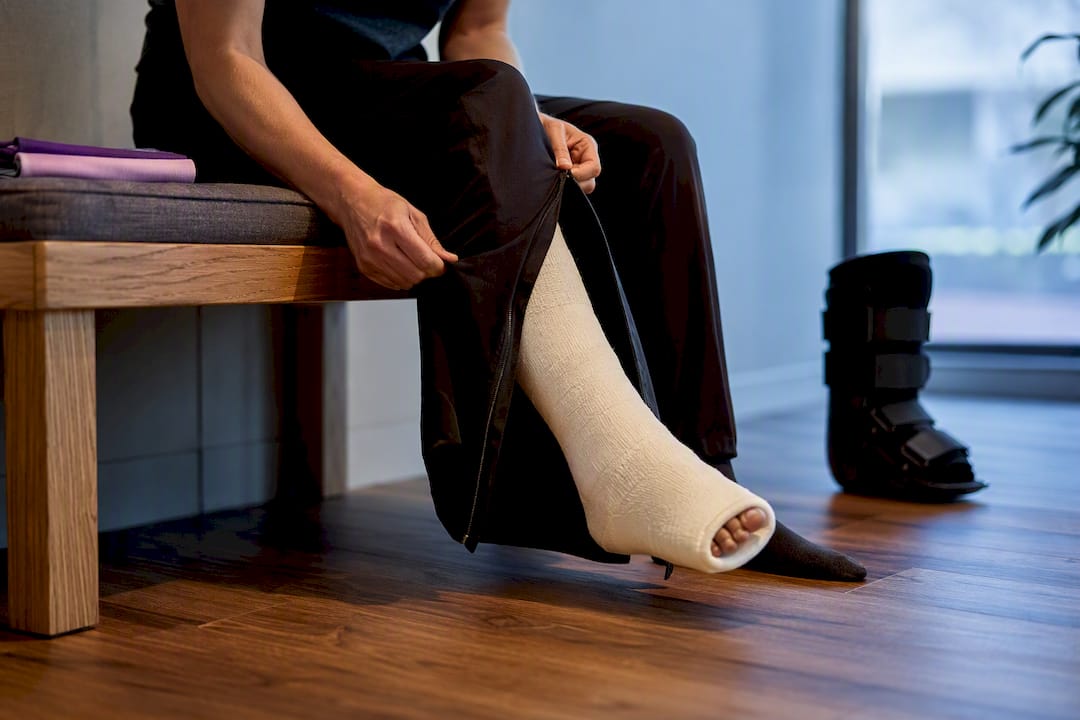
Loose, adaptive garments paired with boot-friendly footwear are your best bet while healing. Your doctor’s instructions on weight-bearing and cast care always come first, no matter how badly you want to wear your favorite jeans. Some companies build recovery wear specifically for this stretch of life, so you don’t have to choose between comfort and dressing yourself with dignity.
TL;DR:
Garments with side or full-leg zippers, snaps, or wide openings significantly ease dressing over a cast or boot, especially when mobility is limited.
Shoes designed with roomy, adjustable features and a shoe leveler for the uninjured foot help maintain balance and comfort during recovery.
Clothing should prioritize stretch, softness, and room for swelling, avoiding stiff fabrics and tight elastic bands to support circulation and skin comfort.
Adaptive recovery wear like magnetic-zipped pants provides a practical, comfortable, and aesthetically acceptable alternative to oversized casual options.
Dressing safety and technique, including tools and planning, are crucial to avoid falls, strain, or damage during non-weight-bearing recovery stages.
Table of Contents
Clothing for a Broken Ankle: What to Prioritize First
Getting dressed with a cast or walking boot is its own small obstacle course. The right pants, shorts, and socks can turn a ten-minute struggle into a thirty-second routine, so it’s worth rethinking your closet before you’re standing on one leg trying to figure it out.
Side-zip pants and full-leg-zip pants are the single most useful garment change you can make. A zipper running the length of the leg opens the whole pant flat, so you slide it around the cast or boot instead of forcing your foot through a narrow hem. Tear-away pants and side-snap pants work the same way with snaps or Velcro instead of a zipper, which helps if your hands are shaky from pain medication or fatigue. Wide-leg trousers, roomy skirts, and dresses with generous hems are your non-adaptive backup. They won’t fit as snugly around the boot, but they slide on without any special hardware.
[
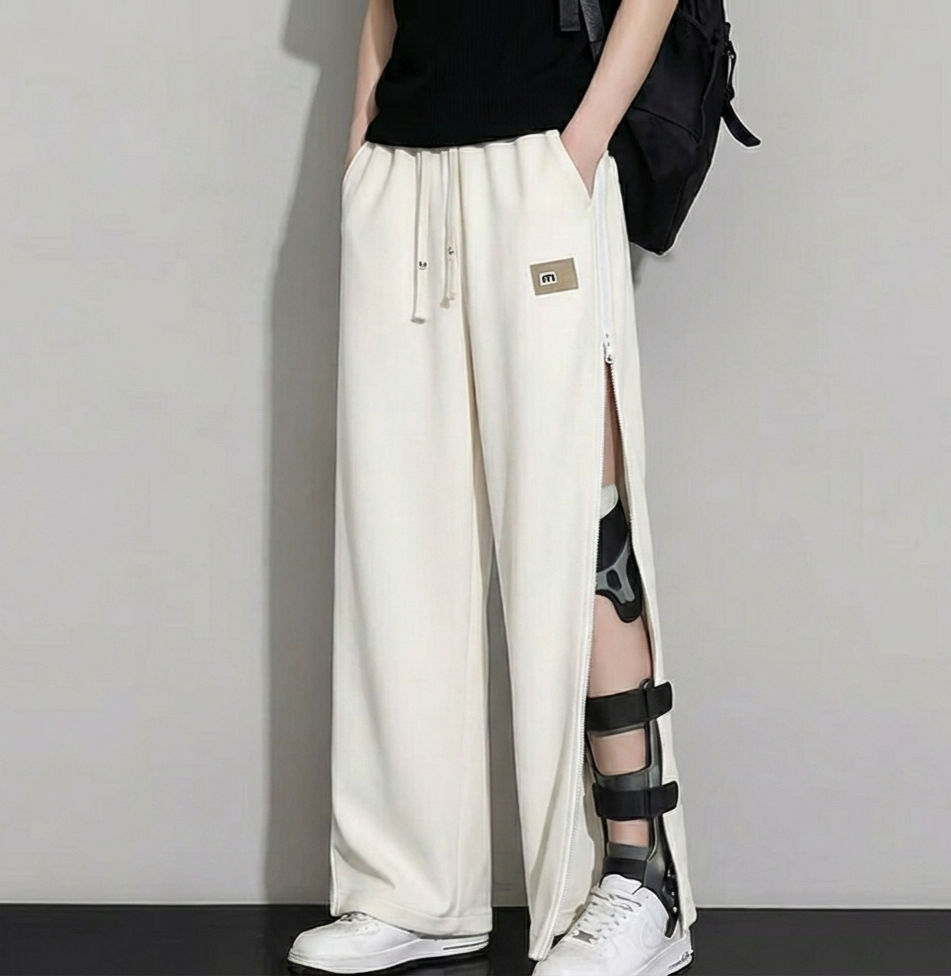
Socks matter more than people expect. Wide-calf styles and split-toe designs accommodate swelling and bandage bulk without digging in, while anything with a tight elastic band can restrict circulation right where you need blood flow the most.
When you’re evaluating clothing for a broken ankle, look for:
A side or full-length leg opening (zipper, snap, or Velcro)
An adjustable or elastic waistband that doesn’t require bending to fasten
Soft, flat seams that won’t rub against a cast edge or boot strap
Fabric with give, rather than stiff denim or structured trousers
Enough room in the calf and ankle area for swelling to fluctuate
Pro Tip: If you love a pair of pants that don’t have a side zipper, a seamstress can add one cheaply, or you can rig a temporary fix with sturdy safety pins and a hem clip along the outer seam. Caregivers can also help by holding the fabric open while you guide your leg through, which beats wrestling with it solo.
Footwear and Boot Fit: Post-Op Shoes, Sneakers, and Leveling
Footwear during recovery does two jobs: protecting whatever’s underneath and keeping your gait even. A post-op shoe, like DARCO’s MedSurg design, uses a roomy square toe box and adjustable straps to fit over bandaging without pressure points. Size it a full width up from your normal shoe, since it needs to clear dressings, not hug your foot.
Once you graduate to a walking boot, pants and shorts with a wide leg opening slide over the boot’s bulk far more easily than fitted styles. Moisture-wicking, no-show socks reduce slippage inside the boot liner and cut down on the sweat that builds up from wearing the same shoe for weeks.
The uninjured foot needs attention too. A shoe leveler or balancer compensates for the extra height of a walking boot, which otherwise throws off your hips and lower back with every step.
Test any leveler indoors first, walking short distances with crutches before taking it outside
Watch for new hip, knee, or back discomfort. Even a small height mismatch changes your gait mechanically
Ask your doctor or physical therapist before committing to a leveler if you have existing back issues
Skip slippers and unstructured house shoes entirely. They offer no traction and no support, which is a bad combination when you’re already balancing on crutches or a walker.
How to Get Dressed Safely With a Cast, Boot, or Crutches
Dressing technique matters as much as the clothes themselves, especially in the early weeks when non-weight-bearing restrictions mean every movement has to be deliberate.
Set the scene first. Sit on a bed or sturdy chair, keep your crutches within arm’s reach, and have a pillow ready to elevate your leg the moment you’re dressed.
Use the zip-leg method for pants. Unzip the side seam fully, lay the pant leg flat, and guide your injured leg in before pulling the fabric up and around. This avoids the twisting motion that a standard pant leg demands.
Try the roll-and-slide method if your pants aren’t adaptive. Gather the fabric like a sock, ease it over your toes and cast, then unroll it up your leg rather than pulling straight up.
Handle socks with tools, not tension. A dressing stick or a simple rubber gripper lets you pull hosiery into place without bending forward and losing your balance, or without dragging fabric roughly across a fresh cast.
Put shoes and boots on strap-first. Loosen every strap completely before inserting your foot, then tighten from the bottom up while seated. Never try to step into a boot standing on one leg.
Do a fall-prevention check before standing. Confirm crutches are positioned, the floor is clear, and your outfit isn’t dragging or loose enough to catch underfoot.
Pro Tip: Keep a small “dressing kit” near your bed: dressing stick, rubber gripper, and a few safety pins. Reaching for one tool beats hopping around your bedroom looking for it.
Sizing Up: Fit and Fabric Choices for Swelling and Skin Comfort
Measuring for clothes over a cast means adding room, not guessing. As a general allowance, size up one to two sizes in the waist and thigh, or look for adjustable waistbands that stretch without needing a fixed number.
Stretch knits, breathable synthetics, and soft, washed denim are your friends. Stiff, nonyielding seams rub against cast edges and can irritate skin that’s already sensitive from limited movement. Mayo Clinic’s guidance on managing swelling backs this up directly: loose, stretchy clothing that doesn’t constrict the injured area supports the same elevation and circulation goals as icing and rest.
Choose moisture-wicking base layers to keep dressings dry underneath a boot
Avoid compression styles unless specifically prescribed. A general-purpose compression sock built for circulation support is different from tight everyday hosiery that restricts an already-swollen limb
Buy temporary sizes for anything you’ll wear daily; save tailoring for pieces you plan to keep long-term
Style Doesn’t Have to Take a Backseat During Recovery
Feeling like yourself matters just as much as healing correctly, and adaptive clothing that looks good tends to make the whole process easier emotionally. You don’t have to disappear into oversized sweats for two months.
At home and running errands: wide joggers, an oversized button-down thrown over a tank, and slip-on layers that don’t require bending to put on.
For work: wide-leg trousers or a midi skirt paired with a structured top keeps you looking pulled together even with a boot peeking out underneath.
For going out: a statement top or a pop of color redirects attention away from the boot entirely, and bold jewelry or a great bag does more visual work than you’d expect.
Keep silhouettes balanced. A fitted top with wide-leg bottoms looks intentional, not like you’re hiding something
Layer with an open jacket or cardigan for shape without extra effort
One bold accessory (earrings, a scarf, a bag) shifts the eye upward
Where Fracture-Club Fits Into Your Recovery Wardrobe
Some adaptive recovery wear designs address common dressing challenges: getting dressed without pain, without help you don’t have, and without giving up on looking like yourself. Features can include magnetic and zipped side closures instead of a standard pant leg, roomy adjustable cuts to accommodate swelling changes, and fabric choices that favor stretch and breathability over stiff denim to reduce friction against healing skin.
For a deeper walkthrough of dressing technique, the best way to get dressed after a broken bone or surgery covers caregiver-assisted methods in more detail, and sizing clothes over a cast breaks down measurement allowances further.
Caring for Adaptive Clothing and Footwear While You Heal
Keeping recovery wear clean matters more than usual right now, since you’re likely wearing the same handful of pieces on repeat for weeks. Machine-wash adaptive pants and tops on a gentle, cold cycle to protect magnetic closures and zipper teeth from warping. Skip the dryer’s high heat setting for anything with a magnetic zip. Air drying or a low tumble setting keeps the closure mechanism working smoothly for the full length of your recovery.
Post-op shoes and boot liners need a different approach. Wipe the exterior of a post-op shoe with a damp cloth rather than submerging it, since the foam padding inside can hold moisture and start smelling if it doesn’t dry fully between wears. Removable liners, if your boot has them, should come out daily to air dry, especially if you’re sweating through long days in the same footwear.
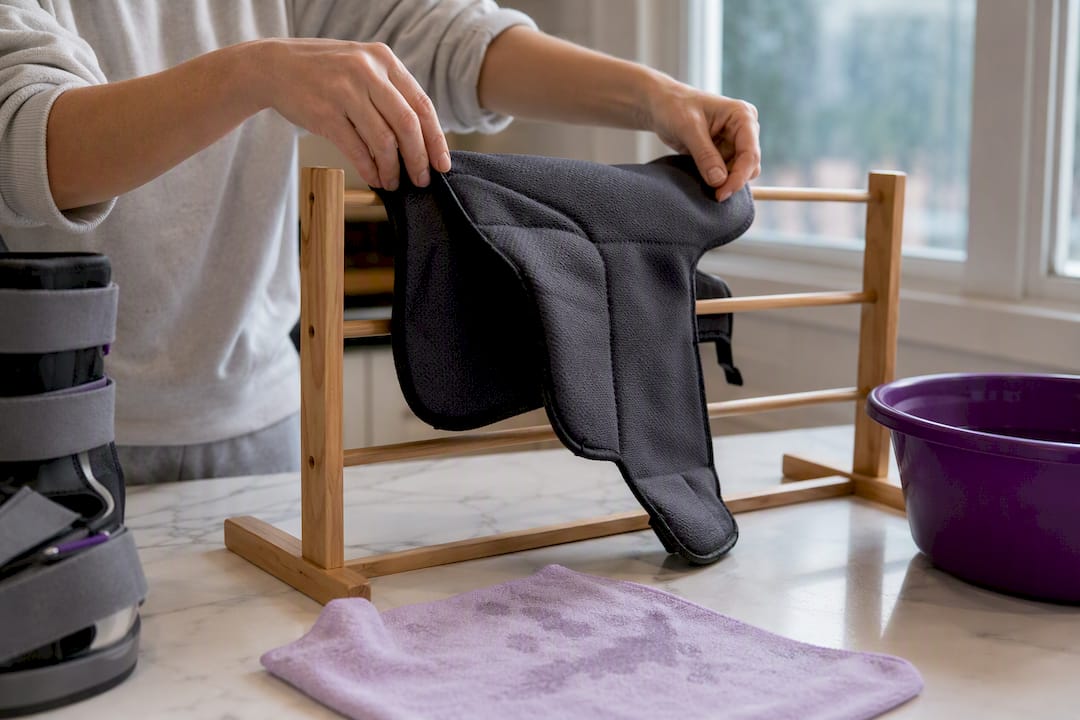
Watch your cast or boot for any dampness after washing clothes near it. A documented clinical caution around cast care flags moisture as a real problem. A wet cast can soften, shift, or start to smell, which sometimes means an unplanned trip back to the clinic.
Rotate between two or three adaptive outfits if your budget allows, rather than relying on a single pair of pants washed every other day. It reduces wear on the closures and gives you a backup while one set is drying.
What Actually Matters Once You Strip Away the Noise
Most advice about dressing after a fracture focuses on the wrong thing first: style. Style matters, but it’s the second decision, not the first. The first decision is whether a garment lets you dress without bending, twisting, or forcing your ankle into a position your doctor told you to avoid. A cute outfit that requires you to hop on one foot while pulling on skinny jeans isn’t a style win. It’s a fall risk.
Where conventional advice falls short is in treating “adaptive clothing” as a temporary compromise you tolerate until you’re better. That framing sets people up to buy nothing, struggle through six to ten weeks of non-weight-bearing recovery in ill-fitting sweatpants, and feel worse about themselves the whole time. Clothing that fits your actual body right now, cast and all, isn’t a downgrade. It’s the smarter choice for as long as you need it.
If you take one thing from this guide, prioritize the side opening and the fabric stretch before you worry about color or cut. Everything else, including looking good, gets easier once the basics of safe dressing are handled.
— Fracture
Ready-Made Recovery Wear From Fracture-Club
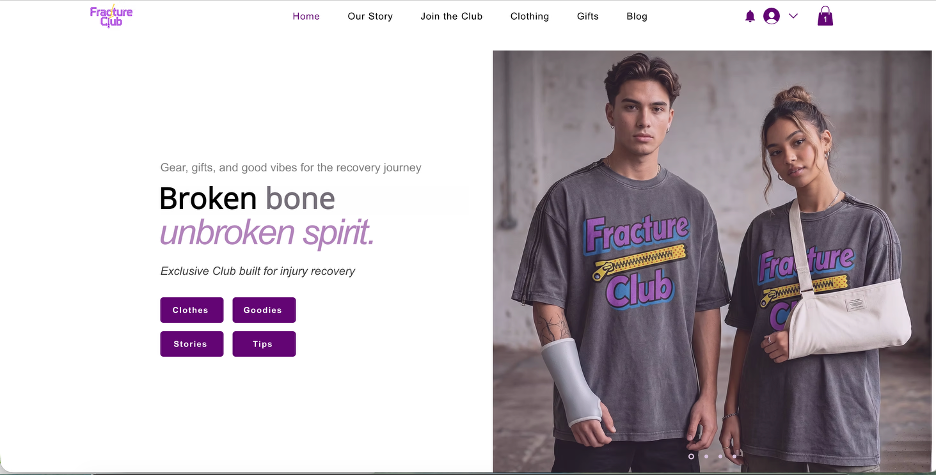
You’ve read the checklist: side or full-leg openings, adjustable waistbands, soft seams, and room for swelling. Fracture-club’s adaptive recovery pants with side magnetic zippers check every box without the trial-and-error of hunting through regular retailers hoping something works over a boot.
[
](fracture-club.com)
Whether you’re in a rigid cast for the first few weeks or transitioning into a walking boot, the right pair fits both stages without a second purchase. If your situation is more specific, a bulk order for a caregiver, an odd sizing question, or fit concerns around a particular cast style, the inquiry services page connects you directly with someone who can help before you buy. Every order also supports the Bone Health & Osteoporosis Foundation, so choosing adaptive wear that fits right does a little good beyond your own closet. Start with the pants, and build your recovery wardrobe from there.
Sources
FAQ
What clothes should I wear with a broken ankle?
Choose loose, stretchy garments with a side zipper, snap, or wide leg opening that slides over a cast or boot without forcing your foot through a narrow hem. Pair them with wide-calf or split-toe socks that won’t compress swelling.
What are the best shoes to wear during recovery from a broken ankle?
A post-op shoe with a roomy, adjustable design works best in the first weeks to accommodate bandaging, and a shoe leveler on your uninjured foot helps balance out the height once you’re in a walking boot.
Is it okay to wear a boot to bed if I have a broken ankle?
Follow your doctor’s specific instructions, since boot-at-night guidance varies by fracture type and how far along you are in recovery. Many patients are told to keep the boot on for support until cleared otherwise, so don’t assume it’s fine to remove it without checking first.
How do I get through weeks of non-weight-bearing recovery?
Recovery typically involves a period of non-weight-bearing lasting several weeks depending on severity, and the best approach is elevating the leg above heart level, icing regularly, and wearing adaptive clothing that makes dressing and daily tasks manageable without straining the ankle. Adaptive pieces from Fracture-club are built specifically to reduce that daily friction during the stretch.
Recommended
Comments