
How Nonprofits Support Bone Health Care for Recovery
- T. Armstrong

- Jul 15
- 8 min read
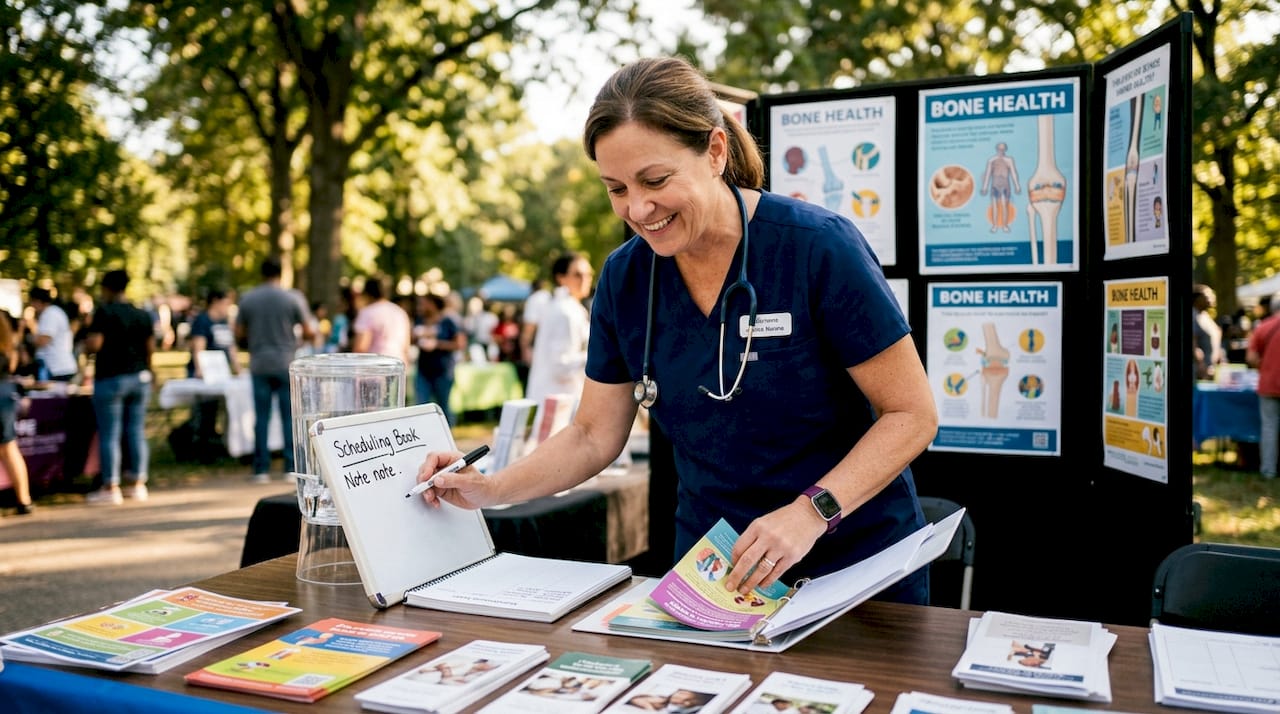
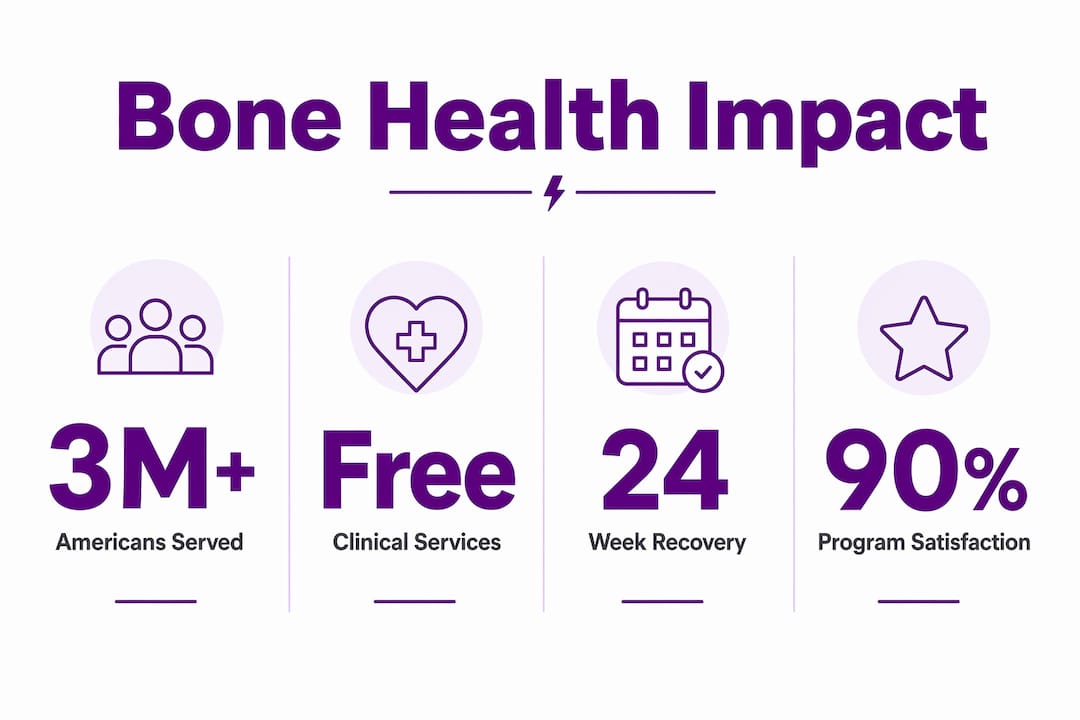
Nonprofits are the primary providers of free, community-based bone health care for millions of Americans who cannot access or afford clinical services on their own. Over 2 million broken bones occur annually in the U.S. due to osteoporosis, with 50% of women and 25% of men over age 50 expected to fracture at some point. That scale makes nonprofit bone health programs not a luxury but a necessity. Organizations like the Bone Health & Osteoporosis Foundation (BHOF) and the All Seniors Foundation deliver clinical services, education, and recovery support that fill the gaps left by insurance coverage and public health systems. If you are recovering from a fracture, caring for someone who is, or advocating for better bone care in your community, understanding how these organizations work gives you real tools to act on.
How nonprofits support bone health care through clinical services
Nonprofit clinical programs go well beyond handing out pamphlets. They deliver hands-on medical services that many seniors and low-income adults could not otherwise access.
The All Seniors Foundation, operating in Los Angeles County, offers a clear example of what this looks like in practice. The organization provides free osteoporosis treatment with licensed clinical teams, including bone density testing via DEXA scans, medication management, physical therapy, and fall prevention assessments. Services are available in multiple languages, and the program does not bill insurance or require financial documentation. That last point matters. Many people avoid care because they assume cost or paperwork will block them. This model removes both barriers entirely.
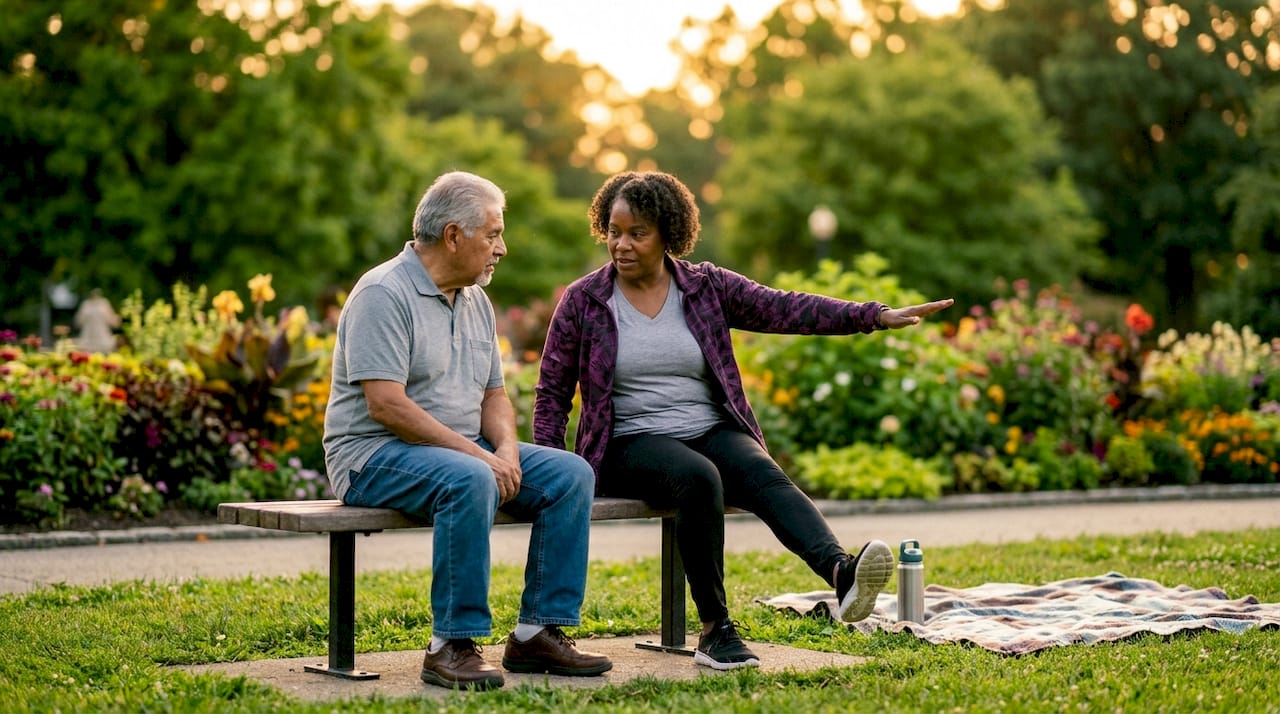
Fall prevention is one of the most clinically significant services nonprofits provide. A fall for someone with low bone density can mean a hip fracture, hospitalization, and months of recovery. Supervised balance and strength training programs, delivered in community centers or at home, directly reduce that risk.
Muscle loss compounds the problem. Age-related muscle decline runs at 3–8% per decade after age 30. That rate accelerates the physical vulnerability that leads to fractures. Nonprofit strength training programs designed for osteoporosis and arthritis patients address this directly, using evidence-based exercise protocols rather than generic fitness routines.
Free DEXA scans: Bone density testing identifies fracture risk before a break occurs, allowing earlier intervention.
Physical therapy access: Licensed therapists guide safe movement and rehabilitation for those already recovering from fractures.
Medication management: Clinical staff review prescriptions and flag interactions, particularly important for seniors managing multiple conditions.
Fall prevention training: Balance and coordination exercises reduce the likelihood of the falls that cause most osteoporosis-related fractures.
Multilingual care: Services in multiple languages reach communities that English-only programs miss.
Pro Tip: If you or someone you care for is over 50 and has not had a bone density test, contact a local nonprofit health organization first. Many provide DEXA scans at no cost before you ever see a specialist.
How do nonprofits raise awareness and educate communities about bone health?
Public education is where nonprofit bone health programs create their widest impact. Clinical services reach hundreds of people. Education campaigns reach hundreds of thousands.
BHOF’s approach to community awareness centers on ambassador-led campaigns and public events. The Be Bone Strong™ team recruits runners for charity marathons like the TCS New York City Marathon, combining physical activity with fundraising and public visibility. Participants become advocates by simply showing up. The social dimension of these events creates something a brochure never can: a community of people who share a stake in bone health outcomes.
Peer educator programs take a different approach. Trained community members lead seminars in churches, senior centers, and libraries, reaching people who would never walk into a clinic. These educators speak the same language, literally and culturally, as their audiences. Research consistently shows that peer-delivered health education produces stronger behavior change than clinician-delivered lectures.
“Community participation in nonprofit campaigns not only raises vital funds but also creates social support networks that enhance engagement and motivation for better bone health maintenance.”
Nonprofits also produce targeted materials for at-risk populations, including postmenopausal women, men over 70, and people with a family history of osteoporosis. These materials explain fracture risk in plain language, describe what a DEXA scan involves, and outline when to talk to a doctor. The goal is to move people from passive awareness to active prevention.
Attend a local bone health seminar led by a peer educator or nonprofit clinical team.
Sign up for a charity run or walk through BHOF or a regional affiliate to combine fitness with fundraising.
Share educational materials with family members over 50 who have not yet discussed bone density with their doctor.
Follow nonprofit social channels for free webinars, Q&A sessions, and updated clinical guidelines.
Wellness brands and community organizations also play a role in amplifying these messages. Black wellness brands and similar community-rooted organizations demonstrate how health education reaches populations that mainstream campaigns often miss, making their partnership with nonprofits especially valuable.
In what ways do nonprofits provide resources for bone injury recovery?
Recovery from a bone fracture does not end when you leave the hospital. Nonprofits fill the gap between discharge and full rehabilitation, providing resources that keep patients on track when clinical visits become less frequent.
Structured multi-week programs are one of the most effective tools in this space. Project Healthy Bones, run through the Food Bank of South Jersey, operates on a 24-week cycle with weekly two-hour sessions covering education, balance training, and strength exercises. Participants receive home-use fitness equipment so they can continue working between sessions. That continuity matters. Adherence drops sharply when patients are left to exercise alone without structure or tools.
Multi-week exercise cohorts enhance long-term patient adherence by combining education, supervised activity, and home equipment to prevent recurrent fractures. Preventing a second fracture is as important as healing the first one.
Helplines staffed by specialized nurses provide a different kind of support. The Royal Osteoporosis Society operates a dedicated nurse helpline that gives patients direct access to clinical guidance, emotional support, and help navigating treatment decisions. For caregivers managing a loved one’s recovery from a distance, this kind of resource reduces anxiety and prevents costly mistakes like stopping medication too early.
Home fitness equipment: Resistance bands, balance boards, and light weights distributed through nonprofit programs support safe exercise between supervised sessions.
Nurse helplines: Specialized staff answer clinical questions, provide emotional support, and help patients understand their treatment plans.
Care coordination: Nonprofits connect patients with physical therapists, nutritionists, and social workers to address the full picture of recovery.
Recurrence prevention: Programs specifically target the behaviors and conditions that lead to a second fracture, including fall hazards at home.
Pro Tip: Ask your nonprofit program coordinator about home safety modifications before you complete your first week of recovery. Small changes like removing rugs and adding grab bars reduce fall risk significantly.
Eligibility for these programs typically requires residency verification and, in some cases, confirmation of homebound or high-risk status. Most programs do not require insurance documentation or financial proof, which keeps access open to the people who need it most.
What role does nonprofit transparency play in bone health support?
Transparency is the foundation of trust between a nonprofit and the people it serves. For patients and caregivers choosing where to seek help, knowing that an organization is accountable makes a real difference.
BHOF earned the Candid Platinum Seal of transparency in 2026, confirming that the organization responsibly manages donated funds and adheres to evidence-based clinical practices. This seal is not automatic. Organizations must submit detailed financial and operational data to earn it. For donors, it signals that contributions go toward programs, not overhead. For patients, it signals that the clinical guidance they receive meets professional standards.
Evidence-based programs aligned with CDC and NIH guidelines produce better outcomes and build trust among both patients and medical professionals. When a nonprofit’s exercise protocol matches what a physician would recommend, patients are more likely to follow through. That alignment also makes it easier for doctors to refer patients to nonprofit programs with confidence.
When evaluating a nonprofit bone health organization, look for these indicators:
Transparency seals: Candid Platinum or Gold Seal confirms financial accountability.
Clinical alignment: Programs should reference CDC, NIH, or Medicare guidelines explicitly.
Licensed staff: Physical therapists, nurses, and dietitians should lead clinical services.
Clear eligibility criteria: Honest, accessible information about who qualifies and how to apply.
Published outcomes: Reputable organizations share data on program results, not just testimonials.
Pairing nonprofit resources with informed personal choices strengthens outcomes further. Reading up on bone health supplements and daily fracture-reducing habits helps you ask better questions and get more from every clinical interaction.
Key Takeaways
Nonprofits are the most accessible and often the only source of free, evidence-based bone health care for millions of Americans over 50.
Point | Details |
Clinical services are free and accessible | Nonprofits like All Seniors Foundation provide DEXA scans, PT, and medication management at no cost. |
Education drives prevention | Peer seminars and ambassador campaigns reach at-risk populations before fractures occur. |
Recovery programs prevent second fractures | 24-week cohort programs with home equipment significantly improve long-term adherence. |
Helplines fill the post-discharge gap | Nurse-staffed helplines provide clinical guidance and emotional support between appointments. |
Transparency signals trustworthiness | The Candid Platinum Seal confirms a nonprofit manages funds responsibly and follows clinical standards. |
What I’ve learned about getting the most from nonprofit bone health programs
Most people treat nonprofit programs as a last resort. That is exactly backwards. The best time to connect with a bone health nonprofit is before a fracture happens, not after.
I’ve seen caregivers scramble to find resources after a parent’s hip fracture, spending weeks navigating referrals that a single phone call to BHOF or a local affiliate could have resolved in a day. The programs exist. The helplines are staffed. The equipment is available. The barrier is almost always awareness, not access.
The other mistake I see regularly is treating nonprofit programs as a replacement for medical care. They are not. They are a complement. A free DEXA scan from a nonprofit tells you your fracture risk. Your physician decides what to do about it. A nonprofit exercise program builds the strength your physical therapist prescribes. These systems work best when they run in parallel.
Charity events like the BHOF marathon team are worth more than most people realize. Yes, they raise money. But they also put you in a room with people who understand what bone disease feels like from the inside. That social connection improves adherence to exercise and medication in ways that clinical reminders alone cannot replicate. If you are a caregiver, joining one of these events alongside the person you support sends a message that recovery is a shared effort.
Start local. Search for nonprofit bone health programs in your county before looking nationally. Many of the most effective programs, like Project Healthy Bones, operate through food banks, senior centers, and community health organizations that never appear in a national search. A bone health awareness gift for someone in your life can also open a conversation that leads them toward these resources.
— Fracture
Recovery wear that works alongside your bone health program
Nonprofit programs give you the clinical support and community connection you need during recovery. What you wear every day matters just as much for staying comfortable and independent between sessions.
[
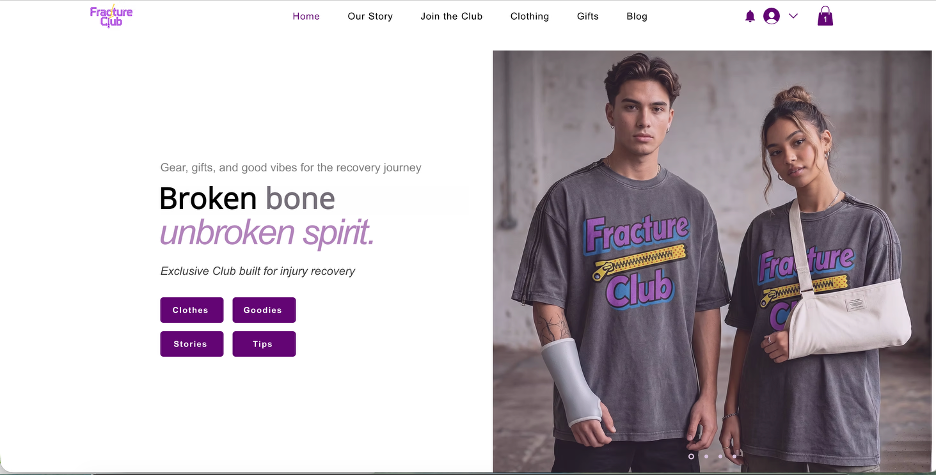
Fracture-club designs adaptive recovery clothing specifically for people healing from fractures and bone injuries. The adaptive recovery pants feature magnetic side zippers that make dressing possible with a cast or brace, without asking for help every morning. The easy-on recovery sweatshirt is built for upper limb injuries, so getting dressed does not become the hardest part of your day. A portion of every purchase supports BHOF directly, connecting your recovery to the nonprofit programs this article covers.
FAQ
What is the Bone Health & Osteoporosis Foundation?
The Bone Health & Osteoporosis Foundation (BHOF) is the leading U.S. nonprofit dedicated to preventing osteoporosis and related fractures through education, advocacy, and community programs. It earned the Candid Platinum Seal of transparency in 2026.
How do I find a free bone density test near me?
Contact local nonprofits like the All Seniors Foundation or a regional BHOF affiliate, as many provide free DEXA scans to qualifying seniors without requiring insurance or financial documentation.
What does a nonprofit bone health recovery program include?
Programs like Project Healthy Bones run 24-week cycles with weekly sessions covering strength training, balance exercises, and education, plus home fitness equipment to support continued rehabilitation between meetings.
Do I need insurance to access nonprofit bone health services?
Most nonprofit bone health programs do not require insurance documentation. Eligibility typically depends on residency and health status, not financial or insurance information.
How do nonprofits fund bone health programs?
Nonprofits fund bone health programs through donations, grants, and community fundraising events like charity marathons. Ambassador campaigns such as BHOF’s Be Bone Strong™ team raise both money and public awareness simultaneously.
Recommended
Comments