
How Bones Heal After Fracture: A Recovery Guide
- T. Armstrong

- Jun 18
- 7 min read
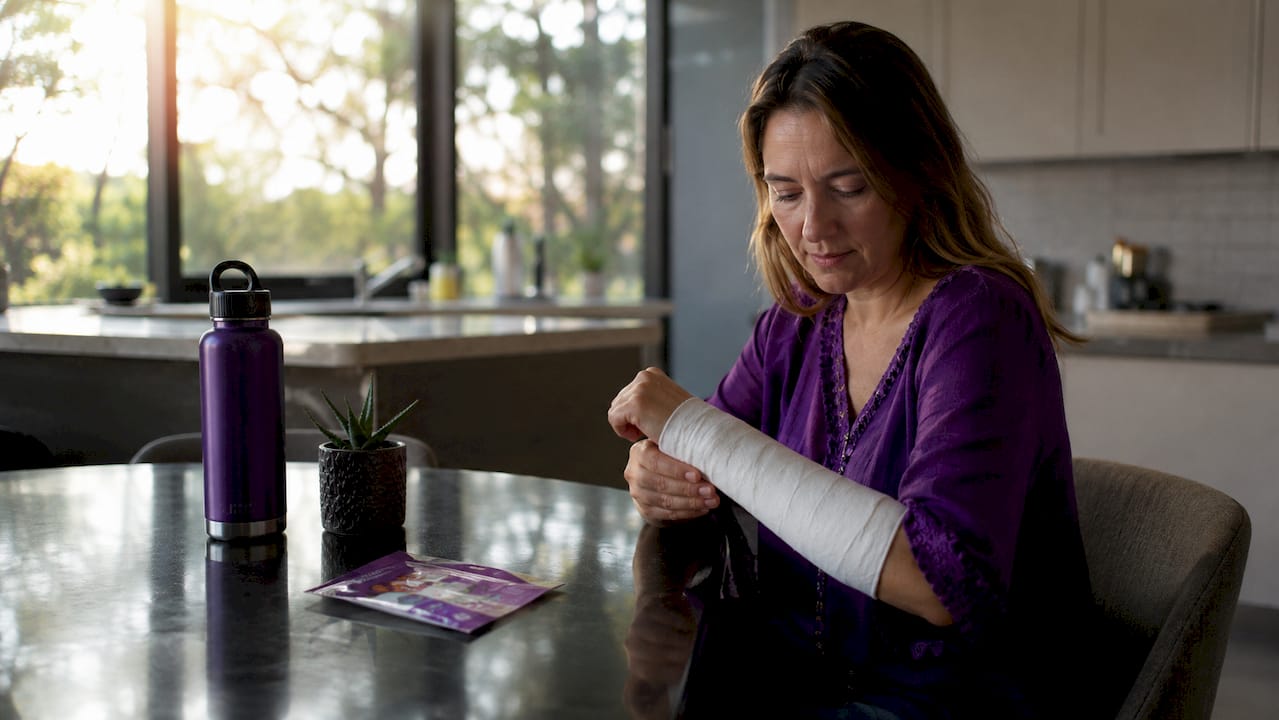
Bone healing after a fracture is a biological process your body begins within minutes of the break. The medical term for this is fracture repair, and it unfolds in distinct, predictable stages that restore both structure and strength. Understanding how bones heal after fracture helps you make smarter decisions during recovery, from following your immobilization plan to knowing why that bump under your skin is completely normal. Healing timelines range from three weeks for a toe to six months or more for a femur, and several factors within your control can speed things up or slow them down.
What are the stages of the bone healing process?
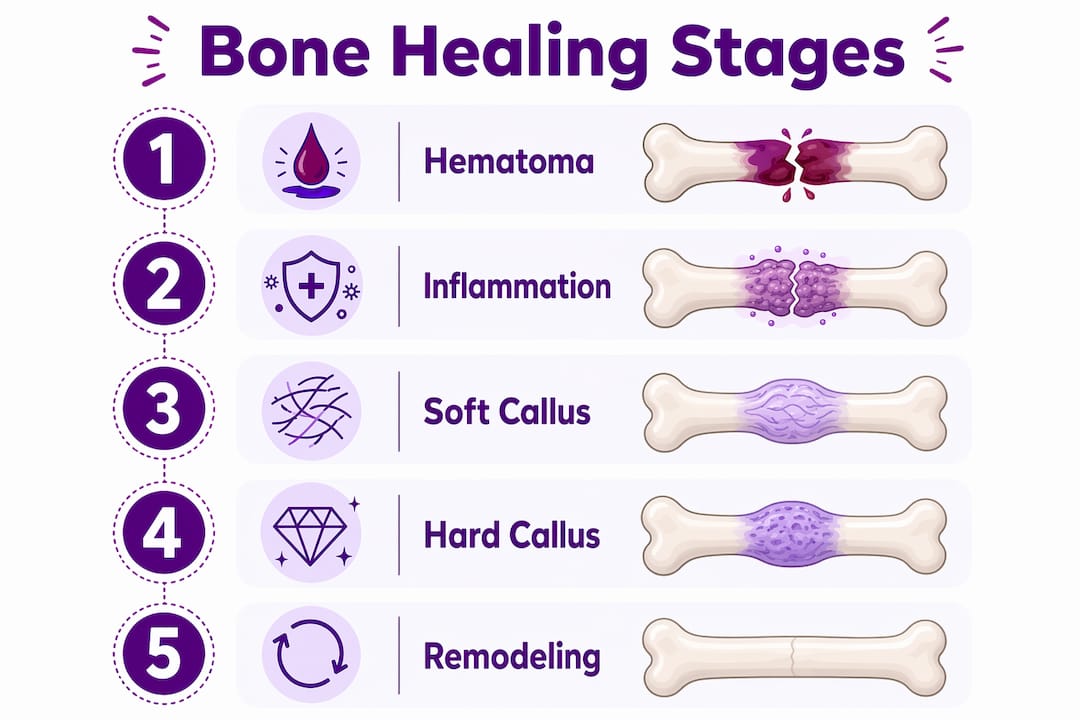
The bone healing process involves five main stages: hematoma formation, inflammation, soft callus formation, hard callus formation, and bone remodeling. Each stage has a specific biological job, and they overlap rather than switch on and off like a timer.
Stage 1: hematoma formation (days 1–7)
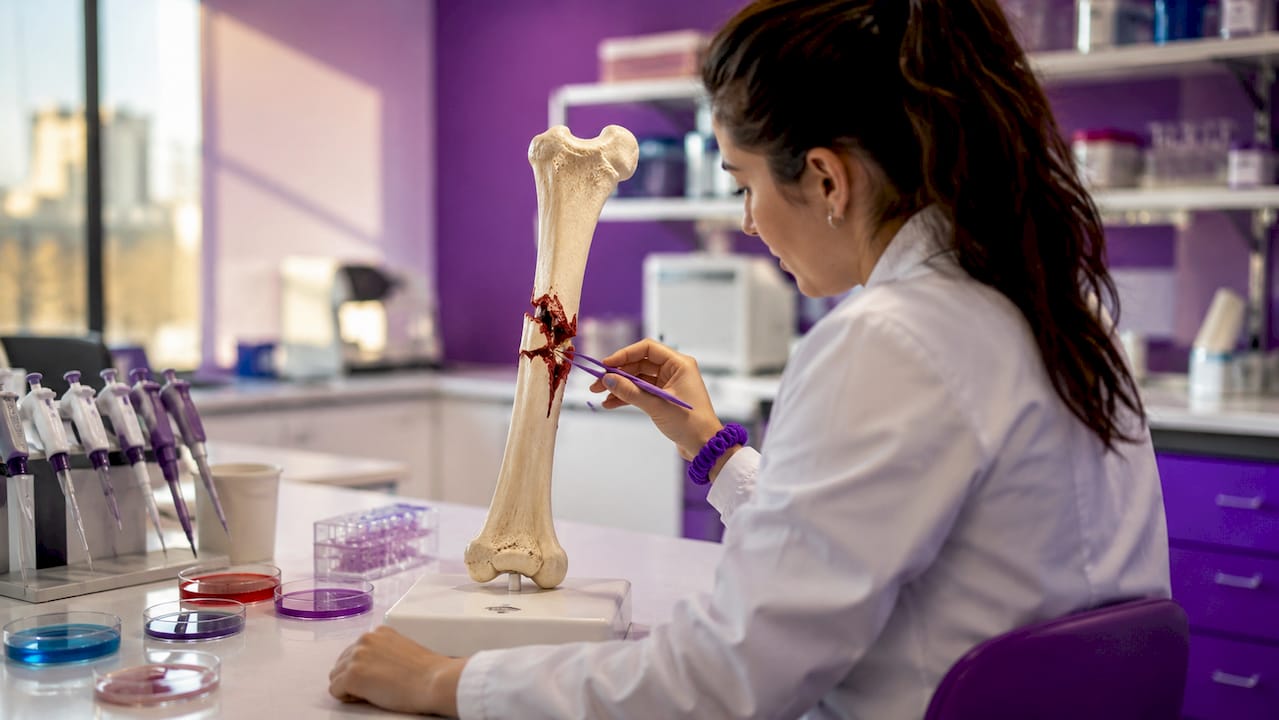
Within hours of a fracture, blood pools at the break site and clots. This hematoma is not a complication. It is the foundation for everything that follows, providing the scaffold that repair cells will colonize.
Stage 2: inflammation (days 1–7)
Immune cells flood the area to clear debris and release chemical signals that recruit bone-building cells. Precise regulation of inflammation is critical here. Too much or too little inflammatory response can impair healing before it really starts.
Stage 3: soft callus formation (weeks 1–6)
Cartilage-like tissue fills the gap between bone fragments. You may feel a soft, rubbery lump at the fracture site. Secondary healing with callus formation is the most common natural repair mechanism in non-surgical fractures, and that lump is a sign your body is doing exactly what it should.
Stage 4: hard callus formation (weeks 4–12)
Calcium deposits replace the soft cartilage, creating a rigid bridge of woven bone. This is the stage where X-rays start showing visible healing. The bone is not yet at full strength, but it is structurally united.
Stage 5: bone remodeling (months to years)
The body reshapes the woven bone into stronger, organized lamellar bone. Remodeling continues for months or even years after the fracture looks healed on imaging. This is why “the X-ray looks good” does not always mean “you are fully recovered.”
Stage | Description | Typical Duration |
Hematoma Formation | Blood clots at the fracture site | Days 1–7 |
Inflammation | Immune cells clear debris and recruit repair cells | Days 1–7 |
Soft Callus | Cartilage bridges the bone gap | Weeks 1–6 |
Hard Callus | Calcium mineralizes the cartilage bridge | Weeks 4–12 |
Bone Remodeling | Woven bone reshapes into strong lamellar bone | Months to years |
Pro Tip: Write down the date of your fracture and use this table as a rough personal timeline. Knowing which stage you are likely in helps you ask better questions at your follow-up appointments.
How does fracture location affect bone healing time?
Healing times vary significantly by fracture location: fingers and toes heal in 3–6 weeks, wrist and ankle fractures take 6–10 weeks, and major load-bearing bones like the femur and tibia require 3–6 months. Location matters because bone size, blood supply, and mechanical stress all differ across the skeleton.
Small bones like those in the fingers have a rich local blood supply relative to their size, which speeds up cell delivery and callus formation. Large bones like the femur carry your full body weight, which means they need a much stronger repair before they can tolerate stress. The tibia, which sits just under the skin with limited surrounding muscle, heals more slowly than the femur partly because its blood supply is less robust.
Fracture Site | Average Healing Time |
Fingers / Toes | 3–6 weeks |
Wrist / Forearm | 6–10 weeks |
Ankle | 6–10 weeks |
Clavicle (Collarbone) | 6–8 weeks |
Tibia (Shin Bone) | 3–6 months |
Femur (Thigh Bone) | 3–6 months |
Weight-bearing bones face a unique challenge. Every step you take applies force to the fracture site, which is why your doctor restricts activity so carefully. Following those restrictions is not overcaution. It is the difference between a fracture that heals cleanly and one that develops a delayed union.
What treatments support bone healing?
Treatment choice depends on whether the fracture is displaced (bone fragments have shifted) or non-displaced (fragments remain aligned). The goal of every treatment is the same: hold the bone in the correct position long enough for the healing stages to complete.
Splinting is used for non-displaced fractures and typically lasts 3–5 weeks. Splints allow some swelling to occur without cutting off circulation, making them the preferred early option.
Casting provides more rigid immobilization for fractures that need longer stabilization. A cast typically stays on for 6–8 weeks, depending on fracture severity and location.
Internal fixation uses metal plates, screws, or rods surgically placed to hold displaced fragments in alignment. This approach is common for femur fractures, complex ankle breaks, and fractures that cannot be held in place by external means alone.
External fixation uses a frame outside the body connected to pins through the skin. This is often a temporary measure for severe fractures or when soft tissue damage prevents immediate surgery.
Alignment during immobilization is not just about comfort. Bones that heal in a misaligned position can cause long-term functional problems, from uneven gait to chronic joint stress.
Pro Tip: If your cast feels too tight, causes numbness, or smells unusual, contact your care team immediately. These are signs that need attention, not patience.
What factors influence the speed of fracture healing?
Healing is not passive. It is biologically orchestrated, requiring a precise sequence of immune responses, cell recruitment, and tissue formation. Several factors within and outside your control directly affect how well that sequence runs.
Factors that slow healing
Smoking impairs blood vessel formation and reduces oxygen delivery to the fracture site. Smoking and diabetes both increase rates of delayed union and nonunion, meaning the bone fails to fully bridge.
Vitamin D deficiency limits calcium absorption, which is the raw material for hard callus formation. Without adequate vitamin D, mineralization stalls.
Poor nutrition deprives the body of the protein, calcium, and micronutrients needed to build new bone tissue. Learn more about post-fracture nutrition and how specific foods support each healing stage.
NSAID overuse is a less obvious risk. NSAIDs may interfere with the early inflammatory signaling that recruits osteoblasts, the cells responsible for building new bone. Use them only as directed by your doctor.
Resuming activity too early is one of the most common mistakes in fracture recovery. Patients often return to movement based on pain disappearing rather than radiographic evidence of healing, which risks delayed union or re-fracture.
Factors that support healing
Controlled weight-bearing, when prescribed by your doctor, actually stimulates bone remodeling by applying the mechanical stress that signals bone cells to strengthen the repair. Adequate sleep, consistent nutrition, and following your daily care schedule all contribute to a smoother fracture recovery timeline.
“Pain going away does not mean the bone is healed. Always get radiographic confirmation before increasing activity.” — Cleveland Clinic
Key takeaways
Bone fracture repair is a staged biological process that continues long after pain disappears, requiring patience, proper nutrition, and consistent medical follow-through to reach full strength.
Point | Details |
Five healing stages | Hematoma, inflammation, soft callus, hard callus, and remodeling each have a distinct role. |
Location drives timeline | Fingers heal in 3–6 weeks; femur and tibia fractures take 3–6 months. |
Immobilization method matters | Splints last 3–5 weeks; casts typically 6–8 weeks; surgery is used for displaced fractures. |
Lifestyle factors are real | Smoking, vitamin D deficiency, and early activity all delay or disrupt healing. |
Remodeling outlasts pain | Bone continues strengthening for months to years after the fracture appears healed on X-ray. |
What i’ve learned from watching people rush their recovery
Here is the thing most people get wrong: they treat the disappearance of pain as the finish line. It is not. Pain is your body’s early warning system, and when it quiets down, it usually means the hard callus stage is progressing well. But the bone is still far from its original strength. The remodeling phase, which is the stage that actually rebuilds organized, load-bearing bone, can take a year or more.
The patients who struggle most are the ones who feel better at week six and go back to full activity. They skip the gradual reintroduction of stress that remodeling requires. Then they re-injure, and the whole clock resets.
What actually helps is treating your fracture recovery timeline as a plan, not a countdown. Follow your immobilization schedule. Get the follow-up X-rays. Ask your doctor specifically when you can increase activity, not just when the cast comes off. Those are two different questions with two different answers.
The other thing worth saying: recovery is hard on your identity, not just your body. You are stuck somewhere between feeling like a patient and feeling like yourself. That is real, and it deserves acknowledgment. Knowledge helps. Knowing you are in the soft callus stage at week three, and that the hard callus is coming, gives you something concrete to hold onto. You are not just waiting. You are healing on a schedule.
— Fracture
Recovery wear that works around your cast
Getting dressed during fracture recovery should not be a daily battle. Fracture-club designs adaptive clothing specifically for people healing with casts, braces, and splints, so you can get on with your day without the frustration.
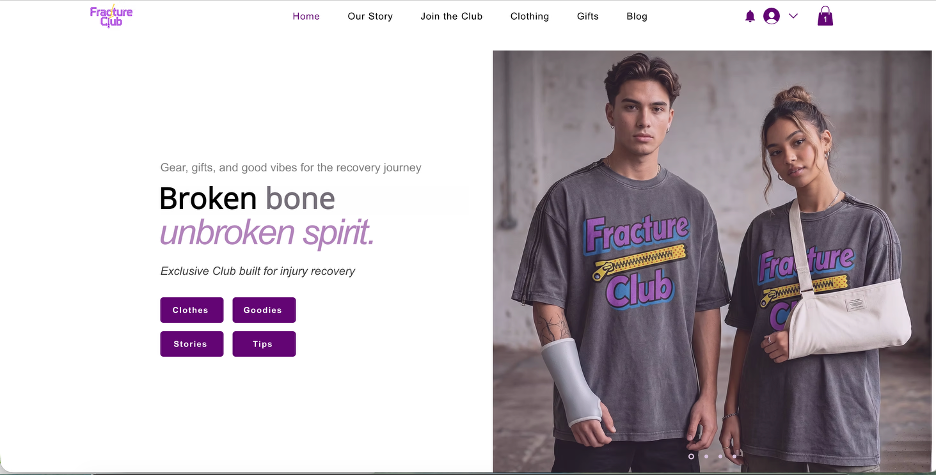
The adaptive recovery pants feature side magnetic zippers that open wide enough to fit over a full leg cast, and the easy-on recovery sweatshirt is built for upper limb injuries, with openings that work around slings and arm casts. Both are designed to feel like real clothes, not medical gear. A portion of every purchase supports the Bone Health & Osteoporosis Foundation. If you want guidance on what to wear during recovery, the fracture recovery clothing guide is a good place to start.
FAQ
How long does it take for a broken bone to heal?
Healing time depends on the fracture location. Fingers and toes heal in 3–6 weeks, wrist and ankle fractures in 6–10 weeks, and major bones like the femur take 3–6 months.
What are the five stages of bone healing?
The five stages are hematoma formation, inflammation, soft callus formation, hard callus formation, and bone remodeling. Each stage overlaps with the next and the full process can take months to years.
Is the lump on my fracture site normal?
Yes. That lump is a callus, and it is a sign of normal secondary bone healing. It forms as cartilage bridges the fracture gap and gradually mineralizes into hard bone.
Can smoking really slow down bone healing?
Smoking impairs blood vessel formation and reduces oxygen delivery to the fracture site, which delays both callus formation and remodeling. It is one of the most significant lifestyle factors affecting bone repair.
When is it safe to return to normal activity after a fracture?
Return to activity should be based on radiographic evidence of healing, not the absence of pain. Always get your doctor’s clearance before increasing load or movement, even if you feel fine.
Recommended
Comments