
Keep Full Support While Hiding a Knee Brace Under Clothes

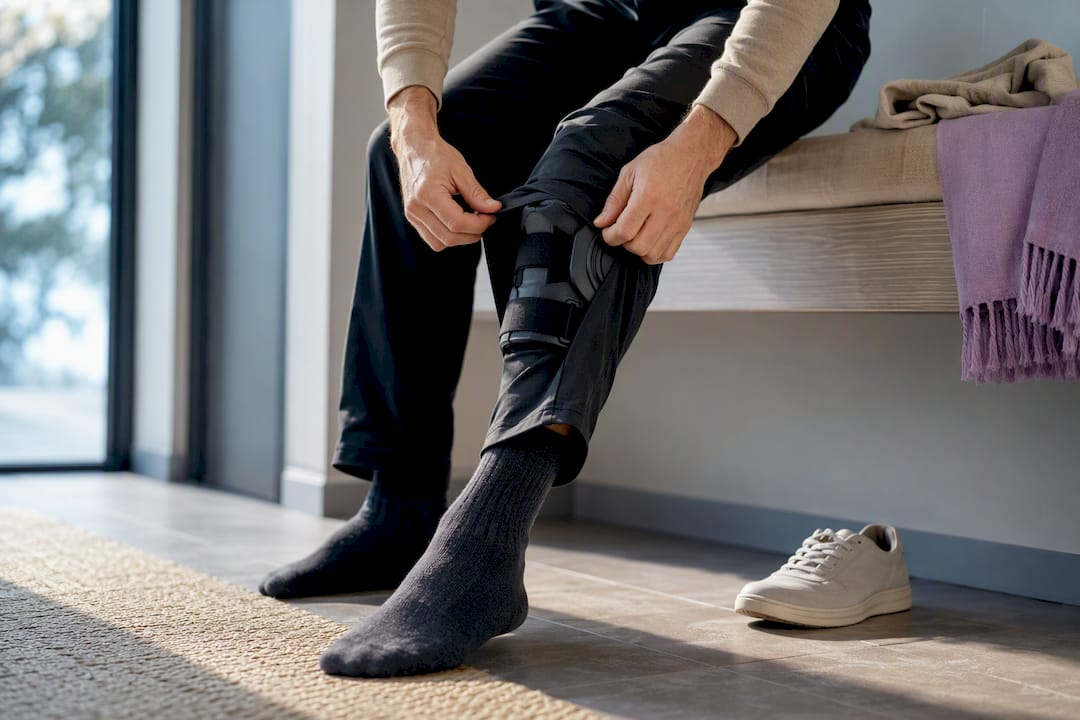
Yes, you can usually hide a knee brace under clothes, but the right approach depends entirely on your brace type. Soft sleeve or compression braces tuck easily under stretchy pants, while bulky hinged or rigid braces often need to stay outside your clothes for safety. Before you dress around it, always check strap tension, hinge alignment, and patella opening placement. If concealment shifts any of those, function has to come before fashion.
TL;DR:
Wearing a rigid or hinged knee brace under clothes risks misalignment and may require looser fabrics to prevent shifting, unlike slim compression sleeves.
Stretchy, matte fabrics like ponte, joggers, and leggings are best for concealing soft braces, while tight denim may cause movement issues or show outlines.
Dressing while seated and pulling fabric slowly over the knee helps prevent hinge misalignment and fabric bunching, reducing discomfort and visible bumpiness.
Proper strap tension, breathable liners, and fabric covers minimize slipping, chafing, and heat buildup, but support takes precedence over concealment when support is compromised.
Adaptive recovery pants with side magnetic zippers offer a discreet, supportive alternative, easing dressing and maintaining correct brace positioning.
Table of Contents
Quick Checklist: Fast Do’s and Don’ts To Hide a Knee Brace Under Clothes
Start with your brace type. A slim compression sleeve is built to disappear under fabric. A hinged, rigid brace is bulkier by design, and forcing it under tight pants can shift the hinge right off your kneecap. That single decision drives almost everything else.
Once you know which category you’re working with, these habits make daily dressing far less frustrating:
Choose stretchy, matte, mid-weight fabrics like ponte or athleisure knits over tight denim or slick nylon, which grip and slide unpredictably.
Add a thin, grippy liner or sleeve if you need extra smoothness, then recheck strap order and hinge alignment after you dress.
Sit down while pulling pants over the brace instead of standing, which flexes the knee and narrows the profile.
Test a few knee bends and a short walk before you head out the door to confirm nothing has migrated.
If dressing around the brace causes pain, pinching, or visible misalignment, wear it outside your clothes that day. No outfit is worth compromising your recovery.
Pro Tip: Keep a small mirror trick in your routine: glance at your knee from the side after sitting for a few minutes. Migration shows up fastest right after you’ve been seated, not while standing still.
What To Wear: Best Pants, Jeans, Leggings, and Skirts for a Discreet Knee Brace
Fabric choice matters more than most people expect. Leggings, joggers, and ponte-knit pants stretch with your hinge instead of fighting it, which is why styling guides consistently point to stretch fabrics as the easiest path to a discreet knee support. Rigid denim, by contrast, has almost no give, so it either bunches awkwardly over the brace or refuses to go on at all.
If jeans are non-negotiable, your cut matters:
Relaxed or straight-leg jeans give the hinge room without pulling tight across the joint.
Stretch denim blends flex enough to move with your knee during normal walking.
Sizing up one size is a common fix when your usual fit catches on the brace shell, and jeans-specific styling advice often recommends this over forcing a snug fit.
Dark, solid colors and busier patterns both hide outlines better than light, smooth fabrics that show every seam.
Skirts and dresses open up an easier option entirely. A knee brace worn over opaque tights or tall socks under a midi skirt reads as intentional, not medical. Pair it with a low boot or a sneaker that matches your outfit’s tone, and the brace practically disappears into the silhouette.
Layering, Liners, and Brace Covers That Smooth Bulk Without Blocking Support
Most brace makers and clinics recommend fitting the brace directly against clean, dry skin for the most stable hold, though a thin liner is acceptable under slim pants when chafing or slipping becomes a bigger issue than the small support tradeoff.
Three tools handle most bulk and friction problems:
Silicone-backed liners grip skin to reduce migration during long days.
Moisture-wicking sleeves cut down on sweat buildup, which is often what causes a brace to slide in the first place.
Fabric brace covers smooth the hard edges of hinges, reducing friction against pants and preventing that telltale rubbing sound when you walk.
Skip anything that presses directly over a therapeutic zone the brace is designed to compress, and never layer something thick enough to trap heat against the joint. Compression-style sleeve braces are already built as low-profile options for wearing under regular clothing, so if concealment is your priority, that brace category does most of the work for you.
How To Put Pants On Over a Brace Without a Fight
Dressing mechanics trip up more people than fabric choice does. A rigid hinge catches on pant seams if you rush it standing up, so slow down and follow a sequence instead:
Apply the brace to clean, dry skin and fasten the straps in the order your brace instructions specify, usually bottom to top.
Sit down and bend your knee slightly before reaching for your pants.
Pull the pant leg up slowly over the hinge, easing fabric past the widest part of the shell rather than yanking it through.
Stand up and recheck that the hinge sits centered over your kneecap and the patella opening lines up correctly.
Walk a few steps and try a stair or two if you have them nearby, then adjust straps if anything feels off.
Pro Tip: Sitting while dressing isn’t just about comfort. Flexing the knee narrows the hinge’s profile enough that pant fabric slides past without catching, a trick occupational therapists teach for exactly this reason.
Fixing Slipping, Chafing, and Overheating
Skin problems under a brace usually trace back to one of three causes: wrong strap tension, the wrong liner, or fabric that doesn’t breathe. Check your skin daily for redness or pressure marks, and wash liners regularly since sweat buildup accelerates both slipping and irritation.
Re-measure your brace sizing if migration keeps happening even after correct strap order.
Add a silicone strip or grippy liner if the brace still slides during normal movement.
Swap to a more breathable outer fabric if heat buildup is your main complaint.
If none of these fixes hold, go back to skin contact instead of a liner, even if it’s slightly less comfortable.
When support and appearance conflict, support wins. A brace that’s shifted out of place isn’t protecting your knee, no matter how good it looks under your jeans.
The Fracture Club Approach to Discreet Brace Wear
Standard pants weren’t designed with hinges and straps in mind, which is exactly the gap Fracture-club’s adaptive recovery pants were built to close. Side magnetic zippers let you open the leg fully, position the brace, and close the fabric around it instead of wrestling pant legs over a hinge one painful inch at a time.
[
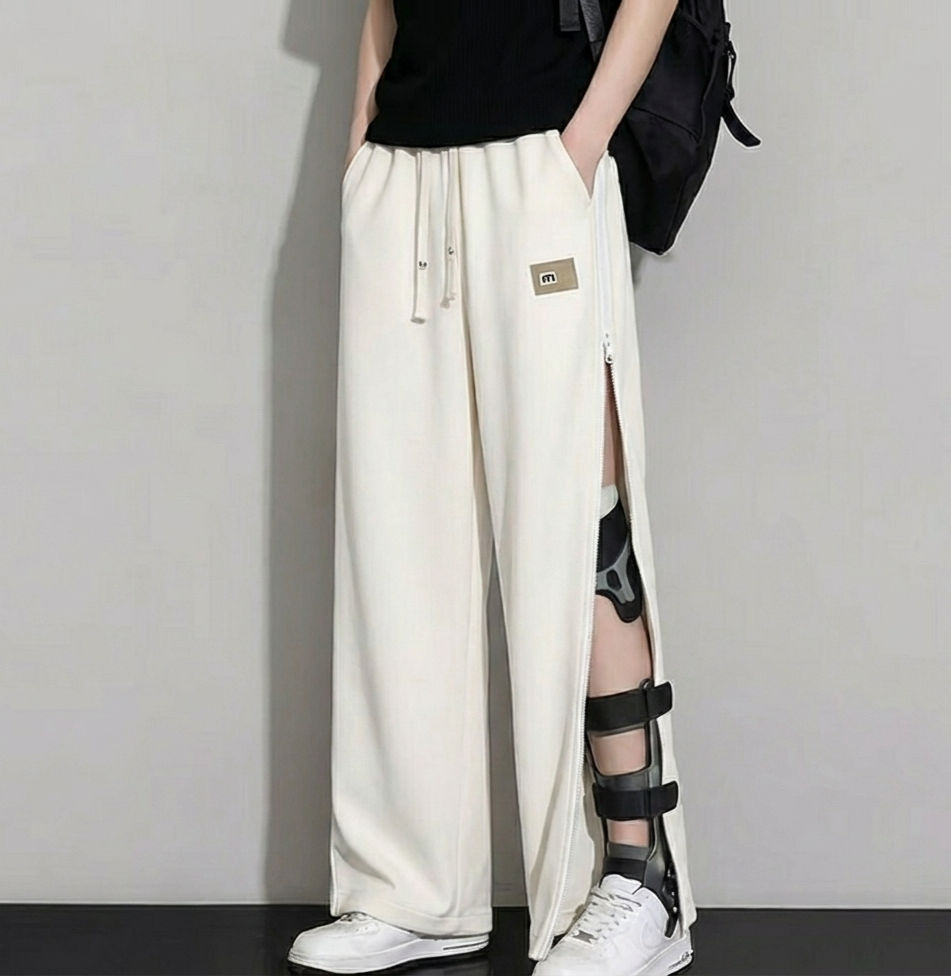
Look for flat seams, a breathable knit, and enough stretch to move naturally without printing every strap line through the fabric. That combination keeps the silhouette clean while leaving your brace exactly where your recovery plan needs it. If your current wardrobe keeps fighting your brace instead of working with it, adaptive pants built for this exact problem are worth trying before you give up on discreet dressing altogether.
Why Fracture-club Exists for Exactly This Problem
You shouldn’t have to choose between a brace that actually supports your knee and clothes that don’t announce your injury to every stranger in the grocery store line. That tension is the whole reason Fracture-club builds recovery wear the way it does.
[

](fracture-club.com)
Adaptive pants use side magnetic zippers so you can dress around a brace instead of forcing your leg through a pant opening never designed for hinges and straps. The fit is soft, breathable, and cut to move naturally, so your outfit doesn’t broadcast “recovery” unless you want it to. If sizing is on your mind, the adaptive clothing fit guide walks through exactly how to measure for a clean, comfortable fit around a brace. And some purchases support the Bone Health & Osteoporosis Foundation, so getting dressed a little easier also does some good beyond your own closet. If mornings have been a struggle, browse the adaptive recovery pants and see if they solve the problem your current wardrobe can’t.
The Real Trade-Off Nobody Talks About
Most advice about hiding a knee brace treats concealment like a styling puzzle, as if the only stakes are whether anyone notices. That framing misses something important: the pressure to look “normal” again is often what pushes people to compromise their recovery in small, invisible ways. Someone sizes down their pants to hide bulk, and three days later their strap tension is off because the fabric keeps forcing the hinge sideways. Nobody warns you that the vanity fix and the support fix can quietly work against each other.
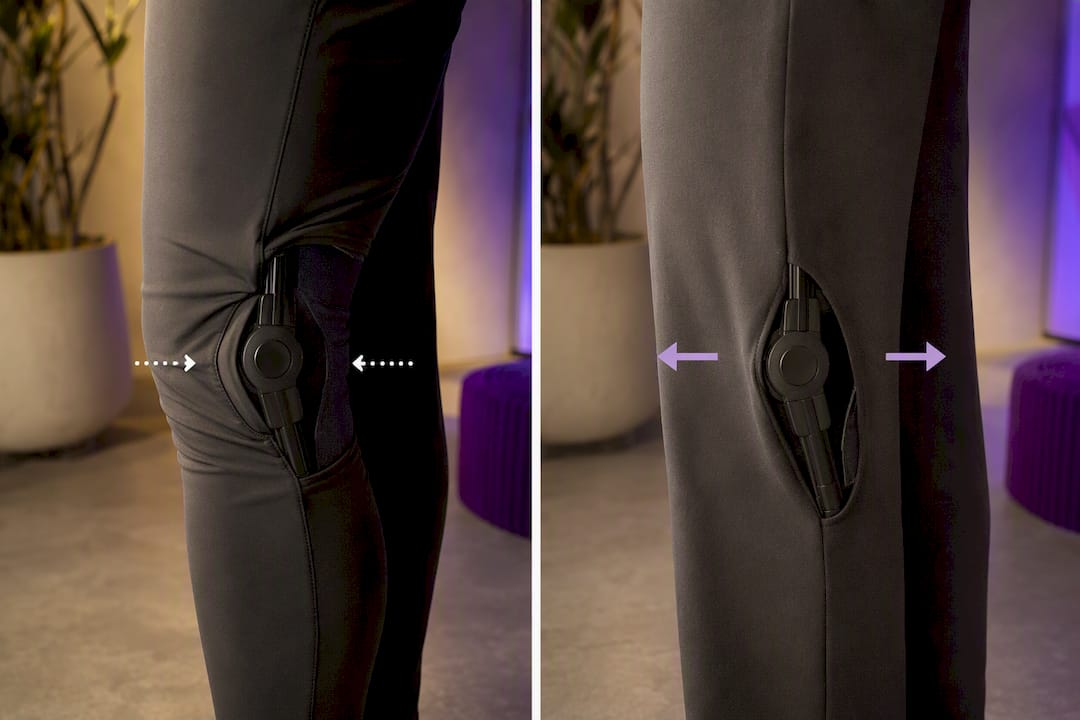
The better mindset isn’t “how do I hide this brace completely.” It’s “how do I dress in a way that lets the brace do its job while looking like a normal Tuesday.” That distinction changes what you reach for in the closet. You stop chasing invisibility and start choosing fabrics and cuts that cooperate with your hinge instead of fighting it. Recovery clothing built specifically for this, rather than borrowed from regular activewear, tends to close that gap faster than any styling trick ever will.
If there’s one thing worth internalizing from all of this: a brace that’s slightly visible but properly aligned will always beat a brace that’s perfectly hidden and slowly migrating out of place.
— Fracture
Sources
Recommended
Comments