
First Two Weeks After Ankle Surgery: Clothes to Dress Without Bending

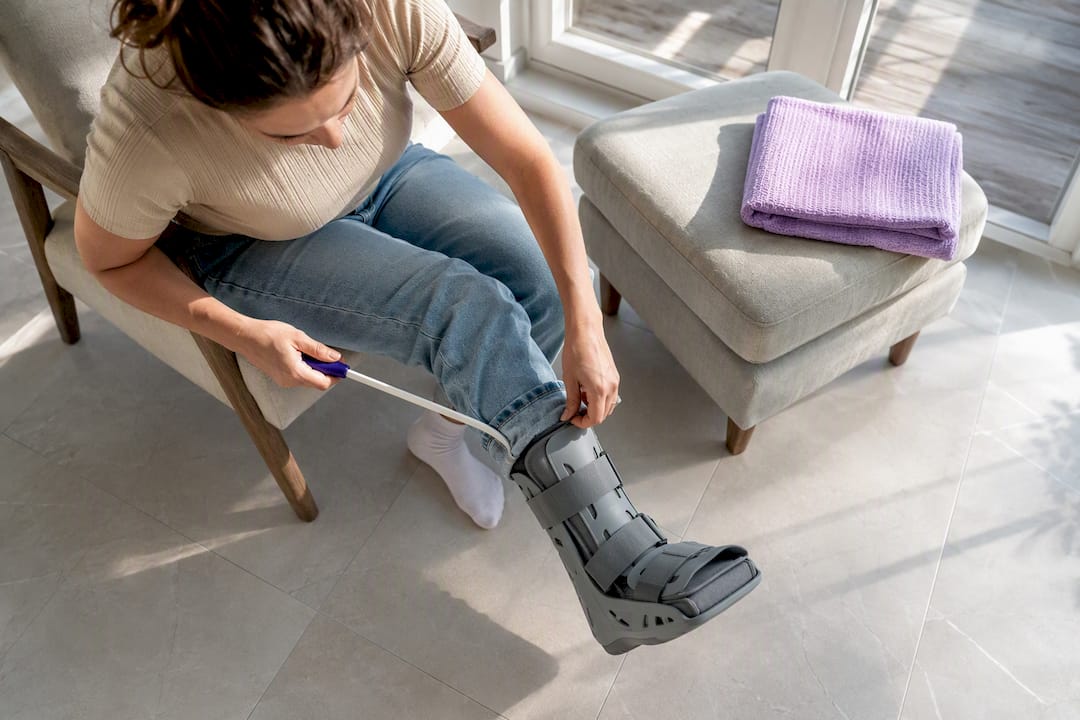
After ankle surgery, stick to loose, adjustable clothing that fits over dressings and swelling, like wide-leg pants or shorts with an elastic waist. On your operated foot, you will wear a post-op shoe or CAM boot; on the other foot, a supportive, non-slip shoe works best. Adaptive garments with side zippers or magnetic closures make dressing far easier when bending and balance are limited.
TL;DR:
Wearing loose, elastic-waist pants or shorts with side zippers or magnetic closures helps accommodate bulky dressings or boots and reduces dressing effort.
Progression from a post-op shoe or CAM boot to supportive athletic shoes, with fitting in the afternoon to account for swelling, is essential for safe healing.
Adaptive garments with flat openings and roomy cuts prevent circulation issues and eliminate the need for bending or straining during dressing.
Getting dressed safely involves sitting down, elevating the leg, and using assistive tools to avoid falls and minimize effort.
Packing easy-on clothing and respecting your surgeon’s timing for footwear changes will support independence and comfort during recovery.
Table of Contents
What Should You Wear on the Day of Ankle Surgery?
Walking into surgical prep already dressed the right way saves you a lot of hassle later. Most surgical centers will ask you to change into a hospital gown before the procedure, so what you arrive wearing matters less than what you leave in. Still, surgical teams recommend loose, comfortable clothing that will slide easily over a bulky dressing or cast once you’re discharged.
Skip anything tight, anything with metal near the surgical site, and definitely skip heels. Front-opening tops and easy-on footwear are consistently recommended because they make changing in and out of a gown simple.
Pack these items for the day:
A button-front shirt or loose top
Wide-leg sweatpants or shorts without tight elastic bottoms
A robe for coverage and warmth at discharge, since staff commonly ask patients to bring one
A non-slip, supportive shoe for your non-operative foot
A small bag for the clothes you arrive in
How Do You Fit Clothes Over a Cast, Boot, or Splint?
This is where recovery clothing either helps you or fights you every single day. A bulky dressing, cast, or CAM boot can add several inches of width to your lower leg, so your usual pants are probably not going to work for weeks.
Reach for these garment styles instead:
Wide-leg or elastic-waist pants that skip a fitted ankle cuff entirely.
Shorts when the weather allows. They eliminate the fitting problem altogether.
Wrap skirts or roomy dresses, which slide on without threading a boot through a leg opening.
Calf-length leggings that stop above the boot line instead of bunching underneath it.
Side-zip or magnetic-closure pants designed specifically to open flat rather than pull on.
Size up on purpose — a good starting point is the Recovery gear sizing guide that helps match garments to your dressings and boot dimensions. Swelling tends to build through the day, so clothes that fit fine at 8 AM can feel tight by evening. Look for an elastic waistband or drawstring, and leave extra room through the calf and ankle.
Getting fabric over a rigid boot usually means rolling the pant leg into a loose ring and walking your foot through it, rather than trying to pull the whole garment down. A dressing stick can help guide fabric past a splint without you having to bend forward.
Pro Tip: Side-zip pants let you lay the garment flat, set your leg inside, and close the zipper without bending toward your foot at all. That single design choice removes most of the awkward maneuvering that makes dressing exhausting in the first two weeks.
What Footwear Do You Need After Ankle Surgery?
Your footwear will change several times before you’re back in regular shoes, and knowing the sequence ahead of time keeps you from panicking when your surgeon tells you to switch. A post-op shoe or CAM boot protects the surgical site and limits motion while the ankle heals. The post-op shoe typically has a roomy toe box, adjustable straps, and a rigid sole so you can bear weight safely around bandages.
Recovery footwear generally progresses in stages:
An initial period using a surgical shoe or CAM boot most or all of the day depending on your procedure
A later transition to a supportive athletic shoe as swelling and stability improve
Eventually you can return to regular footwear, with timing depending heavily on the specific surgery
Foot and ankle specialists specifically recommend fitting shoes in the afternoon, when swelling has peaked for the day, rather than first thing in the morning when your foot is at its smallest.
A few practical fitting habits make a real difference. Choose shoes with adjustable closures instead of laces you can’t reach easily. Ask your surgeon about a heel lift for the non-operative shoe. It can equalize limb length while you’re wearing a bulky boot on one side. And never switch out of your prescribed boot early just because you feel ready. That decision belongs to your surgeon, not your calendar.
How Do You Get Dressed Independently With Limited Mobility?
Dressing yourself safely comes down to sequence and setup, not effort. Sit down before you start. Standing on one leg while wrestling a pant leg over a boot is how falls happen.
Sit and elevate your operated leg on a stool or ottoman before you begin.
Dress your non-operative leg first, then work the garment up and over the boot last.
Use assistive tools rather than reaching or bending toward your foot.
Keep everything you need within arm’s reach, since standing back up mid-task defeats the purpose.
A few low-cost tools make a bigger difference than most people expect: a sock aid, a long-handled shoehorn, a dressing stick, and a grabber for anything that lands on the floor. Adaptive clothing with side openings reduces how often you need these tools at all, since there’s less bending built into the design.
Keep dressings dry during laundry days by laying out a full outfit change before you shower or bathe. For swelling, elevation above heart level and scheduled icing remain the most consistent home strategies. If your care team recommends a compression sock, ask specifically how high it should sit relative to your incision, since compression too close to a surgical site can cause more harm than good.
Why Adaptive Clothing Solves a Real Dressing Problem
Fracture Club builds its recovery garments around one problem: bending toward a healing ankle is uncomfortable, sometimes risky, and exhausting to do multiple times a day. Side magnetic zippers let pants open flat so you step in rather than pull on, and roomy cuts leave space for a boot or cast without cutting off circulation.
[
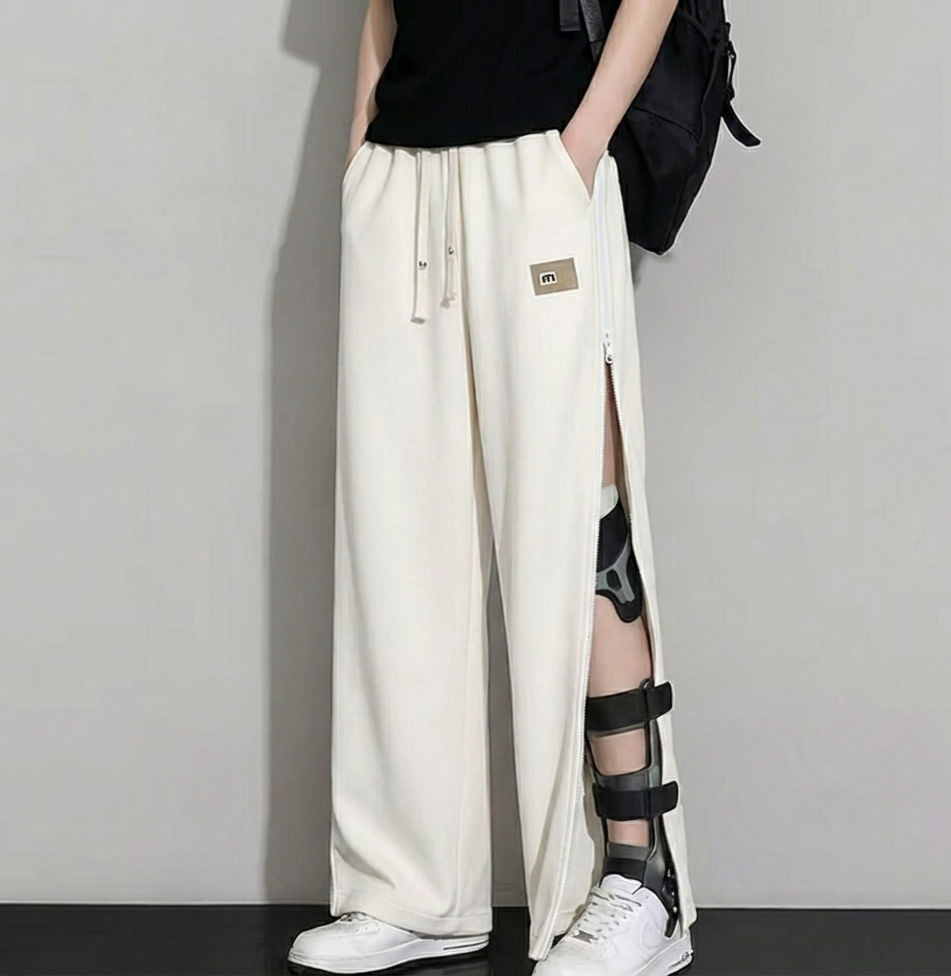
These aren’t clinical devices. They’re a practical convenience that sits alongside your surgeon’s instructions, not in place of them. For more on the thinking behind adaptive features like these, the Fracture Club post on dressing without raising an arm or bending toward a leg walks through the design logic in more depth, and the community shares real recovery stories if you want to feel less alone in the process.
A Note From Fracture Club
Recovery strips away a lot of your independence overnight, and getting dressed shouldn’t be the hardest part of your day. Prioritize comfort, follow your surgeon’s guidance closely, and let your clothing work with your healing instead of against it.
— Fracture
Find Fracture Club’s Adaptive Recovery Wear
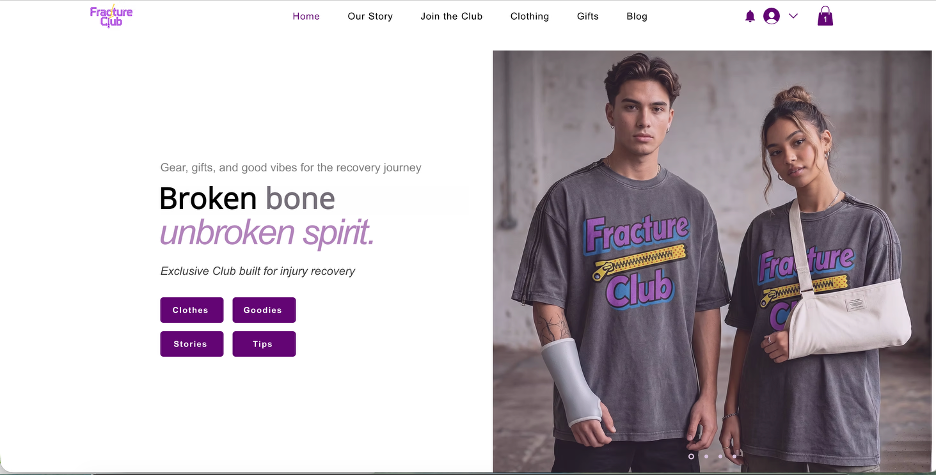
Fracture Club designs the exact garments this article describes: clothing built to open flat instead of pulling on, so dressing doesn’t cost you balance or energy.
[
](fracture-club.com)
The Unisex Easy-On/Off Adaptive Recovery Pants with Side Magnetic Zippers are built for exactly the scenario covered above: a boot or cast that won’t fit through a normal pant leg. The side zippers open the entire seam, so you set your leg in place and close it up without bending forward.
For upper-body comfort during recovery, the Unisex Easy-On/Off Sweatshirt suits anyone managing crutches, a wrist injury from a fall, or just limited shoulder mobility while balancing on one leg. If your situation calls for a custom fit or you’re buying for a group, reach out through the inquiry page to talk specifics.
Start with the adaptive pants product page and see if the sizing matches your current boot or cast measurements.
Sources
FAQ
What are the must-have items after ankle surgery?
Loose, elastic-waist clothing, a well-fitted post-op shoe or CAM boot, a non-slip shoe for your other foot, and at least one assistive tool like a sock aid or grabber cover most of what you’ll actually reach for daily.
What is the hardest day after ankle surgery?
Most patients find the initial days toughest, when swelling and pain peak before the boot and dressing routine feels manageable, so plan extra help and rest during that window.
What do people wish they knew before ankle surgery?
Many wish they had bought loose pants and adaptive garments before surgery instead of during recovery, since finding clothes that fit over a fresh cast or boot is much harder once you’re already dealing with limited mobility.
How long do you need to rest after ankle surgery?
Rest duration depends entirely on your specific procedure, but most surgeons recommend elevating and limiting weight-bearing heavily in the first one to two weeks, with gradual activity increases guided by your own surgical team.
Recommended
Comments