
Best CancerBeGlammed.com Alternatives for Cancer Recovery

What are the best alternatives to cancerbeglammed.com?
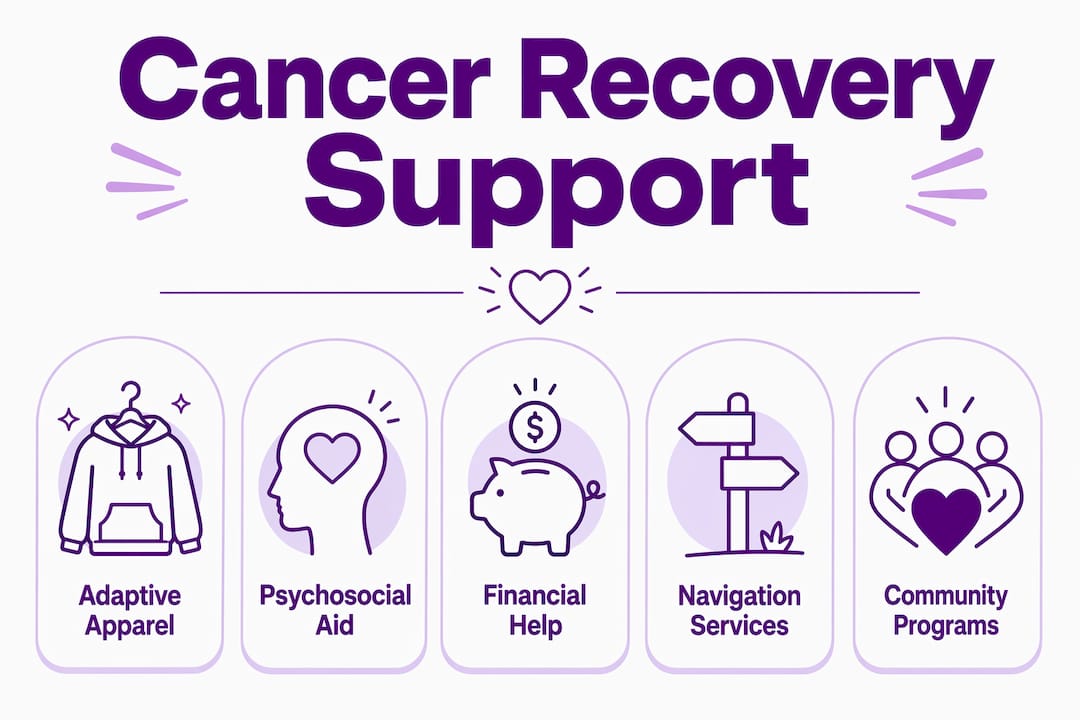
Recovery looks different for everyone, but the right resources make a real difference. If you’re searching for cancerbeglammed.com alternatives, here are the strongest options covering adaptive apparel, psychosocial support, and practical care:
Care+Wear: Clinically informed adaptive apparel including port-access tops, PICC line covers, and post-surgical wear designed with oncology nurses and patients.
American Cancer Society: Free support programs, a 24/7 helpline, transportation assistance through Road to Recovery, and Hope Lodge lodging for patients traveling for treatment.
Cancer Support Community: Free professionally led support groups, financial navigation, and a Cancer Support Helpline staffed by trained navigators available by phone and live chat.
CancerCare: Free counseling, support groups, and financial assistance provided by professional oncology social workers, serving patients and caregivers for over 80 years.
Fracture-club: Adaptive recovery wear with easy-on, easy-off design built for people healing from surgery or injury, combining functional style with community encouragement.
Each option addresses a different piece of recovery. The sections below break down what each delivers and how to choose.
1. Care+Wear: adaptive apparel built for clinical needs
Care+Wear stands out among specialized adaptive apparel brands because its products are co-designed with oncology nurses and patients. That collaboration shows up in the details: PICC line covers with antimicrobial fabric, port-access tops with discreet openings, and post-surgical bras designed to accommodate drains. The brand ships across the US and accepts returns within 30 days of purchase.
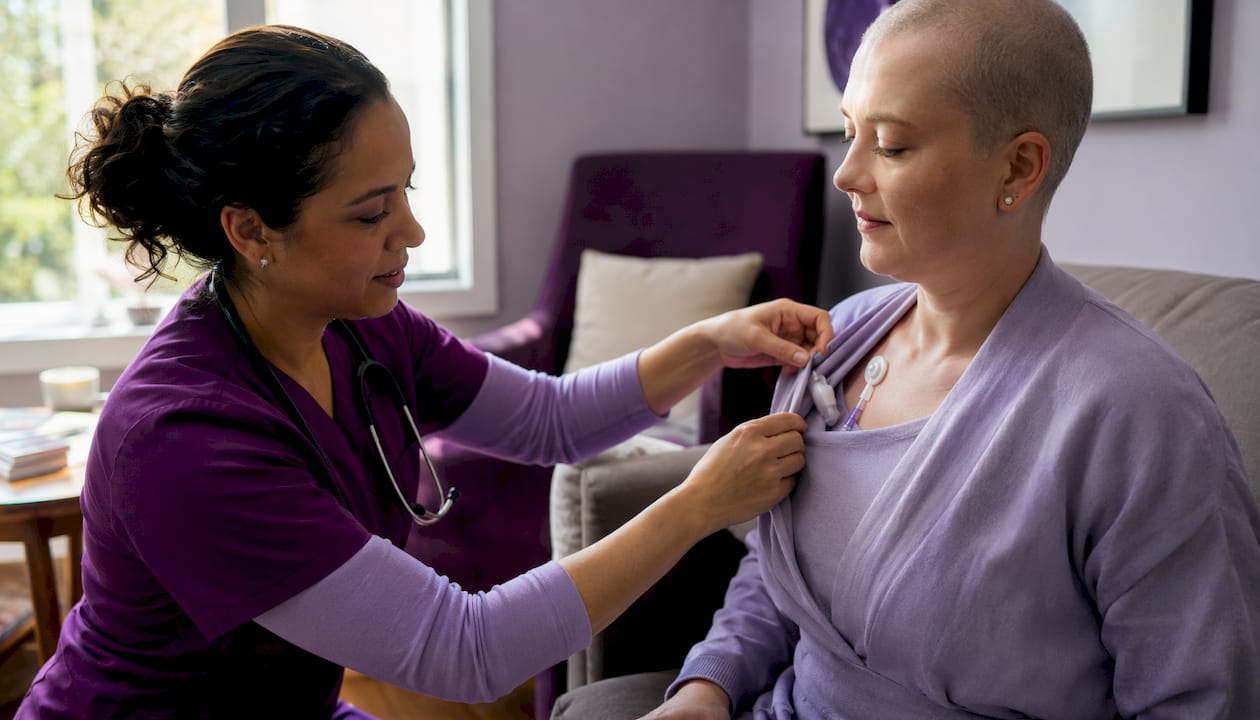
What sets Care+Wear apart from generic recovery wear is its focus on clinically informed fabrics and medical device compatibility. A standard soft shirt does not account for catheter placement or radiation-sensitive skin. Care+Wear does. Pricing runs from roughly $30 for PICC covers to $80 or more for post-surgical tops, putting it in a mid-range price point for specialty adaptive wear.
Pro Tip: When ordering port-access or PICC line clothing, confirm the opening placement matches your specific device location before purchasing. Left-side and right-side placements differ, and the wrong side means the garment is useless.
2. American Cancer Society: practical support at every stage
The American Cancer Society offers one of the broadest support networks available to US cancer patients. Its 24/7 helpline connects callers with trained specialists who answer clinical questions and link people to local resources. The Road to Recovery program provides volunteer drivers for patients who cannot get to treatment on their own, and the Hope Lodge program removes lodging costs for patients receiving treatment far from home.
Beyond logistics, the ACS runs ACS CARE, a one-on-one support program pairing newly diagnosed patients with curated information and a dedicated support contact. The ACS EMPOWER program at Hope Lodge locations adds free education sessions covering physical, emotional, and social health during treatment. These services complement any apparel purchase by addressing the barriers that often prevent people from getting to treatment in the first place.
3. Cancer Support Community: navigation when you need it most
The Cancer Support Community operates a network of over 200 locations across the US, offering in-person and online programs led by licensed professionals. Its Cancer Support Helpline is staffed by navigators who specialize in financial concerns, clinical trials, pediatric oncology, and CAR T cell therapy, with bilingual Spanish services and translation support in over 200 languages.
What makes CSC particularly useful for people exploring cancer care platforms is the depth of its navigation. Callers get connected to local transportation, lodging, counseling referrals, and peer matching, not just a list of links. The psychosocial support model CSC uses recognizes that recovery is multi-dimensional, integrating emotional resilience with practical problem-solving. You can reach the helpline toll-free at 888-793-9355.
Pro Tip: Use the Cancer Support Community’s CancerSupportSource online distress screening tool before your first helpline call. It helps navigators understand your specific needs faster and match you to the right programs immediately.
4. CancerCare: free professional counseling and financial help
CancerCare has provided free support to people affected by cancer for over 80 years, making it one of the most established cancer support sites in the US. Its oncology social workers offer individual counseling, support groups by phone and online, and financial assistance for treatment-related costs. Caregivers and bereaved family members qualify for services too, not just patients.
The financial assistance program is particularly practical. CancerCare helps with co-payments and cancer-related expenses that insurance does not cover, a gap that catches many families off guard. Workshops on coping with treatment side effects run regularly, and community programs extend support beyond the clinical setting. For anyone building a full recovery resource network, CancerCare fills the counseling and financial gap that apparel brands cannot.
5. Psychosocial and practical support organizations you should know
Beyond the major names, several US organizations offer targeted support that complements your apparel choices and day-to-day recovery needs.
National Cancer Information Center (American Cancer Society): Available 24/7 for questions about diagnosis, treatment options, and local resource referrals.
Cancer Support Community Helpline navigators: Specialized in financial, clinical trials, genetics, and pediatric oncology concerns, available by appointment.
Joe’s House: Partnered with the Cancer Support Community to provide discounted or low-cost lodging near treatment centers.
Road to Recovery (ACS): Volunteer driver network for patients without transportation to treatment appointments.
Hope Lodge (ACS): Free lodging program removing financial barriers for patients traveling for care.
Major cancer organizations like the ACS provide referrals to local resources including lodging and transportation that directly lower treatment access barriers. Pairing these services with the right adaptive clothing creates a more complete recovery plan than either resource alone.
6. What are the best alternative adaptive apparel brands in the US?
The strongest US-based adaptive apparel brands for cancer recovery focus on three things: medical device access, fabric comfort for sensitive skin, and ease of dressing independently. Care+Wear leads for clinical-grade products. For post-mastectomy wear specifically, several specialty retailers offer prosthesis-compatible bras and camisoles with drain pockets built in.
Adaptive clothing for recovery varies widely by medical need. Not every brand that uses the word “adaptive” has designed for oncology-specific situations like radiation skin sensitivity, ostomy management, or post-mastectomy reconstruction. When evaluating any brand, look for products developed with clinical input, not just soft fabrics marketed as recovery wear. Fracture-club’s approach to easy-on recovery clothing offers useful guidance on what genuine adaptive design looks like in practice.
7. Key features to look for in cancer recovery clothing
Choosing recovery clothing is not just about comfort. The right garment actively supports your treatment and independence.
Port and PICC line access: Discreet openings positioned at the correct side for your device, with closures that stay secure during movement.
Drain management pockets: Internal or external pockets sized for surgical drains, keeping tubes organized and reducing pulling on incision sites.
Radiation-friendly fabrics: Soft, non-irritating materials free of synthetic dyes and rough seams that can aggravate radiation-treated skin.
Magnetic or Velcro closures: Fasteners that work with limited hand strength or range of motion, especially post-surgery.
Prosthesis compatibility: Bras and tops with pockets or panels that accommodate breast forms after mastectomy.
Easy-on, easy-off design: Garments that do not require overhead lifting or complex fastening when arm mobility is restricted.
Survivor perspectives consistently highlight that style matters too. Feeling like yourself rather than a patient has a real psychological effect on recovery. The best recovery clothing delivers both function and a look you actually want to wear.
8. How do product ranges and pricing compare among top alternatives?
Brand / Resource | Product Focus | Price Range | US Shipping | Return Policy |
Care+Wear | PICC covers, port tops, post-surgical wear | $30–$80+ | Yes, nationwide | 30-day returns |
American Cancer Society | Support services, no apparel retail | Free services | N/A | N/A |
Cancer Support Community | Support programs, navigation | Free programs | N/A | N/A |
CancerCare | Counseling, financial assistance | Free services | N/A | N/A |
Fracture-club | Adaptive recovery pants, sweatshirts | Mid-range | Yes, US | Contact for details |
Pricing for adaptive apparel varies by product complexity. Simple PICC covers sit at the lower end; post-surgical bras with drain pockets and prosthesis compatibility cost more. Support organizations carry no product cost at all, making them a zero-barrier complement to any apparel purchase. For apparel with genuine adaptive design, expect to pay more than you would for standard loungewear. That difference reflects clinical input, specialized construction, and materials chosen for medical compatibility.
Fracture-club offers a different kind of recovery wear
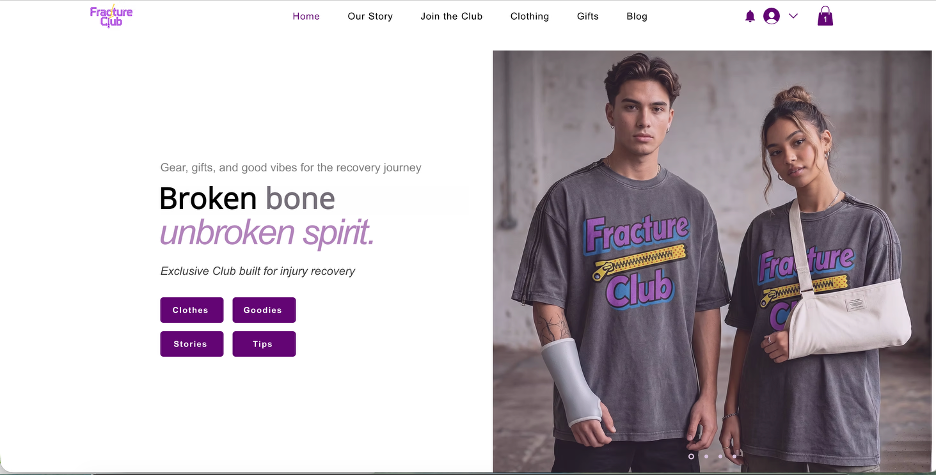
If you’ve been comparing cancer recovery apparel options and want something that goes beyond the clinical, Fracture-club is worth a look. The brand builds adaptive recovery pants and sweatshirts designed for people who need easy dressing without sacrificing style. Magnetic side zippers and thoughtful construction mean you can get dressed independently, even when mobility is limited after surgery.
[
](fracture-club.com)
Fracture-club’s approach is grounded in community and encouragement, with a portion of proceeds supporting the Bone Health & Osteoporosis Foundation. That social responsibility thread runs through everything the brand makes. It’s not a direct replacement for oncology-specific port-access wear, but for everyday recovery comfort, post-surgical ease, and the feeling of wearing something you actually like, it fills a real gap. Browse the full recovery collection or reach out through the inquiry services page to find the right fit for your recovery.
Key Takeaways
The strongest cancer recovery support combines adaptive apparel with psychosocial resources, because clothing and emotional care address different but equally real recovery needs.
Point | Details |
Adaptive apparel specifics matter | Look for port access, drain pockets, and radiation-safe fabrics, not just soft materials. |
Support organizations are free | American Cancer Society, Cancer Support Community, and CancerCare offer free services covering counseling, navigation, and financial help. |
Style supports recovery | Survivor perspectives confirm that feeling like yourself, not a patient, has genuine psychological benefits during treatment. |
Patient navigators personalize care | Navigators filter and match resources to your specific clinical situation, saving time and reducing stress. |
Fracture-club for everyday recovery | Fracture-club’s adaptive pants and sweatshirts offer easy-on, easy-off design with community-driven encouragement built in. |
Recommended
Comments