
Bone Density Loss: Common Mistakes to Avoid in 2026
- T. Armstrong

- Jul 8
- 8 min read
Bone density loss, clinically known as osteopenia or osteoporosis when severe, is driven by specific, correctable mistakes in daily nutrition, exercise, and lifestyle. The National Osteoporosis Foundation estimates that millions of Americans are affected, yet most cases involve the same identifiable errors repeated across age groups. The common mistakes behind bone density loss are not mysterious. They are predictable, well-documented, and fixable. Understanding them is the first step toward protecting your bones before a fracture forces the issue.
1. Common mistakes in bone density loss: skipping enough calcium
Calcium is the primary mineral in bone tissue, and failing to meet daily intake is one of the most widespread bone health errors. Current 2026 guidance sets the minimum at 1,000 mg per day for adults, rising to 1,200 mg for women over 50 and men over 70. That gap between what most people eat and what bones actually need is where density loss quietly begins.
Dairy products, fortified plant milks, sardines, and leafy greens like kale all deliver meaningful calcium. Relying on one source alone rarely closes the gap. Spreading calcium intake across meals also improves absorption, since the body absorbs smaller doses more efficiently than one large bolus.

Pro Tip: Split your calcium-rich foods across two or three meals rather than loading them all at dinner. Absorption drops sharply when you take more than 500 mg at once.
2. Ignoring protein’s role in bone structure
Most people associate protein with muscle, not bone. That is a costly oversight. Calcium binds to type 1 collagen protein to form the bone matrix, meaning that without adequate protein, calcium has nowhere to anchor. The recommended intake for bone support sits at 1.0–1.2 g per kilogram of body weight per day.
Low protein intake is especially common in older adults who reduce meat consumption without replacing it with legumes, eggs, or dairy. The result is a bone matrix that weakens even when calcium intake looks fine on paper. Protein also supports the muscles that load and stimulate bone, creating a double benefit when intake is adequate. Read more about protein and bone healing to understand how this works at a cellular level.
3. Falling into the supplement trap
The most frequent clinical mistake is taking calcium and vitamin D supplements alone and expecting results. Isolated supplements without protein or exercise do not effectively increase bone density because mechanical stress is required for bone mineralization. Supplements support a good diet and active lifestyle. They cannot replace either one.
Vitamin K2 and magnesium are two nutrients that most supplement users overlook entirely. Vitamin K2 directs calcium into bone rather than soft tissue. Magnesium activates vitamin D and supports bone crystal formation. Taking calcium without these co-factors is like buying lumber without nails.
4. Overlooking gut health and absorption
You can eat a calcium-rich diet and still lose bone density if your gut is not absorbing minerals properly. Poor gut health disrupts absorption of both calcium and magnesium, making high nutrient intake ineffective. Conditions like low stomach acid, irritable bowel syndrome, or chronic inflammation all reduce mineral uptake.
Probiotic-rich foods such as yogurt, kefir, and fermented vegetables support the gut lining and improve mineral absorption. If you take a proton pump inhibitor for acid reflux, talk to your doctor about its effect on calcium absorption, since this class of medication reduces stomach acid needed to dissolve calcium carbonate.
5. Relying on cardio and skipping resistance training
Cardio exercise is good for your heart and general health, but it does not build bone density. Walking and cycling maintain existing bone levels at best. Resistance training and mechanical loading are what actually stimulate bone formation by creating the physical stress that signals your body to deposit more mineral.
Squats, lunges, deadlifts, and resistance band exercises all qualify as bone-loading activities. Even bodyweight exercises like push-ups and step-ups create enough mechanical stress to trigger adaptation. The key is progressive overload: gradually increasing resistance over time so bones continue to receive a stimulus worth responding to.
Pro Tip: Add two resistance training sessions per week to your existing cardio routine. You do not need a gym. Resistance bands and your own body weight are enough to start.
6. Starting exercise too aggressively
Jumping into high-impact, high-intensity workouts without building a base is a common and painful mistake. Starting too aggressively can cause injury and setback, which then forces weeks of inactivity, the exact opposite of what bones need. Bone adaptation is a slow process that rewards consistency, not intensity spikes.
A smarter approach is to begin with low-impact weight-bearing activities like brisk walking or light resistance work, then progress gradually over 8–12 weeks. Individuals over 65, those with a fracture history after age 50, or those who experienced early menopause should get a bone density screening before starting any vigorous program.
7. Skipping balance and fall-prevention training
A bone that never breaks is stronger than any bone that heals. Balance training directly reduces fracture risk by preventing the falls that cause them. Tai chi, single-leg stands, and stability exercises all train the neuromuscular system to catch you before you hit the ground.
Most bone health programs focus entirely on density and ignore this layer of protection. That is a mistake. A person with moderate bone density and excellent balance is often safer than someone with higher density and poor coordination. Incorporate balance work at least twice a week, even if it is just standing on one foot while brushing your teeth.
8. Smoking and drinking too much alcohol
Smoking and heavy alcohol consumption both elevate fracture risk and actively hinder bone formation. Smoking reduces blood supply to bone tissue and lowers estrogen levels, which accelerates bone loss in women. Alcohol interferes with the liver’s ability to activate vitamin D and disrupts calcium balance.
Even moderate smoking causes measurable bone loss over time. The good news is that quitting smoking produces measurable improvements in bone density within a few years. Limiting alcohol to no more than one drink per day for women and two for men keeps the risk manageable. These are not small lifestyle tweaks. They are significant levers for bone health.
9. Neglecting bone density screening
Bone loss is silent. You will not feel it until a fracture happens. Skipping bone density screening when risk factors are present is one of the most consequential mistakes affecting bone health. Individuals over 65, those with fractures after 50, or those with early menopause should be tested before symptoms appear.
A DEXA scan is the standard tool for measuring bone mineral density. It is quick, painless, and gives you a T-score that tells you exactly where you stand. Knowing your baseline allows you and your doctor to make targeted decisions about diet, exercise, and medication rather than guessing. Check the 2026 screening guide for updated protocols on when and how to get tested.
10. Misusing bone-strengthening medications
Bisphosphonates like alendronate are effective for preserving bone density, but only when taken correctly. Bisphosphonate medications require an empty stomach, a full glass of water, upright posture, and a 30–60 minute wait before eating or drinking coffee. Skipping these steps reduces absorption and raises the risk of esophageal irritation.
Treatment duration typically runs 3–5 years, after which your doctor may recommend a “drug holiday” to reduce the rare risk of atypical fractures. Many people either stop too early or continue indefinitely without reassessment. Neither approach is correct. Medication management for bone health requires regular follow-up, not a set-and-forget mindset.
11. Waiting too long to start
Bone health management should begin proactively in your 30s and 40s, when you still have time to build a bone reserve before natural decline accelerates. Most people do not think about bone density until a fracture or a diagnosis forces the conversation. By then, significant density has already been lost.
Peak bone mass is reached in your late 20s. After that, the goal shifts to preservation. Starting strength training, optimizing calcium and protein intake, and reducing smoking and alcohol in your 30s and 40s creates a buffer that pays dividends decades later. Waiting until menopause or a fracture is the most expensive mistake of all. Review the long-term bone health guide for a full picture of why early action matters.
12. Excessive fiber supplements blocking mineral absorption
Fiber is healthy, but too much of the wrong kind at the wrong time creates a hidden problem. Excessive fiber supplements can interfere with calcium and magnesium absorption, binding to these minerals in the gut before they can be absorbed. This is a pitfall that catches many health-conscious people off guard.
The fix is simple: take fiber supplements at a different time than calcium-rich meals or calcium supplements. Whole food fiber sources like vegetables and fruits carry far less risk than concentrated fiber powders. If you use a fiber supplement daily, space it at least two hours away from your main calcium intake.
Key takeaways
Correcting the common mistakes behind bone density loss requires a consistent, multi-layered approach that combines adequate nutrition, regular resistance training, and proactive screening.
Point | Details |
Calcium and protein together | Aim for 1,000–1,200 mg calcium daily and 1.0–1.2 g/kg protein to support bone matrix formation. |
Resistance training is non-negotiable | Cardio maintains bone; resistance training builds it. Add two sessions per week minimum. |
Supplements alone do not work | Calcium and vitamin D without exercise and protein do not effectively increase bone density. |
Screen before symptoms appear | Get a DEXA scan if you are over 65, had a fracture after 50, or experienced early menopause. |
Start early, stay consistent | Building bone reserves in your 30s and 40s protects you from accelerated loss later in life. |
What I have learned about bone health the hard way
Working closely with people recovering from fractures, I have seen one pattern repeat itself more than any other. People do everything right after the fracture. They take their supplements, they do their physical therapy, they read every article they can find. The problem is that most of that effort would have been far more powerful ten or twenty years earlier.
The supplement trap is real, and it is seductive. Taking a calcium pill feels like doing something. But bone is living tissue that responds to stress, not just chemistry. The people I have seen maintain the best bone health long-term are not the ones with the most elaborate supplement stacks. They are the ones who lift something heavy twice a week, eat enough protein, and do not smoke.
I also think the gut-bone connection is the most underappreciated factor in this conversation. You can have a perfect diet on paper and still lose bone density if your gut is inflamed or your stomach acid is suppressed. That is the kind of detail that gets lost when bone health advice stays surface-level.
The most honest thing I can tell you is this: bone health is not a single intervention. It is a daily practice. Small corrections, made consistently, compound over years into real protection.
Bone density is built in the decades before you think you need it. The best time to start was twenty years ago. The second best time is today.
— Fracture
Recovery wear that supports your bone health path
Healing from a fracture is hard enough without fighting with your clothes every morning. Fracture-club designs adaptive recovery wear for people navigating exactly that challenge.
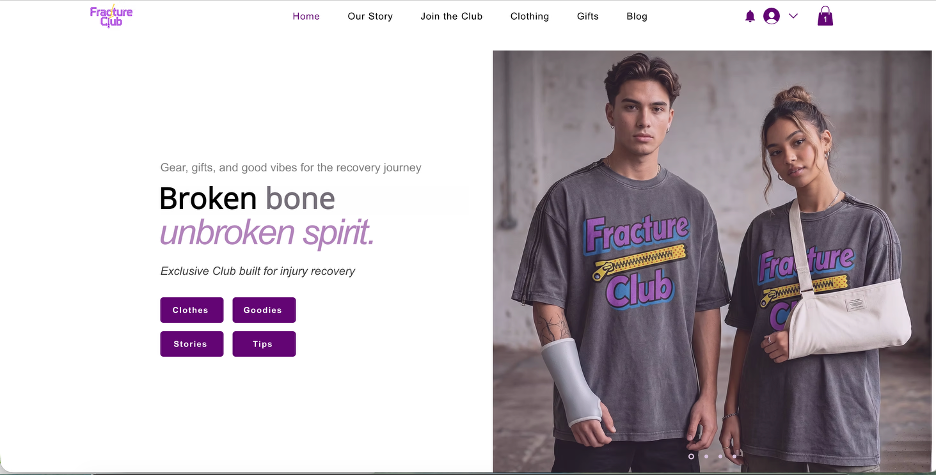
The adaptive recovery pants feature side magnetic zippers that make dressing possible with a cast or brace in place, removing one daily frustration from an already demanding recovery. The easy-on sweatshirt serves the same purpose for upper limb injuries. A portion of every purchase goes to the Bone Health & Osteoporosis Foundation, so your recovery supports others facing the same road. If you want personalized guidance, the inquiry services page connects you with support tailored to your situation.
FAQ
What are the most common mistakes that cause bone density loss?
The most common errors are insufficient calcium and protein intake, skipping resistance training, relying on supplements without exercise, and delaying bone density screening. Smoking and heavy alcohol use are also strong independent contributors to bone loss.
Can supplements alone prevent bone density loss?
Supplements alone cannot prevent bone density loss. Calcium and vitamin D require mechanical stress from exercise and adequate dietary protein to be effectively incorporated into bone tissue.
How much calcium do adults need daily for bone health?
Adults need at least 1,000 mg of calcium per day, with women over 50 and men over 70 requiring 1,200 mg daily according to 2026 health guidance.
When should I get a bone density test?
Get a DEXA scan if you are over 65, experienced a fracture after age 50, or went through early menopause. Testing before symptoms appear allows for targeted prevention rather than reactive treatment.
Does cardio exercise build bone density?
Cardio exercise maintains existing bone levels but does not build new density. Resistance training and weight-bearing exercises that create mechanical stress on bone are required to stimulate bone formation.
Recommended
Comments