
Magnetic Closures and Pacemaker Safety for Recovery Patients & Caregivers

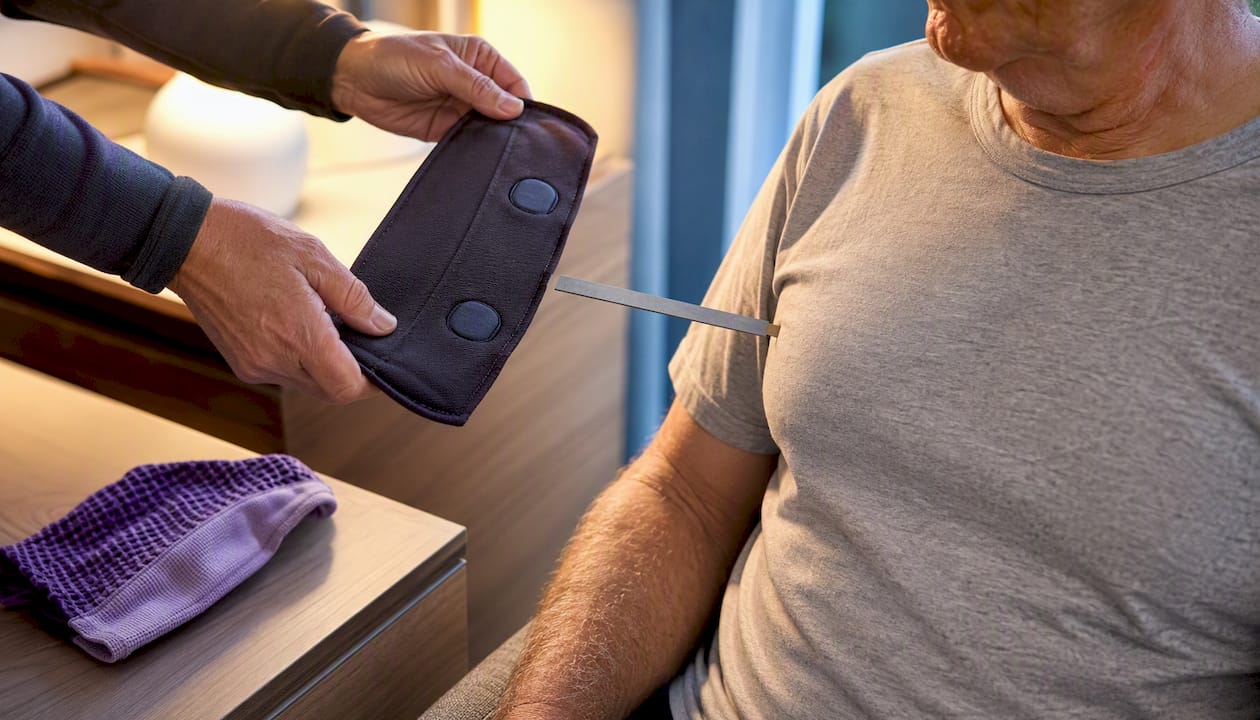
Magnetic closures are generally safe and genuinely helpful for most people wearing adaptive clothing during recovery. They make one-handed dressing far easier when you’re working around a cast, brace, or a shoulder that just won’t cooperate. The one exception that matters: if you or the person you’re caring for has a pacemaker or an implanted defibrillator, stop and read the contraindications section below before you buy anything.
TL;DR:
Magnets should be kept at least 6 inches away from pacemakers and ICDs to prevent interference or device inhibition.
Magnetic closures are safest when placed away from the chest and thoroughly checked for secure housing before wearing.
For anyone with an implanted cardiac device, always consult your clinician or device manufacturer before using magnetic clothing.
Magnetic closures are most effective for easy one-handed dressing in mild to moderate recovery scenarios involving casts or braces.
Carefully examine garment placement, durability, and ease of release to ensure safe use of magnetic adaptive clothing.
Table of Contents
How Magnetic Closures Work and Why They Help Recovery
A magnetic closure works by pairing two small, sewn-in magnets, often hidden inside a fabric placket or built into a snap, so the two sides of a garment pull together and seal on contact. No pinching a zipper pull between two fingers you can barely bend. No lining up a button with a buttonhole while your other arm is strapped to your chest.
That difference matters more than it sounds. Dressing with a fresh injury already takes twice as long and twice the patience. Anything that removes a fine-motor step, like the fiddly work of a zipper tab or a tiny button, gives you back real time and real independence.
Magnets close with a light touch, no pinching or aligning required
They accommodate the bulk of casts and braces better than fitted zippers
They support faster one-handed dressing when your dominant hand is out of commission
Research on adaptive clothing backs this up directly. A trial comparing magnetic, Velcro, and zipper closures found magnets scored high for comfort and held their own against hook-and-loop fasteners for ease of use, while zippers lagged behind on both counts.
Do Magnetic Closures Interfere With Pacemakers?
Yes, and this is the caveat that deserves your full attention. Magnets strong enough to hold a garment closed can also trigger “magnet mode” in some pacemakers and ICDs, a safety feature that temporarily changes how the device paces or stops it from delivering a needed shock. It only happens when a magnet sits close to the implant, but “close” is closer than most people assume.
The commonly cited safe distance is 6 inches (15 centimeters) between any magnet and the site where your device is implanted, according to FDA guidance on magnets and implanted medical devices. Field strength drops fast with distance, but it drops slowly with orientation, meaning a magnet lying flat against the chest is a very different risk than one at the hip or ankle.
This isn’t theoretical. Clinical literature has documented device inhibition and alarm activation when magnets sat directly over an implant site, and a separate case report in the Medical Journal of Australia described an ICD alarm triggered by nothing more than a magnetic bra clip. The alarm stopped as soon as the clip came off.
What to actually do about it:
Check where the magnets sit on any garment before you buy or wear it
Avoid chest-level magnetic closures entirely if you or your loved one has a pacemaker or ICD
Call your device manufacturer or clinician before wearing magnetic clothing near the implant, even if the garment “seems fine”
Safety, Placement, and Care Tips for Magnetic Garments
Where a magnet sits on the garment matters almost as much as whether it’s there at all. Front and side closures placed away from the chest carry far less interference risk than anything positioned near an implant site, which is one reason side-zip pants and hip-level closures show up so often in adaptive clothing design.
Beyond placement, a little routine care keeps magnetic garments working safely for the long haul:
Check magnet housings for cracks, gaps, or loose stitching every few washes.
Follow the manufacturer’s washing instructions exactly. Some magnets lose strength or shift position if they’re machine-dried on high heat.
Retire any garment where a magnet has worked loose or become exposed. A magnet rattling around outside its housing is a hazard, not a feature.
Keep any loose or removed magnets stored well out of reach of children and pets.
If you ever hear an unexpected device alarm, feel dizzy, or notice anything unusual while wearing a magnetic garment near an implant, remove it immediately and call your clinician.
Pro Tip: Snap a photo of the magnet placement on any new garment before you wear it the first time. If a question ever comes up for your cardiologist or device rep, you can show them exactly where the magnets sit instead of trying to describe it from memory.
Consumer guidance in the adaptive clothing space consistently recommends manufacturer warnings and care labeling for exactly this reason. A garment tag that tells you where the magnets are and how strong they are isn’t a small detail. It’s the information you need to make a safe call.
[
](https://fracture-club.com/product-page/fracture-club-magnetic-shoulder-zip-tee-injury-recovery-wear)
When Magnetic Closures Make Sense (and When They Don’t)
Magnetic closures shine in a specific set of recovery situations, and knowing which one you’re in helps you shop smarter.
Good fits:
Forearm or wrist casts, where fine-motor grip is limited but reaching a zipper pull is still possible
Side-opening pants for leg casts or knee braces, avoiding the struggle of pulling fabric over rigid hardware
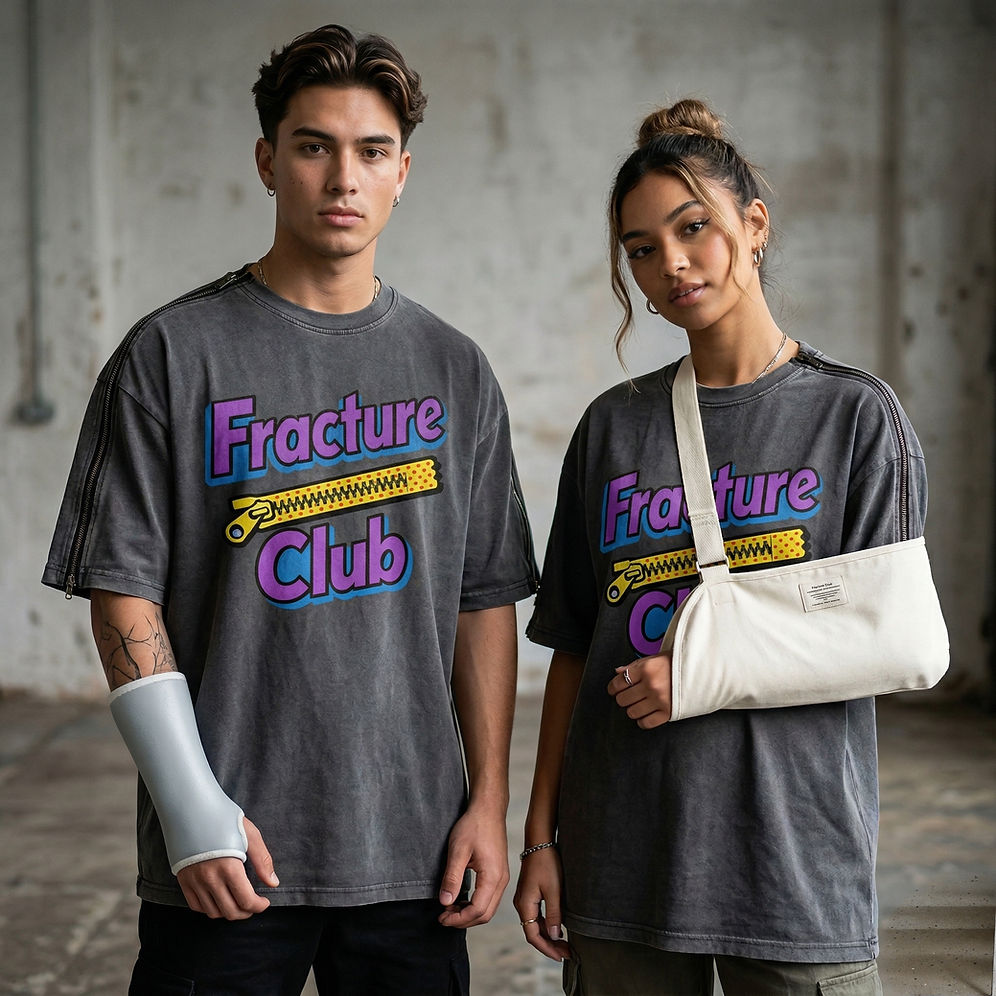
Shoulder-zip tops for upper-limb immobilization, letting you dress without lifting the injured arm
Any recovery scenario where one-handed dressing is now your daily reality
Real limits:
Anyone with an implanted cardiac device who hasn’t cleared magnetic clothing with their care team
Injuries severe enough that self-extrication from any garment, magnetic or otherwise, isn’t possible without help
Heavy-duty industrial magnets embedded in non-garment recovery equipment, which behave very differently from the small, low-field magnets sewn into clothing
The clinical evidence for magnets in recovery devices is genuinely encouraging when used appropriately. A magnetized upper-limb elevation brace reported strong patient satisfaction and easier self-placement in early testing, and design research into 3D-printed cast fastenings has explored magnets as a way to improve how easily casts go on and off. Both point in the same direction: magnets tend to increase how consistently people actually use the device or garment they’re supposed to be using.
How to Choose Magnetic Adaptive Clothing Safely
Before you buy, run through a short checklist. It takes two minutes and saves you a returned order or worse, a garment that’s wrong for your situation.
Where exactly are the magnets located, and how far from the chest?
How durable is the magnet housing, is it sewn in or glued, and does it show any visible warnings for implanted-device users?
Can you release the closure yourself, one-handed, without help?
Does the product offer a secondary fastener, like a hook-and-loop backup, if a full magnetic release isn’t ideal for you?
If you or your loved one has any implanted device, bring two direct questions to your clinician or device manufacturer: “Is it safe for me to wear garments with magnets given my specific device?” and “How close can a magnet come to my implant before it’s a concern?” Their answer is the one that overrides anything a product label says.
For some recovery situations, a magnet-free alternative like a hook-and-eye closure or large-format snap makes more sense, especially if the injury involves fine motor loss in both hands or medical clearance for magnets hasn’t come through yet.
Pro Tip: If you’re shopping for someone else, like a parent recovering from surgery, ask about their device history before you order anything. It’s a five-second question that prevents a return, or worse, a wasted first week of recovery.
Fracture Club’s Perspective on Magnetic Recovery Wear
We built our recovery wear around one basic truth: dressing shouldn’t be another daily fight on top of everything else your body is already dealing with. Our magnetic zippers and closures sit in concealed housings designed for durability through regular wear and washing. We write clear care guidance into every product page so you know exactly what you’re working with.
A portion of every purchase supports the Bone Health & Osteoporosis Foundation, because good design and giving back aren’t separate missions to us. Still, no product page replaces a conversation with your cardiologist. If you have an implanted device, that conversation comes first, always.
— Fracture
Where to Find Recovery Wear Built Around Magnetic Closures
Traditional recovery clothing usually forces a tradeoff: either you fight with buttons and zippers, or you settle for something baggy and clinical-looking that makes you feel like a patient instead of yourself. Fracture Club builds around a different idea, adaptive pieces designed by someone who’s actually lived through a fracture, with magnetic and zippered fastenings that get you dressed fast without sacrificing how you look doing it.
[
](fracture-club.com)
Our side magnetic zipper pants are built for leg casts and knee braces where pulling fabric over hardware just isn’t happening, and the magnetic shoulder-zip tee solves the exact problem of dressing an immobilized arm without lifting it overhead. Every product page includes care and placement notes, and if you have specific questions about an implanted device or a fastener’s location, reach out through our inquiry services page before you order. Browse the full recovery wear collection and find the piece that fits where you are in healing right now.
This article is general information, not a substitute for advice from a qualified doctor. Consult a qualified healthcare professional about your own circumstances before acting on anything here.
Sources
FAQ
Are magnetic closures safe for most recovery wearers?
Yes, magnetic closures are generally safe for people without implanted cardiac devices and make one-handed dressing significantly easier during recovery from casts, braces, or surgery.
How close can a magnet safely be to a pacemaker?
Common guidance recommends keeping any magnet at least 6 inches (15 centimeters) away from a pacemaker or ICD implant site, though you should confirm the exact distance with your device manufacturer.
Can magnetic closures trigger a pacemaker alarm?
Yes, clinical case reports describe magnets positioned directly over an implant site activating device alarms or temporarily changing how the device paces.
What should I look for when buying magnetic recovery clothing?
Check the magnet’s location on the garment, confirm the housing is durable and sewn in securely, and make sure you can release the closure one-handed without help.
Does Fracture Club offer alternatives to magnetic closures?
Some adaptive recovery wear brands offer both magnetic and zippered fastening options, allowing choice of closure style to suit mobility and medical needs.
Recommended
Comments