
Best Adult Bibs for Caregivers and Seniors in 2026

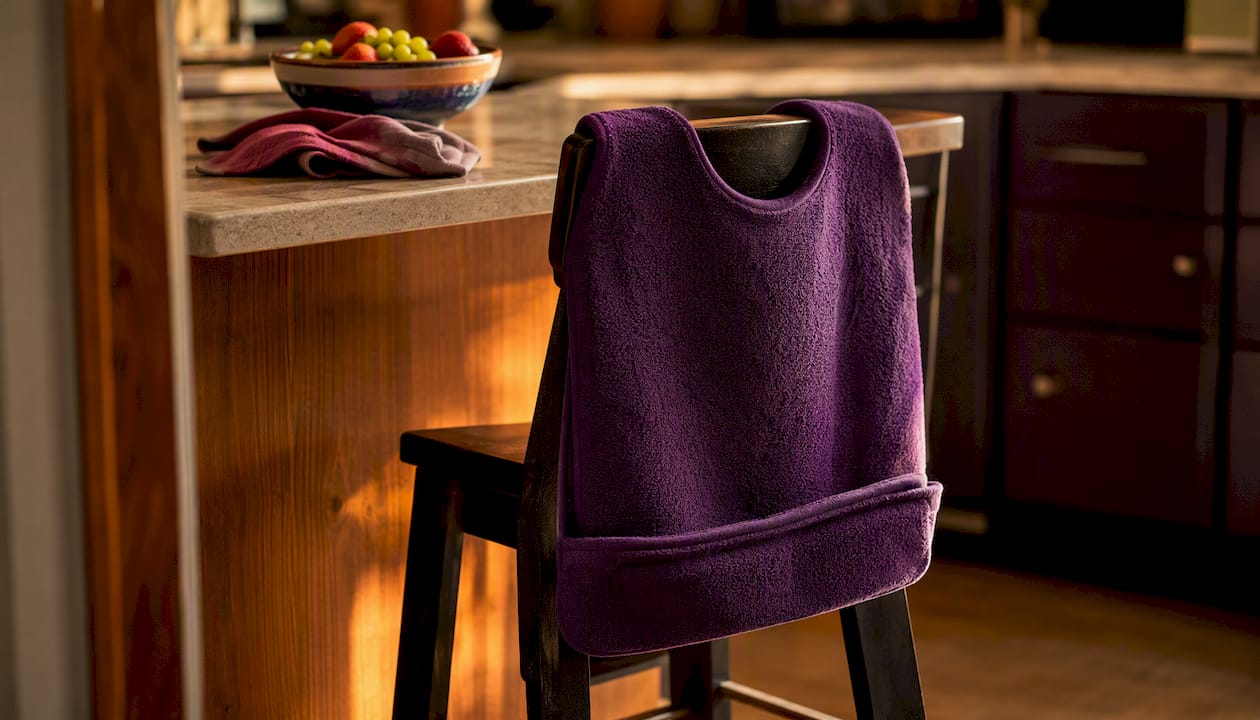
For everyday home use, a reusable terry-front bib with a TPU or vinyl waterproof backing is the strongest choice. For travel or outings, a wipe-clean silicone bib wins on convenience. And if easier dressing matters as much as spill protection, the Fracture-club adaptive sweatshirt offers a softer, more dignified alternative.
Top three picks at a glance:
Reusable terry-front bib with waterproof backing — coverage, machine-washable, TPU or vinyl backing stops soak-through; available at Target, Amazon, and Walmart
Waterproof silicone bib — wipe-clean in seconds, folds flat for a bag or purse, ideal for dining out
Fracture-club easy-on/off sweatshirt — no behind-the-neck fastening, soft fabric, designed for people healing from upper-limb injuries or fractures
Buyer guides consistently recommend generous coverage and a cleanable waterproof backing as the two features that reduce laundry and protect clothing most reliably.
Table of Contents
How do the main adult bib types compare?
The table below maps each product type to its best use case so you can match your situation quickly.
Product | Best for | Material / construction | Waterproofing | Closure type | Size / coverage | Washability | Pack count & price |
Easier dressing; soft protection | Soft recovery fabric | Light splash resistance | Easy-on/off magnetic/zip | Full torso | Machine wash | Single unit | |
Reusable terry-front bibs | Everyday home use | Terry/cotton-poly, TPU or vinyl backing | High | Velcro, snaps, or ties | standard adult size | Machine wash | 1–6 pack |
Waterproof silicone bibs | Travel, dining out | Food-grade silicone | Very high (wipe-clean) | Adjustable snap or buckle | Medium coverage | Wipe or rinse | Single or 2-pack |
Disposable clinical-style bibs | Short-term care, facility visits | Paper or non-woven | Low (single use) | Tie or adhesive tab | Standard | Single use | Bulk cases |
Bulk/wholesale facility bibs | Nursing homes, assisted living | Heavy-duty cotton or non-woven | Medium–high | Velcro or tie | Large | Reusable or disposable | Cases of 50–200 |
Pafusen (Amazon) | Everyday use, adjustable fit | Double-sided waterproof fabric | High | Adjustable closure | Standard adult | Machine wash | 3-pack |
Utopia Towels (Amazon) | Value multi-pack buyers | 55% cotton / 45% polyester | Medium | Snap or tie | Standard adult | Machine wash | 3-pack |
Facility and caregiver buyers | Varied (terry, vinyl, disposable) | Varies by product | Varied | Varied | Reusable or disposable | Single to bulk | |
Caregivers seeking specialty options | Varied | Varies | Varied | Varied | Varies | Single to multi-pack | |
Walmart | Budget-conscious, in-store pickup | Varied | Varies | Varied | Standard | Varies | Single to 3-pack |
Everyday shoppers, quick restock | Varied | Varies | Varied | Standard | Varies | Single to 3-pack |
A few quick notes by category:
Reusable terry-front bibs suit most households. They absorb well, launder easily, and a 3-pack keeps rotation manageable.
Silicone bibs shine on trips. One wipe and they’re ready again, no laundry bag needed.
Disposables are a practical backup, not a daily driver. Per-unit cost drops sharply in bulk cases, which makes them worth stocking for facilities or high-change days.
Caregiver resources recommend keeping both reusable and disposable options on hand for most households.
What materials actually perform well in adult bibs?
The best construction pairs an absorbent front layer with a waterproof backing. That dual-layer design is what separates a bib that protects clothing from one that just delays the inevitable.
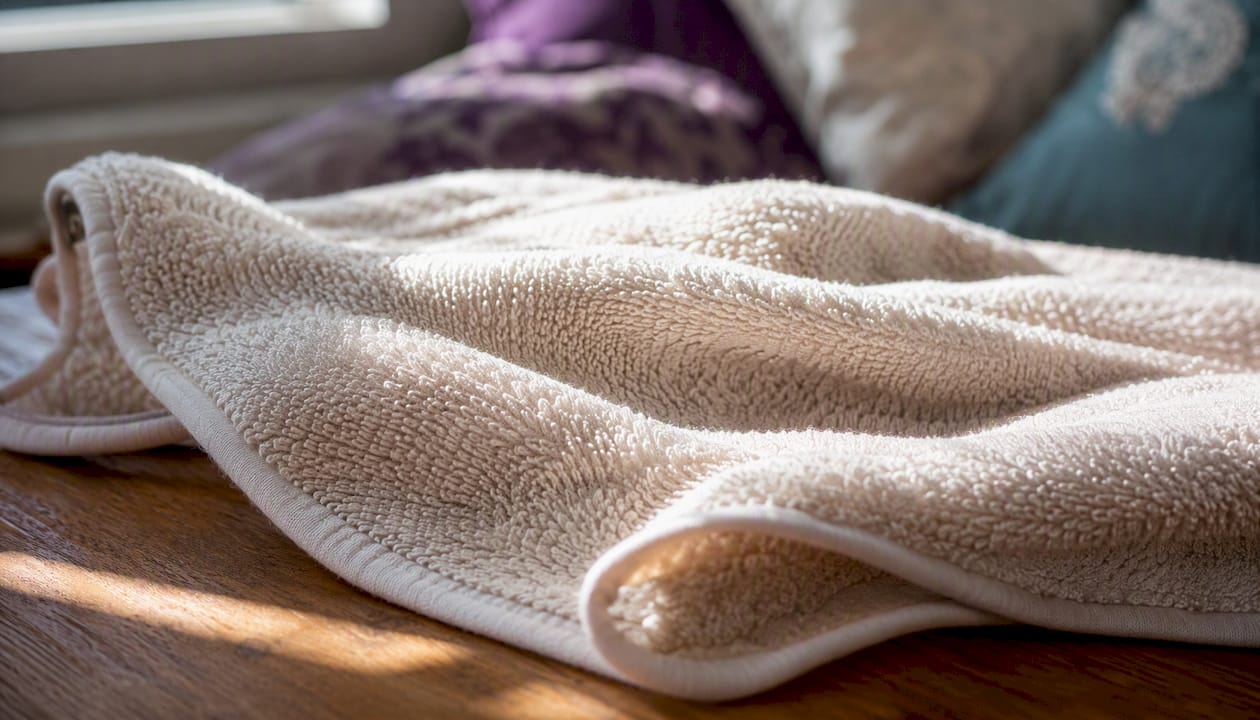
Terry cloth and cotton blends are the most comfortable front materials. Terry absorbs quickly and softens with washing. A 55% cotton / 45% polyester blend, like those found in Utopia Towels multi-packs, balances absorbency with durability through repeated machine cycles.
TPU and vinyl backings are the waterproofing workhorses. TPU (thermoplastic polyurethane) is lighter and more flexible than vinyl, holds up well in a standard home washer, and doesn’t crack with regular use. Vinyl is heavier but often cheaper. Both stop liquids from soaking through to clothing when the bib is sized correctly.
PUL (polyurethane laminate) is a step up from basic vinyl. It’s the same material used in cloth diapers and is rated for repeated machine washing without delaminating.
Silicone bibs skip absorbency entirely in favor of wipe-clean convenience. They’re not the right call for heavy drooling, but for a meal out or a quick snack, a silicone bib rinses clean in seconds and dries before you leave the restaurant.
Disposable non-woven bibs are single-use by design. They offer basic coverage and hygiene without any laundering, which makes them useful in facility settings or during travel when washing isn’t available.
When a product claims antimicrobial treatment or odor-control technology, check the product detail page for the specific treatment name and whether it’s built into the fabric or applied as a surface finish. Surface treatments can wash out over time; fiber-integrated treatments last longer. Vive Health’s product listings show the kind of material specs worth looking for: terry front, waterproof liner, and adjustable neck strap all confirmed in the product description.
How to measure for the right size and coverage
Getting the size right matters more than most buyers expect. A bib that’s too short leaves the lap exposed; one that’s too narrow misses the sides of clothing entirely.
Three measurement steps:
Measure from the base of the neck (just below the collarbone) straight down to the top of the thighs when seated. This is your minimum length.
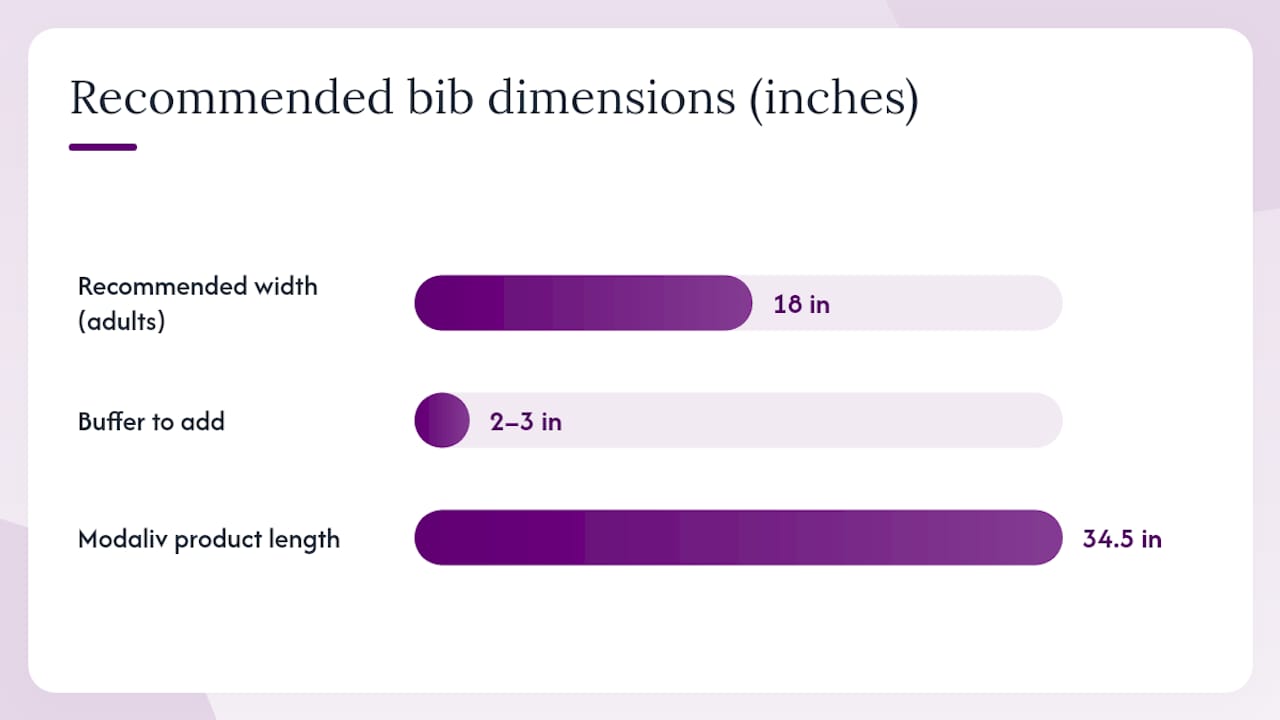
Measure shoulder to shoulder for width. Most adults need at least 18" wide.
Add 2–3 inches to each measurement as a buffer for movement and shifting.
Size label | Approximate dimensions | Coverage provided |
Standard adult | standard adult size | Chest to mid-thigh when seated |
Large / extra-long | extra-long size | Chest to knee when seated |
extra-long length | Full lap coverage for taller adults | |
Toweling front, waterproof backing, adjustable neck | Chin to lap; adjustable for different torso lengths |
The Modaliv product page lists a 34.5" length with a built-in crumb catcher and shoulder closure option, which is one of the more practical configurations for wheelchair users or anyone who can’t easily fasten a clip behind their neck. The Bib Store uses a PUL waterproof backing with a toweling front and adjustable neck sizing, making it a useful reference for comparing coverage claims across brands.
For people with limited mobility, shoulder closures beat behind-the-neck fasteners every time. They’re easier for a caregiver to fasten quickly and more comfortable for the wearer to sit with for a full meal.
Where can you buy adult bibs in the U.S.?
You have more options than you might think, and the right channel depends on what you need.
Target and Walmart carry reusable and disposable bibs in their pharmacy or home health sections. Stock varies by store, so checking online inventory before visiting saves a trip. Target’s online search returns both single units and small multi-packs.
Amazon is the widest marketplace for adult bibs. Pafusen and Utopia Towels both sell directly there, and filtering by “waterproof backing” or “adjustable closure” in the search narrows results quickly. Read the product detail page carefully: confirm the backing material (TPU, vinyl, or PUL) and the exact dimensions before ordering.
AssistedLivingStore and CaregiverProducts specialize in adaptive and medical-grade products. Both carry a wider range of closure styles, larger sizes, and bulk options than big-box retailers. These are the right channels when you need something specific, like a shoulder-closure bib or a case of disposables for a care facility.
Wholesale and facility suppliers sell cases of 50–200 bibs at lower per-unit costs. If you’re managing care for multiple residents or going through several bibs per day, the per-unit savings add up quickly.
Pro Tip: When shopping online, zoom into the product images to check the closure hardware and backing texture. A photo of the back of the bib tells you more about waterproofing quality than the product title does.
How to wash, dry, and store adult bibs without damaging them
Proper care extends the life of a reusable bib significantly, especially the waterproof backing.
Pre-rinse immediately after use. Cold water removes food residue before it sets. This step alone reduces staining and keeps the front fabric fresher longer.
Fasten all closures before washing. Velcro left open snags other items in the load and loses grip faster.
Machine wash on a gentle or normal cycle with mild detergent. Avoid bleach on bibs with TPU or vinyl backings; bleach degrades the waterproof layer over time.
Tumble dry on low heat or air dry. High heat is the most common cause of backing delamination and Velcro breakdown. If the product label says air dry only, follow it.
Store flat or loosely folded. Tight rolling stresses the backing at the fold lines.
For silicone bibs: wipe clean with a damp cloth or rinse under the tap. Most are dishwasher-safe on the top rack, but check the product label.
Common problems and fixes:
Backing curling at the edges: usually caused by high-heat drying. Switch to air drying; the curl often relaxes after a few cycles.
Velcro losing grip: lint and fabric fibers clog the hooks. Use a fine-tooth comb or a stiff brush to clear the Velcro before washing.
Persistent staining: soak in an enzyme-based stain remover (like Zout or Biz) before washing. Avoid soaking bibs with vinyl backings for more than 30 minutes.
Most quality reusable bibs last 50–100 wash cycles before the backing shows wear. If the waterproof layer starts to peel or the front fabric thins noticeably, it’s time to replace.
Quick answers: common questions about adult bibs
What are adult bibs called? They’re most commonly called “adult bibs” or “clothing protectors.” In clinical settings you’ll also hear “dining bibs” or “mealtime protectors.” The term “adult feeding bibs” appears frequently in product listings.
Where can I buy adult bibs? Target, Walmart, Amazon, AssistedLivingStore, and CaregiverProducts all carry them. See the where to buy section above for channel-specific tips.
Does Walmart carry adult bibs? Yes. Walmart stocks adult bibs in its pharmacy and home health sections, both in-store and online. Selection is more limited than Amazon or specialty medical suppliers, but basic reusable and disposable options are usually available.
What is the best fabric for adult bibs? A terry cloth or cotton-blend front paired with a TPU or PUL waterproof backing gives the best combination of absorbency, comfort, and washability for daily use.
Return policies and warranty information for adult bibs
Return policies vary by retailer, not by product type. A few general rules apply across most U.S. channels:
Amazon offers a standard 30-day return window on most adult bib listings, including Pafusen and Utopia Towels. Items must be unused and in original packaging for a full refund. Some third-party sellers have stricter policies, so check the seller’s return terms on the product page before ordering.
Target accepts returns within 90 days for most items, including home health products, with a receipt or Target Circle account. Items bought in-store can be returned to any Target location.
Walmart offers a 90-day return window for most health and personal care items purchased online or in-store.
Specialty medical suppliers like AssistedLivingStore and CaregiverProducts typically allow returns within 30 days for unopened items. Hygiene products that have been opened are generally non-returnable, which is standard across the industry. Check each site’s policy page before purchasing, especially for bulk orders.
Warranties on adult bibs are uncommon. Most manufacturers back their products with a satisfaction guarantee rather than a formal warranty. If a backing delaminates or a closure fails within a few washes, contact the seller directly; most reputable brands will replace the item.
What do user reviews actually tell you about adult bibs?
Across Amazon, Target, and specialty medical retailers, a few patterns show up consistently in highly rated adult bib reviews.
What buyers praise most: generous coverage (reviewers frequently mention that 18" x 30" is the minimum worth buying), secure Velcro closures that hold through a full meal, and waterproof backings that don’t leak even with soups or beverages. Pafusen’s adjustable double-sided waterproof design draws positive comments specifically for its neck closure flexibility. Utopia Towels’ 3-pack gets consistent marks for value and durability through repeated washing.
What buyers complain about: bibs that are too short (lap exposure is the most common complaint), Velcro that loses grip after 20–30 washes, and backing materials that curl or peel after high-heat drying. Several reviewers on Amazon note that product images can be misleading about actual dimensions, which is why checking the listed measurements in the product detail page matters.
For facility buyers: reviews on AssistedLivingStore and CaregiverProducts tend to focus on durability through commercial laundering and ease of fastening for caregivers working quickly. Shoulder-closure styles consistently score higher in this context than behind-the-neck designs.
Special features worth looking for in adult bibs
Not every bib is a plain rectangle of fabric. Several add-ons genuinely improve the experience.
Built-in crumb catchers are the most practical upgrade. A foldable pocket at the hem catches food before it hits the lap or floor. Foldable versions are easier to clean and store than rigid trays. Modaliv’s extra-long bib includes this feature alongside its shoulder closure option.
Antimicrobial treatments appear on some terry-front bibs and claim to reduce odor-causing bacteria between washes. Look for treatments integrated into the fiber (like silver-ion technology) rather than surface-applied finishes, which wash out faster.
Odor control is sometimes achieved through activated charcoal layers or antimicrobial fabric treatments. If odor is a concern, confirm the treatment type in the product specs before buying.
Aesthetic designs matter more than they’re given credit for. Bibs in solid neutral tones, soft patterns, or styles that resemble a large napkin help preserve dignity at the table. Several brands now offer adult bibs for elderly users in designs that look nothing like a clinical protector, which makes a real difference to how people feel during meals.
Adjustable neck closures with multiple snap positions or a sliding Velcro strap accommodate different neck sizes and allow a caregiver to adjust fit without removing the bib entirely.
Key Takeaways
For daily home use, a reusable terry-front bib with a confirmed TPU or PUL waterproof backing is the most practical and cost-effective choice available in the U.S.
Point | Details |
Choose waterproof-backed reusable for daily use | Terry-front bibs with TPU or PUL backing stop soak-through and hold up through 50–100 wash cycles. |
Keep disposables for travel or high-change days | Single-use bibs are a practical backup; per-unit cost drops sharply in bulk cases. |
Prioritize easy closures | Velcro is fastest for caregivers; shoulder closures are the best option when behind-the-neck fastening isn’t feasible. |
Measure before you buy | Most adults need at least 18" x 30"; taller adults or wheelchair users may need 34" or longer for full lap coverage. |
Fracture-club as a soft alternative | The Fracture-club easy-on/off sweatshirt suits readers who prioritize easier dressing and soft protection over heavy waterproofing. |
The real trade-off caregivers don’t talk about enough
The durability vs. dignity conversation is one most product guides skip entirely. They compare TPU backings and Velcro grip strength, which matters, but they rarely acknowledge that the person wearing the bib has an opinion too.
Caregivers consistently tell designers the same three things: make it fast to fasten, make it easy to launder, and make it look like something a person would choose to wear. That third point is the one the market has been slowest to address. A bib that looks clinical signals to the wearer that they’ve crossed a line from patient to dependent, and that signal lands hard, especially at the dinner table with family.
The practical answer isn’t to skip protection. It’s to choose products that do the job without broadcasting it. Soft fabrics, neutral patterns, and shoulder closures instead of behind-the-neck clips all move in that direction. So does adaptive clothing that reduces the need for a bib in the first place, which is exactly where Fracture-club’s approach to recovery wear fits into this conversation.
Fracture-club adaptive clothing: a softer alternative for easier dressing
There are solid options across every bib category covered here. But for some people, the harder problem isn’t spill protection. It’s getting dressed at all.
[
](fracture-club.com)
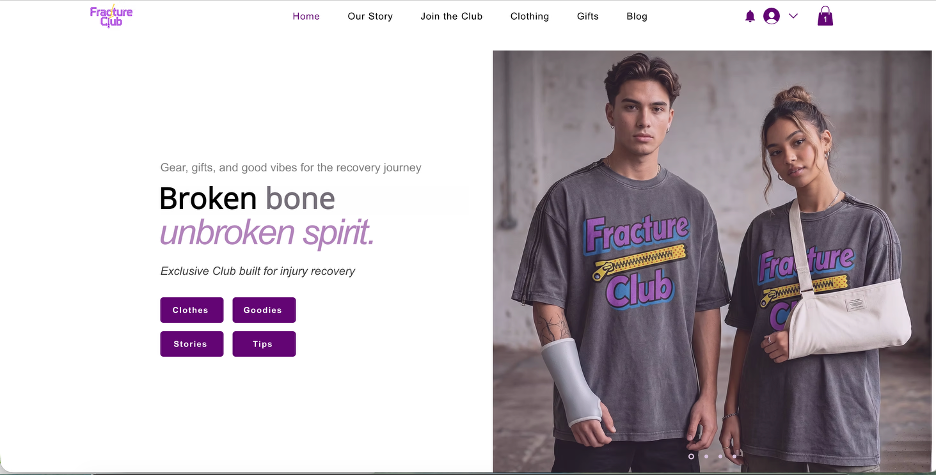
The Fracture-club easy-on/off sweatshirt was designed for people healing from upper-limb injuries or fractures who struggle with traditional fastenings. No behind-the-neck clips, no overhead pulling, no asking someone else to help with every layer. It’s soft, it’s wearable, and it reduces the number of times a bib needs to go on and come off in the first place. For readers who want to go further, Fracture-club’s adaptive recovery pants follow the same easy-dressing principle for the lower body.
A bib remains the right call when heavy drooling or full-meal spills are the primary concern. But if easier dressing and soft protection are what you’re after, browse the Fracture-club collection and find what fits your recovery.
Sources used for this guide
This article draws on product pages, retailer category listings, and caregiver-focused buying guides to ensure measurements, material specs, and channel recommendations reflect what’s actually available in the U.S.
The best bibs for adults: A comprehensive guide - Sestra Care
Adult Bibs for Seniors: How to Choose the Right Disposable or Reusable Option - Harmony CR
Modaliv Adult Bib - Waterproof Clothing Protector with Crumb Catcher (Beige) | Modaliv
Adult Bibs - Reusable Waterproof Clothing Protectors — Vive Health
Utopia Towels 3 Pack Premium Unisex Adult Bibs — Amazon product page
Sources were selected for concrete measurements, confirmed material specs, and practical caregiver guidance rather than marketing claims. For adaptive clothing alternatives, visit Fracture-club directly.
Recommended
Comments