
4 Ways Adaptive Clothing Beats Regular Clothes for Caregivers

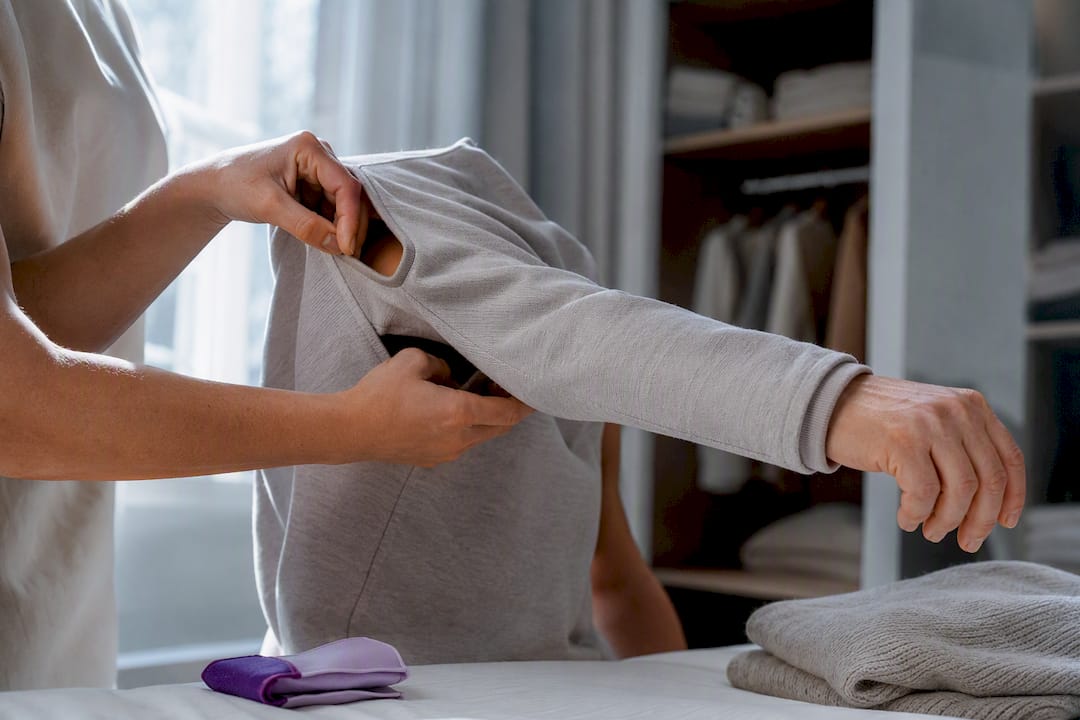
The real difference between adaptive clothing and regular clothes isn’t looks. It’s access. Adaptive garments swap buttons and overhead pullovers for magnetic closures, open backs, and side zips built to shorten dressing time, cut physical strain, and let someone with limited mobility or a healing injury dress with less help, reflecting the evolution of hockey apparel from tradition to performance and lifestyle that prioritizes function-oriented design. You’ll see these features most in post-surgery recovery wear, mobility and dementia care, and arthritis-friendly designs. The right choice depends on how much a dressing barrier is actually costing you day to day.
TL;DR:
Adaptive clothing features magnetic closures, open backs, and side zips designed to reduce dressing time and physical effort for individuals with limited mobility or recovery needs.
It divides into self-dressing and assisted-dressing modes, both prioritizing dignity and independence while simplifying caregiver assistance.
Closure type, fit while seated, and fabric behavior are the key factors that improve dressing ease and skin comfort, especially in medical or caregiving scenarios.
Price premiums are mainly due to small production runs, specialized materials, and custom-fit options, with most costs out-of-pocket since insurance rarely covers adaptive apparel.
Correct sizing and feature selection depend on diagnosing specific dressing barriers, measuring relevant body metrics, and considering return policies before purchase.
Table of Contents
What Is Adaptive Clothing, and How Does It Differ From Regular Clothing?
Adaptive clothing starts from a different question than regular clothing does. Instead of asking “how does this look on a hanger?” it asks “how does a real body, with real limits, get in and out of this?” That single shift in intent changes everything downstream: closures, seam placement, fabric choice, and even where a pocket sits.
You’ll notice adaptive design splits into two modes, and knowing which one you need matters more than any single feature on a tag.
Self-dressing designs put independence first. A magnetic front placket or a side-entry pant lets someone with one working hand, a healing wrist, or arthritic fingers get dressed without asking for help.
Assisted-dressing designs are built for the person doing the helping. Open-back gowns, snap-away sides, and wide-opening sleeves let a caregiver dress a loved one in a wheelchair or hospital bed in a fraction of the usual time.
Both modes chase the same outcome: dignity. A garment that takes ten minutes and two people to remove doesn’t just waste time, it makes someone feel like a patient instead of a person. That’s the gap adaptive design exists to close.
How Do Closures, Fit, and Fabric Actually Change Dressing?
[
](https://fracture-club.com/product-page/fracture-club-magnetic-shoulder-zip-tee-injury-recovery-wear)
Every dressing struggle usually traces back to one of four things: how the garment closes, where you access it, how it fits while seated, or how the fabric behaves against skin and dressings. Adaptive clothing rethinks all four at once.
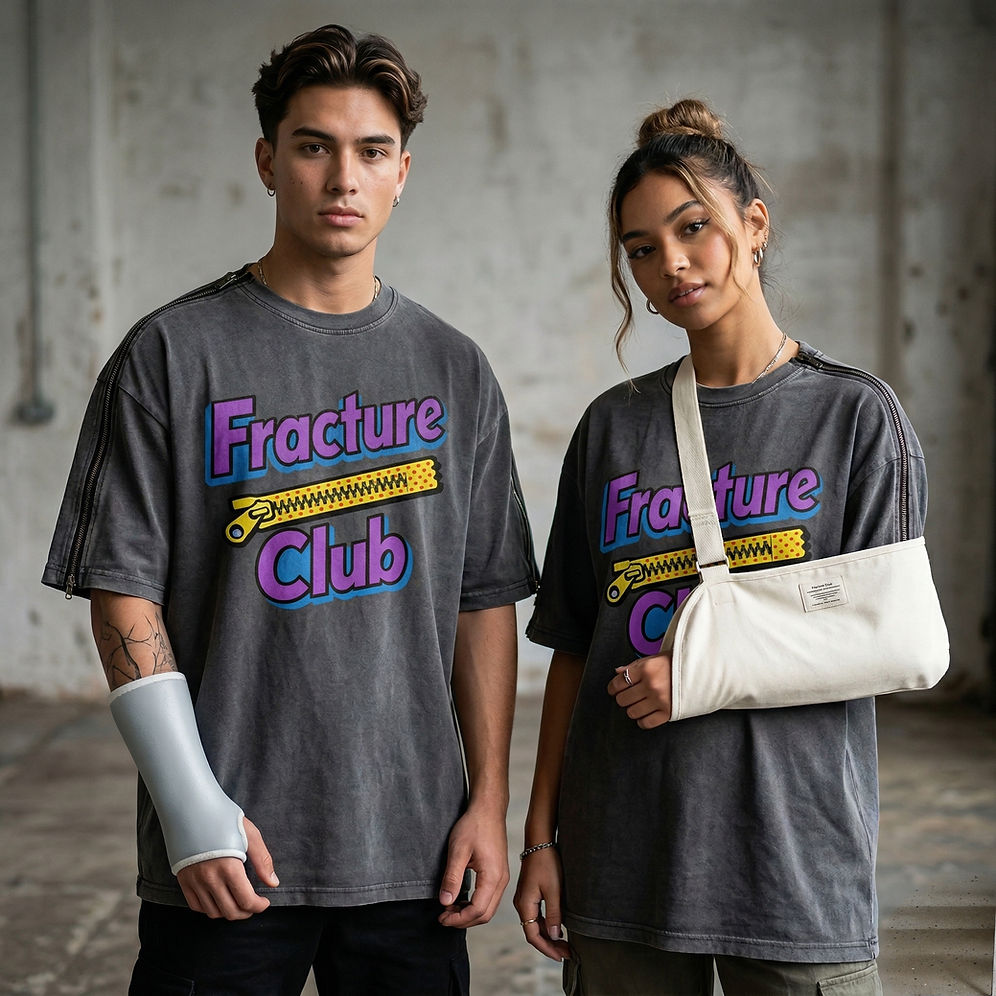
Closures carry the biggest functional weight. Magnets snap into place with almost no fine motor control, which is why they’ve become the signature feature of one-handed dressing. Velcro is faster to adjust and forgiving for caregivers in a hurry, but the tearing sound can genuinely distress some dementia patients, while snaps stay quiet and hold more securely against unwanted removal.
Access points: open-back tops and side or inseam zips let a caregiver dress someone without lifting or rotating them.
Seated fit: a deeper seat, higher back rise, and shaped legs stop pants from bunching, which matters because standard cuts built for standing bodies cause pressure points fast when someone sits most of the day.
Fabric and seams: flat seams and tag-less construction reduce friction against healing skin or medical tape.
Pro Tip: If noise sensitivity is a concern, ask before you buy: some adaptive lines advertise “silent closures,” meaning snaps or magnets instead of Velcro.
What Do These Features Actually Solve in Real Dressing Situations?
Every adaptive feature exists to fix one specific moment of friction. Here’s how that plays out in practice.
Magnetic front or side closures let someone with a cast, a healing shoulder, or arthritic hands close a shirt or pants in seconds, without pinching a button or wrestling a zipper.
Open-back and anti-strip suit designs turn a caregiver-assisted change from a two-person ordeal into a task one person can do calmly, without rolling or lifting the wearer.
Side-zip pants and shirts keep a wound dressing, brace, or catheter line undisturbed, since the garment opens away from the access point instead of over it.
Seated-fit pants with a shaped rise cut down on the skin breakdown and pressure sores that come from fabric bunching under someone in a wheelchair for hours at a time.
Each of these is a small mechanical fix. Stacked together, they’re the difference between dressing being a daily obstacle and dressing being routine again.
Who Actually Needs Adaptive Clothing?
Different needs point to different features, and matching the two correctly saves both money and frustration.
Wheelchair users deal with pants that ride up, bunch, or dig in during long sitting hours. A seated-fit cut with a higher back rise solves that directly.
Post-surgical or recovery patients often have one working arm or a leg that can’t bend into a pant leg. Side-zip or magnetic-closure garments remove the need to contort around a cast or brace.
People with arthritis or stroke-related limited dexterity struggle with small buttons and zipper pulls. Magnets and large-pull zippers give back independence without asking for help every morning.
Dementia care calls for anti-strip designs, quiet closures, and familiar-looking fronts that reduce distress while preventing unsafe undressing.
For caregivers, every one of these swaps means less physical strain and fewer rushed, undignified changes. And for many injury patients, the need is temporary. Once a cast comes off, the barrier disappears with it.
When Is Regular Clothing Still Enough?
Not every dressing struggle needs a wardrobe overhaul. If you’re dealing with occasional stiffness, a short-term sprain, or mild soreness, regular clothing with a few tweaks often gets you through.
Regular clothing usually works when the difficulty is occasional, mild, or expected to resolve within a few weeks.
Adaptive clothing becomes the clear answer when someone repeatedly can’t dress or undress without help, when skin irritation or pressure sores start showing up, or when medical access (a catheter, a wound dressing, a brace) needs to stay undisturbed.
Try these first: swapping tight buttons for a button hook, sizing up for easier overhead pulls, or hemming pants to avoid tripping hazards.
If those small fixes stop being enough, that’s your signal to move toward true adaptive design rather than fighting a garment that wasn’t built for the job.
Why Does Adaptive Clothing Cost More Than Regular Clothing?
Adaptive apparel typically runs higher than comparable regular clothing, and the reasons are structural rather than arbitrary. Specialist closures, smaller production runs, and custom-fit options all add cost that mass-market clothing never has to absorb.
Comfort and fit rank as the top purchase driver for adaptive apparel buyers, cited by 86% of respondents in a design research white paper, with functionality close behind as another leading motivator. People aren’t paying extra for novelty. They’re paying for garments that solve a real problem mainstream racks don’t address.
Specialist brands focus on recovery, mobility, or dementia-specific lines, often at a premium tied to smaller batch sizes.
Mainstream adaptive lines from larger retailers are narrowing that price gap as adoption grows.
Clinical suppliers sometimes stock adaptive basics, though selection tends to be limited.
Coverage is the part people get wrong most often: adaptive clothing is typically an out-of-pocket purchase, not something insurance reimburses like durable medical equipment. It’s worth checking vocational rehabilitation programs or disability benefits case by case, but don’t count on a claim covering the cost.
How Do You Choose and Fit Adaptive Clothing Correctly?
Buying adaptive clothing blind, based on a product photo alone, is how people end up with a drawer of garments that don’t solve the actual problem. Work through this instead.
Name the exact dressing barrier first. Is it one-handed dressing, seated comfort, caregiver access, or preventing unwanted undressing? The answer determines whether you need self-dressing or assisted-dressing features.
Measure what actually matters. For seated wear, that’s seat depth, back rise, and inseam length, not just waist and inseam the way regular sizing charts assume, as detailed in Fracture Club’s sizing guide.
Check the return policy before you buy. Adaptive fit varies more between brands than regular clothing does, so a flexible return window protects you from guessing wrong.
Ask about hemming and custom options if standard sizing doesn’t match your body, and look for styling that reads as ordinary clothing if discretion and dignity matter to the wearer.
Pro Tip: Order one piece before committing to a whole wardrobe swap. Fit issues (especially seat depth and rise) show up fast, and they’re cheaper to catch on a single pair of pants.
Fracture’s Perspective on Recovery-Focused Adaptive Design
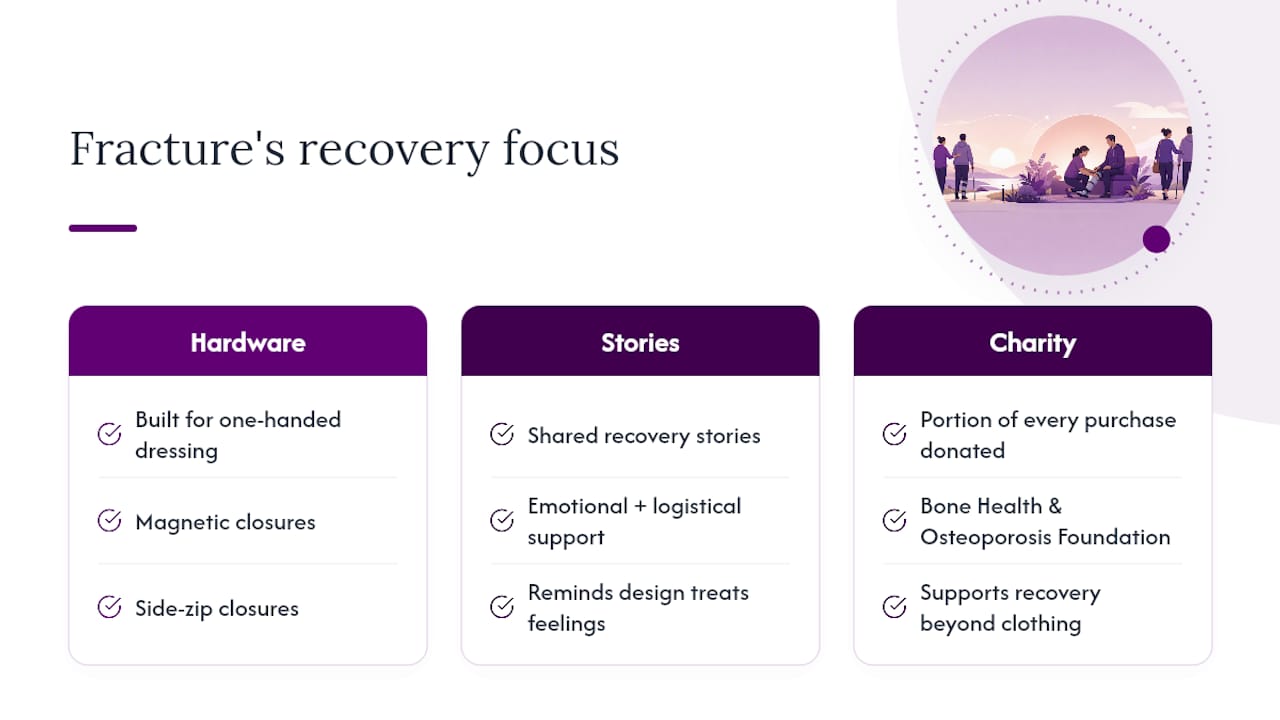
Recovery is where adaptive design gets tested in its purest form. A cast or brace doesn’t care about your dressing routine, and neither does a healing shoulder. Fracture-club builds around that reality: magnetic and side-zip closures made for one-handed dressing, not decorative afterthoughts.
What convinces us the category matters isn’t the hardware. It’s what happens around it. A portion of every purchase supports the Bone Health & Osteoporosis Foundation, and the shared stories from people in recovery remind us that dressing struggles are rarely just logistical. They’re emotional too. Good adaptive design treats both.
— Fracture
Fracture Club’s Recovery Pants Solve the Problem This Article Just Mapped Out
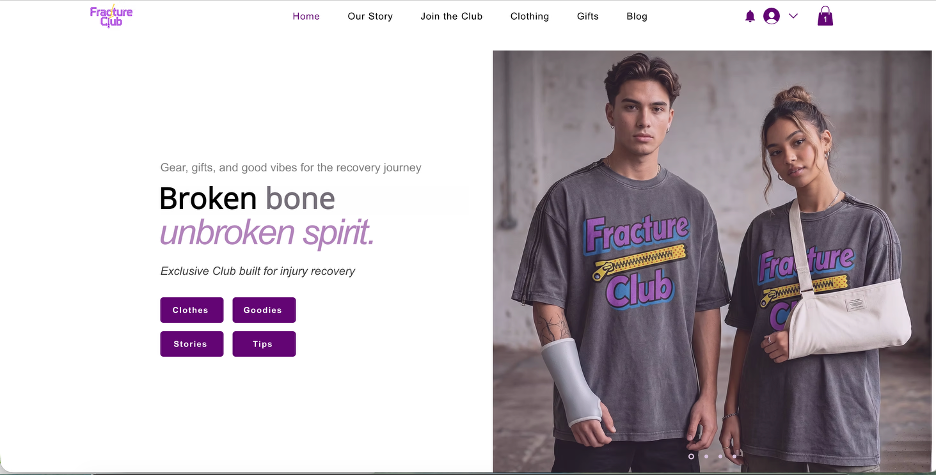
If the barrier you’re dealing with is a cast, a brace, or a healing joint that won’t cooperate with a normal pant leg, that’s exactly the gap Fracture-club built its magnetic-zip recovery pants to close. The side zips open flat, so you’re not wrestling a leg through a narrow opening while balancing on crutches or working around a brace.
[
](fracture-club.com)
Sizing focuses on practical measurements that matter for recovery wear, not just standard waist and inseam, and returns are available if the fit needs adjusting once you’re actually moving in the garment. If you need a custom fit or you’re buying for a group (a rehab facility, a care team, a family stocking up before a surgery date), the inquiry page is the fastest way to get a real answer instead of guessing from a size chart. Start there, or go straight to the product page and check your measurements against the sizing guide before you order.
Sources
FAQ
Can You Give an Example of Adaptive Clothing?
A shirt with magnetic closures down the front instead of buttons, or pants with a side zip that opens flat for wheelchair or cast access, are both common examples. Fracture-club’s recovery pants use this exact side-zip design for post-injury dressing.
What Is the 3-3-3 Rule for Clothes?
The 3-3-3 rule is a general wardrobe-minimalism guideline (roughly 3 tops, 3 bottoms, 3 pairs of shoes for a season) and it isn’t an adaptive clothing standard. When applying it to adaptive wear, prioritize pieces that solve your specific dressing barrier over hitting an exact item count.
What Is Considered Adaptive Clothing?
Adaptive clothing is any garment redesigned with features like magnetic or Velcro closures, open backs, side-zip access, or seated-fit construction specifically to make dressing easier for people with mobility, dexterity, or cognitive limitations. Regular clothing modified with these access points, rather than just sized differently, is what separates it from standard apparel.
Why Is Adaptive Clothing So Expensive?
Small production runs, specialist materials, and custom-fit construction all add cost that mass-market clothing doesn’t carry, and buyers consistently rank comfort and fit above price when choosing adaptive apparel. It’s also typically an out-of-pocket expense, since standard insurance plans don’t usually classify it as durable medical equipment.
Recommended
Comments