
Why Stretchy Fabric Helps Fractures Heal Comfortably

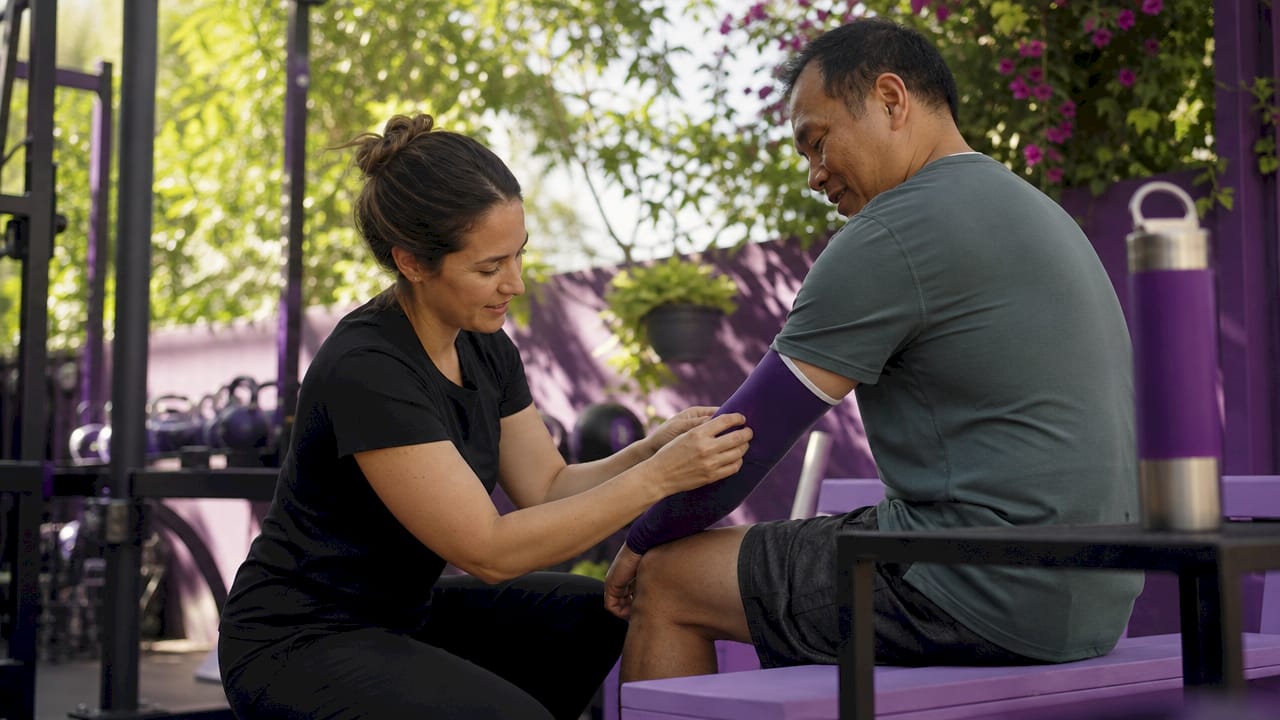
Stretchy fabric is defined as elastic material that applies gentle, conforming compression to injured limbs, making it a practical tool in fracture recovery wear. When you break a bone, the surrounding soft tissue swells, shifts, and changes volume for days or even weeks. Rigid materials cannot adapt to those changes. Stretchy fabric can. That is why stretchy fabric helps fractures feel more manageable during recovery: it moves with your body instead of fighting it. Fracture-club designs its adaptive recovery clothing around this principle, combining medical accuracy with real comfort so you can focus on healing rather than struggling to get dressed.
Why stretchy fabric helps fractures: the swelling connection
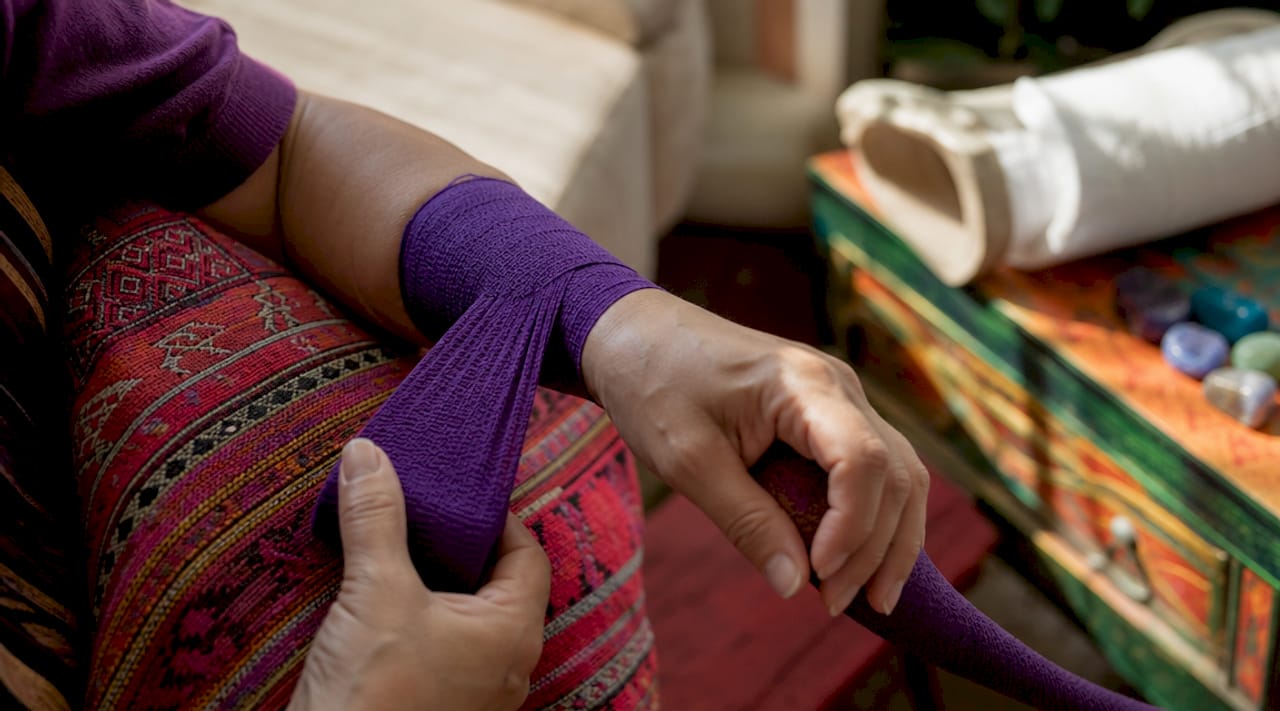
Swelling is the body’s first response to a fracture, and it is also the most disruptive factor in early recovery. Elastic compression creates localized pressure that helps return fluid through the circulatory system, which is the core mechanism behind edema control in injured limbs. Without that pressure, fluid pools in the tissue around the fracture site, increasing pain and slowing the healing process. Stretchy fabric delivers that pressure gently and consistently, without the rigid edges that cause pressure sores.
What makes elastic materials particularly effective is their ability to adapt. As your limb swells and then gradually reduces in size over the course of recovery, a stretchy material adjusts with it. A non-stretch fabric would either constrict when swelling peaks or hang loose when swelling subsides, both of which create problems. Compression from elastic wraps reduces fluid accumulation by pushing excess fluid back into circulation, a finding supported by studies in the Cochrane Library. That means less pain, less pressure buildup, and a more comfortable recovery environment overall.
Here is what stretchy fabric does for your healing limb:
Controls edema by applying consistent external pressure that limits fluid accumulation in soft tissue
Adapts to volume changes as swelling rises and falls across different stages of recovery
Reduces pressure points by conforming to the limb’s shape rather than creating rigid contact zones
Supports circulation by encouraging fluid return without compressing blood vessels too tightly
Improves comfort during rest and light movement, which supports patient adherence to recovery routines
Pro Tip: If you notice your stretchy wrap or garment leaving deep indentations on your skin after removal, it is too tight. The fabric should feel snug but should not restrict sensation or leave marks that last more than a few minutes.
Stretchy fabric vs. rigid casting: what each one actually does
Understanding the difference between elastic support and rigid immobilization is not just academic. Confusing the two can genuinely set back your recovery.
Feature | Rigid casting | Stretchy fabric support |
Primary purpose | Bone immobilization | Swelling and comfort management |
Material | Plaster or fiberglass layers that harden | Elastic knit or woven fabric |
Adaptability | Fixed shape, does not change | Conforms to limb volume changes |
Appropriate use | Most fractures requiring bone fixation | Adjunct support, soft tissue management |
Risk if misused | Compartment syndrome from excessive tightness | Circulation impairment if too tight |
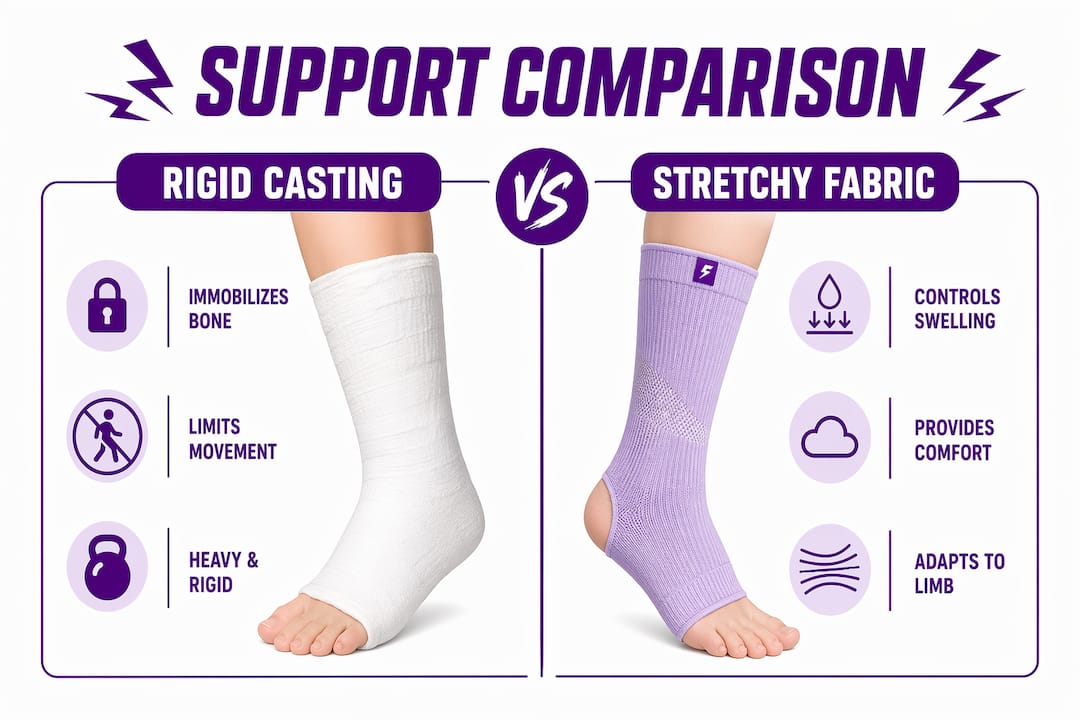
Medical casting uses plaster or fiberglass layers that harden into a semirigid shell, providing the bone stability required for proper healing. Elastic wraps are not a substitute for this in most fractures. That distinction matters because some people assume that if something feels supportive, it must be doing the same job as a cast. It is not.
That said, the picture is not entirely black and white. Research on pediatric buckle fractures shows that soft bandages can yield similar functional outcomes to rigid casts at one month for certain low-risk fractures, with the pain advantage of casts limited to the first day only. This finding does not mean stretchy wraps replace casts broadly. It does mean that for specific, clinician-confirmed low-risk fractures, soft and elastic materials have a legitimate clinical role.
“Elastic support helps with comfort and swelling. It does not fix bone. Those are two different jobs, and both matter.” — Fracture-club
Clinicians consistently emphasize that elastic support addresses the soft tissue environment around a fracture, not the fracture itself. Recovery wear made with stretchy fabric belongs in your toolkit alongside your cast or brace, not instead of it.
How adaptive recovery clothing uses stretchy fabric for daily life
Adaptive recovery clothing takes the benefits of stretchy material for healing and applies them to garments you actually wear every day. The goal is not just compression. It is independence, dignity, and the ability to get dressed without needing help every single morning.
Here is how well-designed adaptive garments use stretchy fabric to support your recovery:
Accommodate swelling fluctuations. Adaptive recovery clothing uses stretchy fabrics to accommodate volume changes and prevent constriction as swelling evolves across recovery phases. A pair of recovery pants with an elastic waistband and stretchy side panels will fit you on day three when swelling peaks and on week six when it has largely resolved.
Prevent pressure injuries. Adjustable bands and stretchy panels distribute pressure evenly across the limb rather than concentrating it at seams or edges. This matters most at night, when you are not actively monitoring how a garment feels.
Simplify dressing and hygiene. Getting dressed with a cast or brace is genuinely difficult. Garments with stretch accommodate movement and swelling, improving user compliance and comfort during daily routines. Wide openings, magnetic closures, and stretchy fabric panels work together to make dressing something you can manage on your own.
Support upper limb recovery. Sweatshirts and tops designed for shoulder, wrist, or elbow fractures use stretchy sleeves and open-side construction so you can get the garment on and off without forcing your arm through a tight opening.
Reduce skin irritation. Soft, stretchy knit fabrics sit against skin without the friction that woven non-stretch materials create, particularly important when skin under a cast is already sensitive.
Pro Tip: When choosing recovery clothing, look for garments that use four-way stretch fabric. Two-way stretch moves in one direction. Four-way stretch moves in all directions, giving you far more freedom during the awkward positions that come with dressing around a cast or brace.
Best practices for using stretchy fabric safely during fracture healing
Stretchy fabric is genuinely helpful, but only when used correctly. The benefits of stretchy fabric disappear quickly if the fit is wrong.
Check tightness regularly. Excessive tightness during wrapping or wearing can cause numbness, tingling, and ischemic injury. The two-finger rule applies: you should be able to slide two fingers under any elastic band or wrap without forcing them.
Watch for warning signs. Numbness, tingling, increased pain, skin color changes (pale, blue, or deep red), or a feeling of tightness that worsens over time are all signals to loosen or remove the garment immediately and contact your care team.
Adjust for time of day. Swelling is typically highest in the morning and after periods of activity. A garment that fits well at noon may feel tight by evening. Adjustable or stretchy recovery wear helps manage this dynamic process without requiring a complete change of clothing.
Follow your clinician’s guidance. Not every fracture benefits from compression. Some injuries require strict immobilization without additional external pressure. Always confirm with your orthopedic team or physical therapist before adding elastic support garments to your recovery routine.
Do not use stretchy fabric as a substitute for prescribed immobilization. Elastic wraps are used only as an adjunct to rigid casting or bracing in most fractures. Wearing a stretchy sleeve instead of your prescribed cast is not a safe alternative, regardless of how comfortable it feels.
Reassess fit as healing progresses. Your limb will change size significantly over the weeks of recovery. A garment that fit well in week two may be too loose by week eight. Loose fabric provides little compression benefit and can bunch under a cast, creating new pressure points.
Key takeaways
Stretchy fabric helps fractures by managing swelling, improving comfort, and adapting to limb volume changes, but it complements rigid immobilization rather than replacing it.
Point | Details |
Elastic compression controls edema | Stretchy fabric pushes excess fluid back into circulation, reducing swelling and pain. |
Adaptability prevents pressure injuries | Elastic materials conform to changing limb size, avoiding the tight spots rigid fabric creates. |
Not a substitute for casting | Rigid immobilization fixes bone; stretchy fabric manages soft tissue. Both are needed. |
Fit determines safety | Too tight causes circulation problems; too loose provides no benefit. Check fit daily. |
Adaptive clothing improves compliance | Garments designed with stretchy fabric make dressing easier, supporting daily independence during recovery. |
What I’ve learned about stretchy fabric and fracture recovery
Here is something I have seen consistently: patients who wear well-fitting, stretchy recovery garments tend to stick with their recovery routines better than those who do not. That is not a small thing. Adherence to recovery protocols directly affects outcomes, and anything that makes daily life easier during a difficult time has real clinical value.
The most common misconception I encounter is the idea that if something feels supportive, it must be immobilizing the bone. It is not. Stretchy fabric manages the soft tissue environment around a fracture. It reduces swelling, improves comfort, and makes getting dressed feel less like a battle. But it does not hold bone in place. That job belongs to your cast, brace, or surgical hardware.
What I find genuinely useful about adaptive recovery clothing made with stretchy fabric is the way it handles the unpredictability of swelling. Your limb does not swell on a schedule. It responds to activity, temperature, elevation, and time of day. A garment that can flex with those changes is far more practical than one that cannot. The fit and adjustability of elastic recovery wear matters more than most people realize before they are in the middle of a recovery.
My honest advice: talk to your care team about which garments are appropriate for your specific fracture, wear them consistently, and pay attention to how your limb feels throughout the day. Recovery is not passive. The choices you make about what you wear are part of it.
— Fracture
Recovery wear that works as hard as you do
Fracture-club designs adaptive clothing specifically for people healing from fractures and injuries, using stretchy fabrics that move with your body through every phase of recovery.
The adaptive recovery pants feature side magnetic zippers and stretchy panels that accommodate swelling changes without constriction, so you can dress independently even on the hardest days. For upper limb injuries, the easy-on recovery sweatshirt uses stretchy sleeves and open-side construction to fit over casts and slings without the struggle. Every piece is built around the same principle: comfort and function should not be things you have to choose between during recovery. Visit Fracture-club to find the right fit for where you are in your healing.
FAQ
Why does stretchy fabric help with fracture swelling?
Stretchy fabric applies gentle external compression that encourages excess fluid to return to the circulatory system, reducing edema around the fracture site. This is the same principle behind elastic bandages, applied to wearable recovery garments.
Can stretchy fabric replace a cast for a broken bone?
Stretchy fabric cannot replace a cast for most fractures because it does not provide the rigid immobilization bone healing requires. Research shows soft bandages may be appropriate for specific low-risk pediatric buckle fractures, but only under clinician guidance.
How do I know if my stretchy recovery garment is too tight?
Signs of excessive tightness include numbness, tingling, skin color changes, or pain that worsens after putting on the garment. You should be able to slide two fingers under any elastic band without forcing them.
What is adaptive recovery clothing?
Adaptive recovery clothing is garments designed with stretchy fabrics, wide openings, and accessible closures to make dressing easier for people with casts, braces, or limited mobility during fracture recovery.
When should I talk to my doctor about using stretchy fabric during recovery?
Talk to your orthopedic team or physical therapist before adding any elastic support garment to your routine, particularly if your fracture required surgical fixation or strict immobilization, since not every injury benefits from additional compression.
Recommended
Comments