
Why Post-Fracture Nutrition Matters for Faster Healing

Recovery from a fracture is more than rest and immobilization. Why post-fracture nutrition matters is something most people seriously underestimate. Your body is running a complex biological repair project around the clock, and it needs the right raw materials to do it well. Without adequate protein, calcium, vitamin D, and other key nutrients, that repair project stalls. This article walks you through the science of bone healing, the best foods and nutrients to prioritize, practical meal timing strategies, and when to ask for professional support. Every section gives you something you can act on today.
Table of Contents
Key takeaways
Point | Details |
Nutrition is biological fuel | Your body cannot build new bone tissue without adequate protein, calcium, and vitamin D. |
Protein timing matters | Aim for 15 to 20 grams of protein per meal to support callus formation and tissue repair. |
Immobilization accelerates bone loss | Plaster immobilization for just three weeks can reduce bone mass by up to 6%. |
Supplements fill real gaps | Oral nutritional supplements reduce serious complications in older patients at nutritional risk after fracture. |
Professional support changes outcomes | A registered dietitian can personalize your nutrition plan and catch deficiencies you might miss on your own. |
Why post-fracture nutrition matters biologically
Bone healing is not a passive process. It moves through four distinct stages: the initial inflammatory response, soft callus formation, hard callus mineralization, and finally bone remodeling. Each stage has specific nutrient requirements, and falling short at any one of them slows the whole sequence.
During soft callus formation, your body relies heavily on protein and amino acids to build the collagen scaffold that holds the healing bone together. Think of collagen as the framework before concrete is poured. Without enough protein, that framework is weak from the start. Correcting baseline deficiencies in protein and amino acids is clinically recognized as critical to adequate callus formation.
Mineralization, the stage where calcium and phosphate harden that scaffold into solid bone, depends directly on vitamin D3. Vitamin D does not just support calcium absorption passively. It actively regulates the cellular machinery that deposits mineral into the callus. If your vitamin D levels are low going into a fracture, mineralization is compromised regardless of how much calcium you consume.
The inflammatory phase also matters more than people expect. Mild, controlled inflammation is necessary for healing. However, chronic inflammation driven by poor diet or nutritional deficiency can prolong this phase and delay the transition to repair. Early nutritional optimization keeps this stage moving forward instead of getting stuck.
Protein and amino acids build the collagen scaffold essential for callus formation
Vitamin D3 enables calcium absorption and direct mineralization of the callus
Calcium and phosphate harden the callus into solid, load-bearing bone
Anti-inflammatory foods support the transition from the inflammatory phase to repair
Pro Tip: Ask your doctor to check your vitamin D levels at your first follow-up appointment. Many people are deficient before a fracture even occurs, and correcting that early gives your healing a real advantage.
Best foods for fracture recovery
Getting the right nutrients from food first is the smartest approach. Supplements can fill gaps, but whole foods deliver nutrients in combinations your body recognizes and uses efficiently.
Protein: your most important macronutrient
Protein is necessary not just for muscle but specifically for tissue repair and callus formation after a fracture. Animal sources like eggs, chicken, salmon, Greek yogurt, and cottage cheese are highly bioavailable and easy to work into meals. Plant-based options including lentils, edamame, tofu, tempeh, and chickpeas are equally valid, though you may need slightly larger portions to hit the same amino acid targets.

Calcium and vitamin D: the classic duo
Most adults know calcium supports bones. What fewer realize is that calcium without adequate vitamin D is largely wasted. The two work as a team. Vitamin D supplementation at 1,000 to 2,000 IU daily is recommended during fracture recovery, particularly if sun exposure is limited. Dairy products, fortified plant milks, canned sardines with bones, and kale are solid food-based calcium sources.
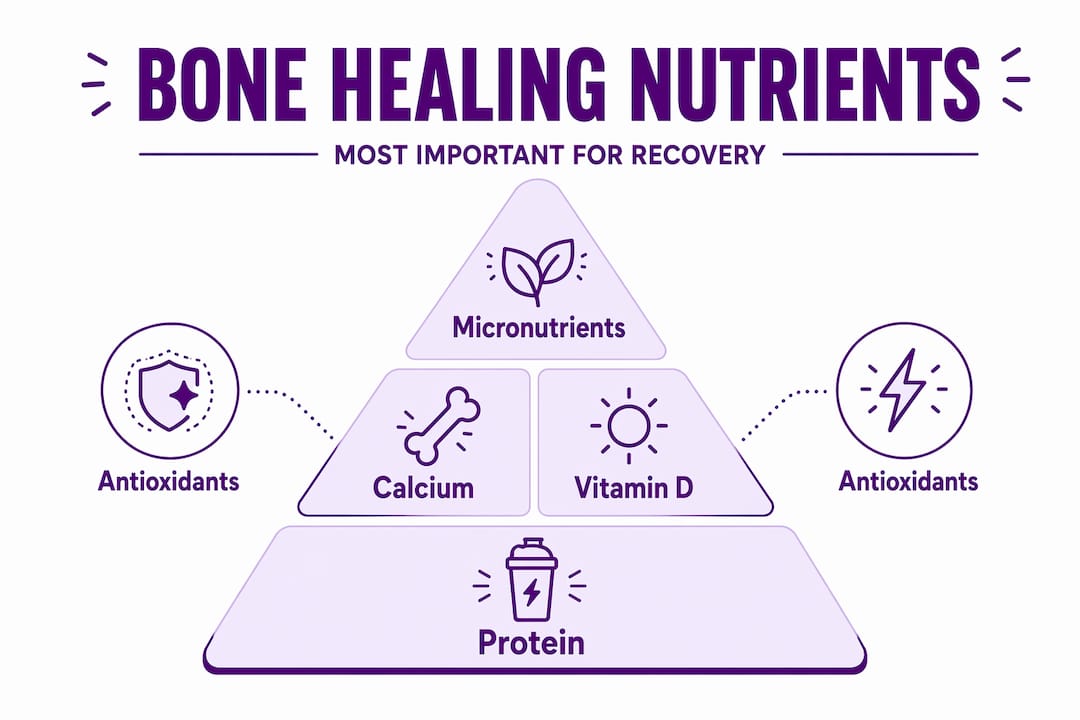
Nutrient | Top food sources | Why it matters for healing |
Protein | Eggs, chicken, salmon, lentils, Greek yogurt | Builds collagen scaffold for callus formation |
Calcium | Dairy, sardines, kale, fortified plant milk | Hardens the callus into solid bone |
Vitamin D | Fatty fish, fortified milk, egg yolks, sunlight | Enables calcium absorption and mineralization |
Vitamin C | Bell peppers, citrus, strawberries, broccoli | Supports collagen synthesis and immune function |
Magnesium | Nuts, seeds, spinach, dark chocolate | Activates vitamin D and regulates bone mineral density |
Anti-inflammatory and antioxidant foods
Anti-inflammatory foods like dark leafy greens, berries, walnuts, and omega-3-rich fish actively reduce oxidative stress and calm prolonged inflammation during recovery. This is not a minor detail. Chronic oxidative stress slows cellular repair and can extend the inflammatory phase of healing. Adding a handful of blueberries to your morning yogurt or swapping chips for walnuts as a snack are small changes with real biological payoff.
Fatty fish (salmon, mackerel, sardines) for omega-3s
Mixed berries for antioxidants and vitamin C
Dark leafy greens (spinach, kale) for calcium and magnesium
Nuts and seeds for magnesium and healthy fats
Bell peppers for high-dose vitamin C to support collagen production
Pro Tip: You can explore bone health supplements to understand which micronutrients are most evidence-backed if you are concerned about gaps in your diet.
Meal timing and practical nutrition strategies
Knowing what to eat is only half the picture. When and how you structure those meals directly affects how well your body uses those nutrients during recovery.
Eat breakfast within 90 minutes of waking. Your body has been in a fasted, mildly catabolic state overnight. Eating within 90 minutes after waking gives your repair processes the signal and fuel to get going. A simple option: two scrambled eggs with whole grain toast and a glass of fortified orange juice.
Space meals and snacks every 3 to 4 hours. Consistent fueling keeps blood sugar steady, supports muscle tissue, and prevents the catabolic dip that occurs with long gaps between eating. Think of it as keeping a slow, steady construction crew working rather than giving them one big supply drop and sending them home.
Target 15 to 20 grams of protein per meal or snack. Protein distribution across the day is more effective than one large protein-dense dinner. Greek yogurt with seeds, a chicken sandwich, or a lentil soup with whole grain bread each check this box comfortably.
Manage appetite loss strategically. Pain medications, especially opioids, can suppress appetite and cause nausea. Smaller, more frequent eating windows help. Liquid nutrition like smoothies made with protein powder, milk, and frozen fruit can deliver solid nutrient density without requiring a full meal-sized appetite.
Consider oral nutritional supplements when intake is genuinely low. If you are consistently eating less than two-thirds of your normal intake, a supplement drink like a protein shake or a clinically formulated product provides caloric and protein support that food alone may not cover during those phases.
Pro Tip: Pair a carbohydrate source with every protein source at each meal. Carbs spare protein from being burned for energy, keeping it available for actual tissue repair.
How immobilization affects bone health
Here is something that surprises many people: the cast or brace protecting your fracture also creates a new nutritional challenge. Immobilization directly accelerates bone loss in ways that most recovery plans do not fully address.
Plaster immobilization for three weeks can reduce bone mass by up to 6%. Bed confinement reduces trabecular bone density by approximately 1% per week. These are not insignificant numbers, particularly for older adults or anyone already at risk for osteoporosis.
Scenario | Rate of bone loss | Nutritional priority |
Plaster cast (3 weeks) | Up to 6% bone mass reduction | Calcium, vitamin D, protein adequacy |
Full bed confinement | ~1% trabecular bone loss per week | High protein, energy surplus, vitamin D |
Partial weight-bearing | Moderate loss, slowed by load | Balanced intake, magnesium, vitamin K2 |
Full activity resumption | Bone density increases ~1% monthly | Maintenance levels of all key nutrients |
When weight-bearing or formal rehabilitation is delayed, nutritional strategies must ensure adequate energy, protein, vitamin D, and calcium to compensate for accelerated bone turnover imbalance. This is where nutrition becomes genuinely therapeutic rather than just supportive. You cannot exercise your way out of a cast, but you can eat in a way that slows the bone loss happening beneath it.
Physical therapy and nutrition work together. Once rehabilitation begins, bone density recovers at roughly 1% per month with resumed activity. Pairing that rehabilitation with consistent nutritional support gives the new bone forming under load the materials it needs to become strong, dense tissue.
When to get professional nutritional support
Most fracture patients do not see a dietitian. That is a significant missed opportunity, especially for older adults or anyone who was already nutritionally compromised before the injury.
Malnutrition is common in hospitalized fracture patients and is directly associated with worse healing outcomes, longer hospital stays, and higher complication rates. Protein and energy deficits push the body into catabolism, a state where it breaks down muscle and bone tissue rather than building it. This is clinically the highest nutrition risk after a fracture.
Unintentional weight loss of more than 5% in the past three months is a red flag for malnutrition
Eating fewer than two-thirds of your normal intake for more than a week warrants professional attention
Older adults (65+) are at particularly high risk due to reduced appetite, lower absorption efficiency, and baseline deficiencies
Oral nutritional supplements reduce mortality and serious adverse events in older hospitalized patients at risk of malnutrition after fracture
When choosing supplements on your own, look for products that have third-party certification (NSF or USP verified). This confirms that what is on the label is actually in the product. Avoid megadosing any single nutrient without clinical guidance. More is not always better, and some fat-soluble vitamins like D and A can accumulate to harmful levels.
Pro Tip: Ask your orthopedic surgeon or primary care physician for a referral to a registered dietitian after your fracture. Many insurance plans cover this, and a single consultation can give you a personalized post-injury dietary guideline that is far more useful than generic advice.
My take on what actually holds people back
I have seen people follow their physical therapy protocol religiously and still recover slower than expected. In most of those cases, nutrition was the missing variable.
What I have learned is that people consistently underestimate protein. Not dramatically. They are not skipping meals entirely. They are just eating 8 grams at breakfast instead of 18, or having a light lunch with no real protein anchor. Small misses like that compound. By week three, the biological conditions for callus mineralization are subtly undermined, and nobody connects the dots.
Immobilization also changes nutritional needs in ways that feel counterintuitive. You are less active, so you might eat less. But your body’s cellular repair demands are actually higher than normal. That mismatch is real, and it catches people off guard.
The patients I have seen do best are not the ones who follow a perfect diet. They are the ones who stay consistent. They eat breakfast. They do not skip protein at lunch because they are not very hungry. They take their vitamin D. Small, repeated choices that add up to a body that has what it needs when it needs it. Nutrition is one of the few things you can actually control during recovery. That makes it worth getting right.
— Fracture
Gear that makes recovery a little easier
Managing nutrition during fracture recovery is genuinely hard when getting dressed each morning takes significant effort. Fracture-club exists to remove some of that friction.
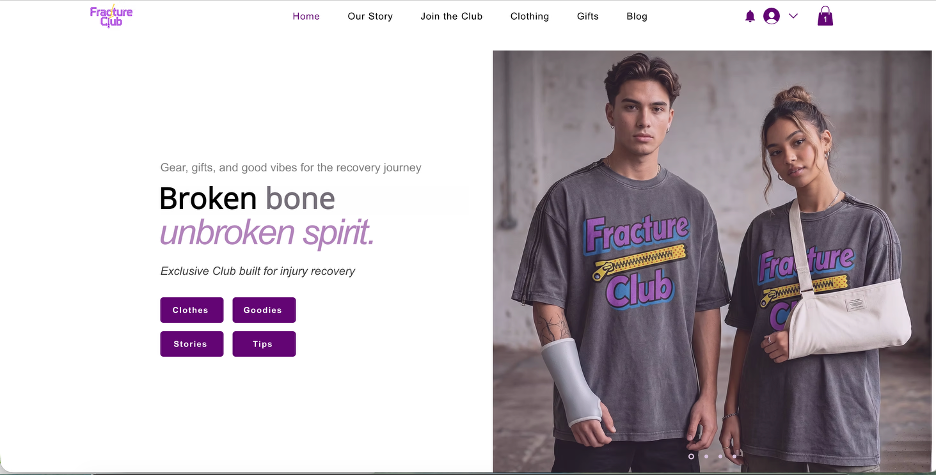
The adaptive recovery pants with magnetic side zippers are designed specifically for people dealing with casts or braces on the lower body. Getting dressed without a struggle means you have more energy for the things that matter, including cooking, eating well, and attending physical therapy. For upper limb fractures, the easy-on recovery sweatshirt removes the daily battle with sleeves and buttons. You can also browse the full recovery tips and resources library for guidance covering every phase of healing. If you have specific questions about your situation, the personalized inquiry service is there for you. Recovery is hard enough. Fracture-club is here to make the daily parts a little more manageable.
FAQ
What nutrients matter most after a fracture?
Protein, calcium, and vitamin D are the three most critical nutrients for fracture healing. Protein supports callus formation, while calcium and vitamin D work together to mineralize the healing bone.
How much protein do I need during fracture recovery?
Aim for 15 to 20 grams of protein per meal or snack, spread consistently throughout the day. This distribution supports tissue repair more effectively than eating most of your protein in one sitting.
Can poor nutrition actually slow down bone healing?
Yes. Protein and energy deficits push the body into catabolism, which directly undermines the biological conditions needed for callus formation and bone remodeling.
Do I need supplements after a fracture?
Not everyone does, but many people benefit. Vitamin D supplementation at 1,000 to 2,000 IU daily is widely recommended, and oral nutritional supplements are advised when food intake consistently falls below normal levels.
How does immobilization affect my bone density?
Immobilization accelerates bone loss significantly. Even three weeks in a plaster cast can reduce bone mass by up to 6%, which is why maintaining strong nutritional intake during this period is so important.
Recommended
Comments