
Why Bone Health Matters Long-Term: A Life Guide
- T. Armstrong

- Jun 26
- 8 min read
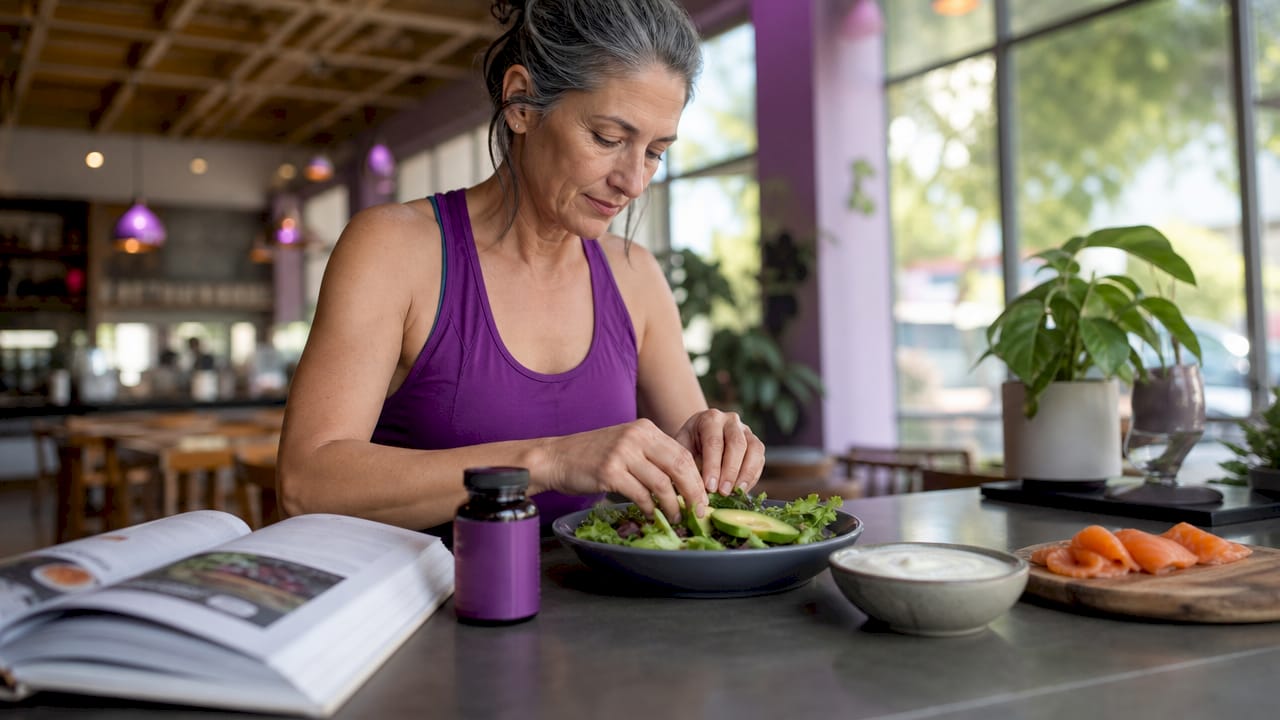
Bone health refers to the strength and density of bones required to support movement, protect vital organs, and store essential minerals like calcium. Understanding why bone health matters long-term is not just a concern for older adults. Every decade of your life either builds or spends the bone capital you will rely on later. Bones are living tissue, constantly breaking down and rebuilding. What you do today, whether you are 20 or 70, directly shapes your fracture risk, mobility, and independence for years ahead.
What are the key functions of bones in the human body?
Bones do far more than hold you upright. They form the structural framework that makes movement possible, serving as anchor points for every muscle in your body. Without that framework, basic actions like walking, lifting, or even breathing would fail.
Beyond structure, bones protect your most vital organs. Your skull shields your brain. Your rib cage guards your heart and lungs. Your pelvis protects your bladder and reproductive organs. This protective role is easy to overlook until something goes wrong.
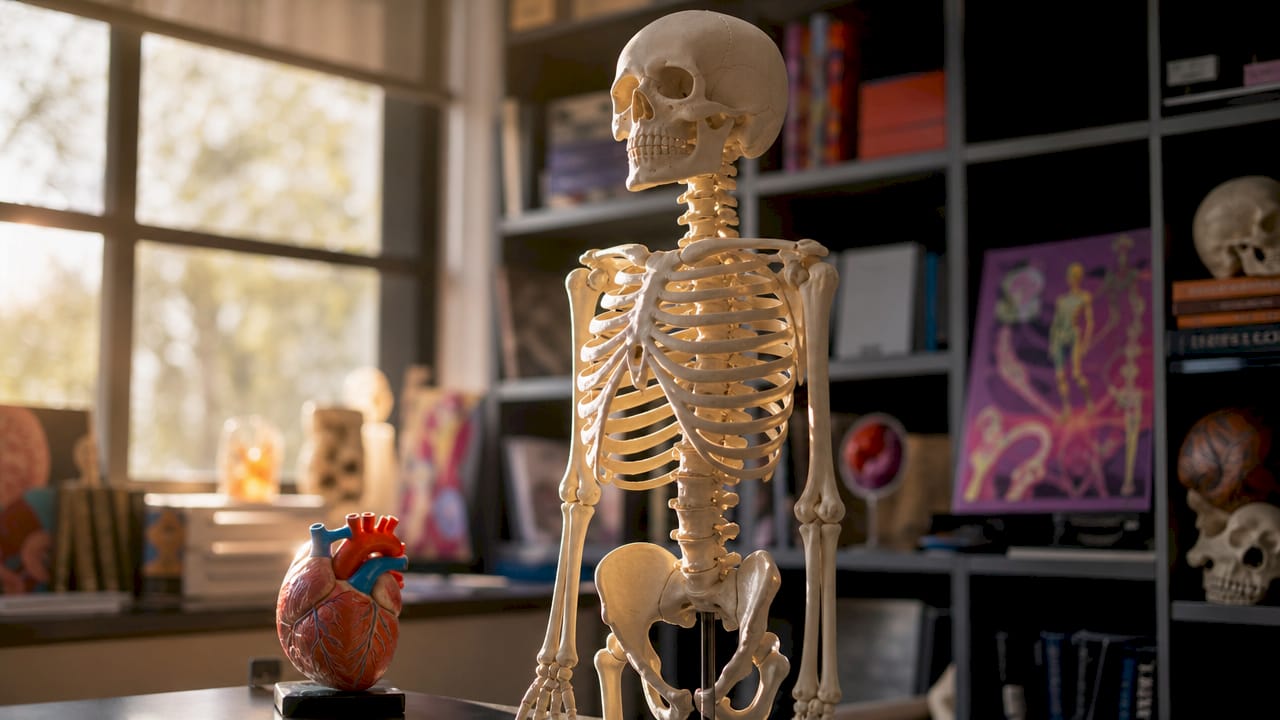
Bones also act as a mineral bank. They store calcium and phosphorus, releasing them into the bloodstream when your body needs them for nerve signaling, muscle contraction, and blood clotting. When your diet falls short, your body withdraws from that bank, quietly weakening your skeleton.
The most underappreciated fact about bones is that they are alive. Specialized cells called osteoblasts build new bone while osteoclasts break down old bone. This constant remodeling means your skeleton responds to the demands you place on it, for better or worse.
Structural support: Bones form the rigid frame that holds your body upright and gives it shape.
Muscle attachment: Tendons connect muscles to bones, making every movement possible.
Organ protection: Flat bones like the skull and ribs shield critical internal organs.
Mineral storage: Bones hold roughly 99% of the body’s calcium supply.
Blood cell production: Bone marrow produces red blood cells, white blood cells, and platelets.
Pro Tip: Weight-bearing activities like walking, hiking, and stair climbing signal your bones to stay dense. Even 30 minutes most days makes a measurable difference over time.
How does bone density change over time?
Bone density follows a predictable arc across your life. You build bone rapidly during childhood and adolescence, reaching peak bone mass in your late 20s to early 30s. After that peak, the balance shifts. Your body still remodels bone, but breakdown begins to outpace formation.
Adults lose 1–2% bone density annually after age 50, with post-menopausal women losing more due to hormonal changes. That rate sounds small, but compounded over 20 years it represents a dramatic reduction in skeletal strength. The clinical term for severe bone loss is osteoporosis, a condition where bones become porous and fragile.
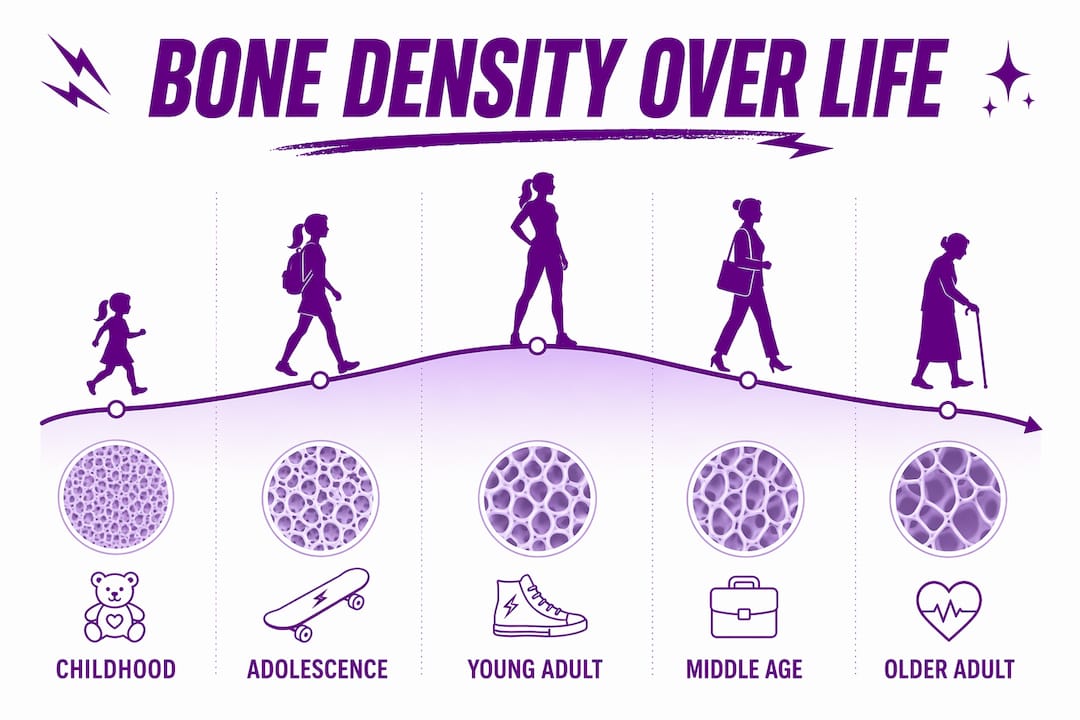
The most dangerous aspect of bone loss is that it is silent. Bone loss is often asymptomatic until a fracture occurs, sometimes from something as minor as a cough or a gentle fall. By the time most people learn they have osteoporosis, significant damage has already happened.
Monitoring bone mineral density is critical for early intervention, especially after age 50. A DEXA scan, the standard bone mineral density assessment, takes about 10 minutes and gives your doctor a clear picture of where you stand.
Life Stage | Bone Density Trend | Key Risk Factors |
Childhood and teens | Rapid building phase | Poor nutrition, low activity |
20s and 30s | Peak bone mass achieved | Smoking, low calcium intake |
40s and 50s | Gradual decline begins | Hormonal changes, sedentary lifestyle |
60s and beyond | Accelerated loss possible | Osteoporosis, fall risk, medication side effects |
What lifestyle choices support long-term bone health?
The good news is that good nutrition and lifestyle choices can help maintain bone strength and reduce fracture risk at every age. You do not need a perfect track record. Starting now, at whatever age you are, produces real benefits.
Calcium and vitamin D are the foundation. The recommended daily intake is 1,000 mg of calcium for women 50 and under, rising to 1,200 mg for women over 51, paired with 600–800 IU of vitamin D. Dairy products, leafy greens, and fortified foods cover most of that need. One surprising source: consuming 5–6 prunes daily for one year has been shown to preserve hip bone mineral density in post-menopausal women. That is a low-cost, practical habit worth adding.
Exercise is the other non-negotiable. Strength training and weight-bearing exercise stimulate bone remodeling, increasing density and strength. The benefits are especially strong at the hip, spine, and wrist, the three most common fracture sites. Resistance exercises like squats, lunges, and deadlifts are particularly effective. You can find a practical starting point with weight-bearing exercise examples tailored for different fitness levels.
Hormonal health also plays a direct role. Women using menopausal hormone therapy have a 69% lower risk of low bone mineral density in the spine and hip. That protective effect holds independent of age and vitamin D levels, making it a meaningful option worth discussing with a doctor.
Quit smoking: Tobacco directly reduces bone-forming cell activity.
Limit alcohol: Excessive alcohol interferes with calcium absorption and bone remodeling.
Maintain a healthy weight: Being underweight increases fracture risk; excess weight stresses joints without proportionally strengthening bone.
Add balance training: Yoga and tai chi reduce fall risk, which is just as important as bone density itself.
Pro Tip: Pair your calcium-rich meal with a vitamin D source like salmon or eggs. Vitamin D is what allows your gut to actually absorb the calcium you eat. One without the other is only half the benefit.
What are the consequences of poor bone health and fractures?
A fracture is rarely just a broken bone. It triggers what clinicians call the fracture cascade: a chain of physical, psychological, and social consequences that can permanently alter your quality of life. Understanding this chain is what makes prevention feel urgent rather than abstract.
The most common fracture sites are the hip, spine, and wrist. Hip fractures are the most severe. Fractures due to osteoporosis can cause permanent disability, chronic pain, and increased mortality risk. Up to 30% of older adults may die within 1–2 years after a hip fracture. That statistic reflects not just the injury itself but the cascade of complications that follow, including pneumonia, blood clots, and rapid muscle loss from immobility.
The psychological toll is equally serious. Fractures often lead to fear of falling and loss of confidence, which may accelerate physical decline. People who fear falling move less. Moving less weakens both bone and muscle. That cycle is hard to break once it starts.
Hip fractures are the most life-altering, often requiring surgery and extended rehabilitation.
Spinal compression fractures cause chronic back pain, height loss, and a stooped posture.
Wrist fractures limit daily function and signal elevated risk for future fractures.
Loss of independence is a common outcome, with many people requiring long-term care after major fractures.
Social withdrawal follows mobility loss, compounding the emotional impact of the injury.
“Bone health is a key pillar of healthy aging, ensuring mobility, independence, and dignity.” — WHO Decade of Healthy Ageing framework
The economic cost of fracture care is substantial, but the personal cost of lost independence is harder to quantify and far more motivating. Prevention is not just medically sound. It is the difference between living on your own terms and needing someone else to help you with daily tasks.
How does bone health apply across different life stages?
Bone health is not a single-phase concern. The strategies that matter most shift with age, but the commitment to protecting your skeleton never stops. Lifelong bone health requires blending nutrition, exercise, and lifestyle awareness. Starting early yields the best outcomes, but action at any age produces real benefit.
Life Stage | Primary Goal | Key Strategies |
Children and teens | Maximize bone building | Calcium-rich diet, active play, sports |
Adults (30s–50s) | Maintain peak density | Resistance training, adequate nutrition, no smoking |
Older adults (60+) | Reduce fracture risk | Balance training, DEXA screening, fall prevention |
Children and teenagers have the greatest opportunity. Every unit of bone mass built during youth is capital that protects against fractures decades later. Encouraging kids to drink milk, eat leafy greens, and stay physically active is one of the highest-return health investments a family can make.
For adults in their 30s through 50s, the goal shifts to preservation. This is the window where lifestyle habits either slow or accelerate the natural decline. Resistance and weight-bearing exercises can slow bone density decline and improve bone strength, even in this middle phase. Diet quality and avoiding tobacco matter just as much. Learning how diet affects bone fracture recovery can also help adults understand the nutritional stakes before a fracture ever happens.
For older adults, the priority becomes fall prevention alongside bone strength. Balance training, home safety modifications, and regular DEXA scans form the core of a practical plan. The goal is not just strong bones. It is staying mobile, confident, and independent.
Key takeaways
Strong bones built through consistent nutrition, exercise, and early monitoring are the most reliable protection against fractures, disability, and lost independence across every stage of life.
Point | Details |
Bone loss is silent | Density declines without symptoms, making regular DEXA screening after age 50 critical. |
Peak mass is your foundation | Bone built in youth protects you for decades; invest in it early and maintain it through adulthood. |
Exercise rebuilds bone | Strength training and weight-bearing activities stimulate bone formation at any age. |
Nutrition is non-negotiable | Calcium and vitamin D together reduce fracture risk; prunes are a proven, practical addition. |
Fractures cascade | One fracture triggers physical, psychological, and social decline, making prevention the priority. |
Bone health and the long view on aging well
The most common misconception I see is that bone health is something you worry about after a fracture. By then, the window for easy prevention has closed. The people who maintain their independence into their 70s and 80s are almost always the ones who treated their bones as a priority in their 40s and 50s, not after a diagnosis.
What surprises most people is how much the emotional side of fractures matters. Fear of falling after a first fracture is not irrational. It is a rational response to a real threat. But that fear, left unaddressed, shrinks a person’s world faster than the fracture itself. I have seen people go from active and social to housebound within a year of a hip fracture, not because they physically could not recover, but because confidence never came back.
Bone health is a key pillar of healthy aging, ensuring mobility, independence, and dignity. That framing from the WHO resonates with me because it shifts the conversation from fear to purpose. You are not just avoiding osteoporosis. You are protecting your ability to live on your own terms.
Start where you are. Add one weight-bearing activity. Check your calcium intake. Ask your doctor about a DEXA scan if you are over 50. Small, consistent actions compound over years into a skeleton that supports the life you want to live.
— Fracture
Recovery wear that supports your bone health journey
Healing from a fracture is physically and emotionally demanding. Getting dressed should not add to that stress.
Fracture-club designs adaptive recovery apparel built specifically for people healing from bone fractures. The Unisex Easy-On/Off Adaptive Recovery Pants feature magnetic side zippers that make dressing possible even with a cast or brace. Fracture-club also offers an Easy-On/Off Sweatshirt designed for upper limb injuries, so you can stay comfortable and feel like yourself during recovery. A portion of every purchase supports the Bone Health & Osteoporosis Foundation. If you need personalized guidance, the inquiry services page connects you with tailored support for your recovery needs.
FAQ
What is bone density and why does it matter?
Bone density measures the amount of mineral packed into your bones. Higher density means stronger bones and a lower risk of fractures from falls or minor impacts.
At what age does bone loss typically begin?
Bone loss begins gradually after peak bone mass is reached in the late 20s to early 30s, with the rate accelerating after age 50, especially in post-menopausal women.
Can you rebuild bone density once it is lost?
You can slow further loss and modestly increase density through resistance training and adequate calcium and vitamin D intake. Complete reversal of significant loss is not typically possible, but meaningful improvement is.
How does osteoporosis differ from normal bone aging?
Normal aging involves gradual bone density decline. Osteoporosis is a clinical condition where density drops to a level that makes fractures likely from everyday activities or minor falls.
How often should you get a bone density scan?
Adults over 50, especially post-menopausal women, should discuss DEXA scanning with their doctor. Screening frequency depends on initial results and individual risk factors.
Recommended
Comments