
What Is a Bone Health Awareness Gift: a 2026 Guide

If you’ve been searching for the right gift for someone dealing with bone loss, recovery, or osteoporosis risk, you’ve probably noticed that most options look the same: calcium supplements, generic get-well cards, or decorative ribbons. But a true bone health awareness gift is something more deliberate. It combines education, prevention, and practical recovery support into something that actually changes how someone thinks about and manages their bone wellness. This guide walks you through exactly what these gifts are, what types exist, and how to choose one that makes a real difference.
Table of Contents
Key takeaways
Point | Details |
More than a symbol | Bone health awareness gifts blend education, prevention, and recovery support. |
Tied to real campaigns | These gifts connect to programs like Osteoporosis Awareness Month and World Osteoporosis Day. |
Variety matters | Options range from educational toolkits and step challenges to adaptive clothing and nutrition guides. |
Personalization is key | Age, health status, and recovery stage all determine which gift will genuinely help. |
Community multiplies impact | Gifts that connect recipients to peer support or advocacy efforts go further than solo items. |
What is a bone health awareness gift
At its core, a bone health awareness gift is any resource, item, or experience intentionally chosen to educate someone about bone health and inspire them to take real steps toward protecting or rebuilding it. The more formal term used in public health is an osteoporosis awareness and prevention resource, and you’ll see this framing used by organizations like the Bone Health & Osteoporosis Foundation (BHOF). Think of these gifts as sitting at the intersection of education and action. They are not just tokens. They carry a message: your bones matter, and here’s what you can do about it.
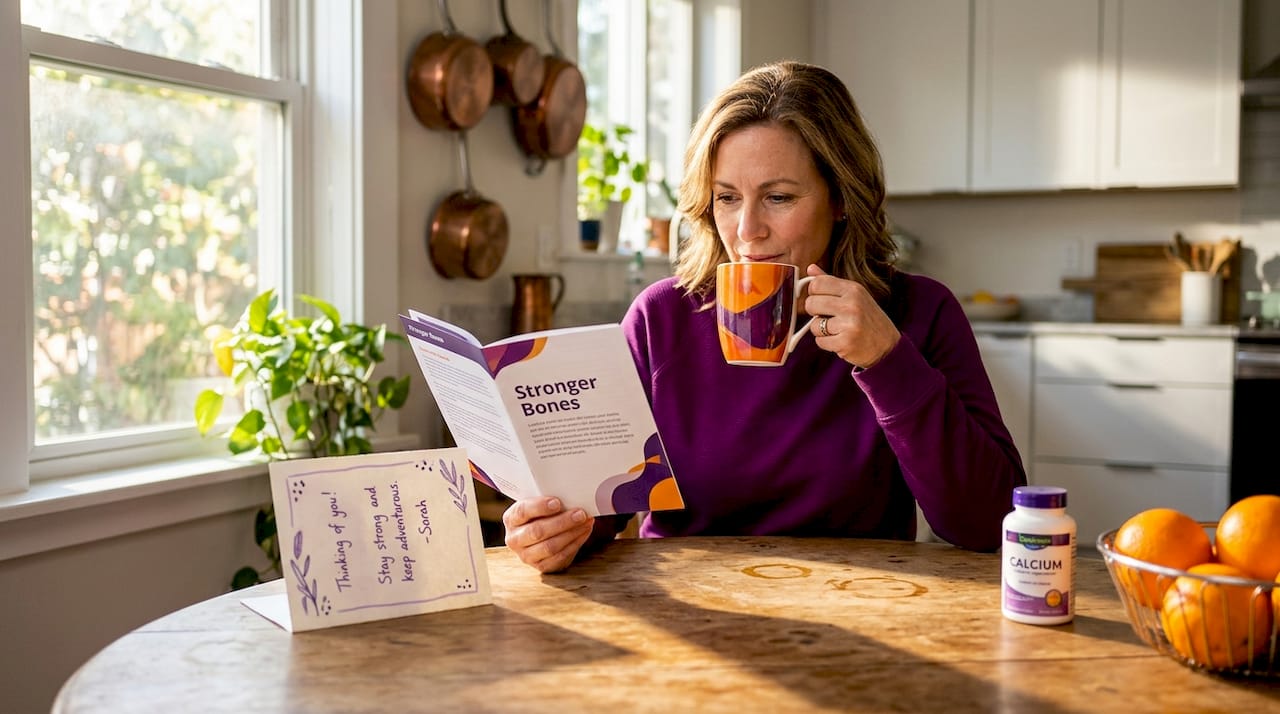
These gifts are directly tied to global awareness campaigns like World Osteoporosis Day (October 20) and Osteoporosis Awareness and Prevention Month (May in the US). Both events produce free toolkits, brochures, and social media resources designed to share and educate. Gifting one of these toolkits to a loved one, along with a personal note explaining why bone health matters to them specifically, is more meaningful than most people realize.
The misconception worth clearing up is this: bone health awareness items are not the same as generic wellness presents. A candle and a vitamin bottle do not raise awareness. What raises awareness is information that leads to behavior change, whether that’s scheduling a bone density scan, adjusting dietary habits, or simply knowing what warning signs to watch for.
Pro Tip: Download the free BHOF toolkit and pair it with a personalized letter explaining your loved one’s specific risk factors. That combination costs nothing and carries far more weight than any off-the-shelf product.
Here is what bone health promotion gifts typically include:
Free downloadable toolkits and educational brochures from certified organizations
Awareness symbols like the STAND BONE STRONG symbol, which was introduced in 2026 to unify US osteoporosis messaging
Fundraising participation in awareness events on behalf of your recipient
Screening vouchers or appointment reminders packaged as a thoughtful gesture
Common types of bone health gifts
Not all bone support gift ideas look the same, and that variety is actually a strength. Once you understand the main categories, you can match the right type to the right person.
Educational materials. These include printed guides, digital downloads, and access to webinars on osteoporosis prevention and bone nutrition. Free shareable toolkits from BHOF are a strong starting point, especially when paired with a personal note.
Activity-based gifts. The BHOF’s “Walk a Mile a Day in May” campaign encourages 2,000 daily steps as a meaningful, measurable action during Osteoporosis Awareness Month. Gifting a fitness tracker or registering someone for a step challenge gives them a daily target to work toward.
Nutrition-centered gifts. Bone health is deeply tied to calcium and vitamin D intake, but the numbers shift with age. Daily calcium needs are 1,000 mg for women 50 and under and 1,200 mg for women over 50, while vitamin D recommendations range from 600 to 800 IU depending on age. A meal planning guide or cookbook built around bone-supporting foods is a genuinely practical gift.
Physical recovery aids. For someone already healing from a fracture, resistance bands, balance boards, and assistive devices support the weight-bearing exercise that strengthens bone. These gifts address recovery directly.
Adaptive clothing. Getting dressed with a cast or brace is genuinely difficult. Adaptive recovery wear designed with magnetic closures or side zippers solves a real daily problem and restores some independence during healing.
Gift Type | Best For | Cost Range |
Educational toolkit | Anyone newly diagnosed or at risk | Free to low cost |
Fitness tracker or step challenge registration | Active adults focused on prevention | $30 to $150 |
Bone-health cookbook or meal guide | Nutritionally focused recipients | $15 to $40 |
Resistance bands or balance tools | Those in physical rehabilitation | $15 to $60 |
Adaptive recovery clothing | Fracture or surgery recovery patients | $50 to $120 |
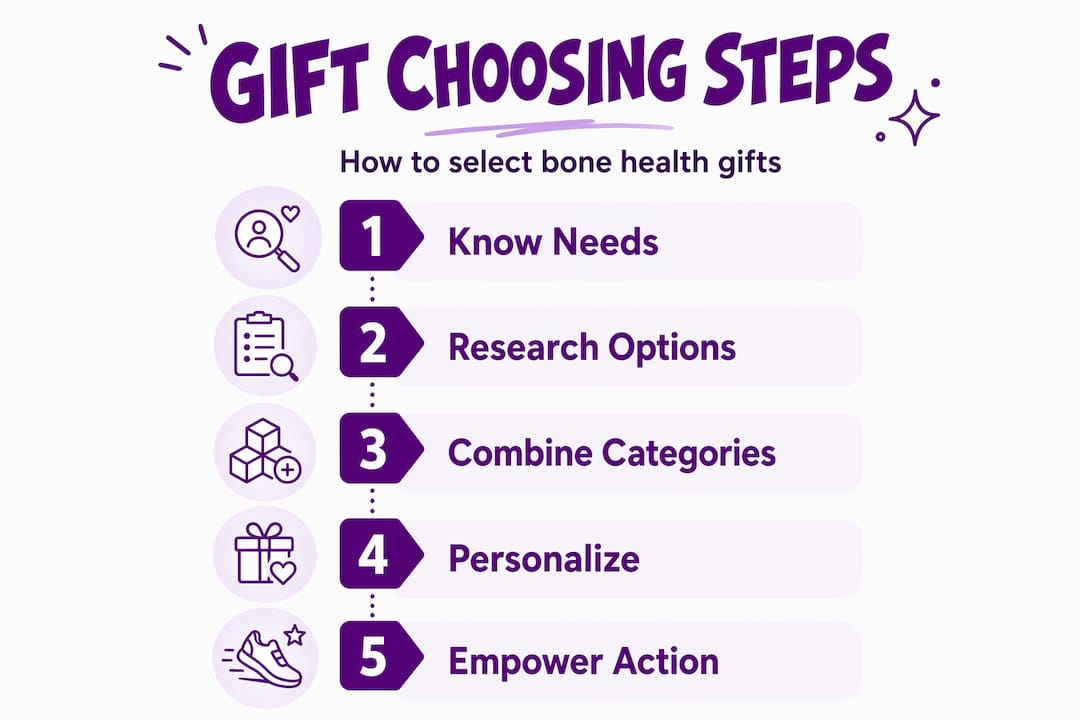
Pro Tip: The most effective gifts for bone health combine at least two categories. For example, pair a nutrition guide with a fitness tracker so your recipient has both the information and a tool to act on it.
How to choose an effective bone health gift
Choosing well means thinking beyond price and aesthetics. The best educational gifts for osteoporosis are ones that meet your recipient where they are, not where you assume they are.
Here are the factors that actually matter when selecting:
Match the gift to their health stage. Someone newly diagnosed with low bone density needs different support than someone already recovering from a hip fracture. Prevention-stage gifts lean educational; recovery-stage gifts lean practical.
Consider age-specific nutritional needs. Generic nutrition gifts risk being irrelevant if they ignore the recipient’s age-related calcium and vitamin D requirements. A supplement guide written for a 35-year-old is not useful to a 68-year-old.
Avoid purely symbolic gestures. An awareness ribbon or a themed mug is kind but passive. The most impactful gifts include something measurable your recipient can actually do, whether that’s a daily step goal, a scheduled screening, or a meal plan.
Include screening encouragement. Clinical guidance consistently points to DEXA bone density scans, hormone evaluations, and weight-bearing exercise as the real pillars of prevention. A gift that nudges someone toward booking a scan is quietly one of the most valuable things you can give.
Think about personality and lifestyle. A person who already walks daily will respond better to a nutritional resource than another step tracker. Someone sedentary may need an activity challenge more than a cookbook.
Packaged approaches outperform single items. Combining awareness messaging with measurable daily targets consistently produces more engagement and follow-through. Think about what you’re bundling, not just what you’re wrapping.
The biggest mistake people make is choosing the gift that feels good to give rather than the one that’s actually useful to receive. Step into your recipient’s daily life for a moment. What’s the one thing they’re not doing that would genuinely help their bones? Start there.
Using bone health gifts to build advocacy and community
A gift can be a private gesture between two people. Or it can be the start of something bigger. When you connect bone health promotion gifts to broader campaigns and communities, the impact multiplies.
The 2026 BHOF Osteoporosis Awareness Month theme emphasizes that bone health is shaped not just by individual choices but by the social and environmental systems around us. That framing changes how you think about gifting.
“Bone health is not a solo effort. The people around you, your community, your family, and your care team, are all part of the support structure that keeps your bones strong.”
When you give an awareness gift, you can go further by:
Registering as a team in a step challenge so you and your recipient walk together
Sharing downloadable BHOF resources on social media to spread awareness beyond one person
Donating to the Bone Health & Osteoporosis Foundation in your recipient’s name
Encouraging group discussions about screening, especially among women entering menopause who may not know their risk
Gifts that open conversations are often the ones people remember longest. Sharing a curated gift guide for recovery with a family member who’s been dismissive about their bone health can spark a doctor’s visit that changes their trajectory.
My perspective on what a bone health gift really means
I’ve watched people pour real thought into gifts for a loved one going through a fracture or osteoporosis diagnosis, and I’ve also watched those same people default to a supplement bottle because it “felt health-related.” Here’s what I’ve come to believe: the gift is not the product. The gift is the message that someone’s bones are worth paying attention to.
Symbolic items aren’t wrong. They say “I see you.” But if that’s all a gift does, it leaves the recipient without a next step. What I’ve found resonates most is anything that lowers the barrier to action. Not a reminder that they should exercise, but a way to actually start. Not information about calcium in the abstract, but a specific meal plan built around their needs. Not a ribbon, but a scheduled scan.
The gifts I’ve seen people genuinely use are the ones that fit into their real life without requiring enormous effort. Adaptive clothing that makes dressing less of a battle. A fitness challenge they can do with a friend. A screening appointment someone else helped them book.
Empathy in gift selection sounds soft, but it’s strategic. When you understand what a person is actually struggling with, you stop buying what’s easy and start giving what helps.
— Fracture
Recovery gifts that go the extra mile
If you’re looking for gifts that combine real practicality with genuine care, Fracture-club was built specifically for this moment. Their adaptive recovery wear is designed for people healing from bone fractures, built with features like side magnetic zippers that make dressing possible with a cast or brace. It’s the kind of thing that changes a frustrating daily task into something manageable.
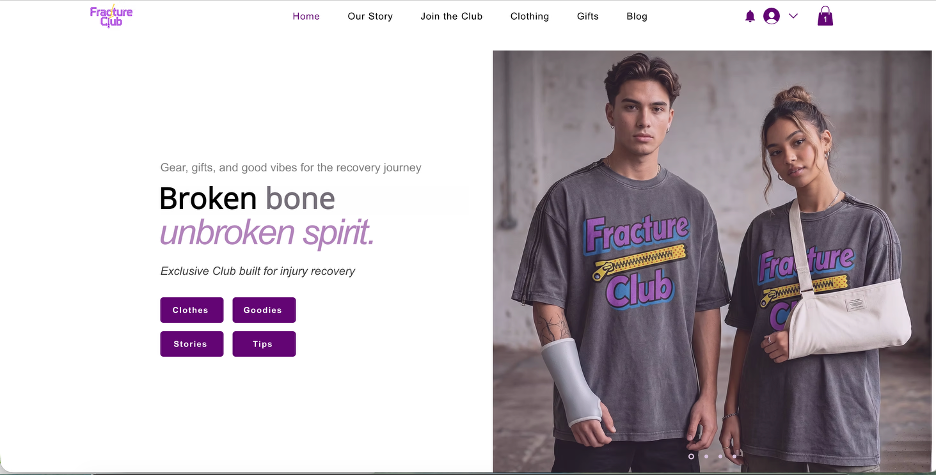
Fracture-club’s products are more than clothing. They represent the belief that recovery should feel like you, not like a hospital stay. Every purchase supports the Bone Health & Osteoporosis Foundation, so your gift contributes to awareness beyond the individual. If you’re shopping for someone in recovery, the adaptive recovery pants and the easy-on/off sweatshirt are two of their most practical picks. You’re not just giving clothing. You’re giving back a little dignity during one of the harder stretches of someone’s life.
FAQ
What makes a bone health awareness gift different from a regular wellness gift?
A bone health awareness gift is specifically designed to educate, motivate, or support action around bone health. This could be a downloadable toolkit, an activity challenge registration, or adaptive clothing for fracture recovery. Generic wellness gifts lack that bone-specific focus.
What are the best gifts for bone health during osteoporosis recovery?
Clinicians prioritize nutrition, weight-bearing exercise, and screening over supplements alone. Practical gifts include fitness trackers, bone-health cookbooks, adaptive clothing, and vouchers for bone density screenings.
How do I personalize a bone health gift for an older adult?
Calcium and vitamin D needs shift with age, so any nutrition-related gift should reflect those differences. Women over 50 need 1,200 mg of calcium daily versus 1,000 mg for younger women. Choose a meal guide or supplement reference tailored to their specific age group.
Are there free bone health awareness gifts I can give?
Yes. The BHOF offers free downloadable toolkits and brochures through World Osteoporosis Day and Osteoporosis Awareness Month resources. Pairing these with a personal note about your recipient’s risk factors makes them genuinely meaningful.
Can a gift really help someone raise bone health awareness in their community?
Absolutely. Shareable awareness materials and team-based step challenges extend the conversation beyond one person. Giving someone the tools to share what they’ve learned turns a personal gift into a community resource.
Recommended
Comments