
Weight-Bearing Exercises for Stronger Bones: 10 Best Examples

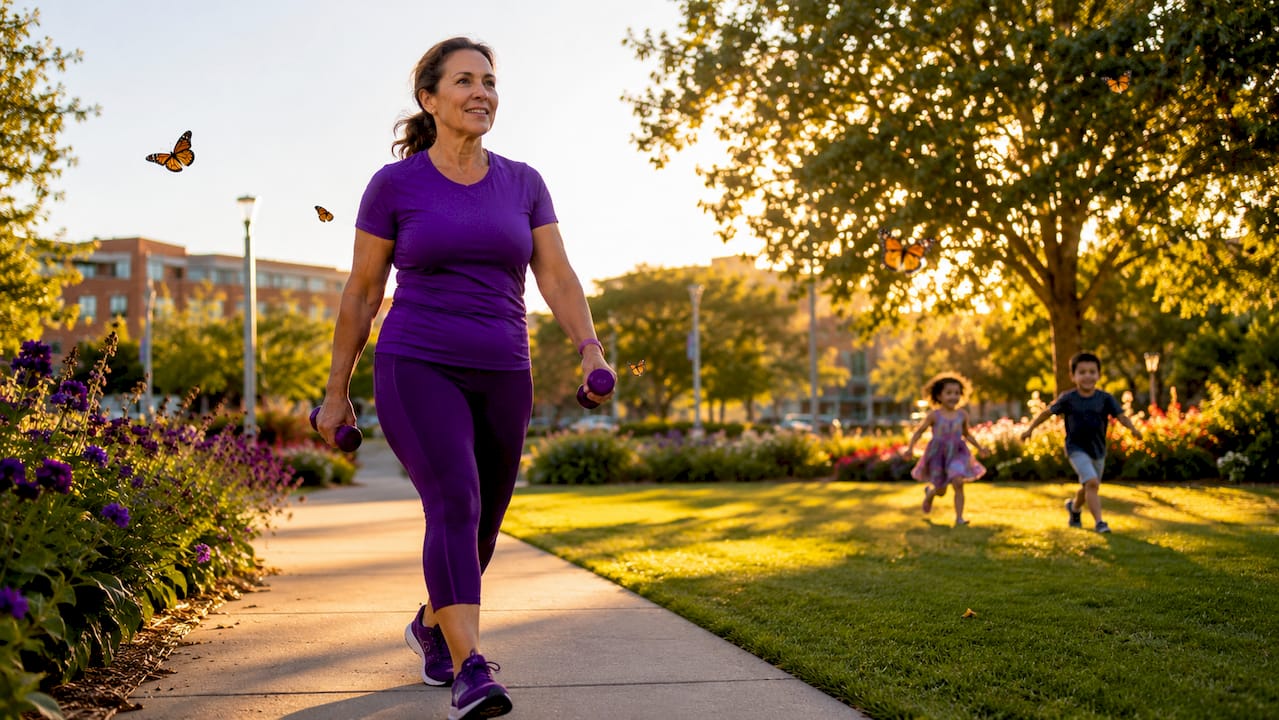
Weight-bearing exercises are any activities that work your bones and muscles against gravity while you are on your feet, and they are the most proven method for building and maintaining bone density. The examples of weight-bearing exercises for bones range from brisk walking and dancing to squats and deadlifts, each placing mechanical stress on your skeleton that triggers a biological remodeling process. Bones are living tissue that deteriorate without regular mechanical stress, making this type of movement non-negotiable at any age. Whether you are a fitness enthusiast, recovering from a fracture, or a senior working to reduce fall risk, the right bone health exercises can change your trajectory.
1. What are the best examples of weight-bearing exercises for bones?
Weight-bearing exercises split into two categories: aerobic and resistance-based. Both stimulate bone remodeling, but they target different bone sites and suit different fitness levels. Health guidelines recommend at least 30 minutes of moderate to vigorous aerobic weight-bearing activity 5 days per week, plus resistance training 2 days weekly. That combination gives your skeleton the full range of mechanical signals it needs to stay strong.
The 10 exercises below cover both categories. Each one is practical, adaptable, and backed by research on bone mineral density improvement.
2. Brisk walking
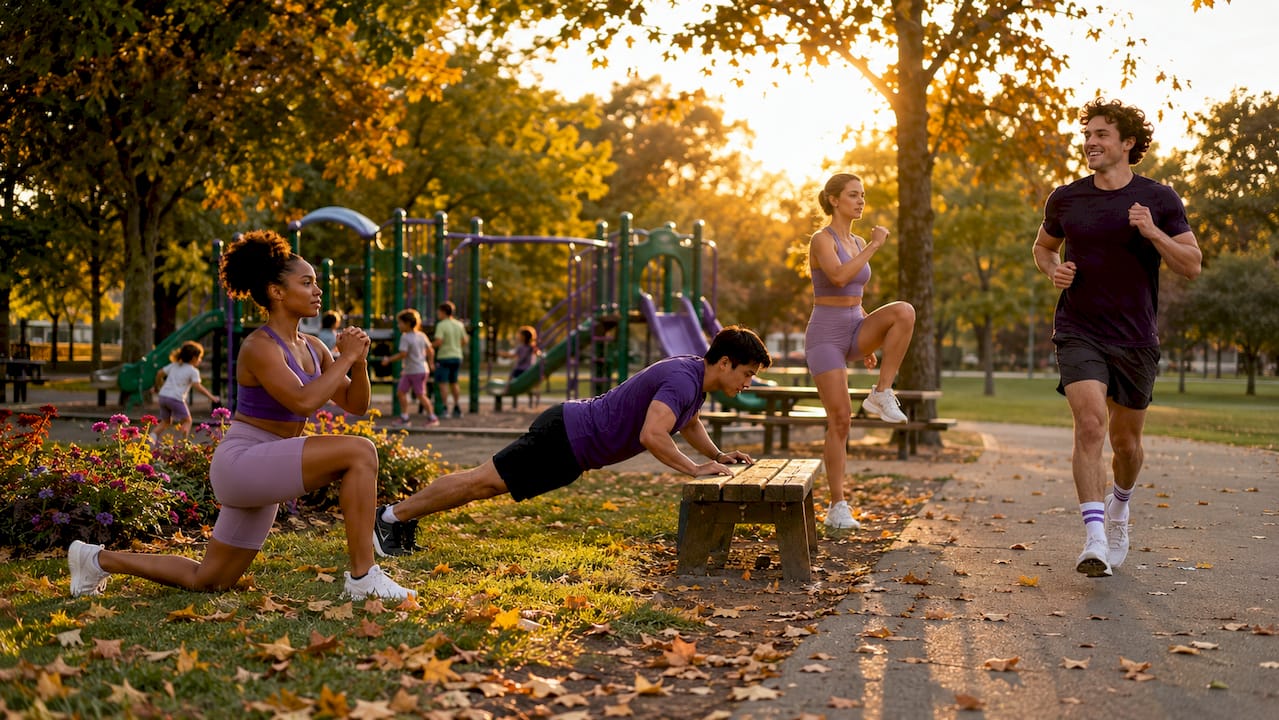
Brisk walking at 3–4 mph is the most accessible bone health exercise available. It loads the hip, femur, and lumbar spine with every step, stimulating the cells responsible for new bone formation. Walking is also low enough in impact that most people recovering from injury or managing osteoporosis can do it safely. Aim for 30 minutes at a pace that raises your heart rate noticeably.
Pro Tip: Carry light hand weights or wear a weighted vest set at 5–10% of your body weight to increase the mechanical load without changing your pace.
3. Hiking
Hiking adds uneven terrain to the walking equation, which forces your ankles, knees, and hips to stabilize constantly. That multi-directional loading stimulates bone sites that flat walking misses. Trails with moderate inclines are particularly effective for the femoral neck, a common fracture site in older adults. Start with paved nature paths before moving to unpaved trails if you are early in recovery.
4. Stair climbing
Stair climbing generates ground-reaction forces significantly higher than flat walking, making it one of the most efficient bodyweight exercises for bones. Each step up requires your hip extensors and quadriceps to work against gravity at a steep angle, loading the hip and spine simultaneously. You do not need a trail or a gym. A single flight of stairs at home, repeated 10–15 times, delivers real bone stimulus.
5. Dancing
Dancing is one of the most underrated bone health exercises in any weight-bearing exercises list. It combines impact loading with rapid directional changes, which research shows stimulates bone remodeling across multiple sites including the spine, hips, and wrists. Exercise interventions significantly improve lumbar spine and femoral neck bone mineral density, and the multi-planar movement of dance is a key reason why. Styles like Zumba, ballroom, or even line dancing all count.
6. Jogging and jumping rope
Jogging and jumping rope are high-impact options that deliver the strongest ground-reaction forces of any aerobic activity. That impact is exactly what drives the most rapid bone density gains. The trade-off is injury risk, particularly for anyone with a history of stress fractures or low bone mass. If you are cleared for high-impact activity, jumping rope and jogging are among the fastest ways to build bone density in the hips and lower spine.
Pro Tip: If jogging feels too intense, try interval walking: 2 minutes at a normal pace, then 1 minute at a near-jog pace. You get the bone stimulus with less joint stress.
7. Racket sports
Tennis and pickleball are excellent examples of resistance training applied through sport. The lateral cuts, pivots, and overhead swings create multi-directional bone loading that straight-line cardio cannot replicate. Pickleball in particular has surged in popularity among seniors because the court is smaller and the pace is more manageable. Both sports load the dominant arm’s radius and ulna heavily, which is why racket sport athletes consistently show higher wrist and forearm bone density than non-players.
8. Squats
Squats are the cornerstone of resistance-based bone strengthening. They load the lumbar spine, hips, and femur simultaneously under significant mechanical strain. Bodyweight squats work for beginners and those in recovery. Adding a barbell or dumbbells increases the load progressively, which is the key to continued bone density gains. Progressive overload at 70–85% of your one-rep maximum is what drives meaningful bone density improvement, not light, high-rep sets.
Here are the squat variations most useful for bone health:
Bodyweight squat: Best starting point for seniors and post-injury patients
Goblet squat: Adds load through a single dumbbell held at the chest
Barbell back squat: The highest-load option for those cleared for heavy lifting
Box squat: Reduces knee stress while maintaining hip and spine loading
9. Deadlifts and farmer’s carries
Deadlifts apply direct compressive load to the lumbar spine and femoral neck, the two sites most vulnerable to osteoporotic fracture. Farmer’s carries, where you walk while holding heavy weights at your sides, add a spinal stabilization demand that deadlifts alone do not provide. Both exercises require proper form to be safe. If you are new to these movements, one session with a certified strength and conditioning specialist (CSCS) is worth the investment. Resistance training produces the highest standardized mean difference in bone mineral density improvement of any exercise type studied.
Pro Tip: For bone health specifically, focus on hip-hinge mechanics in the deadlift. The load travels directly through the femoral neck when your hips drive the movement rather than your lower back.
10. Weighted vest walking and resistance band exercises
A weighted vest turns ordinary walking into a resistance-based bone stimulus. Vests set at 5–10% of body weight increase the axial load on the spine and hips without requiring gym equipment or heavy lifting technique. Resistance band exercises, including banded squats, lateral walks, and standing rows, add mechanical strain to the wrists, shoulders, and spine. These are particularly valuable for seniors or anyone in post-fracture recovery who needs to build a daily routine around low-risk, progressive loading.
11. Tai Chi and mind-body movement
Tai Chi is not typically listed alongside squats and deadlifts, but the research is clear. Tai Chi and Yi Jin Jing produce measurable improvements in lumbar spine and femoral neck bone mineral density. The slow, controlled weight shifts load the hip and spine through full ranges of motion while simultaneously improving balance and reducing fall risk. For seniors or anyone managing bone fragility, Tai Chi may be the single safest high-return exercise available.
Aerobic vs. resistance: which type builds stronger bones?
Both exercise types build bone, but they target different sites and work through different mechanisms. This table shows where each type delivers the most benefit.
Exercise type | Primary bone sites targeted | Best suited for | Key limitation |
Aerobic (walking, dancing) | Hip, femur, lumbar spine | Seniors, beginners, recovery patients | Lower peak load than resistance |
High-impact aerobic (jogging, jumping rope) | Hip, tibia, lumbar spine | Fit adults without fracture history | High injury risk for fragile bones |
Resistance training (squats, deadlifts) | Spine, hip, wrist, femoral neck | Adults seeking maximum density gains | Requires technique and supervision |
Racket sports | Wrist, forearm, hip | Active adults and seniors | Asymmetric loading (dominant side) |
Tai Chi / mind-body | Hip, lumbar spine | Seniors, fall-risk individuals | Lower peak mechanical strain |
Swimming and cycling are excellent for cardiovascular health but do not generate the ground-reaction forces needed for bone remodeling. They belong in your routine as supplements, not substitutes.
How to safely start weight-bearing exercises for bone health
Starting a bone-strengthening routine requires a few non-negotiable steps, especially if you have a fracture history or are over 65.
Get medical clearance first. Individuals at risk including those over 65 or with prior fractures should consult a physician and get a bone density test (DEXA scan) before starting high-impact training. Knowing your baseline helps you choose the right intensity. You can also review your bone health lab results to understand what the numbers mean before your appointment.
Start with low-impact options. Brisk walking, weighted vest walking, and Tai Chi are the safest entry points. Build 4–6 weeks of consistent aerobic activity before adding resistance work.
Add resistance training progressively. Begin with bodyweight squats and resistance bands. Increase load only when your form is solid and you feel no joint pain during or after sessions.
Support your bones nutritionally. Calcium at 1,000–1,200 mg per day, along with Vitamin D, magnesium, and Vitamin K, is required for exercise to translate into actual bone density gains. Exercise without adequate nutrition produces limited results. The role of magnesium in bone repair is often overlooked but critically important.
Watch for warning signs. Sharp joint pain, swelling, or pain that persists more than 24 hours after exercise signals you need to reduce intensity or consult your provider.
Key takeaways
Weight-bearing exercise is the most effective non-pharmacological strategy for building bone density, and combining aerobic and resistance types produces the strongest results across multiple bone sites.
Point | Details |
Two exercise types matter | Aerobic and resistance training each target different bone sites and should be combined. |
Frequency drives results | Aim for 30 minutes of aerobic activity 5+ days per week plus 2 resistance sessions weekly. |
Progressive overload is required | Light, high-rep exercise does not build bone density; heavier loads at 70–85% of max effort do. |
Nutrition must support exercise | Calcium at 1,000–1,200 mg daily and Vitamin D are required for exercise to improve bone density. |
Medical clearance protects you | Anyone over 65 or with a fracture history should get a DEXA scan before starting high-impact work. |
Why I think most people get bone exercise completely wrong
Most people I talk to assume that any movement counts equally for bone health. They swim three days a week, feel fit, and are genuinely surprised when their DEXA scan shows declining density. Swimming is not the problem. The missing piece is mechanical load through the skeleton while standing.
The other mistake I see constantly is treating bone exercise as a light activity. Walking is great, but walking alone at a comfortable pace will maintain bone density at best. It will not rebuild it. The research on progressive overload is unambiguous: your bones need to be challenged at intensities that feel genuinely hard. That means adding weight, increasing pace, or choosing higher-impact options as your fitness grows.
What actually works is combining a consistent aerobic base (walking, dancing, stair climbing) with two focused resistance sessions per week. Squats and deadlifts are not just for athletes. They are the most direct mechanical stimulus your spine and hips will ever receive. If form is a concern, one or two sessions with a physical therapist or CSCS is all it takes to move safely.
One more thing: nutrition is not optional. I have seen people train consistently for months with minimal bone density change, and the culprit is almost always inadequate calcium or Vitamin D. Exercise creates the demand. Nutrition provides the raw material. You need both.
— Fracture
How Fracture-club supports your recovery and bone health routine
Getting back to weight-bearing activity after a fracture is one of the most important steps in recovery, and what you wear matters more than most people expect.
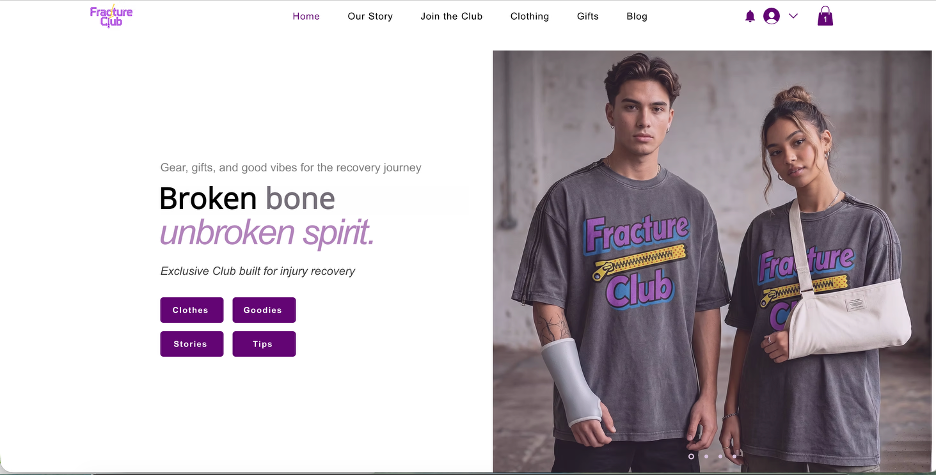
Fracture-club designs adaptive recovery wear specifically for people healing from bone injuries. The adaptive recovery pants feature magnetic side zippers that make dressing and undressing simple even with a cast or brace, so you can get moving without the struggle. The adaptive recovery sweatshirt is built for upper limb injuries, giving you full comfort during light exercise and daily movement. A portion of every purchase supports the Bone Health & Osteoporosis Foundation. Visit Fracture-club to explore the full collection.
FAQ
What counts as a weight-bearing exercise for bones?
Any activity performed while standing that works your muscles and skeleton against gravity counts as weight-bearing. Examples include walking, dancing, squats, stair climbing, and tennis.
Is walking enough to build bone density?
Walking maintains bone density but may not rebuild it significantly on its own. Adding resistance training, a weighted vest, or higher-impact activities like jogging produces stronger bone density gains.
What are the best exercises for osteoporosis?
Brisk walking, Tai Chi, resistance band exercises, and low-load squats are the safest and most effective options for osteoporosis. High-impact activities require medical clearance first.
How often should I do weight-bearing exercises for bone health?
Health guidelines recommend at least 30 minutes of aerobic weight-bearing activity 5 days per week, combined with resistance training 2 days per week.
Can I strengthen my bones after a fracture?
Yes. Once cleared by your physician, progressive weight-bearing activity is one of the most effective ways to rebuild bone density and reduce future fracture risk. Start low-impact and increase intensity gradually.
Recommended
Comments