
Uplifting Habits During Fracture Healing: 2026 Guide
- T. Armstrong

- Jun 24
- 8 min read
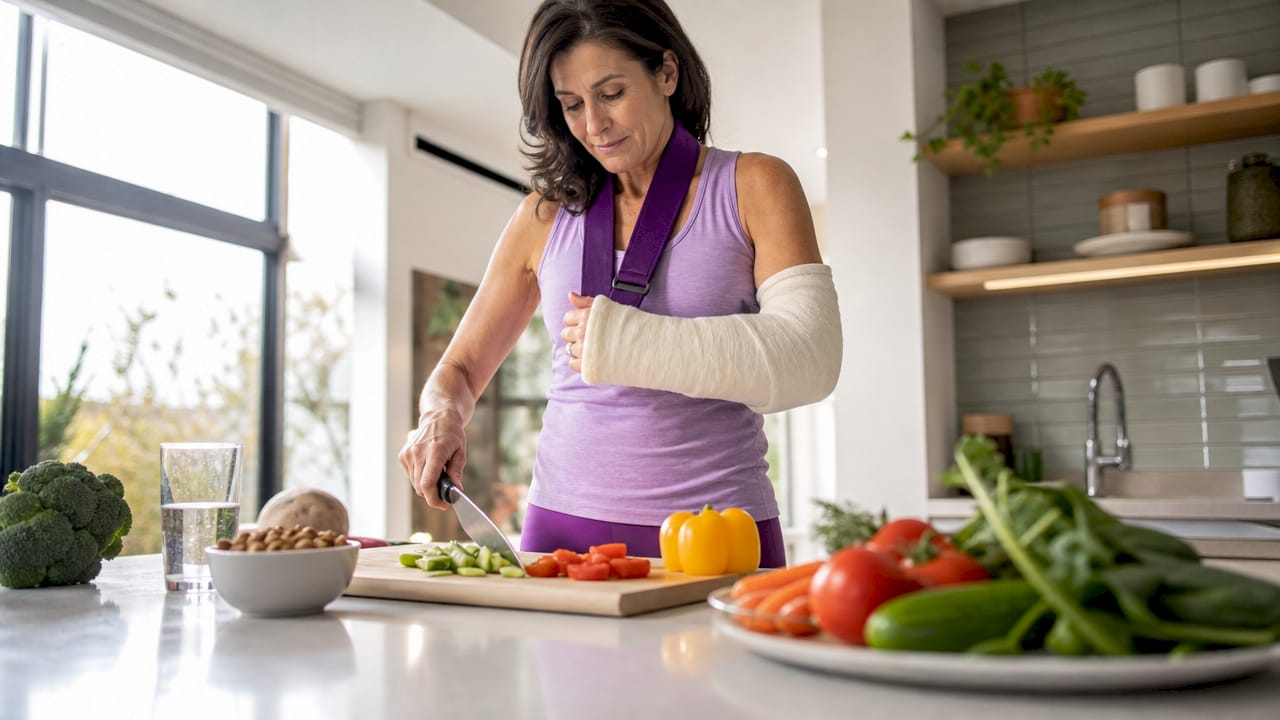
Uplifting habits during fracture healing are defined as the daily physical, nutritional, and psychological practices that accelerate bone repair and protect your mental well-being at the same time. Recovery is not just about keeping still and waiting. A 2026 clinical trial combining quantitative rehabilitation training with the teach-back health education model showed measurably lower pain, anxiety, and depression compared to conventional care. What you do every day matters as much as what your doctor prescribes.
1. Which nutritional habits promote bone healing and uplift your recovery?
Nutrition is the single most controllable factor in how fast your fracture heals. Protein rebuilds the collagen matrix that holds new bone together. Calcium and vitamin D drive mineralization, the process that makes that matrix hard and strong.
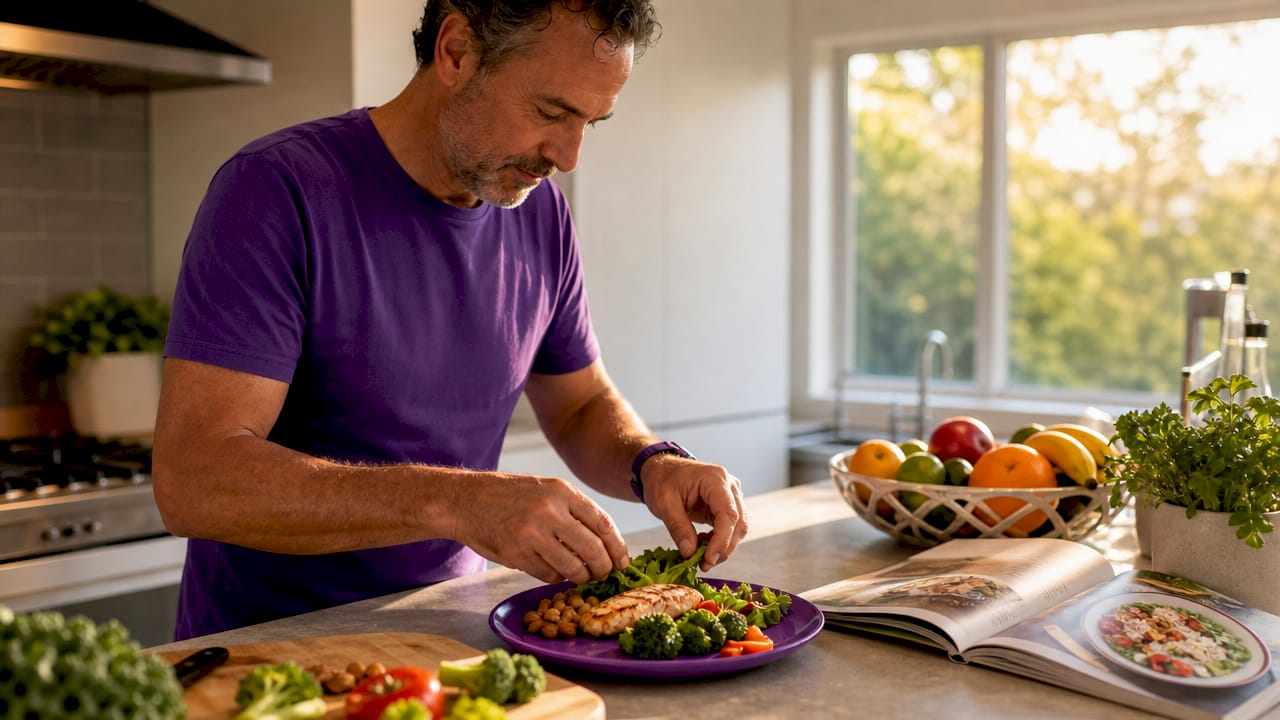
A clinical study found 57.5% vitamin D deficiency and 35.0% hypocalcemia in fracture patients. Patients with sufficient levels healed approximately 2.5 weeks faster. That gap is significant when you are counting down the days to full mobility.
Key foods and nutrients to prioritize:
Calcium: dairy products, fortified plant milks, canned salmon with bones, kale, and broccoli
Vitamin D: fatty fish like salmon and mackerel, egg yolks, fortified cereals, and safe sun exposure
Protein: lean meats, legumes, Greek yogurt, eggs, and tofu
Vitamin C: citrus fruits, bell peppers, and strawberries to support collagen formation
Magnesium: nuts, seeds, and whole grains for bone density support
Avoid NSAIDs like ibuprofen during the acute healing phase unless your clinician specifically approves them. Research suggests they may interfere with the inflammatory signals your body needs to start bone repair. Read more about post-fracture nutrition to build a complete meal plan.
Pro Tip: Ask your care team to check your vitamin D and calcium levels early in recovery. Correcting a deficiency is one of the few things you can do that directly shortens healing time.
2. How can mental health and education improve your fracture recovery experience?
Mental wellness after injury is not a soft concern. Psychological distress is 3–5 times higher in fracture patients than in the general population. Poor social support makes that distress significantly worse, especially in the acute weeks right after injury.
The teach-back model is an active process, not passive listening. You repeat recovery instructions back to your care team in your own words. That act builds self-efficacy, the belief that you can manage your own recovery. Teach-back education is a form of cognitive restructuring. It replaces helplessness with mastery.
Mental health habits that make a real difference:
Repeat your care instructions back to your clinician after every appointment
Pair each rehab exercise with a brief mental check-in: note your mood and energy level
Schedule at least one social call or visit per day during the acute phase
Use a journal to track anxiety triggers and progress wins side by side
Ask your care team directly about counseling or peer support referrals
“Recovery is not just a physical process. The patients who do best are the ones who understand their own care plan and feel supported by the people around them.”
Social connection is not optional. Social support reduces distress during the acute post-injury phase and improves compliance with rehab routines. Lean on family, friends, and communities like Fracture-club that understand what you are going through.
Pro Tip: After each clinic visit, spend one to two minutes writing down the key instructions in your own words. Review them the next morning. This simple teach-back habit builds confidence and keeps you on track.
3. What daily habits support physical care and prevent complications during healing?
Physical care habits are the foundation of safe recovery. Skipping even one step, like bearing weight too soon, can set your healing back by weeks. Follow your clinician’s activity and rest instructions exactly as given.
Elevate the injured limb above heart level for the first several days to reduce swelling and pain.
Keep your cast or splint dry and intact. Cover it with a waterproof sleeve when bathing. Never insert objects inside to scratch the skin.
Attend every follow-up appointment. X-rays at scheduled intervals confirm that the bone is aligning correctly.
Avoid premature weight bearing. Your clinician will tell you when partial or full weight bearing is safe. Do not rush this step.
Stay hydrated. Hydration supports circulation and nutrient delivery to the healing site.
Move unaffected joints gently if your clinician approves. Keeping neighboring joints mobile prevents stiffness and preserves flexibility.
Watch for warning signs. Increasing pain, numbness, color changes, or a foul smell from the cast all require immediate medical attention.
Your daily care schedule during recovery does not need to be complicated. Consistent, simple habits done correctly every day produce better outcomes than sporadic effort.
4. Why is quality sleep critical for healing and mental well-being during fracture recovery?
Sleep is the body’s primary repair window. During deep sleep, growth hormone is released and tissue rebuilding accelerates. Cutting sleep short does not just make you tired. It actively slows your recovery.
Meta-analyses of 116,000+ participants show that sleep deprivation lowers pain threshold and worsens musculoskeletal pain. Pain and sleep have a bidirectional relationship. More pain disrupts sleep, and less sleep amplifies pain. Breaking that cycle is one of the most powerful things you can do.
Sleep habits that support fracture recovery:
Set a consistent bedtime and wake time, even on weekends
Keep the bedroom cool, dark, and quiet
Elevate the injured limb with a pillow to reduce nighttime throbbing
Avoid screens for 30 minutes before bed to support melatonin production
Limit caffeine after 2:00 pm
Waking between 2:00 am and 3:00 am with pain is a recognized clinical pattern. It may reflect nervous system regulation issues rather than tissue damage alone. That distinction matters for treatment.
Pro Tip: Log the exact time you wake up with pain for one week and share that log with your clinician. Early-morning pain patterns can guide targeted interventions that go beyond standard pain management.
5. Which uplifting habits help minimize risk factors and support sustained recovery?
Some habits protect your healing from the outside in. Smoking and heavy alcohol use are the two most damaging controllable behaviors during fracture recovery. Addressing them is not about willpower alone. It is about giving your bone the biological environment it needs to rebuild.
A meta-analysis of 1.6 million+ participants found hazard ratios of approximately 1.64 to 1.78 for fracture risk in current smokers. Smoking also delays healing by reducing blood flow to the fracture site and impairing bone cell activity. Quitting at any point during recovery produces measurable benefits.
Behavior | Impact on healing | Recommended habit |
Smoking | Delays bone repair, reduces blood flow | Quit or reduce; ask clinician about cessation support |
Heavy alcohol use | Impairs calcium absorption, disrupts sleep | Limit to clinician-approved levels or avoid entirely |
Social isolation | Increases psychological distress 3–5x | Schedule daily contact with family, friends, or community |
Sedentary behavior | Increases stiffness, reduces circulation | Follow approved gentle movement routines daily |
Poor nutrition | Slows mineralization and collagen repair | Prioritize calcium, vitamin D, and protein at every meal |
Community engagement is a genuine recovery tool. Fracture-club connects people who understand the frustration of limited mobility and the slow pace of healing. Shared experience reduces isolation and keeps motivation steady over a long recovery.
Key takeaways
Building uplifting habits during fracture healing requires combining nutritional correction, mental health education, consistent physical care, quality sleep, and the elimination of harmful behaviors like smoking.
Point | Details |
Nutrition drives healing speed | Correcting vitamin D and calcium deficiencies can shorten healing time by approximately 2.5 weeks. |
Mental health habits are clinical tools | Teach-back education and social support measurably reduce anxiety and depression in fracture patients. |
Daily physical care prevents setbacks | Elevating the limb, protecting the cast, and avoiding early weight bearing are non-negotiable daily habits. |
Sleep is a recovery accelerator | Improving sleep quality lowers pain perception and supports tissue repair through hormonal release. |
Quitting smoking has immediate benefits | Stopping smoking at any point during recovery improves blood flow and bone cell activity. |
What I have learned about recovery habits after working with fracture patients
Recovery advice tends to focus on the physical. Rest the limb. Take your supplements. Attend your appointments. That guidance is correct, but it misses something important. The patients who recover fastest are not the ones who follow instructions perfectly. They are the ones who understand why each instruction matters.
The teach-back model changed how I think about patient education. When someone can explain their own care plan back in their own words, their compliance goes up and their anxiety goes down. Those two outcomes are connected. Anxiety about recovery often comes from feeling out of control. Understanding your plan gives control back.
Social support is underrated in clinical settings. Clinicians focus on the fracture. Nobody asks about loneliness. But the research is clear. Isolation worsens distress, and distress worsens outcomes. Encouraging people to stay connected is not a soft recommendation. It is evidence-based care.
The hardest part of building positive habits during recovery is the pace. Healing is slow. Progress is invisible for weeks at a time. The habits that matter most, sleep, nutrition, social connection, do not produce dramatic daily results. They compound quietly. Trust the process, track your small wins, and keep your care team informed. That combination works.
— Fracture
Recovery wear that supports your daily healing habits
Getting dressed with a cast or brace is genuinely difficult. Struggling with tight waistbands or narrow sleeves every morning adds friction to habits you are already working hard to maintain.
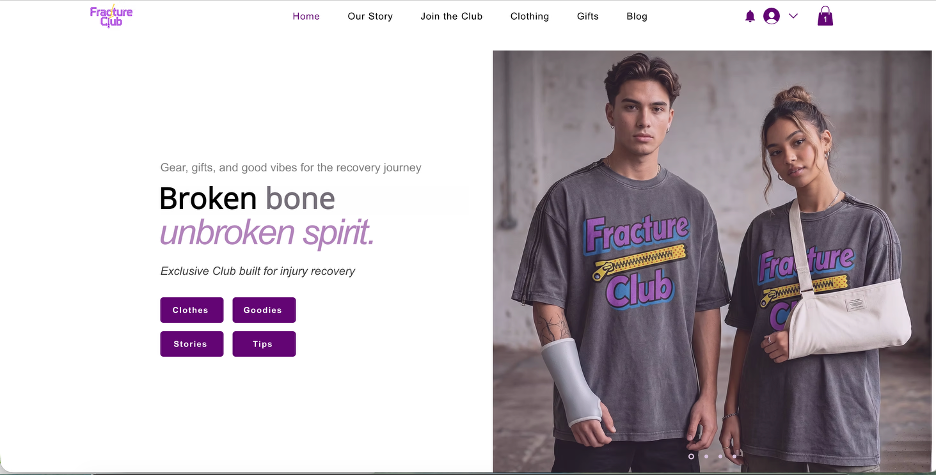
Fracture-club designs adaptive recovery clothing specifically for this problem. The adaptive recovery pants feature side magnetic zippers that open wide enough to dress over a cast without contorting your body. The easy-on recovery sweatshirt is built for upper limb injuries, so getting dressed does not become a daily battle. A portion of every purchase benefits the Bone Health & Osteoporosis Foundation. Visit the Fracture-club blog for more recovery tips, community stories, and resources that keep your healing on track.
FAQ
What are the most important uplifting habits during fracture healing?
The most impactful habits are correcting vitamin D and calcium deficiencies, maintaining social connection, following a consistent sleep schedule, and using the teach-back method to stay engaged with your care plan. Each of these has direct clinical evidence supporting faster recovery and lower psychological distress.
How does sleep affect fracture recovery?
Sleep deprivation lowers pain threshold and worsens musculoskeletal pain, based on meta-analyses involving more than 116,000 participants. Prioritizing consistent, quality sleep is one of the most effective and underused recovery tools available.
Does smoking really delay fracture healing?
Yes. A meta-analysis of more than 1.6 million participants found that current smokers face significantly higher fracture risk and slower healing due to reduced blood flow and impaired bone cell function. Quitting at any point during recovery produces measurable improvement.
How can I protect my mental health during fracture recovery?
Schedule daily social contact, use the teach-back method after every clinic visit, and pair your rehab exercises with brief mood check-ins. Clinical research shows that combining rehabilitation training with health education significantly reduces anxiety and depression in fracture patients.
What foods should I eat to support bone healing?
Prioritize calcium-rich foods like dairy and fortified plant milks, vitamin D sources like fatty fish and egg yolks, and protein from lean meats, legumes, and Greek yogurt. Ask your clinician to check your lab levels early so you can correct any deficiencies before they slow your healing.
Recommended
Comments