
Unique Gifts for Bone Fracture Healing That Actually Help

When someone you care about is stuck in a cast or working through weeks of rehab, finding unique gifts for bone fracture healing that go beyond flowers and get-well cards takes real thought. Most fractures take 6 to 12 weeks to heal, and that stretch of time is physically uncomfortable and emotionally draining. The right gift can ease daily frustrations, support the healing process, and remind your loved one that they are not going through it alone. This guide walks you through exactly what to give and when.
Table of Contents
Key takeaways
Point | Details |
Match gifts to healing phase | Early immobilization and rehabilitation stages have very different needs, so timing your gift matters. |
Avoid bulky items early on | Swelling is highest in the first week, so gifts that accommodate cast and splint fit are safest. |
Comfort supports healing | Reducing physical and emotional stress creates a better healing environment for bone repair. |
Adaptive clothing is practical | Easy-on/off clothing with magnetic closures removes a major daily frustration for fracture patients. |
Personalize by injury and lifestyle | A gift that fits the recipient’s fracture location, hobbies, and recovery stage lands far better than a generic one. |
1. How to choose unique gifts that support bone fracture healing
Before you buy anything, understanding a few basics will save you from gifting something that sits unused or, worse, causes discomfort. Fracture recovery, clinically called orthopedic rehabilitation, moves through two distinct phases: immobilization (splint or cast) and active rehabilitation. Each phase calls for a different kind of support.
Here is what to keep in mind when selecting gifts for fracture recovery:
Healing phase: Doctors often use a splint first, then apply a cast after swelling reduces, typically 5 to 7 days post-injury. Gifts in the first week need to work around swelling, not against it.
Fracture location: A wrist fracture limits hand use. A leg fracture affects mobility entirely. Your gift should address the specific limitation your loved one is facing.
Mobility and comfort: Supporting comfort and daily function aids both physical recovery and mental health. Think about what makes their day harder and solve that.
Emotional well-being: Weeks of limited independence can wear on anyone. Gifts that engage the mind, restore a sense of normalcy, or simply make someone feel seen carry real weight.
Nutrition and bone health: Calcium, vitamin D, and protein all support bone repair. Gifts that include bone-supportive foods or supplements are quietly powerful.
Pro Tip: Always check with the recipient or their caregiver before gifting mobility aids or physical therapy tools. Gifts must match the clinical intent of the current treatment phase to avoid undermining stability.
2. Best gifts for the early immobilization phase
The first few weeks are the hardest. Your loved one is adjusting to a cast or splint, managing discomfort, and losing independence they took for granted. This is when the right gift makes the biggest difference.
Adaptive clothing: Regular clothes become a puzzle when you have a cast. Tops with magnetic closures or side-zip pants let patients dress without help or pain. This is one of the most practical and underrated gifts in this category.
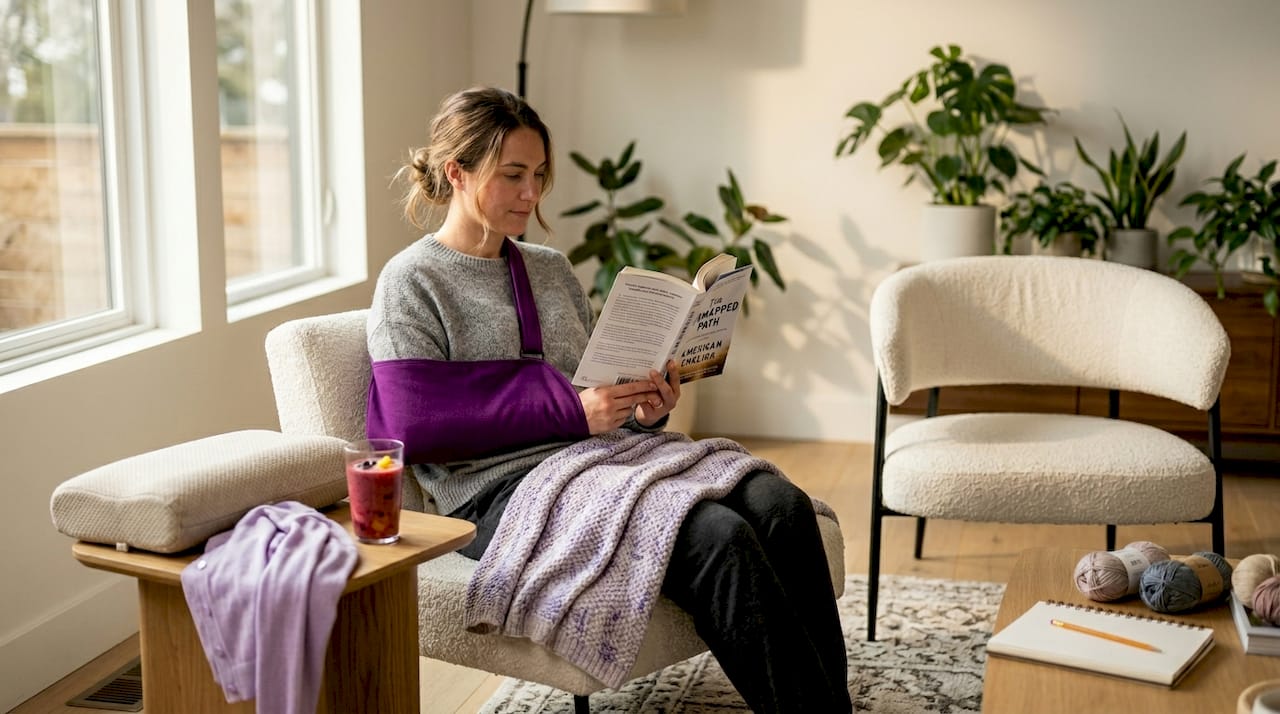
Elevated pillow or limb support cushion: Keeping a fractured limb elevated reduces swelling and discomfort. A wedge pillow designed for arm or leg support is both thoughtful and functional.
One-handed gadgets: Jar openers, electric can openers, and one-handed cutting boards restore small moments of independence in the kitchen. These are gifts that get used every single day.
Portable entertainment: Audiobook subscriptions, streaming service gift cards, and puzzle books give the mind something to do during long, slow days at home.
Skin care safe for cast wearers: Dry skin around cast edges is a real issue. Fragrance-free lotions, soft cotton gloves, or cooling sprays designed for cast wearers are considerate and useful.
Shower chair or bath seat: For lower limb fractures especially, a medical-grade shower chair turns a dangerous daily task into a manageable one.
Pro Tip: Avoid bulky or heavy gifts in the first week. Swelling management is critical early on, and anything that presses against the limb or complicates cast fit can cause real problems.
3. Creative gifts for the rehabilitation phase
Once the cast comes off, recovery shifts gears. The focus moves from rest and protection to restoring movement, strength, and confidence. Early range-of-motion work reduces stiffness after immobilization, and the right gifts can support that process.
Resistance bands: Lightweight, color-coded resistance bands are a staple of physical therapy. They are affordable, versatile, and used directly in guided rehab programs.
Balance boards or wobble cushions: For lower limb fractures, balance training is a key part of regaining stability. These tools are often recommended by physical therapists and make a genuinely useful gift.
Guided rehab apps or books: Apps like PT Pal or books written by physical therapists give patients structure and confidence as they work through exercises at home.
Adaptive recovery clothing: Even after cast removal, getting dressed can be uncomfortable. Soft, loose clothing with easy closures supports the transition back to normal without the struggle.
Bone health supplement kits: Curated packages with calcium, vitamin D3, magnesium, and collagen peptides are a thoughtful way to support the body’s continued repair work from the inside.
Recovery journal or tracking app: Documenting progress, noting pain levels, and celebrating small milestones helps patients stay motivated. A quality journal or a digital tracking subscription turns recovery into something they are actively participating in, not just enduring.
You can find a solid collection of curated recovery gift ideas that cover both phases if you want inspiration organized by category.
4. Side-by-side comparison of top gift options by healing phase
Use this table to quickly match a gift to where your loved one is in their recovery.
Gift | Best phase | Primary benefit | Price range | Consideration |
Adaptive magnetic-closure clothing | Both phases | Comfort and independence | $30–$80 | Match to fracture location (upper vs. lower limb) |
Limb elevation pillow | Immobilization | Swelling reduction and comfort | $25–$60 | Confirm correct limb positioning angle |
Resistance bands set | Rehabilitation | Strength and mobility restoration | $10–$30 | Use only after doctor clears movement |
Shower chair | Immobilization | Safety and daily function | $40–$100 | Check weight capacity and adjustability |
Bone health supplement kit | Both phases | Nutritional support for bone repair | $20–$60 | Check for interactions with any medications |
Audiobook or streaming subscription | Immobilization | Mental engagement and mood | $10–$20/month | Great for patients with arm or wrist fractures |
Recovery journal | Rehabilitation | Motivation and progress tracking | $15–$35 | Works best paired with a rehab program |
One-handed kitchen tools | Immobilization | Daily independence | $15–$45 | Tailor to dominant hand affected |
5. How to personalize your gift based on injury type and lifestyle
Generic gifts are fine. Personalized gifts are remembered. The difference often comes down to a few specific questions you ask yourself before buying.
Here is how to think through it:
What is the fracture location? Arm and wrist fractures limit hand use, so one-handed tools, audiobooks, and upper-body adaptive clothing are priorities. Leg and foot fractures call for mobility aids, shower chairs, and lower-body adaptive wear.
What does this person normally enjoy? A reader will love a new book series or an e-reader loaded with titles. A cook will appreciate adaptive kitchen tools. Matching the gift to their personality makes it feel personal, not clinical.
What stage are they in? Gifting resistance bands to someone still in a cast is well-meaning but premature. Gifts should support the transition to rehab when the time is right, not rush it.
What is your budget? Meaningful does not have to mean expensive. A handwritten note with a streaming gift card, a care package of skin-safe lotions, or a meal delivery subscription can be just as impactful as a pricier item.
Would an experience or service help more than a product? Ride-share credits for medical appointments, a meal prep service, or an offer to handle errands are gifts that reduce the logistical burden of recovery. Reducing those hassles genuinely improves mood and compliance with care plans.
For more ideas tailored to specific injury types, this guide on gifts for broken arm recovery is worth a look.
My honest take on gifting during fracture recovery
I’ve seen a lot of well-intentioned gifts land with a thud during recovery. Flowers wilt in three days. Balloons deflate. And a box of chocolates, while sweet, does nothing for someone who can’t open the box with one hand.
What I’ve found actually helps is gifts that solve a problem the person hasn’t even thought to ask for help with. The moment someone realizes they can get dressed without calling for assistance, or that they can make breakfast without struggling for ten minutes, something shifts. They feel less like a patient and more like themselves.
A common mistake I’ve noticed is treating fracture recovery as a single event rather than a process. Recovery isn’t just bone mending. It’s weeks of small frustrations, emotional dips, and slow wins. The gifts that matter most acknowledge that full arc. Something practical for week one, something encouraging for week four, and something celebratory when the cast finally comes off.
I also want to push back on the idea that support gifts for injury recovery need to be expensive to be meaningful. The most appreciated gifts I’ve seen given were a meal delivery subscription and a set of magnetic-closure pants that let someone shower and dress without help. Neither was flashy. Both were used every single day.
Be practical. Be creative. And if you are not sure what phase your loved one is in, just ask. That question alone tells them you are paying attention.
— Fracture
Give a gift that actually supports their recovery
When you are looking for a gift that does real work during recovery, adaptive clothing is one of the most practical choices you can make. Fracture-club designs recovery wear specifically for people healing from fractures and injuries, with features like magnetic side zippers that make dressing possible without a struggle.
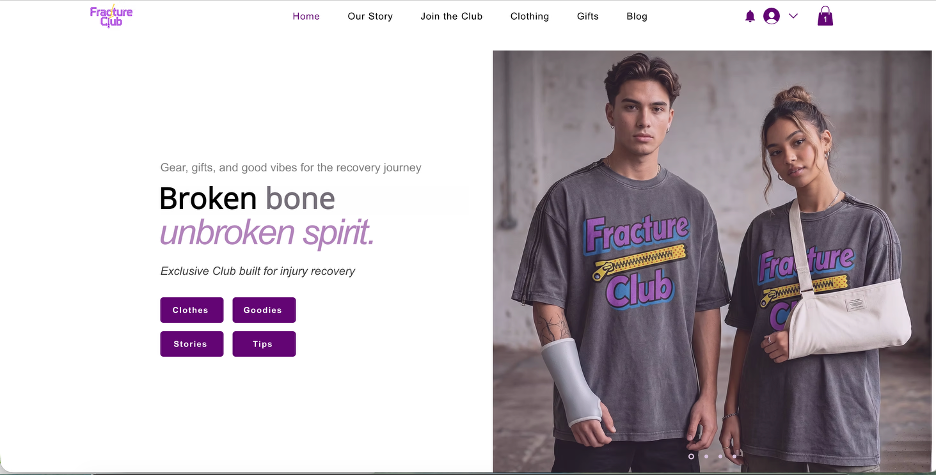
Their adaptive recovery pants and easy-on sweatshirts are built for both the immobilization and rehabilitation phases, so the gift stays useful throughout the full recovery timeline. Every purchase also supports the Bone Health & Osteoporosis Foundation, so you are giving something that gives back. If you want help finding the right fit or product for a specific injury, the inquiry services page connects you with personalized support. Browse the full collection at Fracture-club and find something worth giving.
FAQ
What are the best gifts for someone with a broken bone?
The best gifts address the specific phase of recovery. During immobilization, prioritize comfort, entertainment, and adaptive clothing. During rehabilitation, focus on mobility tools, nutritional support, and progress-tracking resources.
How long does bone fracture recovery take?
Most fractures heal in 6 to 12 weeks, though complex fractures or those in patients with underlying health conditions can take significantly longer.
Are adaptive clothing gifts good for fracture recovery?
Yes. Adaptive clothing reduces frustration during dressing and undressing with a fractured limb, restoring independence and comfort throughout both healing phases.
What gifts should I avoid giving someone with a fracture?
Avoid bulky items in the first week when swelling is highest, and skip mobility aids or exercise tools until the patient’s doctor has cleared them for movement. Gifts that interfere with cast fit or swelling management can cause real harm.
Can gifts actually help someone heal faster?
Gifts that reduce stress, support comfort, and improve daily function create a better physical and emotional environment for healing. Reducing stress aids bone repair at a biological level, making comfort-focused gifts more than just kind gestures.
Recommended
Comments