
The Role of Protein in Bone Healing: What You Need to Know
- T. Armstrong

- Jun 21
- 8 min read

Protein is the structural foundation of bone healing, supplying the amino acids your body needs to build new bone tissue after a fracture. Without adequate protein, your body cannot form the collagen matrix that scaffolds mineral deposition, and osteoblasts, the cells responsible for laying down new bone, cannot function at full capacity. The role of protein in bone healing goes far beyond muscle support. It drives the cellular and molecular processes that determine how fast and how completely your fracture repairs. If you are recovering from a bone injury, what you eat matters as much as how you rest.
How does protein support bone repair at the cellular level?
Protein drives bone repair through two core mechanisms: collagen synthesis and osteoblast activation. Collagen forms the bone scaffold that mineral crystals attach to, giving bone its tensile strength. Without enough protein, calcium has nowhere to anchor. That is why low protein intake undermines calcium’s effectiveness, no matter how many supplements you take.
Amino acids are the building blocks that make this process work. Leucine, lysine, arginine, glutamic acid, and valine promote osteoblast differentiation and mineralization in a dose-dependent manner. Arginine, in particular, is critical for synthesizing the collagen scaffold that enables mineral deposition. These amino acids are not interchangeable. Each one plays a specific role in the cellular machinery of bone repair.
Protein synthesis during healing is also tightly coupled with immune regulation. Successful fracture healing depends on integrated biological orchestration, where protein metabolism supports immune and bone cell crosstalk. When protein intake is insufficient, this crosstalk breaks down, chronic inflammation can set in, and healing slows. The Wnt/β-catenin signaling pathway, which governs osteogenesis, is also activated in part by adequate amino acid availability. Think of protein as the fuel that keeps the entire repair system running.
Collagen synthesis: Amino acids like arginine and lysine build the protein scaffold that holds mineral deposits in place.
Osteoblast activation: Leucine and valine signal bone-forming cells to differentiate and multiply.
Immune modulation: Protein metabolism regulates the inflammatory phase, preventing it from becoming chronic.
Soft callus formation: Protein is a structural prerequisite for the soft callus that bridges the fracture gap before hard bone forms.
Pro Tip: Vitamin C works alongside protein to support collagen synthesis. Pairing protein-rich meals with foods high in Vitamin C, like bell peppers or citrus, supports the collagen matrix your bone needs to heal.
Which protein sources and amino acids help the most?
Not all protein sources deliver the same amino acid profile for bone repair. The five amino acids with the strongest evidence for bone healing are leucine, lysine, arginine, glutamic acid, and valine. These comprise the most abundant fractions in egg yolk protein hydrolysates, making eggs one of the most targeted dietary protein sources for fracture recovery.

Animal proteins generally provide a complete amino acid profile, meaning they contain all essential amino acids in proportions your body can use efficiently. Plant proteins often require combining sources, such as rice and legumes, to achieve a comparable profile. That said, plant proteins still contribute meaningfully to dietary protein for bone health, especially when consumed in variety and adequate quantity.
Protein source | Key amino acids | Bone healing benefit |
Eggs (especially yolk) | Leucine, lysine, arginine, valine | Directly promotes osteoblast differentiation and mineralization |
Lean meats (chicken, beef) | Leucine, lysine, arginine | Complete profile supports collagen synthesis and muscle preservation |
Dairy (Greek yogurt, milk) | Leucine, lysine, glutamic acid | Supports both bone matrix and calcium absorption |
Legumes (lentils, chickpeas) | Lysine, arginine, glutamic acid | Plant-based option; best combined with grains for full profile |
Fish (salmon, tuna) | Leucine, lysine, arginine | High bioavailability; also provides anti-inflammatory omega-3s |
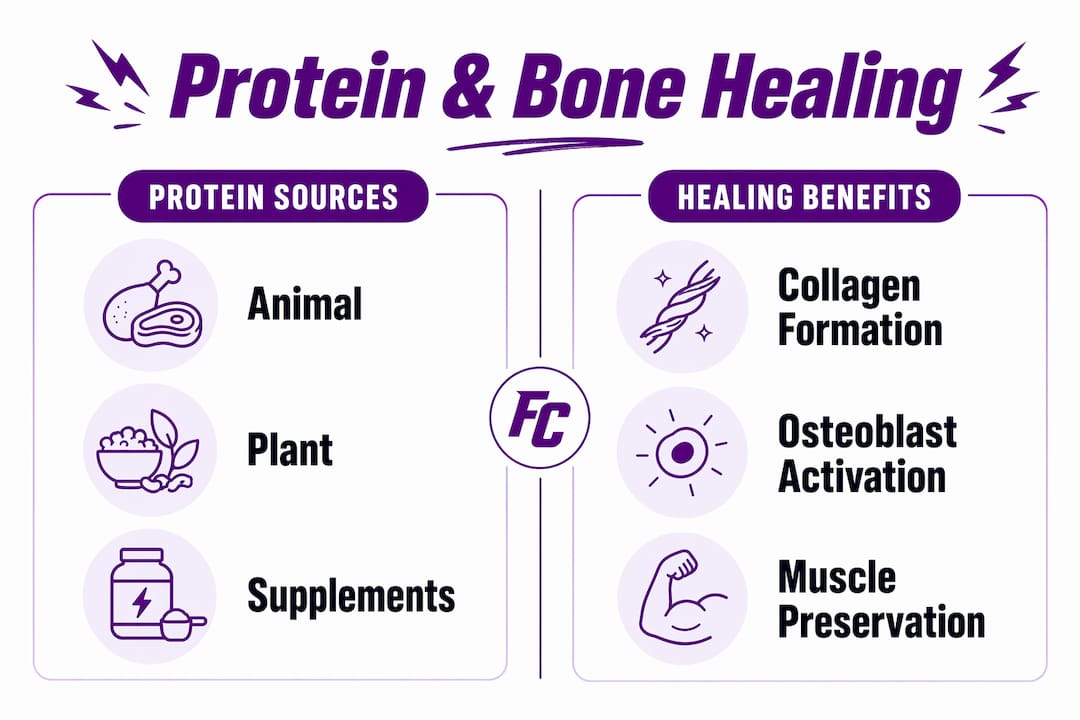
The key difference between animal and plant protein is bioavailability. Animal proteins are absorbed and used more efficiently, which matters when your body is under the high metabolic demand of fracture repair. Plant proteins are a solid option, but you may need to eat more total protein to achieve the same amino acid delivery.
Pro Tip: Spread your protein intake across three to four meals rather than concentrating it in one sitting. Your body can only use a limited amount of protein for synthesis at one time. Distributing intake throughout the day keeps amino acids available for collagen production around the clock.
What are the best nutritional strategies during fracture recovery?
The first step in fracture recovery nutrition is correcting any baseline deficiencies. Protein and amino acid deficiencies are prerequisites that must be addressed before bone callus can form and mineralize properly. Patients who are already undernourished at the time of injury face a steeper recovery curve. Addressing this early is not optional. It is foundational.
Here is a practical framework for protein intake during recovery:
Assess your baseline. If you have been eating a low-protein diet before your injury, prioritize increasing intake immediately. Patients with low baseline protein benefit the most from proactive nutritional supplementation during fracture repair.
Hit your daily target. General guidance for adults recovering from fractures points to higher protein needs than the standard dietary recommendation. Talk to your doctor or a registered dietitian about your specific target, as it varies by body weight and injury severity.
Distribute meals evenly. Eat protein at breakfast, lunch, and dinner. Skipping breakfast and loading protein at dinner wastes your body’s synthesis window during the morning hours.
Pair protein with Vitamin C. Collagen synthesis requires both amino acids and Vitamin C as a cofactor. A meal of grilled chicken with roasted red peppers covers both bases.
Avoid routine NSAID use during acute recovery. NSAIDs may impair the inflammatory phase that is critical for bone repair. This is a meaningful risk that many patients are not warned about. Discuss pain management options with your physician before defaulting to ibuprofen or naproxen.
One often-overlooked risk is muscle wasting during immobilization. Low protein intake can lead to muscle wasting that complicates rehabilitation even after the bone itself has healed. Keeping protein intake high protects your muscle mass so that physical therapy is more effective when you get there. For a broader look at how your diet shapes recovery, the fracture recovery nutrition guide at Fracture-club covers the full picture.
Advanced protein therapies for complex fractures
Most people heal well with optimized dietary protein. But in cases of nonunion, delayed healing, or severe bone loss, clinicians may turn to advanced protein-based therapies. Recombinant human bone morphogenetic protein-2, known as rhBMP-2, is the most studied of these. It is a signaling protein that stimulates bone-forming cells directly at the fracture site.
The challenge with rhBMP-2 has historically been dosage. High doses carry risks including ectopic bone formation and inflammation. Recent research shows that combination therapy with immune-modulating proteins reduces the required rhBMP-2 dose by 90% and decreases side effects. That is a significant development for patients with difficult fractures who previously faced high-risk interventions.
Indications: Nonunion fractures, large bone defects, failed prior surgical repair, or cases where dietary optimization alone is insufficient.
Mechanism: rhBMP-2 activates the same osteoblast pathways that dietary amino acids support, but at a targeted, concentrated level.
Risk profile: Ectopic bone growth and local inflammation remain concerns at standard doses, which is why combination approaches are gaining traction.
First-line reality: Advanced protein therapies are reserved for severe cases. For most patients, optimizing dietary protein is the first-line biological strategy and carries no side effect risk.
The takeaway is that the same biological pathways that respond to leucine and arginine in your diet also respond to engineered protein therapies. The difference is scale and precision. Dietary protein is your daily insurance policy. Advanced therapies are the emergency intervention.
Key takeaways
Protein is the single most important macronutrient for bone healing because it supplies the amino acids that build collagen, activate osteoblasts, and regulate the immune response that drives fracture repair.
Point | Details |
Protein builds the bone scaffold | Collagen, made from amino acids, forms the matrix that holds mineral deposits in place during repair. |
Key amino acids matter | Leucine, lysine, arginine, valine, and glutamic acid directly promote osteoblast activity and mineralization. |
Correct deficiencies early | Patients with low baseline protein intake face slower healing and greater muscle loss during recovery. |
Distribute protein across meals | Spreading intake over three to four meals maximizes amino acid availability for collagen synthesis. |
Avoid NSAIDs in acute recovery | Routine NSAID use can impair the inflammatory phase that bone repair depends on. |
Why protein is the nutrient most patients underestimate
Most people recovering from a fracture focus on calcium. They take their supplements, drink their milk, and assume they have covered the nutritional side of healing. What they miss is that calcium cannot rebuild bone without protein support. Protein is not just a muscle nutrient. It is a structural prerequisite for the soft callus that bridges the fracture before hard bone can form.
I have seen this pattern repeatedly. Patients are diligent about calcium and Vitamin D, but their protein intake is low, and their recovery stalls. The biology is clear. Surgeons focus on fixation, but the patients who heal fastest are the ones who address their nutritional baseline from day one. Nutrition is not a passive part of recovery. It is an active intervention.
The NSAID issue also deserves more attention than it gets. Reaching for ibuprofen at the first sign of pain is understandable. But the inflammatory phase of fracture healing is not something to suppress aggressively. That inflammation is part of the repair process. Prioritizing nutrition over routine pain medication during the acute phase is a choice that pays off weeks later. For more on how inflammation connects to bone recovery, the inflammation and bone recovery guide at Fracture-club is worth reading.
My honest advice: treat protein intake as seriously as you treat your follow-up appointments. It is that important.
— Fracture
Recovery starts with what you wear and what you eat
Healing a fracture takes everything you have. Your body is working hard, and the last thing you need is to struggle with getting dressed in the morning.
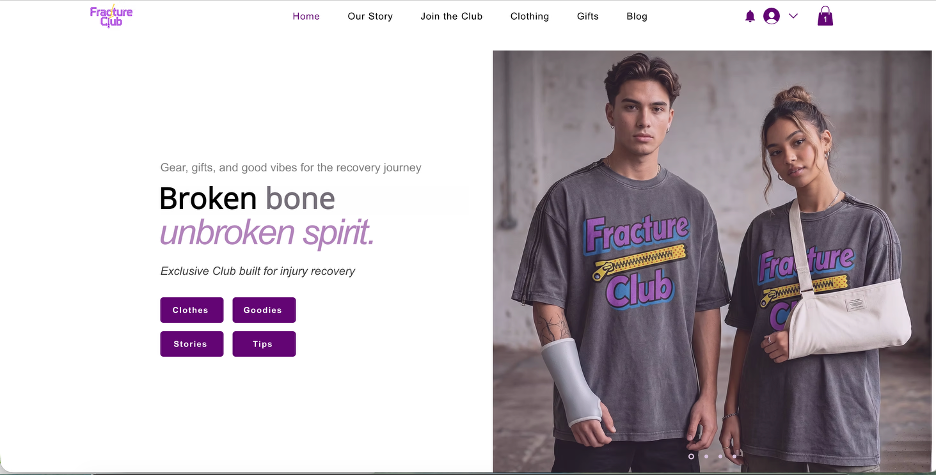
Fracture-club designs recovery wear specifically for people with casts, braces, and limited mobility. The adaptive recovery pants feature magnetic side zippers so you can dress independently without pain or frustration. For upper limb injuries, the easy-on recovery sweatshirt is built for exactly your situation. A portion of every purchase supports the Bone Health & Osteoporosis Foundation. You are not just buying comfort. You are joining a community that understands what recovery actually feels like.
FAQ
How much protein do you need during fracture recovery?
Protein needs increase during fracture recovery to support the high metabolic demand of bone repair. A registered dietitian or physician can give you a target based on your body weight and injury severity.
What are the best foods for bone healing after a fracture?
Eggs, lean meats, dairy, fish, and legumes are the top protein sources for fracture recovery because they supply leucine, lysine, arginine, and other amino acids that directly promote osteoblast activity and collagen synthesis.
Does protein help with collagen formation in bone?
Yes. Amino acids like arginine and lysine are the direct building blocks of collagen, the protein matrix that scaffolds mineral deposition in healing bone. Without adequate protein, collagen synthesis stalls and bone mineralization is compromised.
Can low protein intake slow down fracture healing?
Low protein intake delays soft callus formation, reduces osteoblast function, and can cause muscle wasting that complicates rehabilitation. Correcting protein deficiency early is one of the most effective steps you can take to support recovery.
Should you avoid NSAIDs while healing a fracture?
Routine NSAID use during the acute recovery phase can impair the inflammatory response that bone repair depends on. Talk to your doctor about pain management options that do not interfere with the biological healing process.
Recommended
Comments