
The Role of Magnesium in Bone Repair and Recovery

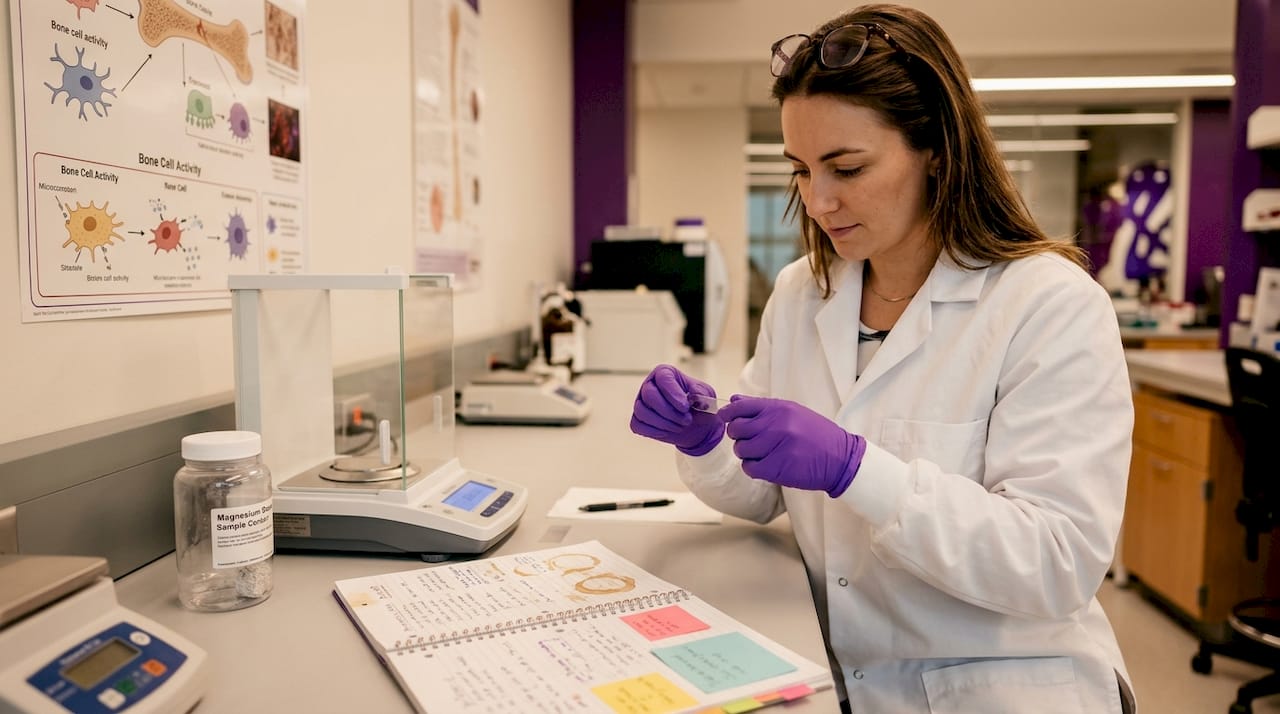
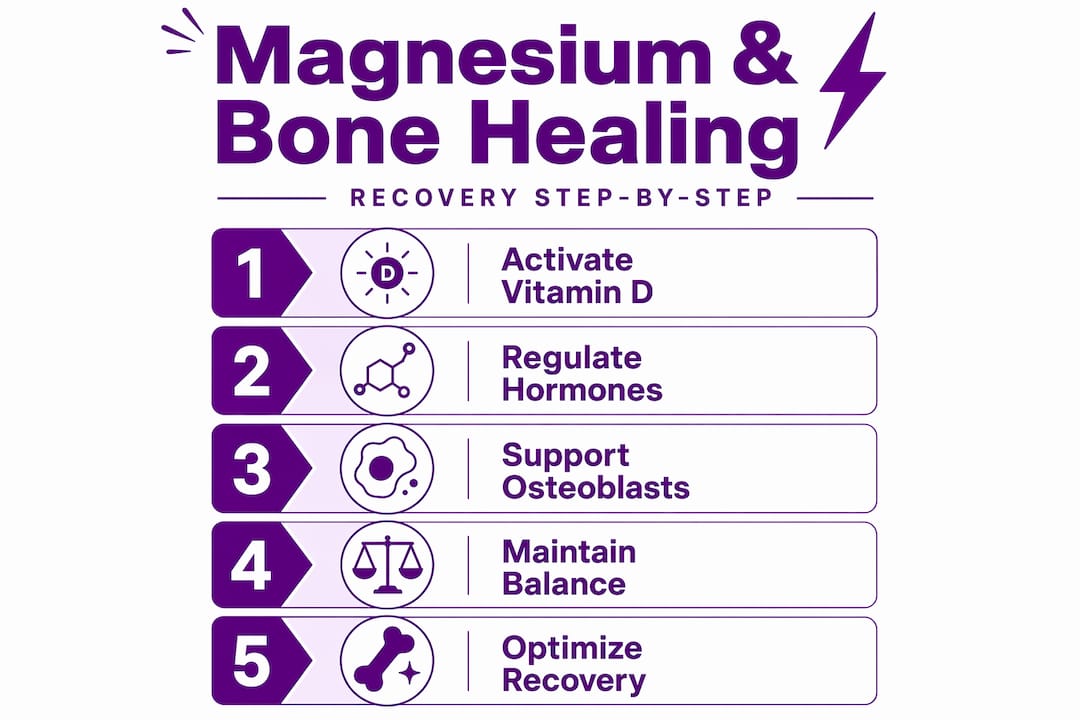
When you’re healing from a fracture, calcium gets all the attention. But there’s a mineral working just as hard behind the scenes that most people never hear about. The role of magnesium in bone repair goes far deeper than most recovery plans acknowledge. Magnesium activates vitamin D, regulates the hormones that control calcium, and directly supports the cells that build new bone tissue. Without enough of it, your body’s ability to rebuild after a break is genuinely compromised. Here’s what you need to know to give your bones every advantage during recovery.
Table of Contents
Key takeaways
Point | Details |
Magnesium activates vitamin D | Without adequate magnesium, vitamin D supplementation cannot properly direct calcium to healing bone. |
Bone density improves with intake | Women with the highest magnesium intake showed up to 3% greater hip bone mineral density than those with the lowest. |
Supplement form matters | Magnesium glycinate is one of the best-absorbed forms and also provides glycine, a building block for collagen in bone. |
Stay within the therapeutic window | Localized magnesium concentrations between 1 and 5 mM support healing; higher levels can actually impair recovery. |
Combine with calcium and vitamin D | Magnesium works best as part of a multi-nutrient approach alongside weight-bearing activity when your recovery allows. |
The role of magnesium in bone repair at the cellular level
Most people think of bone as a static structure. It isn’t. Bone is living tissue that constantly breaks down and rebuilds itself, a process called bone remodeling. Magnesium sits at the center of this process in ways that go well beyond what most recovery guides explain.
Here’s what magnesium actually does during bone healing:
Activates vitamin D. Magnesium is required to convert vitamin D into calcitriol, its active form. Without enough magnesium, vitamin D supplements do very little, and calcium cannot be properly directed to bone tissue.
Regulates parathyroid hormone (PTH). PTH controls how much calcium your body pulls from bone. Magnesium keeps PTH in balance, preventing excessive calcium loss from healing tissue.
Shapes hydroxyapatite crystals. Hydroxyapatite is the mineral compound that gives bone its hardness. Magnesium influences the size and stability of these crystals. Too little magnesium produces larger, more brittle crystals that fracture more easily.
Supports osteoblast activity. Osteoblasts are the cells that build new bone. Magnesium supports their function while also helping regulate osteoclasts, the cells that break bone down. Keeping this balance right is what determines how well a fracture site fills in.
Reduces inflammation. Chronic inflammation at a fracture site slows healing. Magnesium’s anti-inflammatory properties help create a better environment for new bone formation.
“Bone healing is biochemical before it is structural. Magnesium is a foundational mineral that enables vitamin D activation and calcium regulation. Without it, calcium supplementation alone may be largely ineffective.”
Pro Tip: If you’re taking vitamin D and calcium supplements during recovery but not seeing progress, ask your doctor to check your magnesium levels. A deficiency here can quietly undermine everything else you’re doing.
What the research actually shows
The science behind magnesium and bone health has grown significantly over the past two decades. The findings are worth knowing, especially if you’re trying to make informed decisions about your recovery.
Study / Source | Finding | Population |
Women’s Health Initiative | 3% greater hip BMD in highest vs. lowest magnesium intake group | Postmenopausal women |
Multiple clinical trials | Improved BMD and reduced fracture risk across supplementation doses of 250 to 1,800 mg | Mixed adult populations |
Clinical guidance (Better Bones) | 500 to 1,000 mg elemental magnesium daily in divided doses for bone health | Adults with bone concerns |
One thing worth noting: the evidence for magnesium’s direct impact on bone density is meaningful but not as uniformly strong as some sources suggest. Clinical evidence for zinc shows stronger trial support in deficient individuals. This doesn’t diminish magnesium’s importance. It just means you should think of magnesium as a non-negotiable foundation rather than a single-solution fix.
Postmenopausal women and older adults tend to benefit most from paying close attention to magnesium intake. Magnesium absorption decreases with age, and this population already faces heightened fracture risk. The role of magnesium in osteoporosis prevention is increasingly recognized in clinical settings, even if it hasn’t fully filtered into mainstream recovery advice yet.
Magnesium implants in orthopedic surgery
This is where the importance of magnesium for bones gets genuinely fascinating. Researchers and orthopedic surgeons are now using magnesium itself as an implant material, and the results are promising.
Traditional metal implants (titanium, stainless steel) are strong but rigid. They don’t flex like bone does, which can create a problem called stress shielding. When an implant takes on too much load, the surrounding bone doesn’t get the mechanical stimulation it needs to stay dense. Over time, the bone around the implant can weaken.
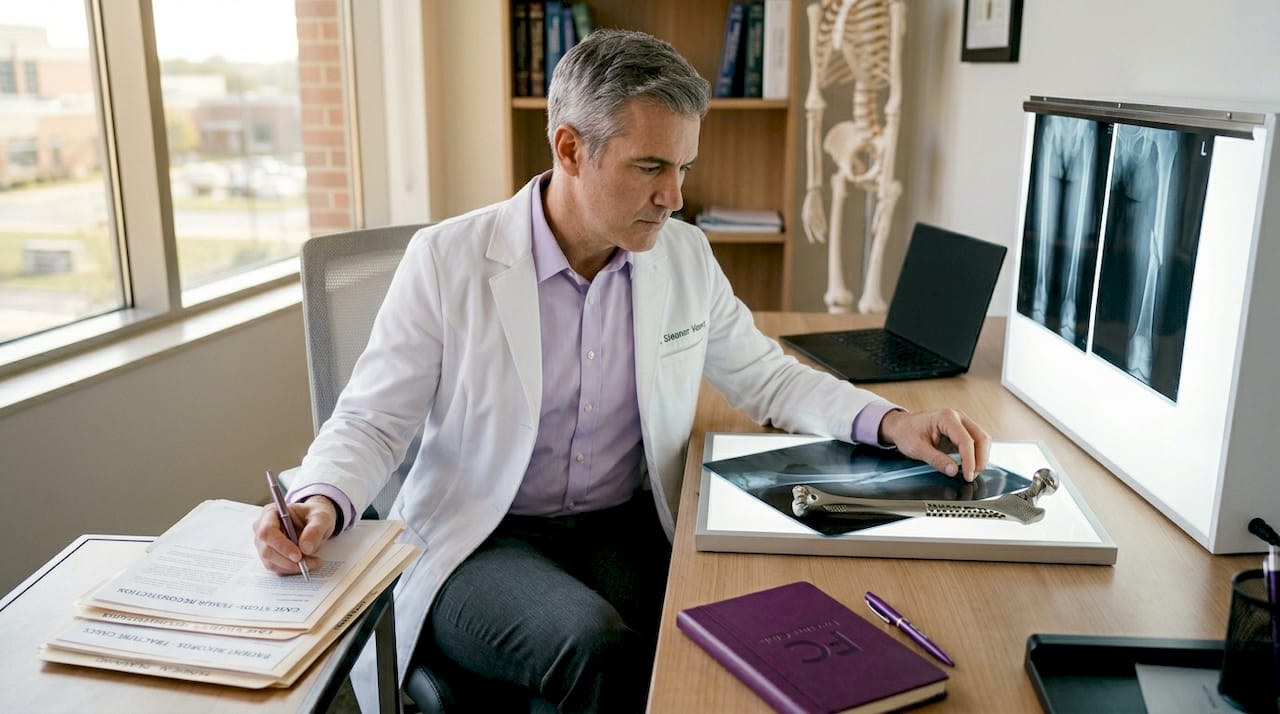
Magnesium alloy implants solve this differently. Mg alloy implants exhibit compressive strength and elasticity much closer to natural human bone, which reduces stress shielding significantly. But the more remarkable feature is that these implants are bioresorbable. They dissolve naturally in the body as the bone heals, releasing magnesium ions directly into the repair site.
Those magnesium ions do several things at once:
Promote angiogenesis (new blood vessel formation), which is critical for delivering nutrients to the healing site
Stimulate osteogenesis, meaning they actively encourage new bone cell growth
Modulate the local immune response to reduce harmful inflammation
This means the implant isn’t just a structural placeholder. It’s actively participating in the healing process and then disappearing once its job is done, eliminating the need for a second surgery to remove hardware.
Pro Tip: If you’re facing a surgical repair and your orthopedic surgeon hasn’t mentioned bioresorbable implant options, it’s worth asking. Not all facilities offer them yet, but the technology is advancing quickly.
How to supplement magnesium during bone recovery
Knowing magnesium matters is one thing. Knowing how to actually use it during recovery is another. Here’s a practical approach:
Choose the right form. Not all magnesium supplements absorb equally. Magnesium glycinate is one of the best options for bone repair specifically because it pairs magnesium with glycine, an amino acid that serves as a building block for collagen. Collagen forms the structural matrix that bone minerals crystallize onto. Magnesium oxide, by contrast, is cheap and common but absorbs poorly.
Split your doses. The recommended range for bone health is 500 to 1,000 mg daily, divided into two or three smaller doses. Your digestive system absorbs smaller amounts more efficiently than one large dose.
Time it with food. Taking magnesium with meals reduces the chance of digestive discomfort and improves absorption.
Balance with calcium and vitamin D. Magnesium and calcium compete for absorption when taken together in large amounts. If you’re taking both, space them out by a couple of hours. Always pair vitamin D with magnesium, since one depends on the other to function.
Add weight-bearing activity when cleared. Even gentle, approved movement stimulates bone remodeling. Magnesium supports the cellular machinery, but mechanical load is what signals the body to build bone in the right places.
Watch for subtle deficiency symptoms like muscle cramps, persistent fatigue, and mood changes. These are often dismissed or misattributed, but they can signal that your magnesium levels aren’t supporting your recovery the way they should.
Pro Tip: Alcohol, high sugar intake, and certain medications (including some diuretics and proton pump inhibitors) deplete magnesium. If any of these apply to you, discuss this with your doctor when reviewing your recovery nutrition plan.
Understanding the safe dosage range
More magnesium is not always better. This is worth taking seriously. Localized magnesium concentrations between 1 and 5 mM at the fracture site support healing by promoting anti-inflammatory immune activity. Concentrations at or above 10 mM can actually impair cell function and slow recovery.
Key considerations for safe supplementation:
The tolerable upper intake level for supplemental magnesium in adults is generally set at 350 mg per day from supplements alone (dietary magnesium from food is handled differently by the body)
Excess supplemental magnesium most commonly causes diarrhea and digestive upset, which signals you to reduce the dose
People with kidney disease need to be especially careful, as impaired kidneys cannot clear excess magnesium efficiently
Magnesium can interact with certain antibiotics and bisphosphonates (medications often prescribed for osteoporosis), so timing and dosing should always be reviewed with your healthcare provider
The goal is to maintain steady, adequate levels rather than flood your system. Consistent, moderate supplementation over the full course of your recovery is far more effective than high doses taken sporadically.
My take on why magnesium keeps getting overlooked
I’ve seen it happen over and over. Someone is recovering from a fracture, doing everything “right,” taking their calcium, following their physical therapy plan, and still feeling like their healing is slower than it should be. When you dig into what they’re actually consuming, magnesium is almost always the gap.
The calcium-first mindset is deeply ingrained in bone health conversations, and it’s not wrong exactly. It’s just incomplete. Calcium is the raw material. Magnesium is what makes the construction crew functional. You can pile building materials on a job site all day long, but without the workers operating properly, nothing gets built.
What I’ve learned is that the multi-nutrient approach is the only one that really holds up. Magnesium, vitamin D, vitamin K2, and adequate protein working together produce results that no single supplement can replicate. The research on vitamin D, K2, and magnesium in bone regeneration makes this clear.
My honest advice: don’t wait until you’re frustrated with slow progress to look at magnesium. Make it part of your recovery plan from day one, and treat it as seriously as you treat your follow-up appointments.
— Fracture
Gear that supports your whole recovery
Recovery isn’t just about what you put into your body. It’s also about how comfortable and capable you feel day to day while your bones do their work.

At Fracture-club, we design adaptive recovery clothing specifically for people healing from fractures and bone injuries. Getting dressed shouldn’t be a painful ordeal when you’re wearing a cast or brace. Our adaptive recovery pants feature magnetic side zippers that make dressing and undressing genuinely easy, even with limited mobility. For upper limb injuries, our easy-on sweatshirt is designed to slip on without the struggle. A portion of every purchase supports the Bone Health & Osteoporosis Foundation, because your recovery matters beyond just your own healing. You can find more recovery tips and resources on our blog to support every stage of the process.
FAQ
What does magnesium do for bone healing?
Magnesium activates vitamin D, regulates parathyroid hormone, and supports the bone-building cells called osteoblasts. Without adequate magnesium, calcium cannot be properly absorbed or directed to the fracture site.
How much magnesium should I take for bone repair?
Clinical guidance recommends 500 to 1,000 mg of elemental magnesium daily, divided into two or three doses for optimal absorption. Always confirm the right dose with your healthcare provider based on your specific situation.
What is the best form of magnesium for bone recovery?
Magnesium glycinate is widely recommended for bone repair because it absorbs well and also provides glycine, an amino acid needed for collagen synthesis in bone tissue.
Can too much magnesium slow bone healing?
Yes. Research shows that localized magnesium concentrations above 10 mM can impair cell function and hinder recovery. Consistent moderate dosing is more effective than high intermittent doses.
Does magnesium deficiency affect fracture healing?
Magnesium deficiency symptoms like muscle cramps, fatigue, and mood changes often go unrecognized, but low magnesium levels directly reduce the body’s capacity to rebuild bone after a fracture.
Recommended
Comments