
The Psychological Aspect of Fractures: A Recovery Guide
- T. Armstrong

- Jun 23
- 8 min read

The psychological aspect of fractures is defined as the emotional and mental health responses, including anxiety, depression, fear of movement, and post-traumatic stress, that directly shape how your body heals and how well you engage with rehabilitation. These responses are not secondary concerns. Psychological distress after orthopedic trauma can persist and shift throughout treatment, which means your mental state is as much a part of recovery as the bone itself. The clinical term for this field is psychosocial rehabilitation, and understanding it gives you real leverage over your healing process. If you have been feeling anxious, low, or afraid to move since your injury, you are not overreacting. You are experiencing something well-documented and, more importantly, treatable.
What is the psychological aspect of fractures?
The psychological aspect of fractures covers every mental and emotional response triggered by a bone injury, from the moment of trauma through the full course of healing. Clinicians group these responses under the broader term psychosocial factors in healing, which recognizes that the mind and body do not recover separately. Anxiety and depression frequently affect fracture patients and can worsen mental health during the first three months of treatment. That window matters because it is also when physical rehabilitation is most critical.
The fracture psychological effects you may notice include persistent worry about reinjury, low mood, difficulty sleeping, and a growing reluctance to use the injured limb. These are not personality flaws. They are predictable responses to pain, loss of independence, and uncertainty about the future. Recognizing them by name is the first step toward addressing them directly.
What psychological challenges commonly arise after a fracture?
Several specific conditions show up repeatedly in fracture recovery, and knowing them helps you spot them in yourself early.
Kinesiophobia is the fear of movement or reinjury. Kinesiophobia affects about 64.3% of hip fracture patients, making it one of the most common psychological barriers in orthopedic recovery. That figure means roughly two out of three hip fracture patients actively avoid movement because of fear, not just pain.
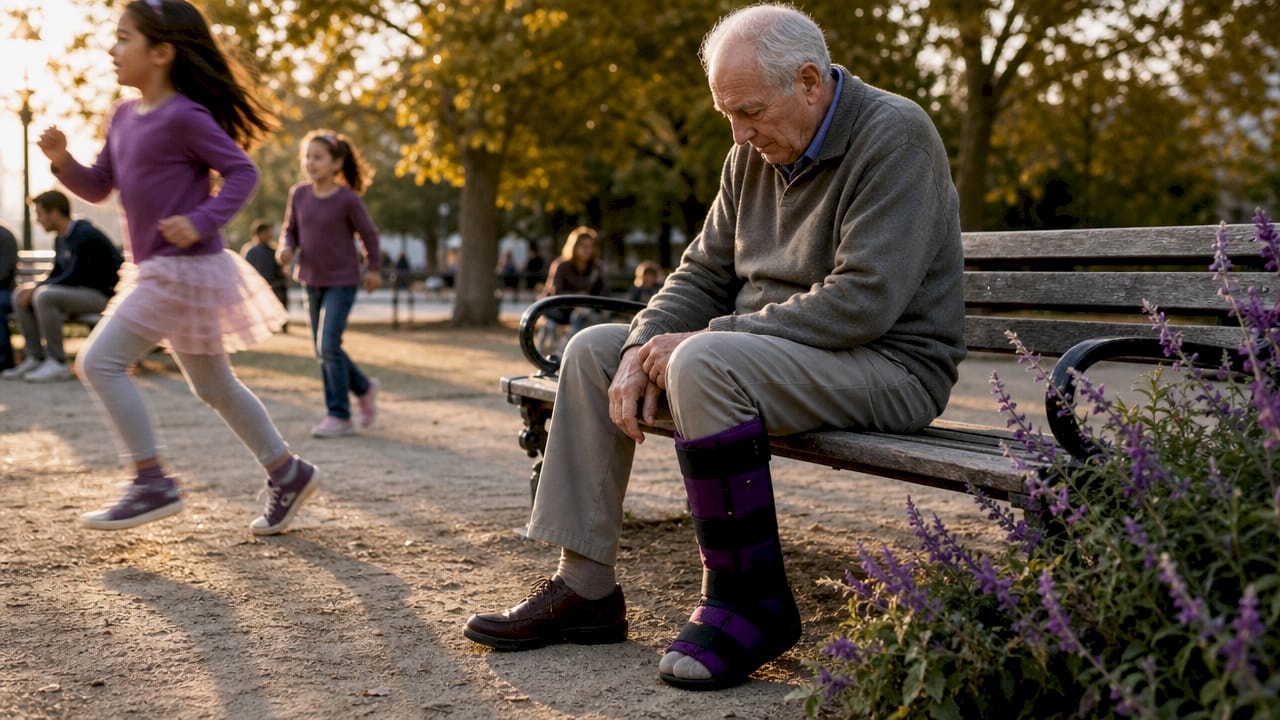
Fear of falling is especially common in older adults. After a fracture, the body’s confidence in its own balance drops sharply. This fear can outlast the physical injury by months.
Post-traumatic stress symptoms (PTSS) follow musculoskeletal trauma more often than most people expect. PTSS features include intrusion, hyper-arousal, and avoidance, and symptoms may emerge or persist months after the injury. This delayed onset is why early-stage evaluation alone is not enough.
Depression and emotional distress tied to functional limitations round out the picture. When you cannot dress yourself, drive, or do your job, the emotional toll compounds quickly.
Here is a quick summary of what to watch for:
Avoiding movement even when cleared by your doctor
Persistent low mood lasting more than two weeks
Intrusive thoughts or flashbacks about the injury event
Heightened anxiety around stairs, uneven surfaces, or crowded spaces
Loss of motivation to attend physical therapy sessions
Pro Tip: Keep a simple daily mood log during recovery. Rate your anxiety and pain on a 1–10 scale each morning. Patterns in that data give your care team something concrete to act on.
How do psychological factors influence fracture healing and rehabilitation?
The connection between mental health and fractures is not just emotional. It is physiological. Fear of movement creates a cycle where avoidance leads to muscle weakness, which increases actual instability, which reinforces the original fear. The fear-avoidance cycle results in worsened pain, functional impairment, and psychological distress. Breaking that cycle requires addressing the fear directly, not just pushing through more physical exercises.
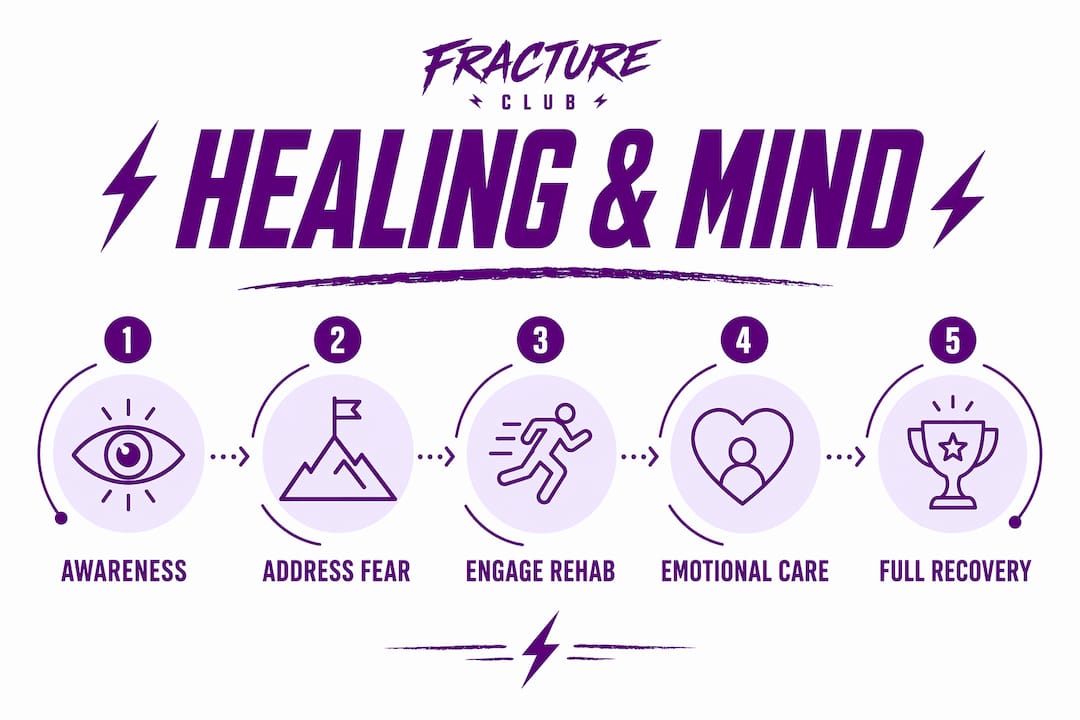
Depression adds another layer. Early weight-bearing after lower-limb fracture fixation correlates with lower incidence of depressive mood disorders during recovery. This finding suggests that the timing of your physical rehabilitation has a direct protective effect on your mental health. Getting moving sooner, within safe clinical limits, is not just good for your bones. It is good for your mood.
Psychological safety also plays a measurable role. Lower psychological safety associates with increased worry and emotional distress in fracture patients, and open fractures carry significantly lower psychological safety scores than closed ones. Patients who feel informed, supported, and heard by their care team recover with more confidence.
“The mind does not wait for the bone to heal before it starts forming opinions about what is safe. Addressing psychological recovery early is not optional. It is part of the treatment.”
Pro Tip: Ask your surgeon or physical therapist directly: “What movements are safe for me right now?” Specific permission reduces fear far more effectively than general reassurance.
The emotional impact of fractures on daily functioning is well-documented, and understanding it helps you advocate for the support you need.
What are effective psychological interventions during fracture recovery?
Addressing the mental health and fractures connection does not require a separate treatment program. Several evidence-based approaches integrate naturally into standard fracture care.
Cognitive behavioral therapy (CBT). CBT targets the catastrophic thinking patterns that feed kinesiophobia and fear of falling. It teaches you to identify distorted thoughts (“If I move my leg, I will break it again”) and replace them with accurate ones. CBT is recommended alongside progressive physical therapy for fracture patients with significant fear.
Early physical therapy initiation. Early physical therapy within two weeks post ankle-fracture surgery reduces fear of falling and improves functional outcomes in elderly patients. Starting rehabilitation early is psychologically protective, not just physically beneficial.
Screening for kinesiophobia and PTSS. Clinicians treat kinesiophobia as a clinically actionable treatment target early in recovery. Validated tools like the Tampa Scale of Kinesiophobia allow care teams to identify at-risk patients before the fear-avoidance cycle becomes entrenched.
Social support and patient education. Feeling informed reduces anxiety. Patients who understand their injury, their timeline, and their expected limitations report higher psychological safety and better rehabilitation engagement.
Mindfulness and goal setting. Short daily mindfulness practices reduce pain catastrophizing. Setting small, specific weekly goals, such as walking to the mailbox or climbing one stair, builds the confidence that fear erodes.
Pro Tip: If your care team has not mentioned psychological screening, ask for it. Saying “I have been avoiding movement because I am afraid” opens the door to targeted support that general physical therapy alone cannot provide.
Pairing these strategies with post-fracture nutrition gives your body and mind the best possible foundation for recovery.
How can understanding the psychological aspect of fractures improve your healing?
Applying psychological insights to your recovery is practical, not abstract. The first step is recognizing symptoms early. Waiting until fear or depression becomes severe makes both conditions harder to treat. If you notice avoidance behaviors or persistent low mood within the first month, raise them with your doctor immediately.
Integrating emotional care with physical rehab produces better outcomes than treating them separately. Your physical therapist, primary care doctor, and a mental health counselor can work from the same recovery plan. Ask your care team to coordinate. Most are willing when patients request it directly.
Advocating for a personalized treatment plan matters, especially if you have an open fracture, a history of anxiety, or limited social support. Socioeconomic factors modify psychological safety after fractures, meaning your individual circumstances shape your psychological risk. A one-size-fits-all approach misses that.
Here are concrete ways to reduce fear and maintain motivation:
Tell someone you trust about your fear of movement. Naming it reduces its power.
Celebrate small physical milestones, not just clinical benchmarks.
Limit time spent reading worst-case recovery stories online.
Use a structured daily routine to counter the loss of control that injury creates.
Ask your physical therapist to explain the “why” behind each exercise. Understanding purpose builds confidence.
The emotional reality of fracture recovery is something you do not have to figure out alone. Reaching out, whether to a professional or a community of people who have been through it, changes the experience.
Key takeaways
Psychological recovery from fractures is inseparable from physical healing, and addressing fear, depression, and anxiety early produces measurably better outcomes.
Point | Details |
Psychological distress is common | Anxiety and depression frequently affect fracture patients, especially in the first three months. |
Kinesiophobia is widespread | Fear of movement affects a majority of hip fracture patients and directly worsens rehabilitation outcomes. |
Early rehab protects mental health | Starting physical therapy within two weeks of surgery reduces fear of falling and depressive symptoms. |
CBT and screening are effective | Cognitive behavioral therapy and early kinesiophobia screening disrupt the fear-avoidance cycle before it becomes entrenched. |
Personalized support matters | Socioeconomic factors and fracture severity shape psychological risk, making individualized care plans necessary. |
Why emotional recovery deserves equal attention
Here is what I have seen over and over in the fracture recovery space: people focus entirely on the bone and ignore everything happening above the neck. They track their calcium intake, attend every physical therapy appointment, and follow every weight-bearing restriction to the letter. Then they wonder why they still feel stuck three months in.
The fear does not go away just because the X-ray looks good. Kinesiophobia, in particular, is sneaky. It disguises itself as caution. You tell yourself you are just being careful, but what you are actually doing is reinforcing a cycle that makes recovery harder. I have seen patients delay full rehabilitation by weeks, sometimes months, because nobody on their care team asked the right questions about fear.
What I believe strongly is this: the psychological aspect of fractures is not a soft add-on to real treatment. It is real treatment. The research backs this up clearly. Patients who receive early psychological support, whether through CBT, timely physical therapy, or simply a care team that communicates well, recover faster and with more confidence. The bone heals on its own timeline. Your confidence needs active work.
If you take one thing from this, let it be permission to talk about how you feel to your doctor, your physical therapist, and the people around you. That conversation is not a distraction from recovery. It is part of it.
— Fracture
Recovery wear that supports your whole healing process
Fracture-club builds recovery wear specifically for people healing from fractures and injuries. The practical frustrations of getting dressed with a cast or brace are real, and they add daily stress to an already difficult experience.
The adaptive recovery pants feature magnetic side zippers that make dressing possible without assistance, reducing one of the most common daily frustrations during recovery. For upper limb injuries, the easy-on sweatshirt is designed to go on and come off without the struggle that standard clothing creates. Fracture-club also donates a portion of proceeds to the Bone Health & Osteoporosis Foundation. If you are looking for thoughtful recovery gifts for someone healing right now, the full collection is worth exploring.
FAQ
What is the psychological aspect of fractures?
The psychological aspect of fractures refers to the emotional and mental health responses, including anxiety, depression, kinesiophobia, and post-traumatic stress symptoms, that arise after a bone injury and directly affect healing and rehabilitation outcomes.
How common is fear of movement after a fracture?
Kinesiophobia affects approximately 64.3% of hip fracture patients. It is one of the most prevalent psychological barriers in fracture recovery and can significantly delay rehabilitation progress if left unaddressed.
Can depression slow down fracture healing?
Depression and low mood are linked to reduced rehabilitation engagement and worse functional outcomes. Research shows that early weight-bearing and timely physical therapy help lower the risk of depressive mood disorders during fracture recovery.
When should I seek psychological support after a fracture?
Seek support as early as the first month if you notice persistent avoidance of movement, low mood, intrusive thoughts about the injury, or anxiety around daily activities. Early intervention produces better outcomes than waiting for symptoms to become severe.
Does post-traumatic stress happen after fractures?
Post-traumatic stress symptoms do occur after musculoskeletal trauma and can emerge or persist months after the injury. Long-term psychological monitoring, not just early-stage evaluation, is necessary to catch delayed symptoms.
Recommended
Comments