
Self-Care Checklist for Bone Injury Recovery: 2026 Guide

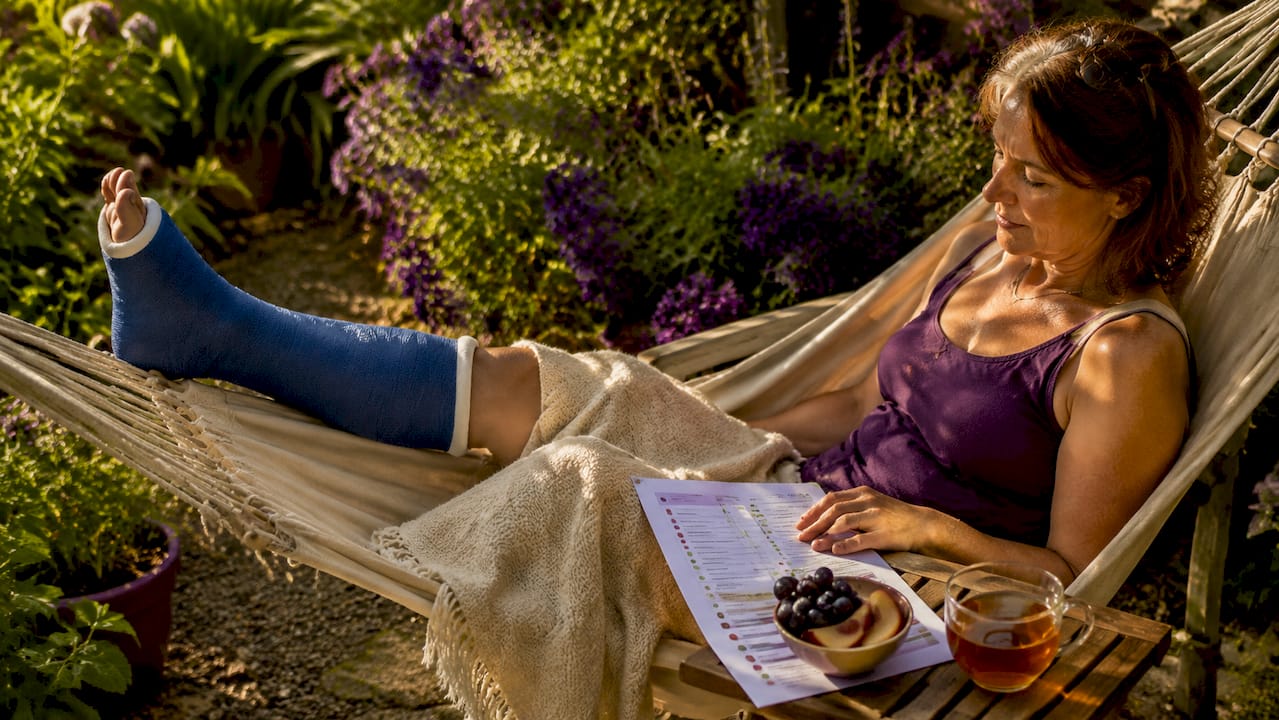
A self-care checklist for bone injury recovery is a structured daily plan that guides you through the specific actions proven to heal bone safely, manage pain, and protect your mental well-being. Most fractures heal within 6–8 weeks, though full recovery often takes longer depending on the injury site, your age, and your overall health. Following a consistent post-injury recovery plan removes the guesswork and keeps you on track when motivation dips or discomfort makes it hard to know what to do next. This guide gives you that plan, step by step.
1. What does a self-care checklist for bone injury recovery include?
A healing checklist for bones covers six core areas: rest and positioning, pain management, cast and wound care, nutrition, movement, and mental health. Each area directly affects how fast and how completely your bone heals. Skipping one area, even temporarily, can slow progress or create new problems. Think of this checklist as your daily recovery protocol, not a suggestion list.
The six areas work together. Good nutrition feeds the bone repair process. Adequate rest lets that repair happen. Mental well-being keeps you consistent with everything else. No single item on the list works in isolation.

2. Rest and limb elevation
Rest is the foundation of bone injury self-care. When you rest, your body redirects energy toward cellular repair at the fracture site. Elevating the injured limb above heart level reduces swelling and improves circulation to the area, which speeds healing.
Use pillows, rolled blankets, or a foam wedge to keep the limb elevated throughout the day and night. Swelling that stays high and does not reduce with elevation is a warning sign worth reporting to your doctor. Rest does not mean total stillness. It means protecting the fracture site while keeping the rest of your body as functional as possible.
3. Pain management and medication adherence
Take prescribed pain medication on schedule, not just when pain becomes unbearable. Staying ahead of pain reduces stress on your body and makes it easier to sleep, eat, and follow the rest of your recovery plan. Skipping doses to “tough it out” often backfires and leads to worse pain cycles later.
Over-the-counter options like acetaminophen or ibuprofen can supplement prescribed medication, but always confirm with your doctor before combining them. Ice packs wrapped in a cloth applied for 15–20 minutes at a time also reduce localized swelling and discomfort. Never apply ice directly to skin or over a cast.
Pro Tip: Set phone alarms for each medication dose. Consistent timing matters more than the specific hour.
4. Cast and splint care
Your cast or splint is doing critical structural work. Splinting typically lasts 3–5 weeks, while casts run 6–8 weeks. Protecting them properly protects your healing bone.
Follow these rules without exception:
Keep the cast dry. Use a waterproof cast cover for showers and avoid submerging it.
Never insert objects inside the cast to scratch skin. This causes wounds that can become infected.
Do not trim, cut, or pad the cast yourself. Contact your care team if it feels too tight or too loose.
Check the skin around the cast edges daily for redness, sores, or irritation.
Report any foul smell from the cast immediately. It can signal a skin infection underneath.
If your cast cracks or breaks, treat it as urgent. A compromised cast means a compromised fracture site.
5. Keep essentials within arm’s reach
Keeping water, medication, and your phone close minimizes unnecessary movement and reduces the risk of falls or strain, especially at night. This is one of the most underrated bone recovery tips, and one of the easiest to act on.
Set up a recovery station before you go to sleep each night. Include your water bottle, pain medication, a snack if needed, your phone charger, and any other items you reach for regularly. Reducing the number of times you get up unnecessarily protects the fracture site and keeps your rest uninterrupted. Planning your recovery environment is a form of self-care that pays off every single day.
Pro Tip: A small rolling cart or a bedside caddy organizer keeps your recovery station tidy and everything within reach without bending or stretching.
6. Which nutrients best support bone healing?
A bone-friendly diet rich in calcium, vitamin D, vitamin C, zinc, magnesium, and protein gives your body the raw materials it needs to rebuild bone tissue. Each nutrient plays a specific role. Calcium forms the mineral structure of bone. Vitamin D controls how much calcium your body absorbs. Protein builds the collagen matrix that holds the mineral structure together.
Practical food sources for each nutrient:
Calcium: dairy products, fortified plant milks, canned salmon with bones, kale
Vitamin D: fatty fish like salmon and mackerel, egg yolks, fortified cereals, sunlight exposure
Protein: chicken, eggs, Greek yogurt, lentils, tofu
Vitamin C: bell peppers, citrus fruits, strawberries, broccoli
Zinc: pumpkin seeds, beef, chickpeas, cashews
Magnesium: almonds, spinach, black beans, whole grains
Spread calcium intake across meals rather than taking it all at once. The body absorbs calcium more efficiently in smaller amounts. For post-fracture nutrition details, the Fracture-club nutrition guide covers supplement options and meal timing in depth.
Proper hydration supports cellular repair throughout the body. Aim for at least eight glasses of water daily. Dehydration slows every biological process, including bone healing.
Pro Tip: If your appetite is low during recovery, protein shakes or fortified smoothies are an easy way to meet your nutritional needs without forcing large meals.
7. How does mental and emotional self-care affect recovery?
Mental and emotional well-being is as important as physical healing. Isolation, frustration, and loss of independence are real challenges during fracture recovery. Acknowledging them is not weakness. It is part of an honest post-injury recovery plan.
Staying socially connected directly improves recovery motivation and outcomes. Schedule regular calls or visits with friends and family. Even short conversations break the mental cycle of focusing only on pain and limitation. Activities that support mental well-being during recovery include:
Reading, audiobooks, or podcasts to keep your mind engaged
Journaling to process emotions and track your progress
Light creative activities like drawing, puzzles, or crafting that work around your injury
Meditation or breathing exercises to manage stress and improve sleep quality
Watching shows or movies you have been putting off
Focus on what you can do each day, not what you cannot. Celebrating small wins, like completing your medication schedule or finishing a nutritious meal, builds the positive momentum that carries you through the harder days. Social support and positive focus improve recovery motivation and outcomes in measurable ways.
8. Move adjacent joints gently
Regular movement of uninjured adjacent joints preserves flexibility and reduces stiffness without putting any stress on the fracture site. This is a standard part of rehabilitation after bone injury that many people skip because they are afraid of making things worse.
If you have a wrist fracture, gently flex and extend your fingers and move your elbow through its range of motion. If you have a lower leg fracture, move your hip and do gentle ankle circles on the uninjured leg. Always follow your doctor’s or physical therapist’s specific guidance on which movements are safe for your injury. Do not guess. Ask.
9. What mistakes most delay bone recovery?
Pain often improves before the bone regains enough strength, making premature activity one of the most common and most damaging mistakes in fracture recovery. Feeling less pain does not mean the bone is ready for load. Acting on that false signal is a leading cause of delayed healing and re-injury.
The most critical mistakes to avoid:
Bearing weight too soon. Follow your doctor’s weight-bearing timeline exactly. Do not test the fracture site because the pain has eased.
Tampering with your cast or splint. Removing or adjusting it yourself disrupts the controlled environment your bone needs to heal correctly.
Smoking. Smoking restricts blood flow to the fracture site and significantly delays bone repair.
Excessive alcohol. Smoking and excessive alcohol both delay healing and increase the risk of complications.
Skipping follow-up appointments. Your doctor monitors healing progress and adjusts your plan based on imaging. Missing appointments means missing course corrections.
Ignoring warning signs. Severe pain, swelling, numbness, or color changes around the injury site require immediate medical attention. These signs can indicate circulation problems or infection.
Patients who resume normal activities too soon, despite feeling better, are the most common group to experience setbacks. Guided rehabilitation exists for exactly this reason.
Key takeaways
A consistent self-care checklist for bone injury recovery, covering rest, nutrition, pain management, movement, and mental health, gives your bone the best possible conditions to heal fully and on schedule.
Point | Details |
Follow the healing timeline | Most fractures take 6–8 weeks minimum; feeling less pain does not mean the bone is healed. |
Nutrition drives repair | Calcium, vitamin D, protein, vitamin C, zinc, and magnesium are all required for bone rebuilding. |
Mental health is not optional | Social connection and positive focus directly improve recovery motivation and outcomes. |
Protect your cast | Never tamper with or remove your cast; report cracks, odors, or skin changes immediately. |
Avoid the big setback triggers | Premature weight-bearing, smoking, and excessive alcohol are the top causes of delayed healing. |
What I have learned from watching people recover
Recovery is a discipline, not a waiting game
The patients who recover well share one trait. They treat their checklist like a job. They do not wait to feel motivated. They set alarms, prep their recovery station the night before, and show up for their follow-up appointments even when they feel fine.
The hardest part is the middle stretch, usually around weeks three and four, when the initial adrenaline of the injury has worn off but you are nowhere near back to normal. That is when people start cutting corners. They skip the elevation because it is uncomfortable. They eat whatever is easy instead of what is nutritious. They stop calling friends because they feel like a burden.
Those small shortcuts compound. The physical ones slow healing. The emotional ones make the whole experience harder than it needs to be. What I have seen work consistently is building the checklist into a routine so automatic that it does not require willpower. Put your water bottle where you cannot miss it. Keep your supplements next to your coffee maker. Schedule one social call per day at the same time.
Recovery is not glamorous. But it is manageable when you stop treating it as something happening to you and start treating it as something you are actively doing. You have more control here than it feels like you do.
— Fracture
How Fracture-club makes daily self-care easier
Getting dressed when you have a cast, sling, or brace is one of the most frustrating parts of daily recovery. Standard clothing was not designed for it.
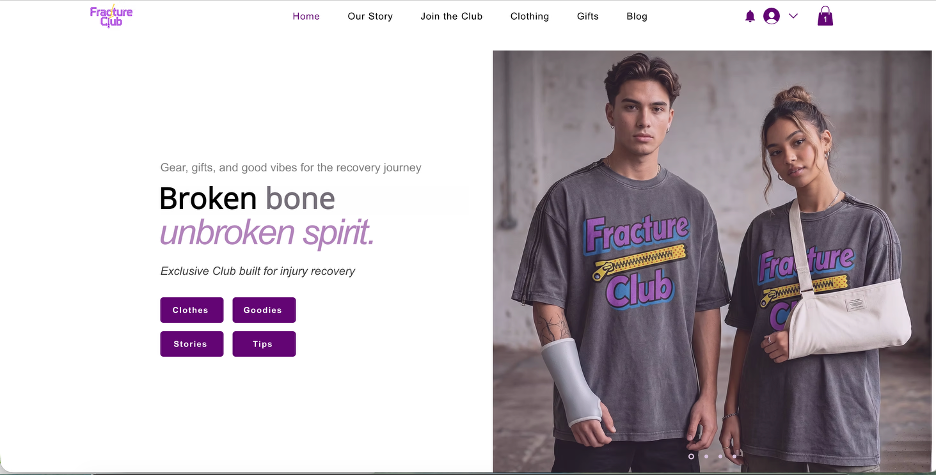
Fracture-club’s adaptive recovery wear solves that problem directly. The adaptive recovery pants feature side magnetic zippers that let you dress and undress without bending, pulling, or asking for help. The easy-on sweatshirt is designed specifically for upper limb injuries and casts, so you stay comfortable without the daily struggle. Every piece is built around your recovery, not around what looks good on a rack. A portion of every purchase supports the Bone Health & Osteoporosis Foundation. If you need help choosing the right product, the inquiry services page connects you with personalized guidance.
FAQ
How long does bone fracture recovery take?
Most fractures heal within 6–8 weeks, though full strength and function can take several months. Recovery time depends on the fracture location, severity, age, and how consistently you follow your self-care plan.
What foods speed up bone healing?
Foods high in calcium, vitamin D, protein, vitamin C, zinc, and magnesium directly support bone repair. Dairy, fatty fish, leafy greens, eggs, and legumes are the most practical daily sources.
Can I exercise during bone fracture recovery?
You can and should move adjacent uninjured joints gently to prevent stiffness. Avoid any weight-bearing or activity at the fracture site until your doctor explicitly clears you.
What are the warning signs of a complication?
Severe or worsening pain, significant swelling, numbness, tingling, or skin color changes around the injury site all require immediate medical attention. These signs can indicate nerve compression or circulation problems.
Does mental health really affect physical healing?
Yes. Staying socially connected and maintaining a positive focus improve recovery motivation and outcomes. Isolation and chronic stress slow the body’s repair processes and make it harder to stay consistent with your physical care routine.
Recommended
Comments