
Reducing Fracture Risk Daily Habits After 50

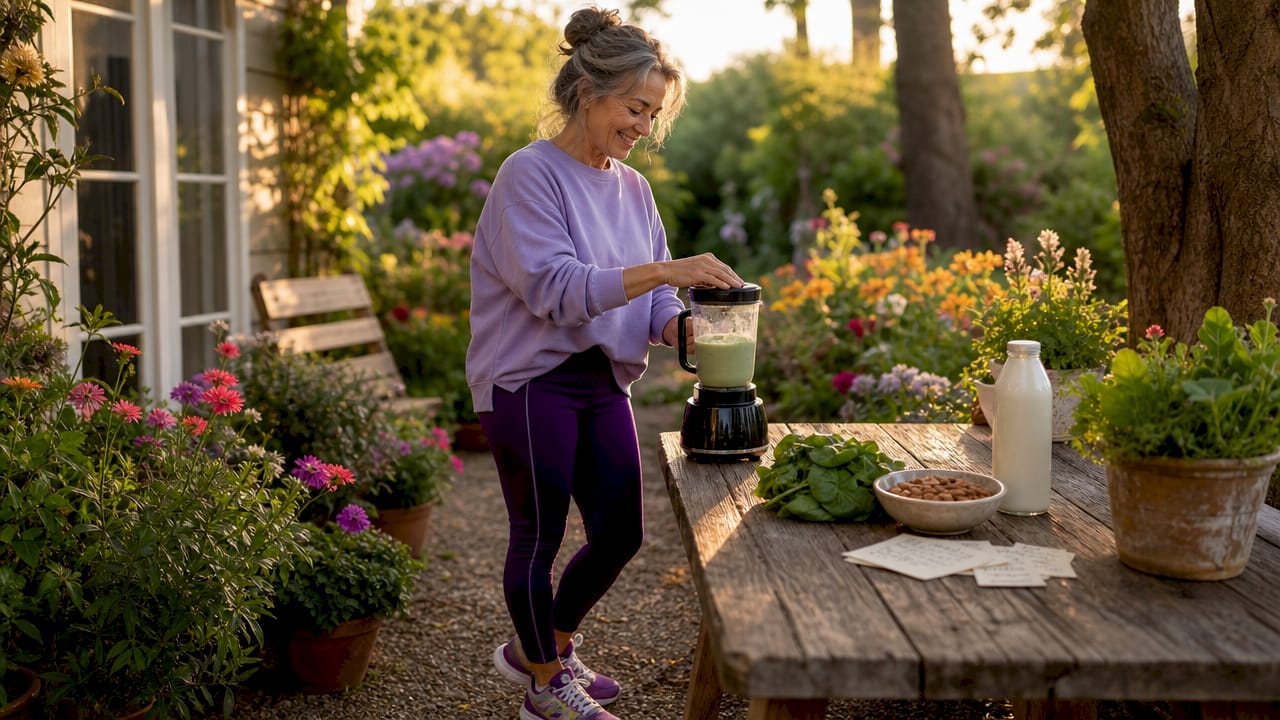
Reducing fracture risk through daily habits is defined as the consistent practice of nutrition, movement, and lifestyle choices that preserve bone density and prevent breaks. After 50, bone loss accelerates, and the decisions you make each day directly shape how strong your skeleton stays. The good news is that fracture risk factors are largely modifiable. Calcium intake, vitamin D levels, weight-bearing exercise, protein consumption, and habits like smoking and alcohol use all play measurable roles. You do not need to overhaul your life overnight. Small, consistent changes compound into real protection.
What nutrients and supplements reduce fracture risk daily?
Bone health starts at the table. Post-menopausal women and older men need about 1,200 mg of calcium daily, along with 600–800 IU of vitamin D to support absorption. That combination is the foundation of every clinical guideline on preventing bone fractures. Without adequate vitamin D, your body absorbs very little of the calcium you consume, no matter how much dairy or leafy greens you eat.
The way you take calcium matters as much as how much you take. The body absorbs no more than 400 mg at once, so spreading intake across meals is far more effective than one large supplement. Think of it as topping off a tank three times a day rather than flooding it once. A glass of milk at breakfast, a serving of yogurt at lunch, and a calcium-rich dinner like salmon or broccoli covers most of your daily need through food alone.
Protein is the third pillar of bone nutrition, and it is often overlooked. Older adults need 1.0–1.2 grams of protein per kilogram of body weight daily to maintain both muscle and bone mass. For a 200-pound person, that works out to roughly 90–110 grams per day. Muscle supports bone by absorbing impact and reducing fall force. Losing muscle mass and bone density at the same time is a combination that makes fractures far more likely.
Key nutrients to prioritize every day:
Calcium: Dairy, fortified plant milks, canned salmon with bones, kale, and almonds
Vitamin D: Fatty fish, egg yolks, fortified cereals, and sensible sun exposure
Protein: Eggs, chicken, legumes, Greek yogurt, and tofu
Magnesium: Pumpkin seeds, spinach, and black beans (supports bone mineralization)
Pro Tip: Pair your calcium-rich foods with vitamin D sources at the same meal. Salmon with a side of fortified milk, for example, gives your body both nutrients together for better absorption.
Over-relying on supplements is a common mistake. Food sources deliver calcium alongside co-nutrients that improve absorption. Supplements fill gaps but should not replace a diet for strong bones built around whole foods.
Which exercises strengthen bones and lower fracture risk after 50?
Exercise is the most direct way to stimulate bone remodeling. Adults over 50 should aim for 30–40 minutes of weight-bearing and muscle-strengthening exercise 3–4 times per week. That level of activity has been shown to lower fracture risk significantly. Bone responds to mechanical load by building density, the same way muscle responds to resistance by growing stronger.
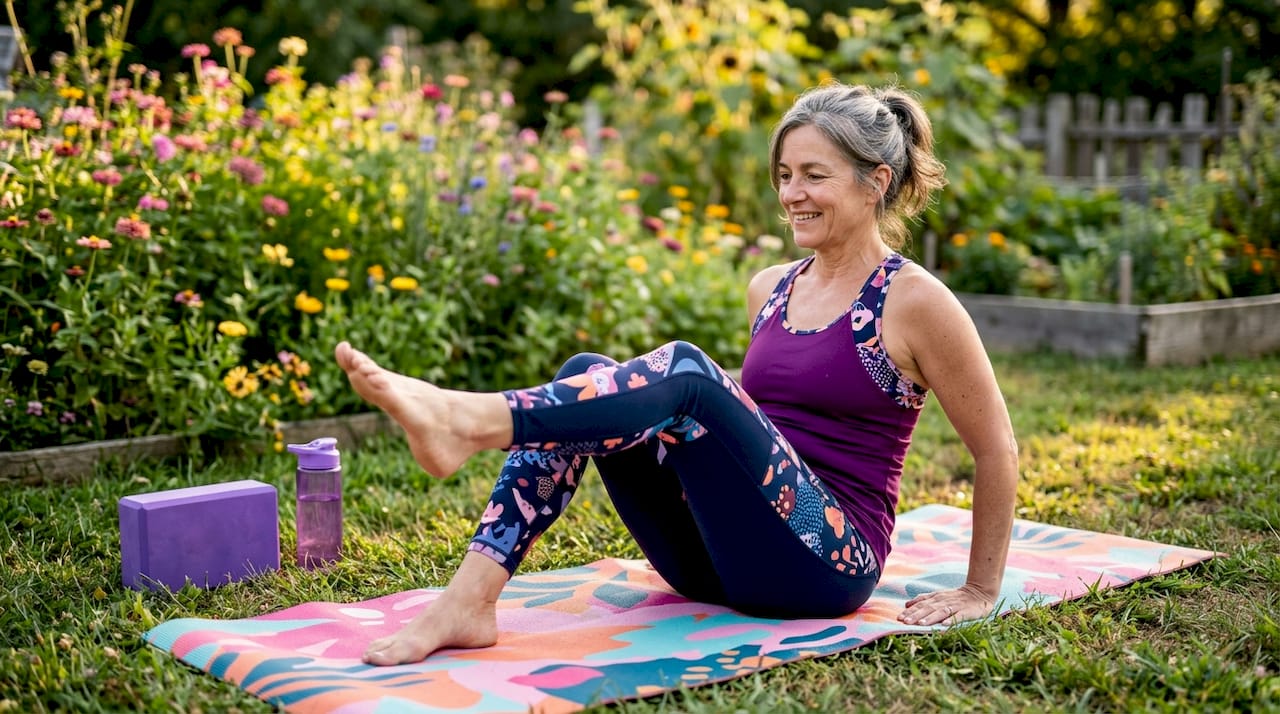
Weight-bearing exercises force your skeleton to work against gravity, which is the key stimulus. Walking, dancing, hiking, and stair climbing all qualify. Resistance training with weights or resistance bands adds compressive force that targets the hip and spine, the two sites most vulnerable to osteoporotic fractures. Tai Chi and dance build both bone density and balance simultaneously, making them especially valuable for fall prevention.
The best exercises for bone strength after 50:
Walking: 30 minutes daily, ideally on varied terrain to challenge balance
Resistance training: Squats, lunges, and rows using body weight or light dumbbells
Tai Chi: Proven to reduce fall risk through improved coordination and body awareness
Dancing: Combines weight-bearing movement with rhythm and social engagement
Stair climbing: A daily habit that loads the hips and spine without gym equipment
Pro Tip: You do not need a gym membership to protect your bones. Climbing two flights of stairs three times a day provides consistent mechanical load that supports bone health safely.
If mobility is limited, chair-based resistance exercises and water aerobics still provide meaningful stimulus. The goal is consistent daily movement, not intensity. Avoiding sedentary behavior matters more than any single workout session. Always check with your doctor before starting a new exercise program, especially if you have been diagnosed with osteoporosis.
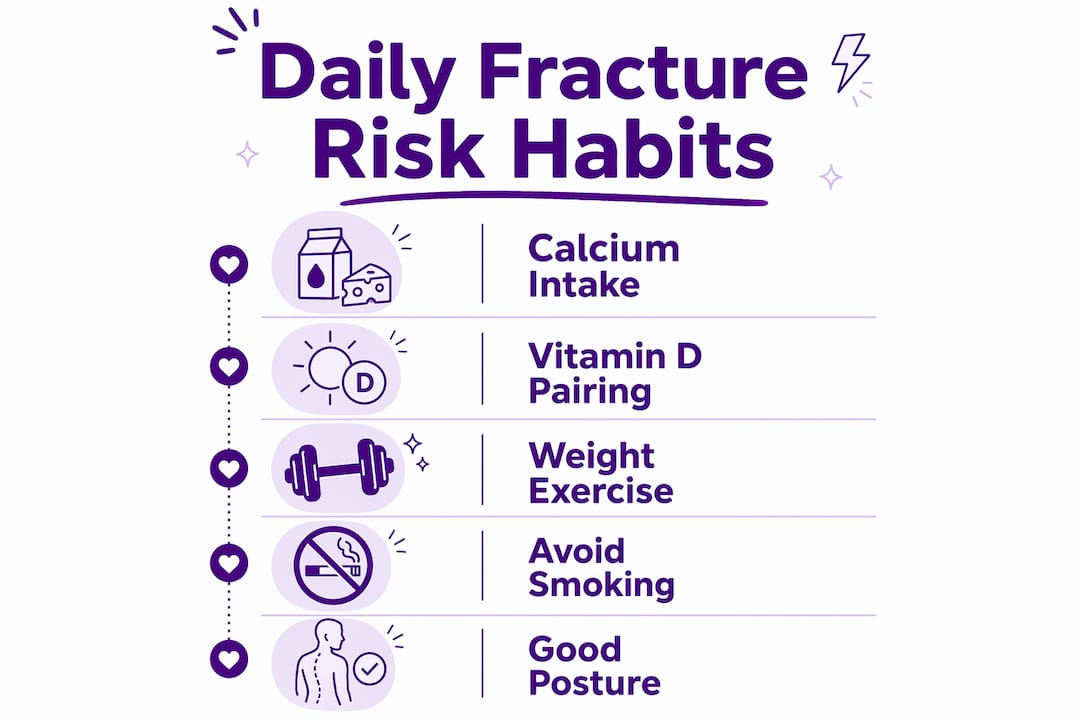
For a full breakdown of the best options, the weight-bearing exercise guide from Fracture-club covers 10 specific examples with clear instructions.
How do lifestyle choices affect bone health and fracture risk?
Smoking and alcohol are two of the most underestimated threats to bone density. Smoking accelerates bone loss and impairs the blood supply that bones need to remodel and repair. Alcohol, when consumed in excess, directly inhibits bone formation. More than three drinks per day is linked to higher fracture risk through both bone loss and increased fall injuries. The safe limit is one drink per day for women and two for men.
Body weight plays a surprising role in bone strength. Healthy body weight provides the mechanical load that bones need to stay dense. Being underweight reduces that stimulus and lowers bone density. Rapid weight loss without adequate nutrition compounds the problem by stripping the body of calcium and protein at the same time. Maintaining a stable, healthy weight protects bones in a way that no supplement can replicate.
Sleep is a factor most people do not connect to fracture risk. Bone metabolism is most active during deep sleep, when growth hormone is released and repair processes run. Poor sleep disrupts this cycle and raises the risk of falls through fatigue and reduced coordination. Aim for 7–9 hours per night as a consistent habit, not just a weekend catch-up.
Fall prevention at home is one of the most direct ways to avoid fractures. Practical steps include:
Remove loose rugs and clutter from walkways
Install grab bars in the bathroom near the toilet and shower
Use non-slip mats in the tub and on bathroom floors
Wear supportive, low-heeled shoes with non-slip soles indoors
Improve lighting in hallways and stairwells
Lifestyle habits like quitting smoking and moderating alcohol consumption significantly impact long-term fracture risk beyond diet and exercise alone.
What posture and body mechanics prevent compression fractures?
Good posture protects the spine from fractures that happen without any fall at all. Vertebral compression fractures, which are common in people with bone fragility, can occur simply from bending forward incorrectly or lifting a grocery bag the wrong way. These are called silent fractures because they often cause no immediate pain. Over time, they cause height loss and a forward curve in the upper back.
Bending at the knees and hips rather than the waist reduces torque stress on the vertebrae when lifting. Keeping objects close to your body during a lift distributes the load more evenly across the spine. These mechanics are not complicated, but they require conscious practice until they become automatic.
Follow these steps when lifting anything from the floor:
Stand close to the object before you bend.
Bend at the knees and hips, keeping your back straight.
Hold the object against your body as you rise.
Avoid twisting your spine while holding a load.
Set the object down using the same controlled technique.
Slouching compresses the front of the vertebrae repeatedly over time. Sitting tall, with your lower back supported and your shoulders back, reduces that cumulative stress. If you sit for long periods, a lumbar support cushion helps maintain the natural curve of your spine without effort.
Pro Tip: If you are unsure whether your movement habits are safe for your bone density, a single session with a physical therapist can identify your specific risks and teach you personalized mechanics. It is one of the highest-value investments you can make for fracture prevention.
Avoiding heavy overhead lifting and high-impact activities that involve sudden twisting or jumping also reduces compression fracture risk. When in doubt, modify the activity rather than skip it entirely.
Key Takeaways
Reducing fracture risk after 50 requires consistent daily habits across nutrition, exercise, lifestyle, and movement mechanics, not any single intervention.
Point | Details |
Spread calcium intake | Consume calcium-rich foods at each meal; the body absorbs no more than 400 mg at once. |
Exercise 3–4 times weekly | Weight-bearing and resistance exercises for 30–40 minutes stimulate bone remodeling and lower fall risk. |
Quit smoking and limit alcohol | Smoking impairs bone repair; more than three drinks daily raises fracture risk through bone loss and falls. |
Lift with knees and hips | Bending at the knees and hips, not the waist, prevents silent vertebral compression fractures. |
Get a DEXA scan after 50 | Bone density screening identifies your actual risk level and helps tailor the right habits for your body. |
What I have learned from watching people rebuild their bone health
The most common mistake I see is treating bone health as a crisis response rather than a daily practice. People wait until a fracture happens, then scramble to change everything at once. That approach rarely sticks. The people who genuinely lower their fracture risk are the ones who add one small habit at a time and keep it going for months.
Getting a DEXA scan is the step most adults over 50 skip, and it is the one that changes everything. You cannot tailor your habits without knowing your baseline. A scan gives you a number, a risk category, and a clear target. Without it, you are guessing.
The fear of exercise causing a fracture is real, but it is usually backwards. Inactivity is what makes bones weaker and falls more likely. The right exercises, done consistently at the right intensity, build the bone density and balance that protect you. Start with walking and bodyweight movements. Build from there.
I also want to say this directly: consistency beats intensity every single time. Climbing your stairs every day does more for your bones than one intense gym session per week. Bone remodeling responds to consistent load, not occasional effort. Show up for your bones daily, even when it is just a 20-minute walk or a few sets of squats in your living room.
The emotional side of this matters too. Worrying about fractures can make you want to move less, which is the opposite of what your bones need. Trust the process. Small, steady habits compound into real protection over months and years.
— Fracture
Fracture-club’s adaptive apparel for active daily recovery
Staying active after a fracture or while managing bone fragility is easier when your clothing works with you, not against you.
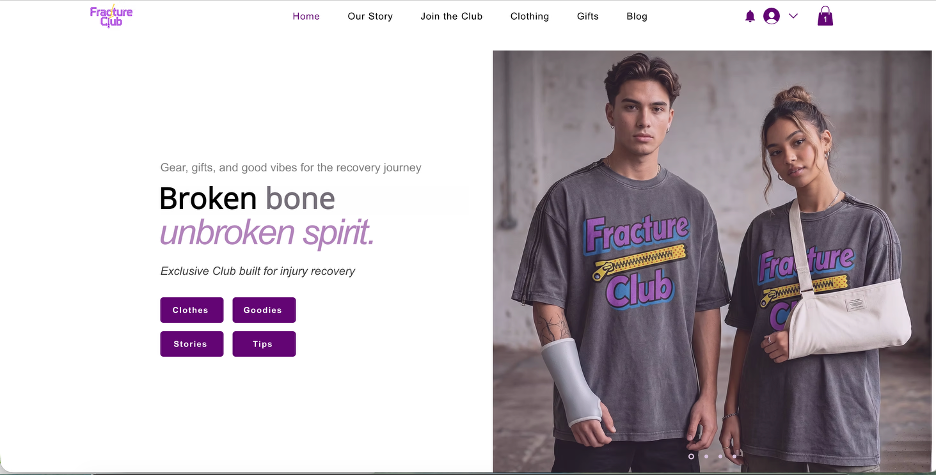
Fracture-club designs recovery wear built for exactly this situation. The adaptive recovery pants feature side magnetic zippers that make dressing simple even with a cast, brace, or limited mobility. The easy-on sweatshirt is designed for upper limb injuries, letting you get dressed independently without struggling with sleeves. Both pieces are built for comfort during daily movement, whether that is a walk around the block or physical therapy. A portion of every purchase supports the Bone Health & Osteoporosis Foundation. Healing does not have to mean giving up on feeling like yourself.
FAQ
How much calcium do adults over 50 need daily?
Post-menopausal women and older men need about 1,200 mg of calcium daily, ideally from food sources spread across meals rather than one large supplement.
What type of exercise is best for bone strength after 50?
Weight-bearing exercises like walking, dancing, and resistance training are the most effective for stimulating bone remodeling. 30–40 minutes, 3–4 times per week is the recommended frequency for adults over 50.
Does alcohol really affect fracture risk?
Yes. Drinking more than three alcoholic beverages per day inhibits bone formation and raises fall risk, both of which increase fracture likelihood. Limiting intake to one drink daily for women and two for men protects bone density.
When should I get a bone density scan?
A DEXA scan after 50 is the standard recommendation for identifying fracture risk early. Women should typically be screened at menopause; men at 70 or earlier if risk factors are present.
Can posture really cause fractures without a fall?
Yes. Repeated forward bending with poor mechanics places compressive stress on the vertebrae. Incorrect lifting technique can cause silent vertebral compression fractures in people with reduced bone density, even during everyday tasks.
Recommended
Comments