
3 Fast Ways to Prevent Brace Chafing: Recovery Clothing and Red Flags


The three fastest ways to stop brace chafing are adjusting your strap tension (middle strap first, then top and bottom), adding a thin liner or padding at pressure points, and keeping skin dry with a barrier product like petrolatum or zinc oxide. Skip greasy lotions under the brace since they soften skin and raise friction. If you notice blisters, open sores, or spreading redness, stop wearing the brace and call your clinician.
TL;DR:
Refasten straps from the middle outward, keeping each snug rather than tight, and test the fit while walking or bending.
Use moisture wicking sleeves or breathable mesh; loose liners bunch, while neoprene adds cushioning but traps heat, so reserve it for short or cool wear.
Inspect skin daily, dry it fully before replacing the brace, and apply only a thin layer of petrolatum or zinc oxide to friction prone areas.
Brace fit can loosen as swelling falls, so recheck it every few days; after irritation, reduce wear or add padding for 24–48 hours.
An itchy rash with a defined red border often responds to a nonprescription antifungal; contact your provider if it persists beyond a few days.
Table of Contents
Which fabrics, undersleeves, and liners reduce friction and wick moisture
How to fit common braces and tension straps to reduce movement and rubbing
Safe first aid for brace-related rash, blisters, and pressure injuries
Clear red flags and what to bring to your clinic appointment
Fracture Club’s recovery-first perspective on preventing chafing
A simple way to dress around your brace without the extra rubbing
Quick fixes: repositioning, padding, and temporary liners
Most chafing comes down to one problem: something is rubbing where it shouldn’t. Before reaching for products, try repositioning the brace itself.
Loosen all straps completely.
Refasten the middle strap first, snug but not tight.
Secure the top strap, then the bottom, checking that the brace sits evenly against your skin.
Walk or move through your normal range to check for slipping or bunching.
Shriners Children’s bracing guidance recommends this middle-to-outward strap order because it keeps the brace centered and reduces the shear forces that cause abrasions in the first place.
Once the fit is right, address any spot still causing friction with temporary padding:
Moleskin or silicone strips placed directly over the hot spot, outside the clothing layer.
Folded gauze or thin foam at buckle edges or seams that dig in.
A soft compression sleeve or undersleeve worn underneath the brace as a buffer layer.
Avoid greasy ointments or talcum powder directly under the brace. Shriners Children’s guidance is specific on this: grease softens skin and makes it more prone to breakdown, and powder can clump with sweat and create new friction points rather than solving the problem.
Pro Tip: Check your padding placement after ten minutes of normal movement, not while standing still. Pressure points often shift once you’re walking, bending, or sitting.
Which fabrics, undersleeves, and liners reduce friction and wick moisture
What you wear against your skin matters as much as the brace itself. Cotton holds sweat against the skin, and wet fabric creates more drag with every movement. Moisture-wicking synthetic blends and breathable mesh pull sweat away from the skin surface, keeping the fabric drier and reducing the friction that leads to raw patches.
Three liner types cover most situations:
Compression sleeves hug the limb closely, minimizing the gap where the brace can shift and rub.
Mesh liners prioritize airflow and work well in warm weather or for longer wear periods.
Neoprene undersleeves offer more cushioning but trap more heat, so they suit shorter wear or cooler conditions.
Adaptive garments can help here too. Clothing built with wider openings and softer seams around brace zones means fewer hard edges pressing against skin throughout the day, which is part of the thinking behind recovery wear designed specifically for people managing casts or braces.
Many people who manage a chronic wound or skin barrier issue under a medical device see improvement simply from switching to moisture-wicking liners and consistent barrier care, according to MedlinePlus guidance on intertrigo, which notes that trapped moisture under devices is a primary driver of skin breakdown.
Sizing matters more than most people expect. A sleeve that’s too loose bunches and creates folds that rub; one that’s too tight restricts circulation and adds its own pressure. If you’re also adjusting your outer clothing to fit around a brace, guidance on wearing a knee brace under clothing covers practical layering that avoids drag at the knee.
Daily skin care and moisture control to prevent breakdown
A short daily check catches problems before they become painful. Take the brace off once a day, inspect the skin underneath, and let it air dry for a few minutes before redressing.
Look for redness, warmth, or tenderness that wasn’t there yesterday.
Pat skin fully dry before reapplying any liner or the brace itself; damp skin under fabric invites friction and irritation faster.
Use an antiperspirant or moisture-wicking liner on hotter days or during activity.
Apply a barrier product like zinc oxide or petrolatum to areas prone to rubbing, in a thin layer so it doesn’t create its own slip-and-stick problem.
MedlinePlus skin-care guidance recommends daily skin checks, keeping skin dry, and using barrier creams to prevent breakdown, along with reporting any reddened areas, blisters, or drainage rather than waiting them out.
If you notice persistent itching or a rash with a distinct border, an over-the-counter antifungal may help, since trapped moisture under a brace creates conditions where yeast can thrive. If it doesn’t clear within a few days, check in with your provider rather than cycling through more products.
Pro Tip: Keep a small barrier cream tube in your bag or car. Reapplying after a sweaty activity, not just at bedtime, is often what actually prevents the rash from starting.
How to fit common braces and tension straps to reduce movement and rubbing
Fit is the single biggest lever you have. A brace that shifts during the day creates constant, low-grade friction that adds up to real skin damage by evening.
Start with the middle strap and tighten until snug, not tight enough to leave a deep indentation.
Move to the top strap, then the bottom, following the same snug standard.
Test for slipping by walking, bending your knee or elbow, or performing whatever motion you do most during the day.
If the brace rotates or slides, tighten incrementally rather than cranking one strap much tighter than the others.
Shriners Children’s notes that this middle-out fastening order and a consistently snug fit reduce the likelihood of skin abrasions, since an uneven fit is what allows the brace to shift and create shear.
Swelling changes throughout recovery, especially in the first few weeks after an injury or surgery. Recheck fit every few days rather than assuming your first setting still works. A brace that fit perfectly on day one can feel loose by day five once swelling goes down, and that extra room is exactly what lets rubbing start.
Safe first aid for brace-related rash, blisters, and pressure injuries
If irritation has already started, treat it gently before it worsens. Clean the area with a mild cleanser, pat it dry completely, and apply a thin layer of a barrier ointment like zinc oxide or petrolatum. Cover any open blister with a non-adherent dressing rather than a standard adhesive bandage, which can tear fragile skin on removal.
A short course of over-the-counter hydrocortisone can calm inflamed, non-broken skin, but check with your provider if you’re unsure whether it’s appropriate for your situation.
Suspected fungal rash (itchy, with a defined red border) often responds to an over-the-counter antifungal.
Friction-only irritation without infection usually responds well to barrier ointment alone.
MedlinePlus advises checking skin daily for reddened areas, blisters, or sores and reporting any drainage or worsening promptly rather than waiting.
Friction-driven irritation is a well-documented clinical issue: OrthoInfo from the American Academy of Orthopaedic Surgeons describes how repetitive rubbing, as seen in IT band syndrome, drives inflammation, and reducing friction is the standard approach to preventing it.
Give irritated skin 24 to 48 hours of reduced brace wear or extra padding before resuming your normal schedule, and only resume full wear once redness has visibly faded.
Clear red flags and what to bring to your clinic appointment
See a clinician promptly if you notice spreading redness beyond the original irritated area, pus or foul-smelling drainage, fever, or a sore that looks deep rather than surface-level. These can signal infection or a developing pressure injury that needs more than home care.

At your visit, a provider will typically examine the wound, check how the brace fits, and may prescribe a topical or oral medication depending on what they find. Bring a few photos taken over the past several days, a quick timeline of when the irritation started, and a list of what you’ve already tried. That context helps your provider skip straight to what’s actually working.
Fracture Club’s recovery-first perspective on preventing chafing
Prevention tactics work best when your clothing isn’t fighting against them. We built our recovery wear around the idea of easy-on, easy-off designs that reduce tugging, twisting, and re-dressing around a brace throughout the day. Fewer dressing cycles mean fewer chances for fabric to drag across already-sensitive skin. For anyone managing limited mobility or post-op restrictions, that reduction in daily friction points matters as much as any cream or liner.
— Fracture
A simple way to dress around your brace without the extra rubbing
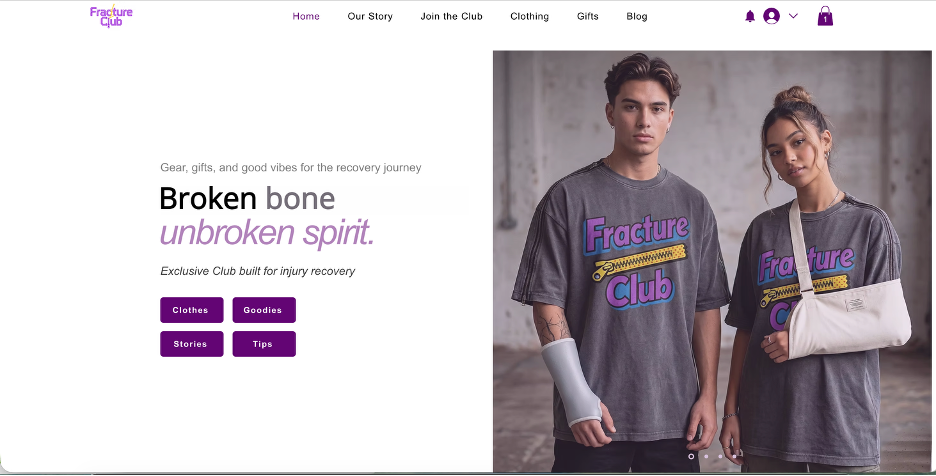
Our adaptive recovery wear is designed for days when every extra tug or twist against your skin is one too many. Our easy-on/off adaptive pants with side magnetic zippers open flat along the side, so you step in and close them without ever dragging fabric over a knee brace. Our magnetic shoulder zip tee works the same way for arm and shoulder braces, sliding on without the overhead reach that often catches on straps.
[
](fracture-club.com)
Fewer dressing motions mean fewer chances for fabric to rub against irritated skin.
Magnetic and zipper closures replace the pulling and stretching that standard clothing requires.
A portion of proceeds from some recovery wear supports the Bone Health & Osteoporosis Foundation.
Browse our full recovery wear and gift collection to find pieces that fit around your specific brace and recovery stage.
This article is general information, not a substitute for advice from a qualified doctor. Consult a qualified healthcare professional about your own circumstances before acting on anything here.
FAQ
Why are my knee braces irritating my skin?
Knee braces often irritate skin because of a combination of friction from movement, trapped sweat, and pressure points where straps or edges sit too tightly. Adjusting strap tension in the middle-out order and adding a thin liner usually resolves mild irritation within a few days.
Why is my skin irritated when I wear a wrist brace?
Wrist braces tend to irritate skin at the edges where rigid material meets the wrist crease, especially during repetitive hand movement. A soft liner or moleskin at the edge, combined with keeping the area dry, typically reduces the rubbing that causes this.
How do I treat a brace rash?
Clean the area gently, pat it completely dry, and apply a thin layer of a barrier ointment like zinc oxide or petrolatum, as recommended in MedlinePlus skin-care guidance. Cover any blister with a non-adherent dressing and see a provider if redness spreads or drainage develops.
How many hours a day should a knee brace be worn?
Wear time depends entirely on your specific injury, surgery, and your provider’s instructions, so there’s no single number that applies to everyone. Follow your clinician’s prescribed schedule and check skin daily regardless of how many hours you’re wearing it.
Sources
Recommended
Comments