
How to Understand Cast Recovery Needs: A Patient Guide


Cast recovery is defined as the process of protecting a fractured bone through immobilization while actively monitoring for complications and maintaining daily care routines. Knowing how to understand cast recovery needs means recognizing three things: what your cast is doing, what it requires from you, and when something is wrong. Casts and splints hold broken bone ends in place to promote proper healing, but fit must be maintained as swelling changes. Your recovery is not passive. The choices you make every day, from how you position your limb to how quickly you call your doctor, directly shape your outcome.
How to understand cast recovery needs: core care guidelines
The foundation of cast care is keeping your cast dry and intact. Wet casts lead to skin breakdown and potential infection, and a compromised cast cannot do its job. If your cast gets wet, use a hair dryer on the cool setting to dry it out. Never use heat, which can burn skin you cannot see or feel.
Here are the core care guidelines every cast patient should follow:
Keep it dry. Cover your cast completely with a waterproof bag or a cast cover during showers and baths.
Never insert objects. Scratching inside the cast with a pen, ruler, or anything else risks cutting skin and introducing bacteria. Scratching risks skin injury and infection; use a hair dryer on cool or ask your provider about antihistamines instead.
Protect the edges. Rough cast edges can irritate skin. Ask your care team to pad any sharp spots.
Avoid weight-bearing unless cleared. Walking on a leg cast without your doctor’s approval can shift bone fragments and restart the healing clock.
Check the cast daily. Look for cracks, soft spots, or areas that feel loose. A damaged cast is not protecting you.
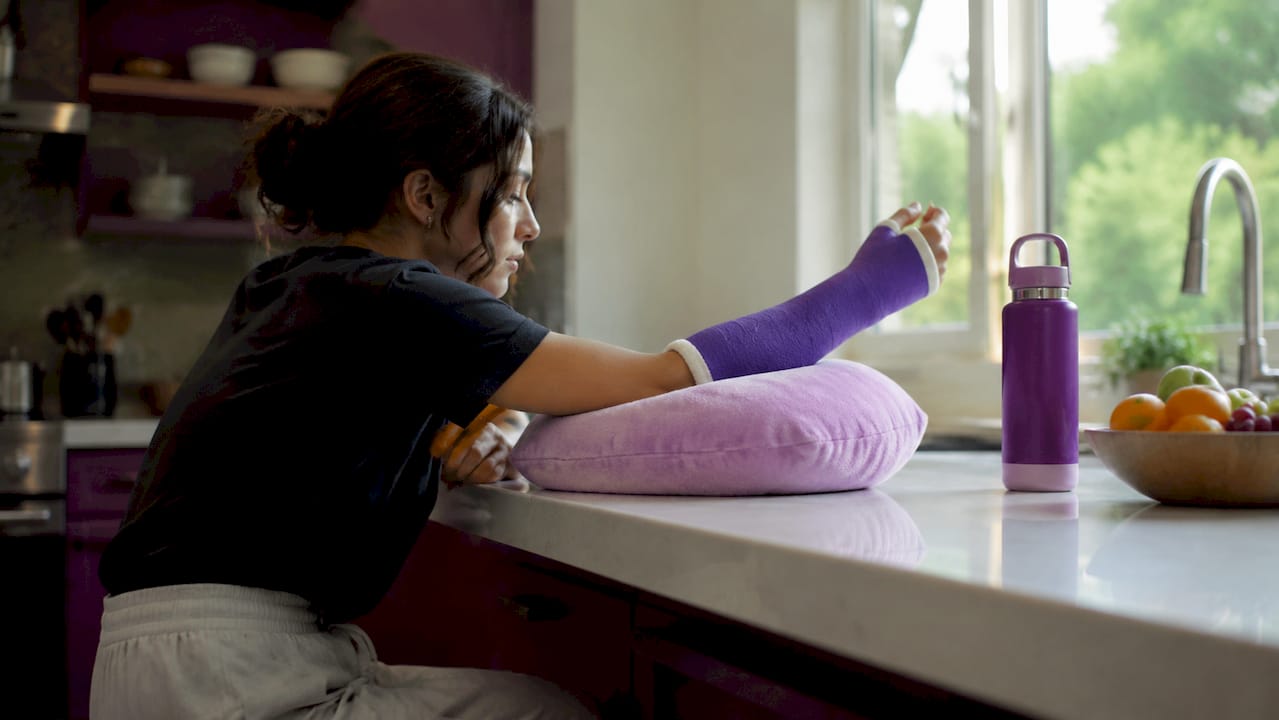
Pro Tip: Elevate your injured limb above heart level for the first 48–72 hours after casting. Early elevation reduces pain and swelling and is one of the simplest things you can do to speed up the early recovery process.
Elevation is not just a comfort measure. It directly reduces the pressure inside your limb, which protects both your skin and your healing bone. Prop your arm on pillows or use a wedge cushion under your leg while resting.
How do you monitor for complications during cast recovery?
Complications from a cast are most dangerous when they go unnoticed. The clinical framework for monitoring is called the Six P’s: pain, pallor, pulselessness, paresthesia, paralysis, and poikilothermia (meaning the limb feels cold or changes temperature). These six signs are your early warning system.
Check your exposed fingers or toes at least twice daily. Here is what to look for and what each sign means:
Pain increasing beyond your baseline. Pain that gets worse after the first day or two, especially pain not relieved by medication, signals something is wrong inside the cast.
Pallor or color changes. Color or temperature changes in digits can indicate serious complications including compartment syndrome, a medical emergency.
Pulselessness or numbness. If you cannot feel your fingers or toes, or they feel tingly, circulation may be compromised.
Paralysis or inability to move digits. Loss of movement is a red flag requiring immediate attention.
Poikilothermia. A limb that feels significantly colder than the other side suggests poor blood flow.
Swelling that worsens noticeably. Some swelling is normal early on, but swelling that increases after the first 48 hours is worth a call to your provider.
When to call your healthcare provider immediately: Contact your care team if you develop a fever above 101.5°F, experience pain not controlled by your prescribed medication, notice a foul odor from the cast, or observe any color or sensation changes in your digits. Prompt clinical contact helps prevent serious complications and can mean the difference between a minor adjustment and a major setback.
Do not wait to see if symptoms improve on their own. Cast complications like compartment syndrome can cause permanent nerve or muscle damage within hours.
What self-care and rehabilitation techniques support healing?
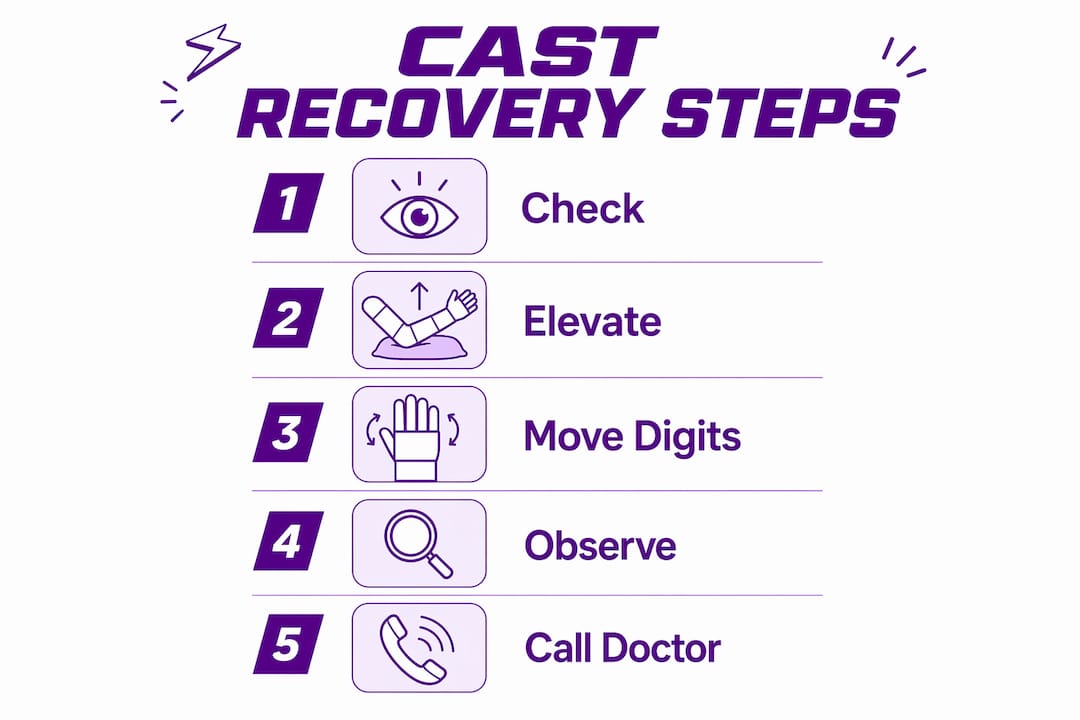
Cast rehabilitation techniques begin the moment your cast is applied. Immobilization does not mean total stillness. Frequent motion of digits and uncasted joints supports circulation and skin health during the entire period of immobilization.
These self-care habits make a measurable difference:
Wiggle your fingers or toes regularly. Do this every hour you are awake. It keeps blood moving and reduces stiffness in the joints above and below your injury.
Move nearby joints. If your wrist is casted, gently move your elbow and shoulder through their normal range. If your ankle is casted, move your knee. Unused joints stiffen quickly.
Reposition every two hours. Repositioning every two hours and checking for skin irritation at cast edges reduces pressure ulcer risk significantly. Pressure ulcers under casts are more common than most patients expect.
Keep the limb elevated when resting. This is not just for the first 48 hours. Elevation throughout recovery reduces chronic swelling that can slow healing.
Watch for red marks at cast edges. Skin irritation at the rim of the cast is an early sign of pressure damage. Report it before it becomes a wound.
Pro Tip: Set a phone reminder every hour to wiggle your digits and check your limb position. Small, consistent habits protect your skin and circulation far better than occasional attention.
Knowing what to wear during recovery also matters more than most people realize. Clothing that accommodates a cast without requiring painful contortions to put on reduces daily stress and protects the cast from accidental damage. You can find practical guidance on dressing with a cast that covers everything from pants to outerwear.
How does swelling affect cast fit and recovery?
Swelling is the single most unpredictable factor in the cast recovery process. Swelling variations necessitate early follow-up for cast or splint recasting or refitting, and this is something many patients are not warned about upfront.
Cast Fit Problem | What It Means | What to Do |
Cast feels too tight | Swelling has increased; circulation may be at risk | Contact your provider the same day |
Cast feels too loose | Swelling has decreased; bone may shift | Schedule a refit appointment promptly |
Cast feels the same | Normal fit is maintained | Continue daily monitoring |
Skin irritation at edges | Pressure point developing | Report to care team; do not ignore |
In the first few days after a fracture, swelling typically peaks and then gradually decreases. This is why many clinicians apply a splint first rather than a full cast. A splint can be adjusted as swelling changes, while a rigid cast cannot. Once swelling stabilizes, a proper cast is applied. If you received a cast immediately, your provider will likely schedule an early follow-up within the first week specifically to check fit.
Poor cast fit is not just uncomfortable. A cast that is too tight can cause compartment syndrome. A cast that is too loose allows bone movement, which disrupts healing and can lead to malunion, meaning the bone heals in the wrong position. Communicate any fit concerns to your care team without delay.
What resources and support are available for cast care?
Effective cast management does not happen in isolation. A range of products, services, and educational resources can make the cast recovery process significantly more manageable.
Adaptive clothing. Standard clothing is often impossible to put on over a cast. Adaptive garments with magnetic closures or side zippers allow you to dress independently without risking damage to your cast or your skin. Fracture-club offers thoughtful recovery gifts and adaptive wear designed specifically for this challenge.
Elevation aids. Foam wedge pillows and adjustable elevation cushions keep your limb above heart level without requiring you to stack and restabilize regular pillows throughout the day.
Mobility aids. Crutches, walkers, and knee scooters reduce weight-bearing on lower limb casts. Ask your physical therapist which aid matches your specific injury and fitness level.
Patient education resources. UCSF Benioff Children’s Hospitals, Mayo Clinic, and FamilyDoctor.org all publish detailed cast care guides that are free and evidence-based.
Follow-up appointments. Do not skip scheduled checkups. Your care team uses these visits to assess healing progress, check cast fit, and catch complications before they escalate.
Support communities. Online fracture recovery groups and communities like Fracture-club connect you with others who understand exactly what you are going through. Shared experience reduces the isolation that often comes with extended immobilization.
Key takeaways
Successful cast recovery depends on daily monitoring, consistent self-care habits, and prompt communication with your care team when anything changes.
Point | Details |
Keep the cast dry and intact | Wet or damaged casts cause infection and lose their protective function immediately. |
Monitor the Six P’s daily | Check digit color, temperature, sensation, and movement twice daily to catch complications early. |
Elevate and move regularly | Keep the limb elevated and wiggle digits hourly to support circulation and prevent pressure ulcers. |
Report fit changes promptly | A cast that is too tight or too loose requires same-day or next-day clinical attention. |
Use adaptive tools and resources | Elevation aids, adaptive clothing, and follow-up appointments reduce complications and daily friction. |
What i have learned about cast recovery after seeing it up close
Most people treat a cast like a set-it-and-forget-it solution. They leave the hospital, go home, and assume the cast is handling everything. That assumption is where most preventable complications begin.
The patients who recover well treat cast care as active work. They check their digits in the morning before coffee. They notice when the cast feels different. They call their doctor about the smell before it becomes an infection. They do not wait for pain to become unbearable before asking for help.
The daily “dashboard” approach recommended by UCSF, which covers digit color, movement, pain changes, and cast condition, is the single most practical habit I have seen make a difference. It takes two minutes. It catches problems when they are still small.
The other misconception I see constantly is about itching. People reach for a pen, a chopstick, anything. Avoiding scratching and inserting objects is not overly cautious advice. It is the difference between an annoying itch and a wound that gets infected under a sealed cast. Cool air from a hair dryer works. Antihistamines work. A chopstick does not.
Small habits compound. The patient who elevates consistently, moves their digits hourly, and checks their cast every morning is not doing anything dramatic. They are just doing the right small things every day, and those things add up to a faster, cleaner recovery.
— Fracture
Dress for recovery without the struggle
Getting dressed with a cast should not feel like a daily obstacle course. Fracture-club designs recovery wear specifically for people in your situation, with adaptive features that make dressing easier and protect your cast at the same time.
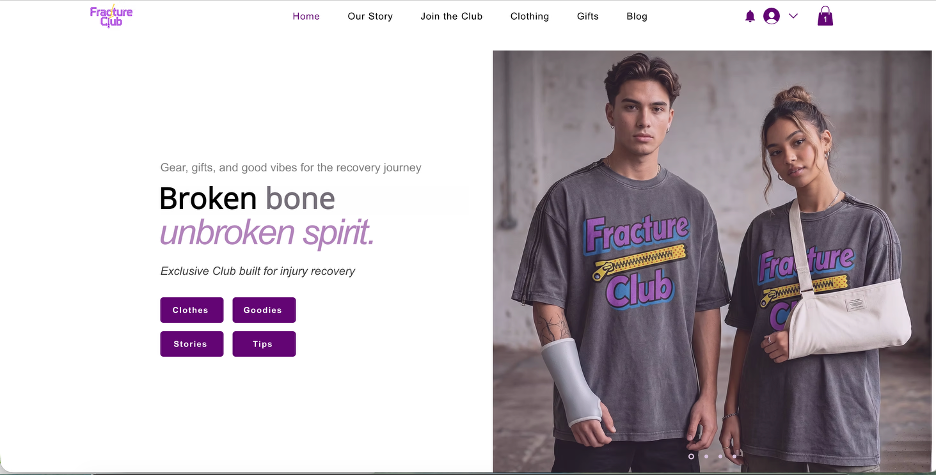
The adaptive recovery pants feature side magnetic zippers that open wide enough to accommodate leg casts without twisting or pulling. For upper limb injuries, the easy-on sweatshirt is designed to go on and off without straining your arm or disturbing your cast. If you are not sure which product fits your recovery needs, the personalized inquiry service connects you with someone who can help you choose.
FAQ
What is the most important cast care rule?
Keep your cast completely dry. Wet casts lead to skin breakdown and infection, and a compromised cast cannot protect your healing bone.
How do i know if my cast is too tight?
Check your fingers or toes for color changes, numbness, tingling, or inability to move. Color or temperature changes in digits are signs of potential cast tightness requiring urgent medical attention.
Can i exercise or move while in a cast?
Yes, within limits. Wiggle your fingers or toes regularly and move uncasted joints nearby. Frequent motion of digits and uncasted joints supports circulation and reduces stiffness without risking your fracture.
When should i call my doctor during cast recovery?
Call immediately if you have a fever above 101.5°F, pain not controlled by medication, a foul odor from the cast, or any changes in digit color or sensation. These are signs that require same-day evaluation.
How does swelling affect my cast over time?
Swelling typically peaks in the first 48–72 hours and then decreases. As it changes, your cast may feel too tight or too loose, both of which require a clinical adjustment to maintain proper bone alignment and circulation.
Recommended
Comments