
Gift Basket for Broken Bone Recovery: Best Ideas

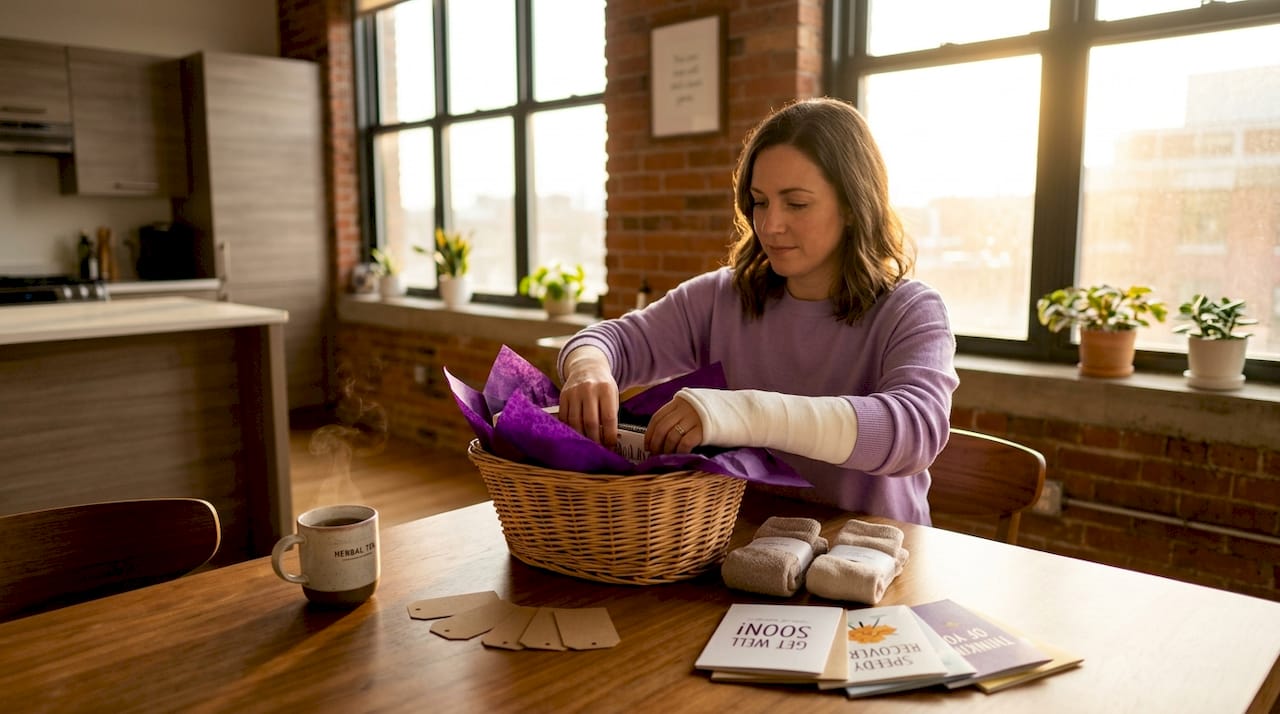
When someone you care about is dealing with a fracture, finding the right gift basket for broken bone recovery feels harder than it should. You want something genuinely useful, not just a pretty arrangement of candy and balloons that sits untouched on the nightstand. Fractures, clinically called bone fractures, come with very specific challenges: limited mobility, skin irritation from casts, low energy, and a bruised sense of independence. The right care package for broken bones addresses all of that. This guide walks you through exactly what to include, how to assemble it, and what to avoid.
Table of Contents
Key takeaways
Point | Details |
Know the recovery stage | Tailor your gift to early or mid-recovery needs, since comfort items matter most in the first 72 hours. |
Prioritize one-handed usability | Choose items that require minimal effort and no two-handed operation to reduce frustration. |
Skin care around the cast matters | Moisturizing lotions near cast edges are often more appreciated than generic treats. |
Timing and delivery count | Schedule delivery when the recipient has energy, and confirm hospital or home delivery rules first. |
Adaptive clothing is a standout gift | Easy-on/off clothing with magnetic closures solves a daily struggle most people overlook. |
Gift basket broken bone recovery: understanding what they actually need
Before you order a single item, spend a few minutes thinking about where your loved one is in their recovery. Fracture recovery timelines typically span 6 to 12 weeks, and what someone needs in week one looks very different from what they need in week six.
Early recovery vs. mid-recovery needs
The first 48 to 72 hours after a fracture are focused on managing swelling, pain, and shock. During this window, the person is likely exhausted, possibly medicated, and not in the mood for anything that requires effort. Comfort is everything here. Later in recovery, when the initial pain fades, boredom and frustration with limited independence become the bigger problems.
Ask yourself these questions before assembling or ordering:
Which limb or body part is affected, and how does that limit daily tasks?
Is the person at home or still in the hospital?
Do they have dietary restrictions or skin sensitivities?
Are they right-handed or left-handed, and is their dominant hand affected?
What is their personality? Are they readers, TV watchers, or crafters?
The injury location matters more than most people realize. A broken arm limits what someone can hold, open, or carry. A broken leg limits where they can go and how long they can sit upright. These details shape every item choice.
Pro Tip: Call or text the recipient’s caregiver, not the recipient, to gather this information. You will get more honest answers and avoid spoiling the surprise.
What to put in a recovery gift basket
Think of the basket in three categories: comfort, practical, and entertainment. The best healing gifts for fractures hit all three without overwhelming the person receiving them.
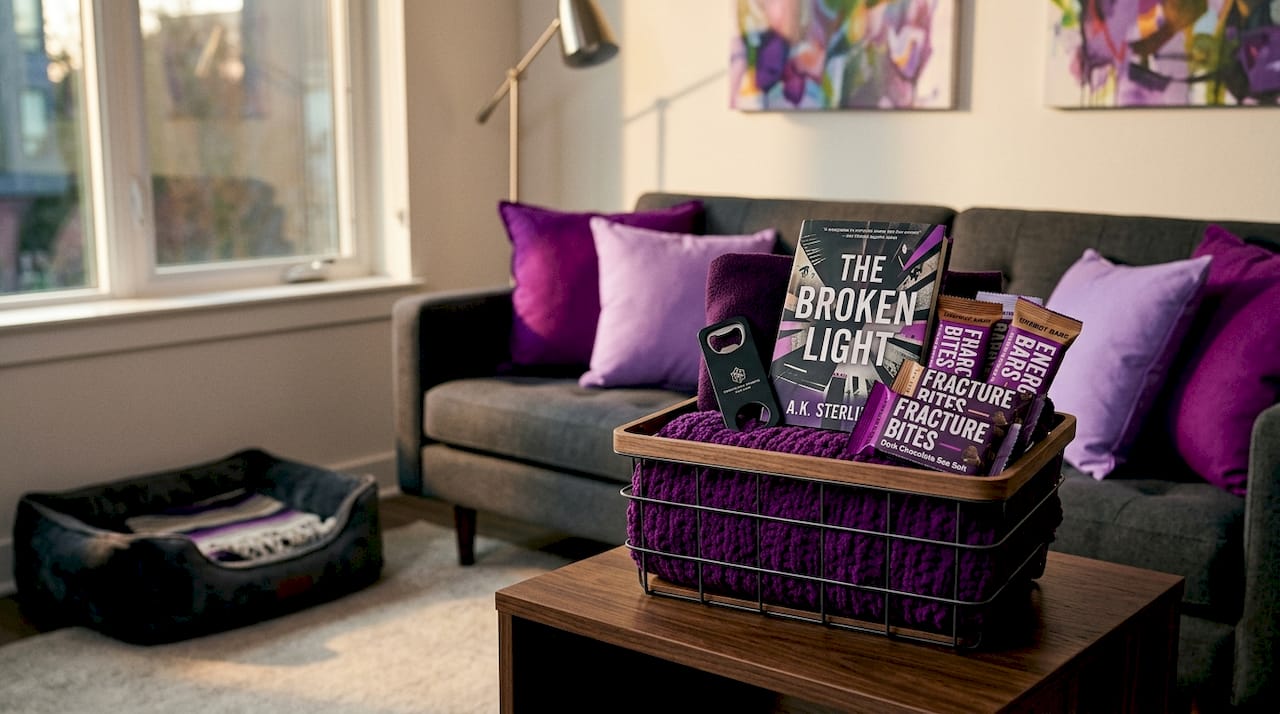
Comfort items
Comfort is the foundation. Ergonomic pillows and therapy packs are especially useful in the early days for positioning and swelling management. Add a soft blanket, a pair of non-slip socks, and a quality moisturizing lotion. That last one is easy to overlook. Skin irritation around cast edges is a constant, nagging problem that most gift givers never think about, but recipients notice every single day.
Practical items
This is where your basket separates itself from a generic get-well gift. Adaptive kitchen tools like one-handed jar openers, electric can openers, and weighted utensils give back a sense of independence in the kitchen. Adaptive clothing with magnetic closures or side zippers is a standout addition. Getting dressed with a cast or brace is genuinely difficult, and most people suffer through it silently.
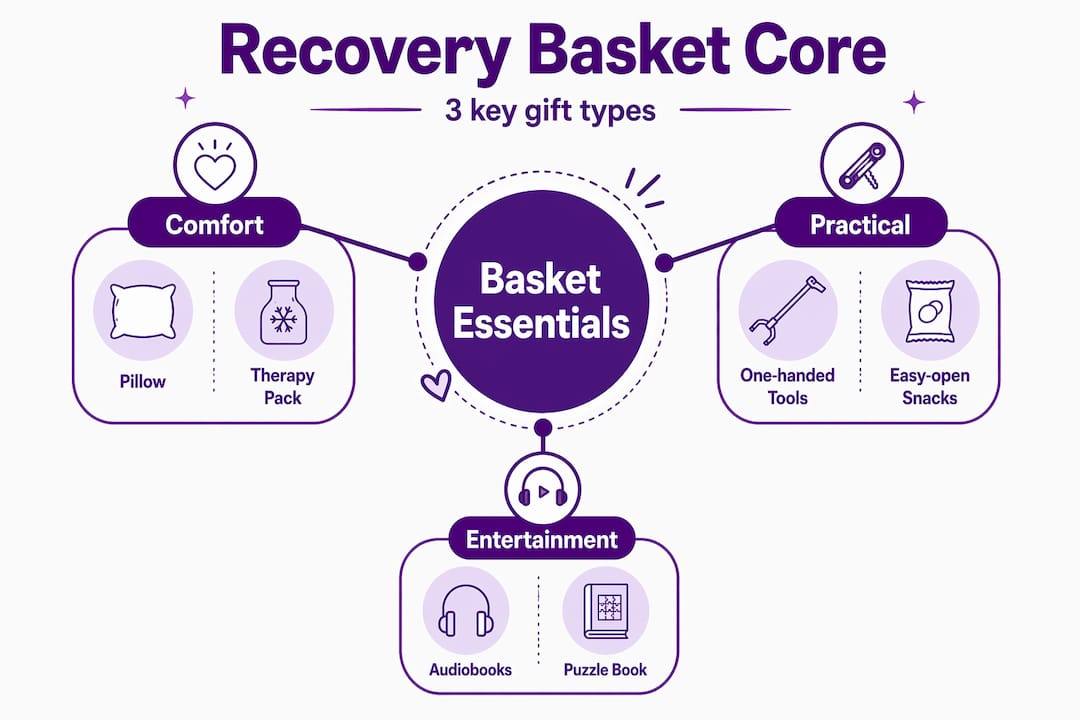
Entertainment and snacks
Hands-free entertainment reduces strain and fills the long, slow hours of recovery. Think audiobook subscriptions, a streaming service gift card, or a puzzle with large pieces. For snacks, choose easy-to-eat options that require no preparation: individually wrapped nuts, protein bars, herbal teas in single-serve packets, and soft dried fruit.
Here is a quick comparison to guide your selections:
Item type | Gift purpose | Best for recovery stage |
Ergonomic pillow | Comfort and swelling support | Early (week 1 to 2) |
Moisturizing lotion | Skin care around cast | All stages |
One-handed kitchen tools | Practical independence | Mid-recovery (week 3+) |
Audiobook subscription | Hands-free entertainment | All stages |
Easy-to-eat snacks and teas | Nutrition with minimal effort | All stages |
Adaptive clothing | Daily comfort and ease | All stages |
Well-curated care packages typically include 10 to 15 items, with popular individual baskets averaging around $89. Smaller curated options start near $39. You do not need to spend a fortune, but you do need to be intentional.
Pro Tip: Wrap items individually inside the basket so the recipient can open one thing at a time without needing to dig through everything at once. This respects their energy levels and makes the experience last longer.
How to assemble and deliver the basket
A thoughtful gift basket is only as good as its execution. Here is a step-by-step approach that works whether you are building from scratch or curating a pre-made option.
List the recipient’s needs first. Write down their injury type, mobility limits, and preferences before you shop. This keeps you from defaulting to generic filler.
Choose a container that is easy to handle. A shallow tray or open box works better than a deep basket with a handle. The recipient may not be able to grip or lift a traditional basket.
Arrange items by accessibility. Put the most immediately useful items on top: pain relief gel, a soft snack, lip balm. Save the entertainment items for the middle layer.
Write a personal note that is short and warm. Skip the lengthy, emotionally heavy messages. Quiet reassurance lands better than forced cheerfulness. Something like “No need to reply to this. Just rest and know we are thinking of you” is perfect.
Schedule delivery thoughtfully. Early morning deliveries can disrupt rest. Late afternoon tends to work better. Many gift services now allow recipients to choose delivery dates, which takes the guesswork out of timing entirely.
“The best gift you can give someone recovering from a broken bone is proof that you thought about them specifically, not just about getting well-wishes out the door.”
If the person is still in the hospital, call ahead to confirm their room number and the facility’s policy on outside deliveries. Some hospitals restrict perishables or require items to be left at the nurses’ station.
Pro Tip: Many gift services offer same-day or next-day delivery options. If the fracture just happened, a same-day delivery of comfort essentials can make an enormous difference in those first brutal hours.
Mistakes to avoid when choosing recovery gifts
Even well-intentioned gifts can miss the mark. Here are the most common mistakes, and how to sidestep them.
Gifts that require two hands. Anything that needs to be twisted open, assembled, or held with both hands defeats the purpose. Avoid items requiring two hands entirely if the affected limb is an arm or wrist.
Overly sentimental items that demand a reaction. A crying-laughing photo book or a video montage from friends sounds sweet, but it asks the recipient to perform gratitude when they may not have the emotional bandwidth. Save those for later in recovery.
Ignoring dietary needs. Always check for food allergies, intolerances, or medications that interact with certain foods before including any edible items.
Assuming hospital delivery is fine without checking. Policies vary widely. Some hospitals welcome deliveries; others have strict rules about outside food or floral arrangements.
Gifting too late or too early. The first week is about survival. Weeks three through six are when boredom and frustration peak. A second, smaller gift timed to that mid-recovery stretch can be more meaningful than one large basket at the start.
Pro Tip: If you are unsure about dietary restrictions, stick to individually packaged, clearly labeled items with simple ingredient lists. Single-serve herbal teas and individually wrapped nuts are almost universally safe choices.
Why a well-chosen basket makes a real difference
It might seem like a small gesture, but a thoughtful recovery gift basket does something that matters: it reduces the daily friction of being injured. Here is what the right basket actually delivers:
Restored independence. Adaptive tools and one-handed items give back a sense of control that fractures strip away. Restoring autonomy through adaptive gifts has a measurable emotional impact during recovery.
Pain and discomfort management. Therapy packs, positioning pillows, and soothing lotions address physical discomfort in ways that flowers simply cannot.
Reduced loneliness. Recovery is isolating. Shared treats, entertainment, and a warm note remind the recipient that people are thinking about them without requiring them to respond.
Better daily routines. When someone has what they need within reach, they are more likely to rest properly, stay hydrated, and follow their recovery plan.
Stronger connection. A basket that clearly reflects the recipient’s personality and needs says more about your relationship than any generic gift ever could.
The best get-well gifts reduce cognitive and physical effort. They do not demand engagement. They just make the day a little easier.
My take on what actually makes these gifts land
I have seen a lot of recovery gifts over the years, and the ones that truly matter share one quality: they show the giver paid attention. Not to Pinterest boards or gift guides, but to the actual person lying in bed with a cast.
The mistake I see most often is choosing comfort over practicality, or practicality over comfort, when the real magic is in combining both. A beautiful candle does nothing for someone who cannot light it safely. A one-handed jar opener with no snacks to go with it feels clinical. But pair a jar of good almond butter with an electric opener and a soft blanket, and suddenly you have something that feels both useful and warm.
What I have learned is that the emotional weight of a gift comes from specificity. Did you remember they love chamomile tea? Did you know their right hand is in the cast and everything in the basket opens left-handed? Those details are what people remember long after the cast comes off.
I also think people underestimate how much adaptive clothing matters. Getting dressed every morning with a cast or brace is a quiet, daily humiliation that nobody talks about. Including dressing tips for fracture recovery or an actual adaptive clothing item in a basket changes someone’s entire morning routine for the better. That is not a small thing.
— Fracture
Fracture-club products that complete any recovery basket
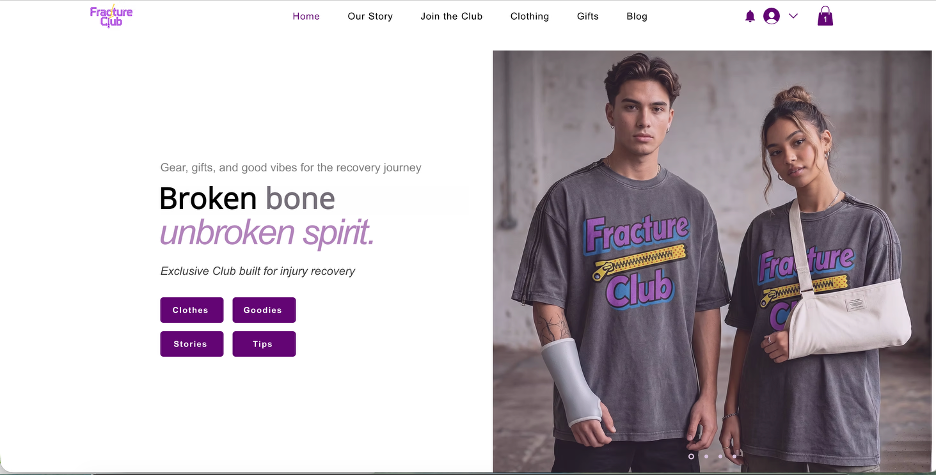
If you want your care package for broken bones to include something that genuinely solves a daily problem, Fracture-club’s adaptive recovery wear is worth adding. Their adaptive recovery pants feature side magnetic zippers that open fully, making it possible to dress and undress without removing a cast or brace. For upper limb injuries, the easy-on/off sweatshirt eliminates the daily struggle of pulling clothing over a splint or cast. These are not novelty items. They are practical solutions that make recovery more dignified. A portion of every purchase also supports the Bone Health and Osteoporosis Foundation, so the gift gives back in more ways than one. Visit Fracture-club to explore the full range of bone recovery essentials.
FAQ
What should go in a gift basket for someone with a broken bone?
Focus on comfort, practical tools, and hands-free entertainment. Good options include ergonomic pillows, moisturizing lotion for cast care, one-handed kitchen tools, audiobook subscriptions, easy-to-eat snacks, and adaptive clothing.
How much should I spend on a broken bone recovery gift basket?
Smaller curated baskets start around $39, while popular individual recovery baskets average about $89. The budget matters less than the relevance of the items to the recipient’s specific injury and needs.
Can I send a gift basket directly to a hospital?
Yes, but call ahead first. Hospital policies on outside deliveries vary, and some facilities restrict perishable food or require items to be cleared at the nurses’ station before reaching the patient.
When is the best time to send a recovery gift basket?
The first 48 to 72 hours address immediate comfort needs like swelling and pain. A second, smaller basket timed to weeks three through six can be even more meaningful, when boredom and frustration tend to peak.
What gifts should I avoid for someone recovering from a fracture?
Avoid anything that requires two hands to open or use, heavily sentimental items that demand an emotional response, and any food items without checking for allergies or medication interactions first.
Recommended
Comments