
Fragility Fracture Explained: What You Need to Know


A fragility fracture is defined as a bone break caused by low-energy trauma that would not normally fracture healthy bone, most often from a fall at standing height or less. The term is used clinically to distinguish breaks caused by weakened bone from those caused by significant accidents or force. Organizations like the NHS and the World Health Organization recognize fragility fractures as a primary signal of underlying bone disease, particularly osteoporosis. The hip, spine, and wrist are the three most common sites. If you or someone you care for has experienced this type of break, understanding what it means is the first step toward better bone health and a safer recovery.
What is a fragility fracture, and why does it happen?
A fragility fracture occurs when bone that has lost density or structural integrity breaks under a force that healthy bone would easily absorb. The defining clinical threshold is a fall from standing height or less, which clinicians use to standardize risk stratification and guide treatment decisions. That standard matters because it separates a bone health problem from an accident problem.
Osteoporosis is the most common underlying cause. It is a condition in which bones lose density and their internal microstructure deteriorates, making them brittle and prone to breaking. Osteoporosis is often diagnosed only after a minor fall causes a fracture, which means the fracture itself is frequently the first visible sign of a silent disease. That is a critical point for caregivers to understand: the break is a symptom, not just an injury.

Other contributing causes include long-term use of corticosteroids like prednisone, low body weight, a sedentary lifestyle, smoking, and excessive alcohol consumption. Age accelerates bone loss naturally, and hormonal changes after menopause dramatically increase fracture risk in women. Men are not immune. The fracture risk rises significantly for both sexes after age 50.
Pro Tip: If a family member over 60 breaks a bone from a minor stumble or bump, ask their doctor about a DEXA scan. That scan measures bone density and can confirm whether osteoporosis is present before another fracture occurs.
Key risk factors for fragility fractures include:
Age over 50, with risk increasing sharply after 65
Female sex, particularly post-menopausal women
Previous fragility fracture (the strongest predictor of a future one)
Long-term corticosteroid use (prednisone, prednisolone)
Low body mass index (BMI under 19)
Family history of hip fracture
Conditions like rheumatoid arthritis or celiac disease that affect bone metabolism
Smoking and heavy alcohol use
What are the most common types and locations of fragility fractures?
Fragility fractures can occur in any bone, but the spine, hip, and wrist account for the majority of cases. Each site carries its own set of symptoms, complications, and recovery challenges.
Vertebral compression fractures are the most common osteoporotic fracture overall. They occur most frequently at the T7 to T8 and T12 to L1 regions of the spine, and they can happen from surprisingly minor triggers like sneezing, bending forward, or lifting a light object. Some patients do not even recall a specific event. The result is a collapse of the vertebral body that causes back pain, height loss over time, and in severe cases, a forward curvature of the spine called kyphosis.

Hip fractures are the most medically serious type. They almost always require surgery and carry a significant risk of long-term complications, including loss of mobility and independence. Wrist fractures, often called Colles fractures, typically occur when someone reaches out to break a fall. They are painful and limiting but generally less life-threatening than hip fractures.
Fracture type | Trauma level | Typical symptoms |
Vertebral compression | Minimal (sneezing, bending) | Back pain, height loss, kyphosis |
Hip fracture | Low (fall from standing) | Severe hip/groin pain, inability to walk |
Wrist (Colles) fracture | Low (fall onto outstretched hand) | Wrist pain, swelling, deformity |
Shoulder (proximal humerus) | Low (fall onto shoulder or arm) | Shoulder pain, bruising, limited arm movement |
Pro Tip: Unexplained back pain in a person over 60 should not be dismissed as muscle strain. A vertebral compression fracture can look exactly like a pulled muscle on the surface, but an X-ray or MRI will reveal the difference. Push for imaging if the pain persists beyond two weeks.
How do fragility fractures differ from normal or traumatic fractures?
The distinction between a fragility fracture and a traumatic fracture comes down to the force involved and the condition of the bone. A traumatic fracture results from high-energy impact, such as a car accident, a sports collision, or a fall from height. Healthy bone breaks under that kind of force. A fragility fracture results from low-energy trauma that healthy bone would survive without damage.
Here is how clinicians and coders distinguish the two in practice:
Mechanism of injury. Traumatic fractures involve documented high-energy events. Fragility fractures involve low-energy events at or below standing height. The clinical record must clearly describe what happened.
Bone condition. Fragility fractures occur in bone already weakened by osteoporosis or another metabolic condition. If osteoporosis is documented and the fracture resulted from low-energy trauma, it is coded as a fragility fracture.
Overlap with pathological fractures. Fragility fractures share coding territory with pathological fractures. The difference is that pathological fractures can also result from tumors or infections, while fragility fractures are specifically tied to bone density loss.
Clinical implication. A traumatic fracture in a healthy person signals an accident. A fragility fracture signals an underlying disease that needs evaluation and treatment beyond the break itself.
Subsequent fracture risk. A person who has had one fragility fracture faces a significantly elevated risk of another. A person who breaks a bone in a car accident does not carry that same elevated baseline risk.
Understanding this distinction matters practically. It determines whether a doctor orders a bone density scan, prescribes bone-strengthening medication, or refers the patient to a falls prevention program. The fracture is the event, but the bone disease is the condition that needs managing.
What are the signs, symptoms, and typical healing process?
Symptoms of a fragility fracture depend heavily on where the break occurs, but several patterns appear across fracture types. Recognizing them early leads to faster diagnosis and better outcomes.
Common signs and symptoms include:
Sudden, localized pain at the fracture site, often sharp and worsening with movement
Swelling and bruising around the affected area, most visible in wrist and hip fractures
Difficulty bearing weight or moving the affected limb, particularly with hip fractures
Back pain without a clear cause, which is the hallmark of vertebral compression fractures
Visible deformity, such as a bent wrist or a leg that appears shortened and rotated outward after a hip fracture
Gradual height loss or stooped posture from multiple vertebral fractures over time
Some vertebral fractures go unnoticed at first, often mistaken for muscle strain. This is one of the most clinically significant challenges with fragility fractures. A person may manage the pain with over-the-counter medication for weeks before imaging reveals a collapsed vertebra.
Healing timelines vary by fracture site and the patient’s overall health. Vertebral fragility fractures typically take 3 to 4 months to heal, with the most intense pain usually settling by 6 to 8 weeks. Hip fractures take longer and almost always require surgical repair followed by physical therapy. Wrist fractures typically heal within 6 to 8 weeks with casting or splinting.
Beyond physical healing, fragility fractures cause significant morbidity including decreased mobility, depression, and loss of independence, especially in older adults. These are not minor side effects. They are serious consequences that require attention alongside the physical recovery. A good recovery plan addresses pain management, bone health treatment, fall prevention, and emotional support together.
Key takeaways
Fragility fractures are a clinical signal of bone disease, not just an isolated injury, and every break from low-energy trauma deserves a full bone health evaluation.
Point | Details |
Fragility fracture definition | A bone break from low-energy trauma, such as a standing-height fall, in bone weakened by osteoporosis. |
Most common sites | Hip, spine (vertebrae), and wrist account for the majority of fragility fractures. |
Key difference from traumatic fractures | Force level and bone condition determine the type. Low energy plus weak bone equals fragility fracture. |
Healing timeline | Vertebral fractures take 3 to 4 months. Hip fractures require surgery and longer rehabilitation. |
First fracture as a warning sign | One fragility fracture is the strongest predictor of a second. Bone density evaluation after the first break is critical. |
Why the first fracture is the one you cannot afford to ignore
Here is what I have seen repeatedly: people treat a fragility fracture as a one-time event. They heal, they move on, and they never ask why a minor stumble broke a bone in the first place. That is the most costly mistake in bone health management.
Osteoporosis is a silent condition until a fragility fracture happens. The fracture is the alarm going off. Ignoring the alarm and only treating the break is like replacing a smoke detector battery without checking what caused the smoke. The bone disease is still there, progressing, and setting the stage for the next fracture.
What I find most underappreciated is the vertebral fracture problem. These breaks happen from sneezing or bending over to pick something up. They are frequently missed initially because they mimic back pain from a dozen other causes. By the time someone gets imaging, they may already have multiple compressed vertebrae and significant height loss. Earlier clinical suspicion changes outcomes dramatically.
My honest view is that fragility fractures deserve a two-track response: fix the break and investigate the bone. Medication like bisphosphonates, calcium and vitamin D supplementation, fall prevention programs, and adaptive support during recovery all belong in the same conversation. Patients and caregivers who push for that full evaluation after the first fracture are the ones who avoid the second.
— Fracture
Recovery support that actually fits your life
Healing from a fragility fracture is physically and emotionally demanding. Getting dressed should not add to that difficulty.
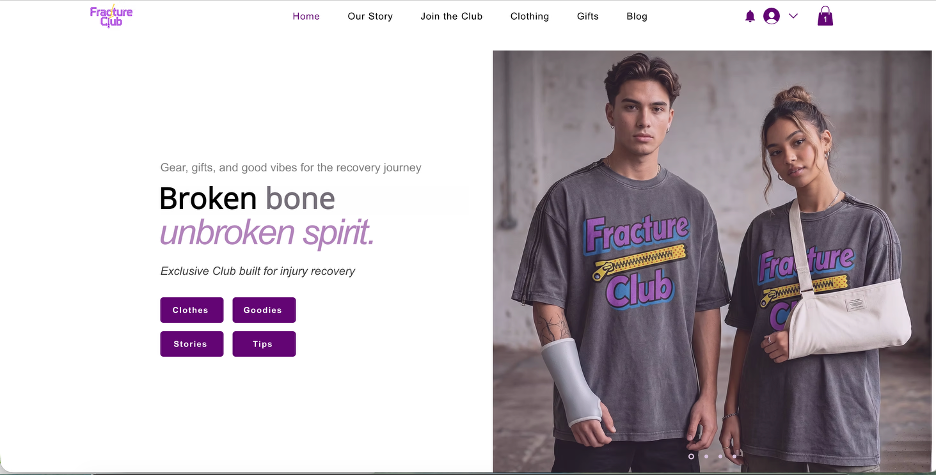
Fracture-club designs adaptive recovery pants with magnetic side zippers that make dressing possible even with a cast, brace, or limited mobility. For upper limb fractures, the easy-on recovery sweatshirt removes the frustration of pulling clothing over an injured arm or shoulder. Every product is built around one idea: you deserve to feel like yourself during recovery, not just a patient. A portion of every purchase supports the Bone Health & Osteoporosis Foundation. If you are not sure which product fits your situation, the inquiry services page connects you with the right guidance.
FAQ
What is the fragility fracture definition in simple terms?
A fragility fracture is a bone break caused by a low-energy event, such as a fall from standing height, that would not break a healthy bone. It signals underlying bone weakness, most commonly from osteoporosis.
Who is most at risk for fragility fractures?
Adults over 50, post-menopausal women, and people with osteoporosis face the highest risk. Long-term corticosteroid use, low body weight, and a previous fragility fracture also significantly increase the likelihood of another break.
How do fragility fractures differ from normal fractures?
Normal traumatic fractures result from high-energy impacts like car accidents. Fragility fractures result from low-energy trauma in bone already weakened by disease, and they require bone health evaluation beyond standard fracture treatment.
Can a fragility fracture happen without an obvious fall?
Yes. Vertebral compression fractures can occur from sneezing, coughing, or bending forward, sometimes with no memorable event at all. Persistent back pain in older adults warrants imaging to rule out a spinal fragility fracture.
How long does it take to recover from a fragility fracture?
Recovery depends on the fracture site. Vertebral fractures typically heal in 3 to 4 months, with significant pain reduction by 6 to 8 weeks. Hip fractures require surgery and a longer rehabilitation period, often several months of physical therapy.
Recommended
Comments