
After Cast Removal, 6 Clothing Choices for Easier Dressing


The easiest approach is soft, loose garments with adaptive closures, like magnets, side zips and snaps, paired with slip-on or Velcro shoes. Occupational therapy guidance backs the same idea: fewer fiddly fastenings means less effort. Start with the checklist below, and if you want a ready-made option, browse our recovery wear.
TL;DR:
Choose breathable clothes with elastic waists and wide openings; use shoulder snaps when arm motion is limited, and side zippers for stiff legs.
Residual swelling can make usual shoes feel too tight, so choose slip on shoes, Velcro closures, or elastic laces, and test them indoors first.
Sit on a stable surface, put the weaker limb into clothing first and take it out last, and keep a sock aid or shoehorn nearby.
Because newly uncovered skin may be dry and easily irritated, wash clothes with mild detergent without fragrance, add an extra rinse, and rotate garments.
Table of Contents
What clothes are easiest to put on after a cast comes off?
Your limb has been covered for weeks, so the skin is sensitive and the joints may feel stiff. Pick clothes that slide on without a fight. Here is a quick wardrobe checklist:
Tops: front-open shirts, button-downs, wide-neck tees, and tank tops with shoulder snaps. Soft knits glide over tender skin.
Bottoms: elastic-waist pants, wide-leg sweatpants, pants with side zippers or openable seams, and skirts with elastic waists.
Underwear: full-cut, stretchy briefs or boxer-briefs that pull on easily without digging in.
Outer layers: slip-on hoodies, capes, or jackets with open fronts, so you never have to thread a sore arm through a tight sleeve.
Fabric: soft, breathable materials such as cotton blends and brushed knits.
Rotation: swap garments through the week so no single seam or waistband presses on the same patch of recently uncovered skin.
If you want to see how these pieces play out for a specific injury, our guide to what to wear with casts, slings, and braces covers the basics.
Which shoes work best when your foot is still swollen?
Swelling often lingers after a cast comes off, and your usual shoes may suddenly feel a size too small. Footwear needs shift after cast removal because slip-on styles, Velcro, and elastic laces let you adjust the fit as the day goes on.
Slip-ons and sandals: no laces, no bending down, and plenty of room.
Velcro-fastening shoes: you can loosen them by the hour as swelling changes.
Elastic laces: swap them into shoes you already own so you can keep the look and skip the knots.
Long-handled shoehorn: it spares your ankle and back when you slide a shoe on.
Test at home: try shoes indoors first, before you commit to a full day out.
Spare pair: keep a wider-fitting pair on hand for the swollen days.
Pro Tip: Choose shoes with removable insoles so you can adjust the internal volume as swelling goes down.
For more on fit changes, see our caregiver-focused tips on clothing features for swelling.

Which adaptive clothing features make dressing easier?
Adaptive clothing is simply regular-looking clothing with smarter closures. Occupational therapists point out that it works for anyone with temporary limitations, and it lets you keep your sense of style while cutting down on effort. Each feature solves a different problem:
Magnetic closures: fasten with one hand and no pinching, which helps when grip strength is low.
Side zippers: open the full length of the leg, so you never have to pull a stiff limb through a narrow pant leg.
Snap shoulders: help when you can’t lift your arm overhead.
Wide necks and open fronts: keep sleeves from forcing a sore limb into an awkward angle.
After a cast is removed, the limb can stay stiff, swollen, or weaker. If shoulder motion is limited, snaps and front-open tops matter most. If a leg is stiff or puffy, side zips do the heavy lifting. If forcing a limb through a sleeve hurts, choose looser cuts and wide openings.
We make adaptive recovery clothing built around these ideas. You can also read how side zips work in our side zip pants guide.
What dressing aids and techniques do occupational therapists teach?
The right tools can make dressing easier and less of a struggle. Therapists commonly suggest these:
Sock aid: a flexible sleeve that lets you pull a sock on without bending to your foot.
Reacher or dressing stick: hooks waistbands and sleeves and pulls them toward you.
Long-handled shoehorn: keeps your heel in place while you slip in.
Elastic laces: turn any lace-up shoe into a slip-on.
Button hook: guides small buttons through holes when your fingers feel clumsy.
Technique matters as much as gear. Lay your clothes out first, sit on a stable surface such as the edge of a bed, and put your weaker limb in first and take it out last. If you need extra balance, a walker or sturdy furniture within reach helps. The Bone and Joint Institute’s dressing guide walks through the same seated sequences.
For hands-on learning, there are adaptive dressing demonstration videos that show many aids and training procedures in action.
Occupational therapy guidance recommends slip-on shoes, Velcro closures, or elastic laces to improve independence when dressing after an injury. Footwear you can secure without fine motor work makes the biggest daily difference.
How should you get dressed in the first days after cast removal?
A steady routine keeps you safe and a little more independent. Try this order:
Prepare. Lay out your clothes, keep your aids within reach, and sit on a stable surface.
Bottoms and underwear. Put your weaker leg in first, then pull the elastic waist over your hips while you are still seated.
Footwear. Use a sock aid and a shoehorn, and choose closures you can adjust.
Tops. Reach for a front-open or adaptive top, and fasten magnets or snaps with your unaffected arm.
Stop and ask for help if you feel significant pain, dizziness, or you simply can’t secure a fastening. Needing a hand early on is normal, and it doesn’t mean you are doing it wrong. If you want a faster routine, our short guide to OT-style clothes shows how to trim your dressing time.
How should you wash clothes for sensitive skin after a cast?
Skin that spent weeks under a cast is thin, dry and easily irritated, so what touches it matters. A few laundry habits help:
Detergent: use a mild, fragrance-free formula and run an extra rinse to clear residue.
Rotation: cycle through several garments so no seam presses on the same spot day after day.
Fabrics: stick with breathable, soft materials and avoid scratchy tags or stiff seams.
Closures: test magnets and side zips before you wear them, and air-dry adaptive pieces so the components last.
Why we design recovery clothing the way we do
We design our adaptive recovery wear from lived experience of injury. We know how it feels to be stuck between feeling like a patient and feeling like yourself, and clothes are one of the few things you can change right away. Our community shares stories and encouragement, and a portion of proceeds supports the Bone Health & Osteoporosis Foundation. Our goal is simple: make getting dressed less of a battle.
— Fracture
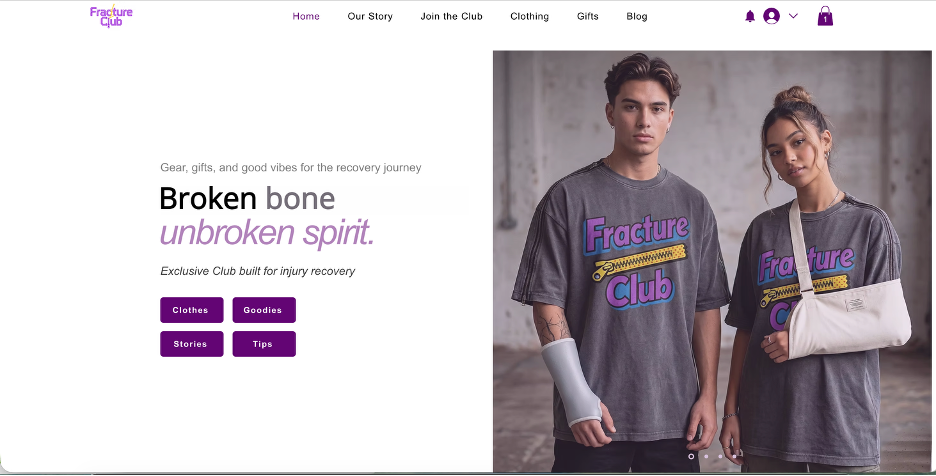
Where can you find adaptive recovery clothing that matches this checklist?
[
](fracture-club.com)
If you are ready to shop, we built our range around exactly these dressing problems. Check sizing and read each product page before you order.
Easy-on/off pants with side magnetic zippers: open down the side, so you skip pulling a stiff leg through.
Easy-on/off sweatshirt: made for upper limb recovery, so sleeves don’t force a sore arm.
Recovery wear category: browse the full range, plus merch and gifts, and pick what fits your checklist.
FAQ
What should I wear after my cast is removed?
Choose soft, loose clothing with elastic waists, front openings, or adaptive closures. Pair it with slip-on or Velcro shoes so swelling doesn’t make dressing harder.
Why do my shoes feel tight after cast removal?
Residual swelling is common once a cast comes off. Slip-on styles, Velcro, and elastic laces let you adjust the fit through the day.
Are adaptive clothes only for permanent disabilities?
No. Occupational therapists note that adaptive clothing suits temporary limitations too, and it lets you keep your style while reducing effort.
Which leg or arm goes in first when dressing?
Put the weaker or injured limb in first and take it out last. Sitting down while you dress makes this easier and safer.
Can I wear regular clothes after a cast comes off?
Often yes, as long as they are loose, soft and don’t press on tender skin. Move back to regular clothing gradually as your strength and range of motion return.
Sources
Recommended
Comments