
Bone Health Screening: What You Need to Know in 2026
- T. Armstrong

- Jun 29
- 8 min read
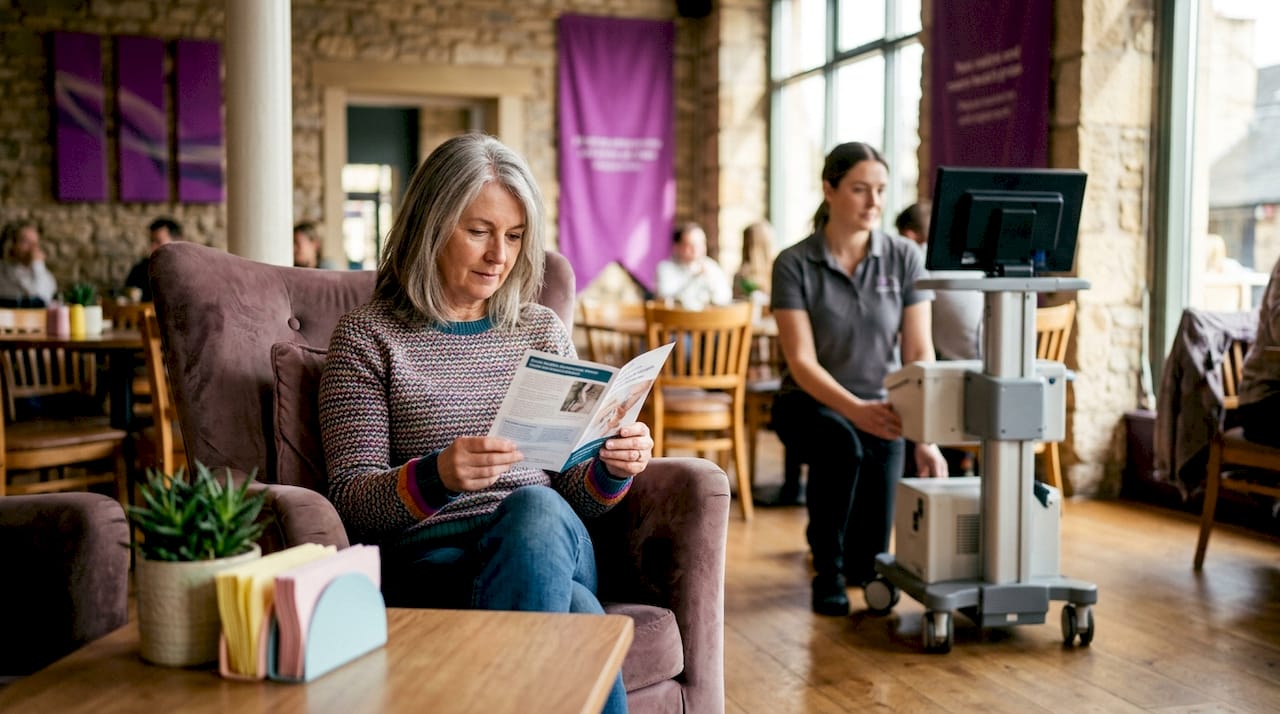
Bone health screening is a diagnostic process that measures bone mineral density to detect osteoporosis and assess your risk of fractures before a break ever happens. The primary method is the DXA scan, short for dual-energy X-ray absorptiometry, which produces a T-score classifying your bone strength on a clear numerical scale. About 10 million Americans have osteoporosis, and 43 million more have low bone mass. That scale means millions of people are walking around with fragile bones and no symptoms to warn them. Screening changes that equation entirely.
What is bone health screening and how does it work?
Bone health screening is a medical assessment that measures the density and strength of your bones using imaging technology. The standard tool is the DXA scan, which sends two low-energy X-ray beams through your bones and calculates how much mineral is present. The result is a T-score that tells you and your doctor exactly where your bone density stands relative to a healthy young adult. This is the recognized clinical standard for the osteoporosis screening process, not a general wellness check or a blood test.
The DXA scan is the gold standard because it is accurate, fast, and widely available at hospitals, imaging centers, and many primary care clinics. A bone density test typically focuses on the hip and spine, the two sites most vulnerable to fractures. Some providers also scan the forearm when the hip or spine cannot be measured accurately. The whole appointment usually takes 10–30 minutes from check-in to results.
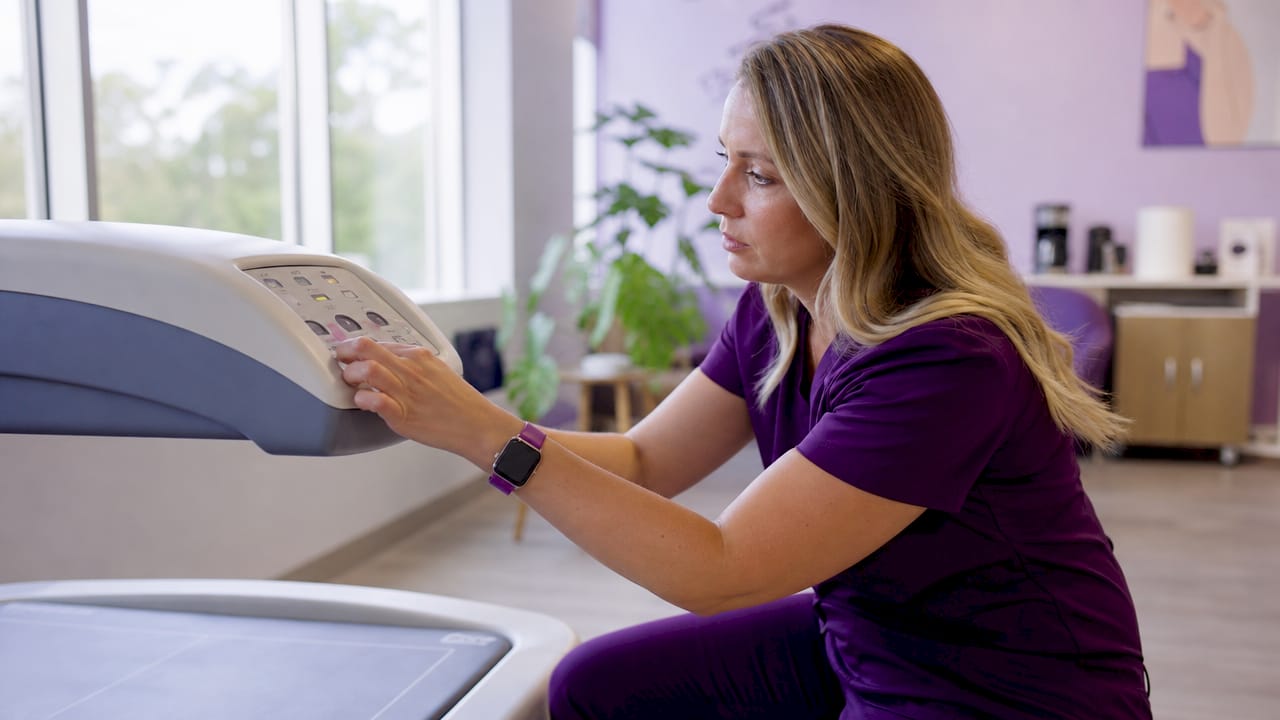
What does a bone density test involve?
The DXA scan is non-invasive, requires no undressing or sedation, and exposes you to remarkably low radiation, less than your daily background exposure from the environment and far less than a standard chest X-ray. That low dose makes it safe to repeat over time for monitoring. You simply lie on a padded table while a mechanical arm passes over your body. The machine does the work.
Here is what to expect during bone screening:
No injections or sedation. You stay fully clothed in most cases; just remove metal objects like belts or keys.
Minimal preparation. Avoid calcium supplements for 24 hours before the scan, since they can slightly affect readings.
Quick and painless. The scan itself takes about 10–20 minutes.
Immediate results. Many providers share your T-score the same day or within a few days.
No recovery time. You can drive yourself and return to normal activity immediately.
One distinction worth knowing: a bone density test and a bone scan are not the same thing. A bone scan uses radioactive tracer injections to detect fractures or cancer, while a density test simply measures mineral content. If your doctor orders a bone scan, that is a different procedure with a different purpose.
Pro Tip: Wear comfortable, loose clothing with no metal zippers or underwire on the day of your DXA scan. This saves time and avoids any need to change.
Who should get screened for bone health?
The U.S. Preventive Services Task Force sets the clearest clinical guidelines for bone health. USPSTF 2025 guidelines give a Grade B recommendation for screening all women aged 65 and older, and for postmenopausal women under 65 who have one or more clinical risk factors. That Grade B rating means the evidence for benefit is strong and most insurance plans cover the test for eligible women.
For men, the picture is less defined. The USPSTF currently assigns a Grade I rating for routine male screening, meaning there is insufficient evidence to make a firm recommendation either way. That does not mean men cannot or should not be screened. It means the decision should be individualized based on risk.
Risk factors that warrant earlier or additional screening include:
A parent who fractured a hip
Low body weight or a small frame
Current smoking or heavy alcohol use
Long-term use of corticosteroids like prednisone
Conditions that affect calcium absorption, such as celiac disease or inflammatory bowel disease
Early menopause before age 45
A previous fracture from a minor fall or bump
Understanding your fracture risk factors is the first step in deciding whether to ask your doctor about screening before the standard age threshold.
How do you interpret bone density test results?
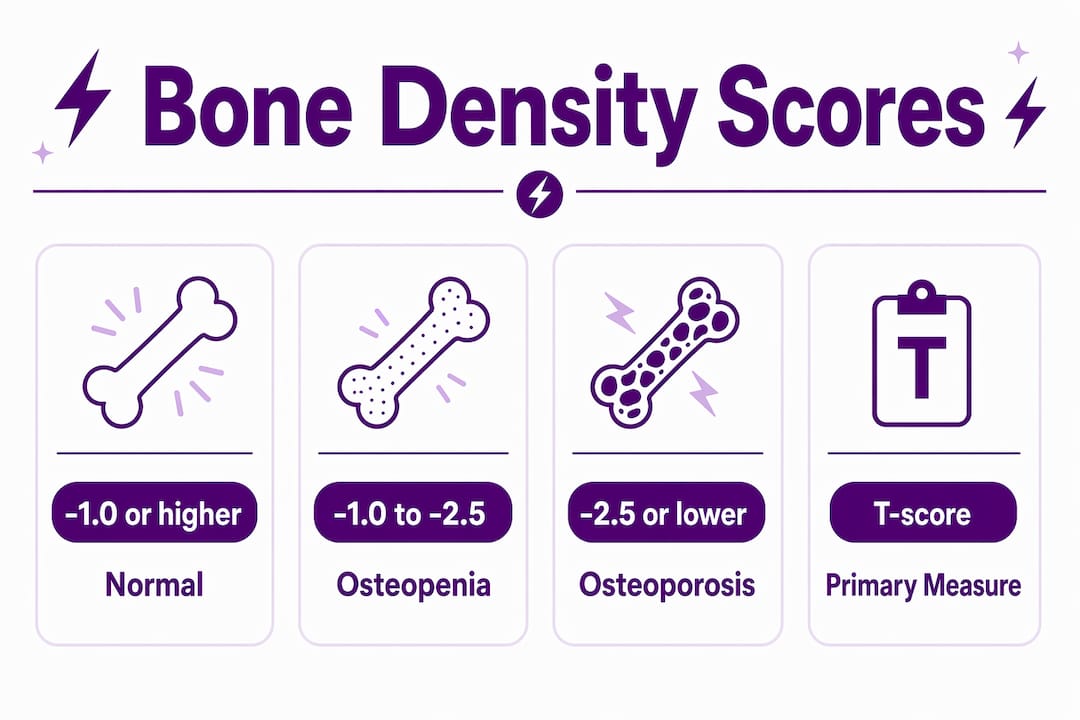
Your DXA scan produces two scores: a T-score and a Z-score. The T-score is the primary clinical measure. It compares your bone density to that of a healthy 30-year-old adult of the same sex. The Z-score compares you to people of your own age and sex, which makes it more useful for younger adults and children.
The T-score ranges break down as follows:
T-score range | Classification | What it means |
-1.0 or higher | Normal | Bone density is healthy |
-1.1 to -2.4 | Osteopenia | Below average; monitor and act on lifestyle |
-2.5 or lower | Osteoporosis | Significantly low; treatment is likely needed |
Osteopenia is not a disease. It is a warning sign. Many people with osteopenia never progress to osteoporosis if they address lifestyle factors early. Osteoporosis, on the other hand, signals a meaningful fracture risk that usually calls for both lifestyle changes and a conversation about medication.
A bone density test is one part of a complete fracture risk picture. Clinical factors like lifestyle, weight, and family history are equally critical. Your doctor may use a tool called FRAX, a validated fracture risk calculator, to combine your T-score with those clinical variables and estimate your 10-year fracture probability.
Pro Tip: Ask your provider for a printed copy of your T-score and Z-score at every scan. Tracking changes over time tells you far more than a single result.
Reading your results carefully matters. Fracture-club’s guide to reading bone health lab results walks you through exactly what each number means in plain language.
What are the benefits and limitations of bone health screening?
The benefits of bone screening are real and well-documented. Screening identifies bone loss before a fracture occurs, giving you time to act. Early detection guides treatment decisions, from calcium and vitamin D supplementation to prescription medications that slow bone loss. Catching osteopenia early is far easier to address than treating a compression fracture of the spine.
“Bone health is a silent issue often overlooked. Screening identifies risk before fractures occur, maintaining independence and quality of life.” — Tufts and Harvard bone health experts
Limitations exist too, and understanding them makes you a better advocate for your own care.
Peripheral tests have lower accuracy. Peripheral bone density tests at pharmacies or health fairs are convenient but less accurate than a central DXA scan. A low result on a peripheral device always requires follow-up with a full DXA.
Density does not tell the whole story. Bone quality, bone geometry, and muscle strength all affect fracture risk in ways a DXA cannot capture alone.
Not all fractures are predictable. A normal T-score does not guarantee you will never fracture. High-impact trauma can break healthy bones.
The radiation exposure from a DXA scan is so low it is considered negligible. That safety profile makes repeat scanning every 1–2 years appropriate for people on treatment, and every 2–5 years for monitoring in lower-risk individuals.
How can you improve and maintain bone health after screening?
Screening gives you a baseline. What you do with that information determines your long-term bone health. Here are the most effective steps to take after your bone health assessment:
Increase calcium and vitamin D intake. Adults over 50 need 1,200 mg of calcium daily from food and supplements combined. Vitamin D helps your body absorb that calcium. Aim for 800–1,000 IU of vitamin D daily, or more if your blood levels are low.
Do weight-bearing and resistance exercise. Walking, hiking, dancing, and strength training all stimulate bone formation. Aim for at least 30 minutes of weight-bearing activity most days.
Reduce fall risks at home. Remove loose rugs, improve lighting, and install grab bars in the bathroom. Falls cause the majority of hip fractures. Fracture-club’s guide to daily habits after 50 covers practical fall prevention in detail.
Ask about medication if your T-score is low. Exercise and nutrition cannot always reverse existing bone loss. For people with osteoporosis, medications like bisphosphonates can slow bone loss significantly. Starting treatment early, especially in the years right after menopause, matters most.
Schedule follow-up scans. Bone density changes slowly. Your doctor will recommend a repeat DXA based on your current T-score and risk profile.
Quit smoking and limit alcohol. Both directly reduce bone density over time. Quitting smoking at any age produces measurable benefits for bone health.
Screening enables timely medication post-menopause to prevent the rapid bone loss that accelerates in the 5–8 years following menopause. That window is one of the most important in bone health, and screening is what opens it.
Key takeaways
Early bone health screening is the single most effective way to detect silent bone loss before it leads to a fracture, and the DXA scan remains the clinical gold standard for that assessment.
Point | Details |
DXA scan is the standard | The DXA scan measures bone mineral density at the hip and spine using very low radiation. |
T-score guides diagnosis | A T-score of -2.5 or lower indicates osteoporosis; -1.1 to -2.4 signals osteopenia. |
Screening eligibility | USPSTF recommends screening for all women 65+ and younger postmenopausal women with risk factors. |
Results need context | Combine your T-score with lifestyle, weight, and family history for a complete fracture risk picture. |
Act on results early | Lifestyle changes and medication started early can slow or stop bone loss progression. |
Why bone screening is the conversation most people delay too long
Bone health sits in a strange category. There is no pain, no visible sign, and no obvious moment when you realize something is wrong. That silence is exactly what makes screening so valuable and so easy to put off.
I have seen this pattern repeatedly. People wait until a fracture happens to ask about their bone density. By that point, the conversation shifts from prevention to recovery. Those are very different conversations with very different outcomes. A fragility fracture, one that happens from a minor fall or even a sneeze, is a signal that bone loss has been progressing for years undetected.
What I find most encouraging is how much agency screening actually gives you. A T-score is not a verdict. It is a data point that opens a door. Osteopenia caught at 58 is a very manageable situation. The same bone density discovered after a hip fracture at 72 is a much harder road. The difference between those two scenarios is often just one conversation with a doctor and one 20-minute scan.
The other thing worth saying plainly: screening is not just for women. Men lose bone density too, especially after 70, and the fracture consequences are often more severe. The evidence base for routine male screening is still developing, but that does not mean men should wait passively. If you have risk factors, ask.
Bone health is not a niche concern. It is a foundation for staying active, independent, and yourself as you age. Screening is how you protect that foundation before it cracks.
— Fracture
Fracture-club: recovery wear built for real healing
When a bone injury does happen, getting dressed should not be the hardest part of your day.
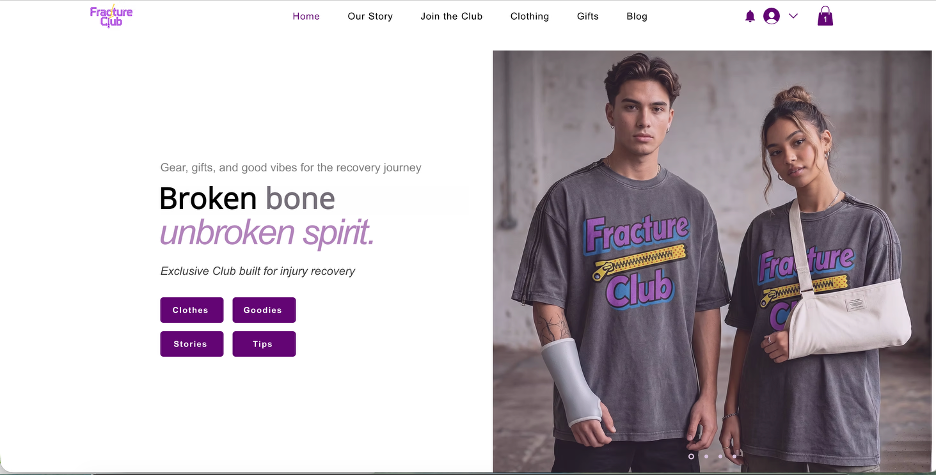
Fracture-club designs adaptive recovery clothing specifically for people healing from fractures, casts, and braces. The adaptive recovery pants feature magnetic side zippers that make dressing possible without twisting, bending, or asking for help. The easy-on sweatshirt is built for upper limb injuries and bone fracture recovery, so comfort does not require a compromise. A portion of every purchase benefits the Bone Health & Osteoporosis Foundation. Visit Fracture-club to see the full collection and find something that makes recovery a little easier.
FAQ
What is the difference between a bone density test and a bone scan?
A bone density test uses low-dose X-rays to measure mineral content and assess fracture risk, with no injections required. A bone scan uses a radioactive tracer injection to detect fractures, infections, or cancer, and is a completely different procedure.
How often should you get a bone density test?
Frequency depends on your T-score and risk profile. People on treatment typically repeat the DXA every 1–2 years, while lower-risk individuals may only need one every 2–5 years.
Does a normal bone density result mean you will not fracture?
No. A normal T-score reduces fracture risk but does not eliminate it. High-impact trauma can fracture healthy bones, and bone quality factors beyond density also play a role.
Are peripheral bone density tests at pharmacies reliable?
Peripheral tests are convenient but less accurate than a central DXA scan. Any low result from a peripheral device requires follow-up with a full DXA at a clinical facility.
Can men get bone health screening?
Yes. While the USPSTF does not currently issue a firm routine screening recommendation for men, men with risk factors such as low body weight, corticosteroid use, or a family history of hip fracture should discuss screening with their doctor.
Recommended
Comments