
Bone Fracture Recovery Gifts: What to Give and Why

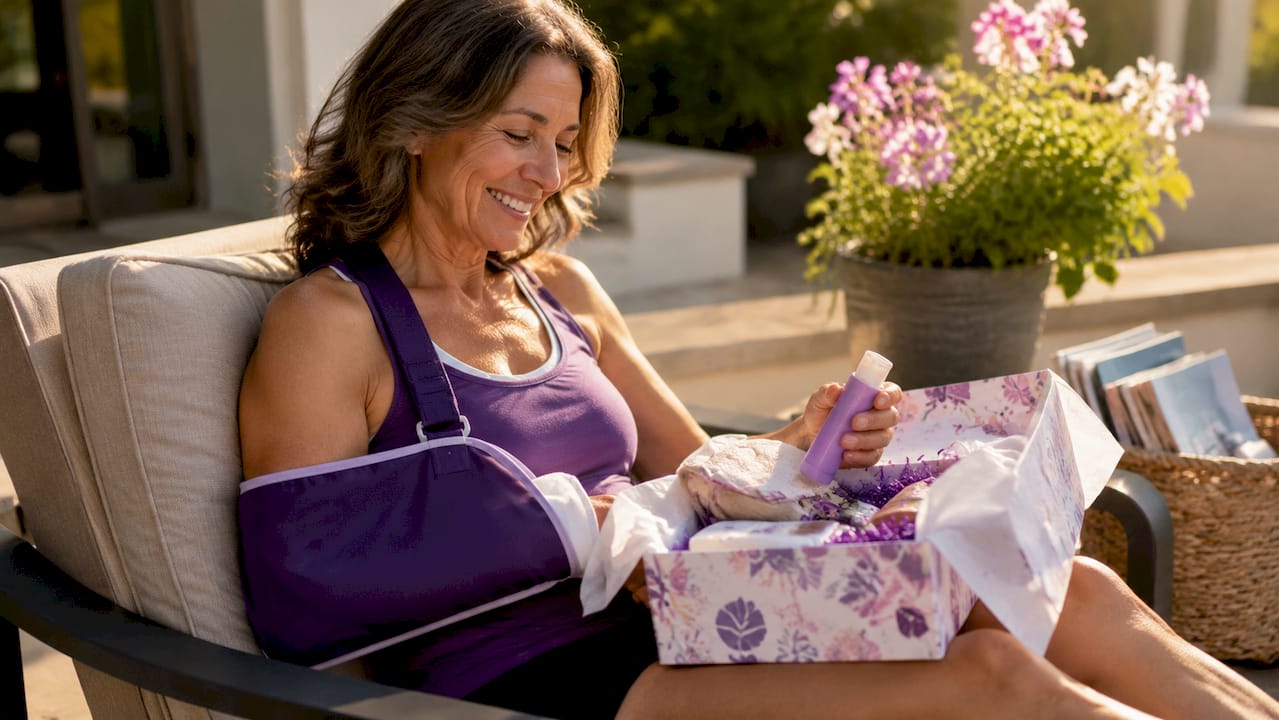
Bone fracture recovery gifts are items designed to ease the physical and emotional challenges faced by individuals healing from broken bones, offering comfort, independence, and encouragement during a recovery period that can last anywhere from 4–12 weeks. These are not generic get-well gestures. The best gifts for broken bones solve real, daily problems: difficulty sleeping, limited reach, boredom, and the quiet frustration of depending on others for basic tasks. Whether you are selecting gifts for an elderly fracture patient or shopping for a younger adult with an arm injury, the right choice comes down to empathy and function. This guide breaks down every major category so you can give something that genuinely helps.
What are bone fracture recovery gifts?
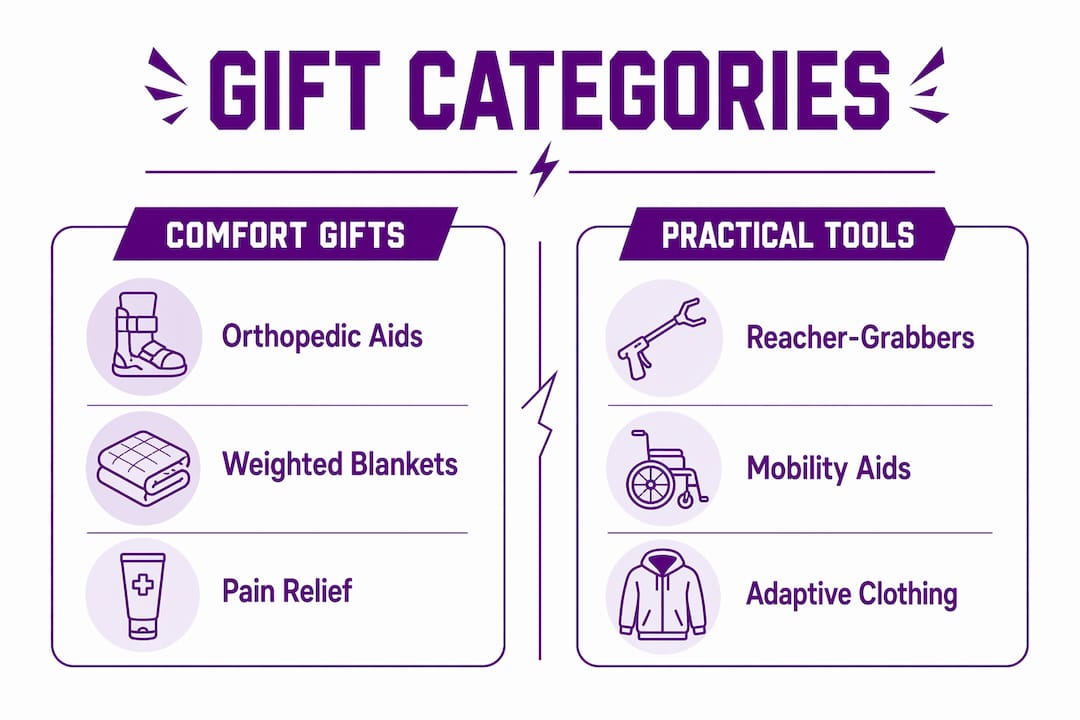
Bone fracture recovery gifts are practical or comfort-focused items chosen specifically to support someone healing from a broken bone. The term covers a broad range of products, from orthopedic pillows and reacher-grabber tools to noise-canceling headphones and adaptive clothing. What separates a true recovery gift from a standard get-well basket is specificity. A gift that addresses a real mechanical barrier, like difficulty dressing with a cast or sleeping without pain, shows far more care than flowers or candy. You can find thoughtful gift ideas that combine comfort and practicality in one package.
What are the best comfort gifts for arm fracture pain relief?
Comfort gifts address the physical side of recovery. For arm and shoulder fractures, proper positioning during sleep is the most overlooked need.
Orthopedic pillows and wedge supports
Orthopedic-grade pillows with multi-strap or adjustable wedge systems prevent harmful arm rotation during recovery. This matters most during the critical 4–6 week post-surgical period, when the repair is most vulnerable to stress. Standard foam pillows collapse and slide, which worsens symptoms and disrupts sleep. Products designed with input from orthopedic surgeons and physical therapists deliver measurably better support.
The RangeMaster Shoulder Sleeper Pillow is one example of a specialist product that locks the arm in a neutral position, reducing recurring nighttime pain. This level of design is what separates a genuinely useful comfort gift from a well-meaning but ineffective one.
Pro Tip: Skip the standard bed pillow or rolled-up towel. A purpose-built orthopedic wedge pillow costs $40–$80 and prevents the kind of nighttime repositioning that can set recovery back by days.
Weighted blankets and self-care items
Weighted blankets provide comfort without excessive heat and aid sleep for patients experiencing pain and restricted mobility. They contribute to both physical relaxation and emotional ease during long healing phases. Pair a weighted blanket with soothing soy wax candles or a spa-style gift set for a comfort package that addresses multiple needs at once.
Key comfort gift ideas for arm fracture recovery include:
Adjustable orthopedic arm sling pillow with multi-strap support
Wedge pillow for elevated sleep and swelling reduction
Weighted blanket (ideally 10–15 lbs for adults)
Soy wax candles with calming scents like lavender or eucalyptus
Cooling gel packs designed for post-surgical swelling
Which practical tools improve daily independence during recovery?
Restricted mobility creates a specific kind of frustration. Simple tasks, like picking up a dropped phone or opening a water bottle, become genuinely difficult. Gifts that solve these mechanical barriers show deeper empathy than any decorative item.
Reacher-grabbers and mobility aids
Reacher-grabber tools are among the most used recovery aids, enabling independence in accessing everyday items without bending or twisting. Their simple utility reduces the need for constant assistance, which matters enormously for a patient’s sense of dignity and self-sufficiency. For elderly fracture patients especially, this kind of independence is not just convenient. It is emotionally restorative.
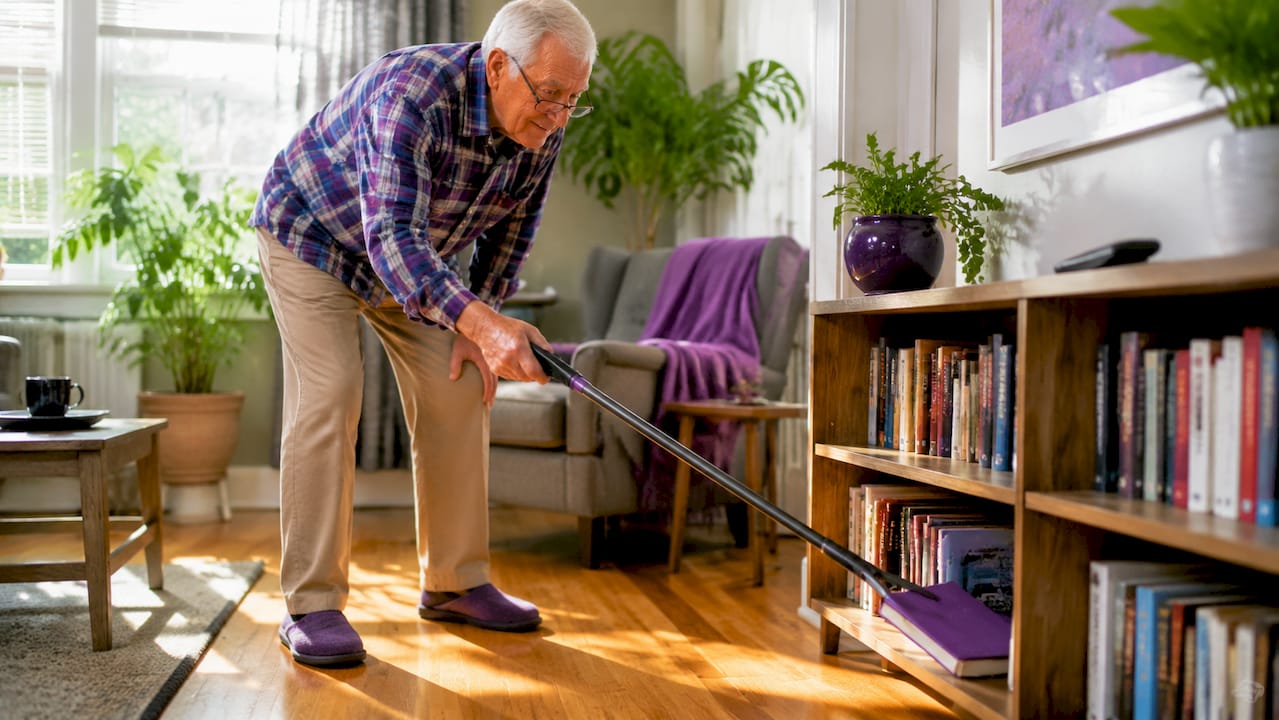
Pro Tip: Buy a reacher-grabber with a rotating jaw and a non-slip grip pad. Budget versions with fixed jaws are harder to use one-handed, which defeats the purpose for arm fracture patients.
Everyday convenience gifts
The best practical gifts for broken bones are the ones patients use every single day. Consider these options:
Reacher-grabber tool (19-inch or 32-inch depending on mobility level)
Easy-sip water bottle with a one-handed flip lid
Waterproof cast cover for showering (available for arm and leg casts)
Crutch bag or walker caddy for hands-free carrying
Button hook and zipper pull tool for independent dressing
Non-slip grip socks for fall prevention
Each of these items directly addresses a daily frustration. Together, they form a recovery care package that a patient will reach for every morning.
How can entertainment and mental wellness gifts support emotional healing?
Physical healing takes weeks. The emotional side of recovery, the boredom, the anxiety, the loss of routine, is just as real. Reacher-grabbers and entertainment technologies like noise-canceling headphones both improve daily independence and mental well-being during weeks of restricted activity. Addressing both sides of recovery is what makes a gift truly thoughtful.
Here are the most effective entertainment and wellness gifts, ranked by impact:
Noise-canceling headphones (Sony WH-1000XM5 or Bose QuietComfort 45): These allow patients to listen to audiobooks, podcasts, or music without straining to hear over household noise. They are especially valuable for elderly patients who may have hearing sensitivity.
Smart speaker (Amazon Echo or Google Nest): Hands-free control of music, timers, calls, and smart home devices is a genuine quality-of-life upgrade for someone with limited arm use.
Audiobook or streaming subscription (Audible, Spotify, or Netflix gift card): Content keeps the mind active during long rest periods. A three-month subscription costs less than most physical gifts and delivers daily value.
Journal and creative supplies: Journals and creative supplies support emotional expression, which is critical for coping with long recovery periods. They encourage mindfulness and help patients process the healing experience without needing to talk about it.
Spa-style gift set: A curated set with bath salts, a loofah mitt, and a scented candle gives patients a way to feel cared for and pampered, even while stuck at home.
How to select gifts based on age, injury type, and recovery stage
Selecting gifts for an elderly fracture patient requires different thinking than choosing for a younger adult. Age, injury location, and recovery phase all shape what is actually useful.
Factor | Elderly Patient | Younger Adult |
Injury type | Hip or wrist fractures are most common; prioritize fall prevention and ease of use | Arm and leg fractures from sports or accidents; prioritize independence and activity |
Mobility level | Often more limited; walker caddies, non-slip socks, and easy-grip tools matter most | More mobile; reacher-grabbers, cast covers, and entertainment gifts work well |
Recovery stage (acute) | Comfort and pain relief first: orthopedic pillows, weighted blankets, easy-sip bottles | Same priority, but add entertainment to manage energy and restlessness |
Recovery stage (rehab) | Light activity aids, resistance bands approved by their physical therapist | Fitness trackers, resistance tools, or hobby kits to rebuild routine |
Emotional needs | Connection and reassurance; consider phone stands for video calls | Stimulation and distraction; streaming subscriptions and creative kits |
For arm fracture recovery specifically, the gift ideas that land best are those that restore one-handed independence. A waterproof cast cover, a one-handed can opener, and a thoughtful gift set for broken arms combine practicality with genuine care.
Timing also matters. In the first two weeks, prioritize comfort and pain relief. From weeks three through six, shift toward independence tools and entertainment. In the rehabilitation phase, consider items that support gentle activity and rebuilding routine.
Comparing gift categories: cost, effectiveness, and practical value
Not every budget allows for everything. This table helps you weigh your options clearly.
Gift category | Price range | Practical value | Emotional impact |
Orthopedic comfort aids | $40–$120 | Very high for sleep and pain relief | Moderate |
Practical independence tools | $10–$50 | Very high for daily tasks | High (restores dignity) |
Entertainment and wellness | $20–$150 | High for mental engagement | Very high |
Self-care and spa sets | $25–$80 | Moderate for relaxation | High |
Adaptive clothing | $40–$100 | Very high for dressing independence | High |
The most effective approach is to combine one comfort aid, one practical tool, and one entertainment or wellness item. That combination covers the physical, functional, and emotional dimensions of recovery without overspending. You can also explore unique healing gifts that blend multiple categories in a single purchase.
Key takeaways
The most effective bone fracture recovery gifts combine physical comfort, daily independence, and emotional support to address every dimension of the healing process.
Point | Details |
Define the gift’s purpose | Choose items that solve a specific daily challenge, not generic get-well gestures. |
Prioritize comfort for sleep | Orthopedic pillows and weighted blankets address the most disruptive part of recovery. |
Restore independence | Reacher-grabbers and one-handed tools reduce frustration and reliance on others. |
Match the gift to the patient | Elderly patients need ease-of-use; younger adults benefit from entertainment and activity aids. |
Combine categories for impact | One comfort item, one practical tool, and one wellness gift covers all recovery dimensions. |
What I have learned about giving gifts that actually help
Recovery gifts are one of those areas where good intentions and good outcomes rarely overlap. I have seen people spend $60 on a fruit basket for someone who cannot lift their arm to reach it. I have also seen a $15 reacher-grabber change someone’s entire day.
The gifts that matter most during fracture recovery are the ones that give patients a small piece of their life back. That is not a sentimental idea. It is a practical one. When someone can pick up their own phone, pour their own water, or get dressed without asking for help, their whole emotional state shifts. The helplessness lifts a little.
My honest recommendation: skip anything decorative. Focus on one item from each of these three categories: something that helps them sleep, something that helps them move, and something that keeps their mind engaged. That combination works for almost every patient, at almost every age, at almost every stage of recovery.
The other thing I would say is this: do not underestimate adaptive clothing. Getting dressed is one of the first things patients struggle with and one of the last things people think to address with a gift. A well-designed adaptive sweatshirt or pair of pants can restore a sense of normalcy that no candle or card can match.
— Fracture
Recovery wear that makes every gift better
When you are putting together a recovery gift, clothing is the piece most people forget. Fracture-club designs adaptive wear specifically for people healing from fractures and upper limb injuries.
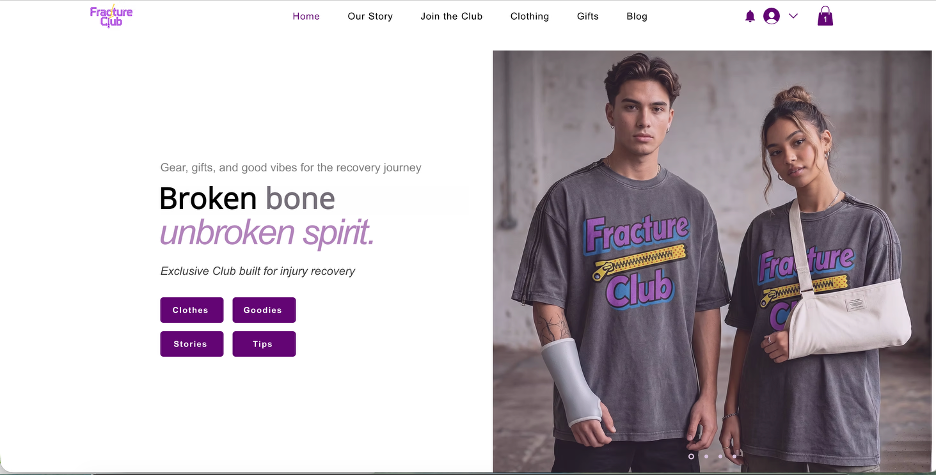
The adaptive recovery sweatshirt is built for upper limb injuries, with an easy-on design that works around casts and slings. The magnetic zipper recovery pants use side magnetic closures so patients can dress independently, without asking for help. Both pieces are unisex and designed to feel like real clothes, not medical gear. A portion of every purchase supports the Bone Health & Osteoporosis Foundation. If you want one gift that combines function, comfort, and dignity, adaptive wear from Fracture-club is the place to start.
FAQ
What are bone fracture recovery gifts?
Bone fracture recovery gifts are practical or comfort-focused items chosen to support someone healing from a broken bone. They include orthopedic pillows, reacher-grabbers, entertainment subscriptions, and adaptive clothing.
What are the best comfort gifts for an arm fracture?
The best comfort gifts for arm fracture recovery are orthopedic arm sling pillows, waterproof cast covers, and one-handed water bottles. These address the most common daily frustrations without requiring two functional arms.
How do I choose gifts for an elderly fracture patient?
Selecting gifts for an elderly fracture patient means prioritizing ease of use and fall prevention. Non-slip grip socks, walker caddies, and easy-grip reacher-grabbers are the most practical choices for older adults with limited mobility.
When should I give recovery gifts after a fracture?
Give comfort and pain relief gifts in the first two weeks. Shift to independence tools and entertainment from weeks three through six, then consider activity or hobby gifts during the rehabilitation phase.
Are adaptive clothing items good recovery gifts?
Adaptive clothing is one of the most practical and overlooked recovery gifts. Items with magnetic closures or easy-on designs restore dressing independence for patients with casts, slings, or limited arm mobility.
Recommended
Comments