
Caregivers' Short Beach Plan for an Arm Cast with Liner vs Cover


A beach trip with an arm cast is possible for many people, but it comes down to one thing: what your clinician says about water exposure for your specific cast. Standard casts must stay dry, while some waterproof liners allow limited water contact. Sand, moisture, and heat are your biggest hazards either way, so plan around your clinician’s answer, not around what feels fine in the moment.
TL;DR:
A waterproof liner specifically approved by a clinician is necessary for any planned water exposure, as store-bought covers are only suitable for splashes.
Water can seep through seams in improvised covers, trapping moisture and increasing infection risk, especially if padding becomes damp or the cast feels soft.
Natural water sources like oceans, lakes, and rivers pose higher contamination risks and can trap sand and debris against the skin, unlike controlled pool environments.
Activities such as seated games or shoreline walks are low-risk options that keep the cast dry, but swimming or wading require prior clinician approval and proper waterproofing.
Signs to watch for include soft spots, foul odors, swelling, or circulation issues, which require immediate medical attention to prevent cast damage or skin complications.
Table of Contents
Quick beach checklist for a cast-safe outing
Before you pack the cooler, get clear answers from your clinician about what your cast can handle. A written note or a quick phone confirmation of your cast’s water rules saves confusion later, especially if a lifeguard or a worried relative asks.
Once you know your limits, the rest is logistics.
Bring your clinician’s written instructions or a note confirming your cast’s water rules.
Set up shade, a low chair, clean towels, a sealable bag for wet items, and spare padding or ice packs.
Choose adaptive clothing that eases dressing and avoids tugging around the cast.
Plan for a short, shaded visit and a clear, stable path to and from the car.
Keep the visit modest in scope. A brief outing with a shaded setup is safer than a full day that risks a soaked cast and a late-night call to the clinic.
Protecting a cast from water, sand, and heat
Not all “waterproof” claims mean the same thing, and mixing them up is the most common mistake at the beach. A clinician-applied waterproof liner is a specific medical setup designed to handle submersion, and even then it comes with limits on time and location, according to WashU Medicine’s cast care guidance. A store-bought cast cover or sleeve, by contrast, is built to block splashes and incidental moisture, not to survive being dunked in the ocean.
Improvised solutions like plastic bags and tape are unreliable for anything beyond a quick splash. Water tends to seep in at the seams, and once it does, it gets trapped against the skin with nowhere to evaporate, which is worse than no cover at all.
If your cast does get wet, don’t wait it out. Dry the outside gently, follow your clinician’s specific instructions for airing it out, and call if the padding underneath stays damp or the cast starts to feel soft.
A clinician-approved waterproof liner allows planned water exposure; a standard cast cover does not.
Plastic bags and tape are not reliable for submersion and can trap moisture inside.
Wet padding, softness, or a musty smell means it’s time to call your clinician.
Pools are generally lower risk than natural water because oceans, lakes, and rivers can trap sand and organic debris against the skin, according to Children’s Hospital of Pittsburgh’s waterproof cast guidance.
Pro Tip: Keep a dry towel folded between the cast and any sandy surface, chair, or towel you sit on. It’s a small habit that prevents most sand-related irritation.
Beach activities that keep your cast safe and dry
You don’t need to sit under the umbrella the entire time to have a good day. Plenty of beach activities work around an arm cast without putting it anywhere near water or sand.
Play seated games like cards, beach ball tosses, or simple crafts that keep both feet planted and the cast away from the ground.
Take a boardwalk or shoreline walk instead of wading, which keeps your footing steady and your cast completely dry.
Wade in shallow water only if your clinician has approved it and you have a waterproof liner fitted for that purpose.
For kids, pack lightweight toys and consider a water-safe bath book for shore-side play that never requires getting the cast wet, as ActiveForLife notes for adapted, low-impact play.
Caregivers can lower fall risk by carrying less gear per trip, using a low beach chair for easy sit-down transfers, and steering clear of rocks or soft, sinking sand where a stumble is more likely.
Warning signs that mean it’s time to stop and call your clinician
Know these signs before you head out, not after something feels off. Fingers that turn blue, pale, or cold, along with severe swelling or a sudden loss of movement, point to a circulation problem that needs immediate attention.
New or worsening sharp, burning, or stinging pain is never something to wait out. Cast damage matters just as much: soft spots, cracks, drainage, or a foul odor all signal it’s time to get checked, according to Mayo Clinic’s cast care guidance.
Blue, pale, or cold fingers, or severe swelling
New or worsening sharp or burning pain
Soft spots, cracks, drainage, or a foul smell from the cast
A wet or damaged cast can soften and lose the support it’s meant to provide, according to Mayo Clinic, which is exactly why any of these signs mean you elevate the arm, loosen anything constricting, and call your clinician or emergency services right away.
Dressing tips that make beach days easier
Getting dressed for the beach with an arm cast is often more frustrating than the beach itself. Narrow sleeves catch on the cast, zippers get stuck, and every tug puts pressure exactly where you don’t want it.
[

](https://fracture-club.com/product-page/fracture-club-magnetic-shoulder-zip-tee-injury-recovery-wear)
Easy-on/off tops with magnetic or zipped closures solve most of that friction, since they open flat instead of requiring you to force an arm through a tight opening. Roomy sleeves also help keep the cast cooler and better shielded from sunscreen residue and blowing sand.
A few packing habits make a real difference:
Pack a spare sleeve or lightweight cover in case the first one gets sandy or sunscreen-stained.
Bring a quick-dry towel dedicated just to cast care, separate from your swim towel.
Choose fabrics that sit loosely over the cast rather than pulling tight across it.
None of this waterproofs a cast. Clothing choices reduce friction and discomfort, but your clinician’s rules about water exposure still govern the day. For more on sizing and fabric choices, see our guide to sizing clothes over a cast.
Balancing recovery with a little bit of normal life

Wanting a beach day while healing isn’t reckless, it’s human. The rule stays the same though: clinician approval on water exposure decides what’s allowed, full stop.
A short, well-planned outing with shade and a dry cast can lift your mood without slowing your healing. If you want more tips from people who get it, Fracture Club’s community resources are there for exactly that.
— Fracture
Making dressing easier for your next outing
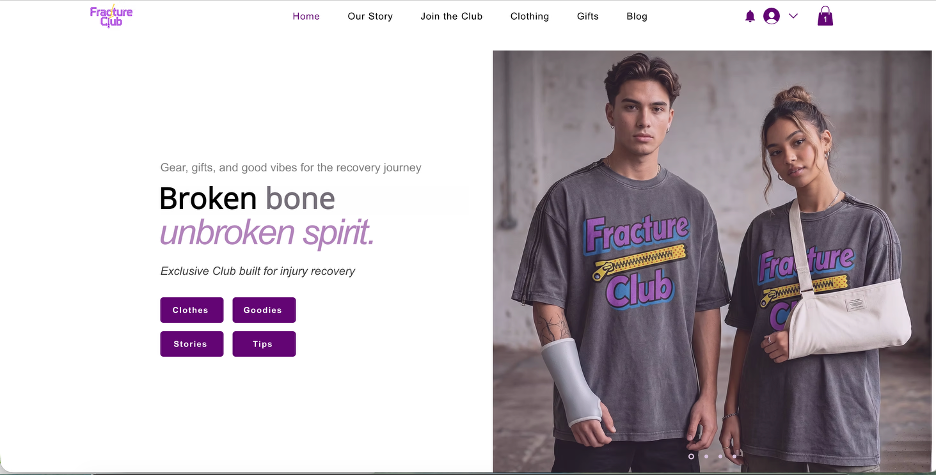
Getting ready for a beach day shouldn’t be the hardest part of your morning. Fracture Club designs recovery wear specifically for people healing from a cast or brace, with magnetic and zipped closures that let you dress without forcing an injured arm through a tight sleeve.
[
](fracture-club.com)
That matters more at the beach than almost anywhere else, where quick changes, sandy hands, and a tired arm make ordinary clothing a hassle.
Easy-on/off designs cut down on tugging and pulling near the cast.
Magnetic and zipped closures work even when one hand is doing all the work.
Fracture Club supports the Bone Health & Osteoporosis Foundation.
Browse recovery wear and gifts at Fracture Club to find something that makes the next outing a little easier, or check sizing guidance for adaptive pants before you pack.
Sources
The guidance above draws on clinical patient education, not general advice, and your treating clinician’s specific instructions always take priority over anything you read here.
This article is general information, not a substitute for advice from a qualified doctor. Consult a qualified healthcare professional about your own circumstances before acting on anything here.
FAQ
Can you swim with your arm in a cast?
Only if your clinician has fitted a waterproof liner and specifically approved swimming for your injury. Standard casts must stay dry, and even approved liners come with limits on time and location, according to WashU Medicine.
How do you protect a cast at the beach?
Use a clinician-approved waterproof liner or cast cover rather than an improvised plastic bag, which tends to let water in at the seams. Set up shade, a barrier towel between the cast and sandy surfaces, and a sealed bag for anything that gets wet.
What happens if you swim with your cast on?
A standard cast that gets wet can soften, lose its supportive structure, and trap moisture against the skin, raising the risk of irritation or infection, according to Mayo Clinic. Warning signs afterward include a foul odor, soft spots, or new numbness, all of which mean a call to your clinician.
Can you go swimming with a fractured arm?
It depends on your cast type and your clinician’s approval, not on the fracture itself. Some clinicians fit waterproof liners that allow limited swimming, while others require the cast to stay completely dry throughout healing.
Recommended
Comments