
Five Minute Clinician Backed Recovery Journal Prompts for Injury


The most useful recovery journal is a short daily log that mixes factual tracking (pain, meds, mobility) with one targeted emotional prompt and a weekly SMART-goal review. This structure is backed by research on therapeutic writing for pain-related recovery, and it works alongside tools like Fracture Club that make the daily routine around it a little easier.
TL;DR:
Maintaining a short daily journal tracking pain, medication, sleep, and mood helps identify patterns and supports ongoing recovery.
Weekly SMART goals should be specific, measurable, and tied to a target date, with plans for overcoming barriers and celebrating small wins.
Emotional prompts, such as gratitude or fears, combined with factual logs, improve emotional processing without fostering rumination.
Structured writing with prompts and reflection can provide modest pain relief and functional gains when supported by clinicians.
Using recovery wear with easy dressing features and pairing journal routines with calming comforts can make the process more manageable and consistent.
Table of Contents
Prompt sets for every stage of your recovery
You do not need a fancy notebook or a complicated system. You need prompts that meet you where you are, whether that is day three after surgery or week twelve of physical therapy. Here are six sets you can copy directly into a notebook, a notes app, or a printable page.
Daily check-in. Keep this short enough to finish in under five minutes: date, pain level (0 to 10), medications taken, hours of sleep, mobility aids used that day, and one sentence describing your mood.
Mobility and pain log. After any exercise or physical therapy session, note which exercise you did, how many sets or reps (or how many minutes), pain during and after, and one line on range of motion.
SMART rehab goals. Once a week, write down what you are working toward, how you will measure it, your target date, one barrier you expect, and a small reward for hitting a milestone.
Pacing and activity logs. Before a planned activity, jot the time you expect it to take and when you will rest. Afterward, record the actual time spent and how your body responded.
Emotional-processing prompts. Try writing a short letter to your injury, naming one thing you are grateful for today, or identifying one fear alongside one action you can take to manage it.
Caregiver prompts. If you are supporting someone else’s recovery, log what you noticed changed today, what assistance you provided, and any questions to bring to the next clinician visit.
Daily check-in: pain, meds, sleep, mobility aids, one-sentence mood.
Mobility log: exercise, reps or time, pain during/after, range-of-motion note.
SMART goal: target, measurement, date, barrier, reward.
Pacing log: planned time, rest breaks, actual time, pain response.
Emotional prompt: letter to the injury, gratitude line, fear plus coping action.
Caregiver prompt: observed changes, assistance given, questions for the clinician.
Pro Tip: Keep a single page per week so you can scan pain trends and mood shifts at a glance before your next appointment.
How to build a journaling routine that actually sticks
A journal only helps if you keep it up, and the good news is that consistency matters more than length. Aim for five minutes of daily entries, fifteen minutes for a weekly review, and a short summary before any clinician visit.
Paper notebooks are private and low-tech, which some people find calming. Digital notes sync across devices and are easy to search. A structured printable page, with boxes for pain, meds, and mood, removes the guesswork on hard days when writing full sentences feels like too much.
Write your daily check-in each evening or right after physical therapy.
Every week, review pain trends, function changes, and how often you kept up with your home exercise program.
Before appointments, summarize the pattern in a few lines: pain trend, function changes, adherence, and specific questions.
Watch for red flags that mean you should contact your clinician or seek urgent care: sudden worsening pain, signs of infection like fever or spreading redness, or new numbness, tingling, or weakness.
What the research says about writing through recovery
Therapeutic writing is not just a feel-good exercise. A systematic review of writing interventions for chronic pain found that when writing is scaffolded, meaning it has a prompt, a time limit, and a follow-up reflection, it improves emotional processing and can produce modest short-term gains in pain and function for some patients.
The review also found that structured, therapist-supported digital writing programs reduced pain catastrophizing and sustained functional improvements over several months for some participants, which supports pairing a private journal with occasional clinician check-ins rather than writing in isolation.
The key is balance. Clinicians recommend mixing factual tracking with emotional prompts so journaling does not spiral into rumination. A practical session might look like fifteen minutes of writing, five minutes of reflection, and an optional note to bring to your clinician.

Turning vague hopes into SMART rehab goals
“I want to feel better” is not a goal your physical therapist can act on. SMART goals fix that by asking you to be specific, measurable, achievable, relevant, and time-bound, a structure VA rehabilitation guidance recommends for pain and injury recovery.
Instead of “walk better,” try “walk to the mailbox unassisted by [date].” Instead of “do my exercises,” try “complete my home exercise program four times this week.”
Turn one vague hope into a SMART goal each week: what, how measured, target date.
Write an if-then plan for your biggest barrier, such as “if pain spikes past a 6, then I rest and ice for twenty minutes.”
Note one setback and one adjustment rather than treating a bad day as failure.
Celebrate small wins in writing, since VA guidance links early, frequent goal review to better adherence.
A note from someone who has been there
Journaling during recovery is not about writing something beautiful. It is about giving yourself five honest minutes, a comfortable spot, maybe a warm drink, and clothing that does not fight you when you sit down to write. Treat it as a small ritual, not another task on your to-do list. For more on protecting your sense of self through a long recovery, readers often turn to reflections on identity alongside their daily entries.
— Fracture
Small comforts that make journaling easier
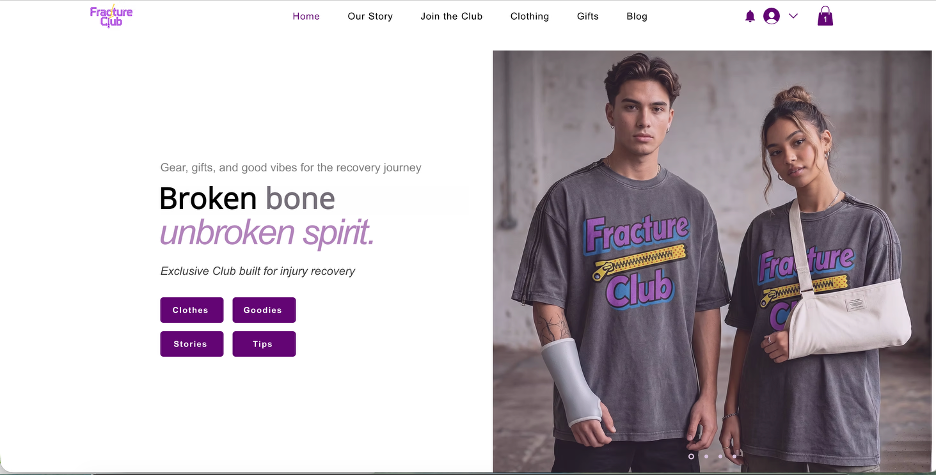
Sitting down to write is harder when getting dressed or getting comfortable is its own struggle. Some recovery wear features magnetic and zipped closures so dressing around a cast or brace does not eat into the time and energy you have left for reflection. These pieces are a complement to your care, never a replacement for it.
[
](fracture-club.com)
Browse recovery wear and gifts built for easier dressing and daily comfort during healing.
Try the adaptive recovery pants with side magnetic zippers for a comfortable, low-friction seat while you journal.
Pair your notebook routine with small comforts from Well In Spirit, which stocks calming rituals like tea and candles.
Sources
These recommendations draw on VA goal-setting guidance for pain rehabilitation, CBT-based pacing worksheets, and a systematic review of therapeutic writing for chronic pain and injury recovery. A coach-guided expressive writing study also informed the emotional-processing prompts above.
This article is general information, not a substitute for advice from a qualified doctor. Consult a qualified healthcare professional about your own circumstances before acting on anything here.
FAQ
How often should I write in a recovery journal?
Most people do well with a short daily check-in of a few minutes plus a longer weekly review of about fifteen minutes. This cadence keeps the habit sustainable while still giving you enough detail for a useful clinician summary.
What should I write about my pain each day?
Track your pain level on a simple 0 to 10 scale along with what you were doing when it changed and any medication you took. Pairing this factual log with one emotional prompt helps you process feelings without losing the concrete data your care team needs.
Can journaling replace physical therapy or medical care?
No, journaling supports your care but does not replace it. Research on therapeutic writing for chronic pain shows benefits when writing is combined with multimodal care such as physical therapy, not used on its own.
What if writing about my injury makes me feel worse?
Set a time limit on emotional prompts, such as fifteen to twenty minutes, and shift to factual tracking or a gratitude line if distress rises. If low mood or anxiety persists, bring your journal entries to a clinician or therapist rather than writing through it alone.
How can caregivers use a recovery journal?
Caregivers can log observed changes in mobility or mood, note what assistance they provided, and jot questions for the next clinician visit. This creates a clear record that helps the care team understand day-to-day patterns the patient might not think to mention.
Recommended
Comments