
Vitamin K2 for Bones: What the Research Shows


Vitamin K2 helps your body switch on osteocalcin, a protein that binds calcium in bone. Trials suggest it may support spine bone density, but the fracture evidence is still mixed. If you take warfarin or another blood thinner, talk to your doctor before you add any vitamin K supplement. Fish oil and omega-3s have a weaker record for bones.
If you are healing from a fracture, you have probably already been told to think about calcium and vitamin D. K2 is the next name that keeps coming up. This guide explains what it does, what the studies found, where to get it, and how to talk it through with your care team.
TL;DR
Vitamin K helps activate osteocalcin, a bone protein that binds calcium. The K2 form called MK-7 appears to do this at doses close to the recommended intake.
Meta-analyses link K2 to better lumbar spine bone density. Fracture results are less consistent, so treat K2 as one supporting piece, not a standalone fix.
Natto, leafy greens and some cheeses supply vitamin K. Adequate intake is 120 mcg a day for adult men and 90 mcg for adult women.
Warfarin works against vitamin K. If you take it, keep your intake steady and ask your clinician before supplementing.
Large trials found no fracture benefit from fish oil supplements, so food-first omega-3s are the better bet.
Table of Contents
What vitamin K2 actually does in your bones
Bone is living tissue. Cells are always breaking down old bone and building new bone, and certain proteins need vitamin K to do their jobs. The NIH Office of Dietary Supplements explains that vitamin K acts as a coenzyme for an enzyme needed to make proteins involved in blood clotting and bone metabolism.
The bone protein most often discussed is osteocalcin. Cleveland Clinic notes that vitamins K1 and K2 help activate osteocalcin, which binds to calcium and supports bone strength. Without enough vitamin K, osteocalcin stays “uncarboxylated,” meaning it is not fully switched on. That is why many studies track carboxylated and uncarboxylated osteocalcin as markers.
A useful way to picture it: calcium is the building material, and vitamin K-dependent proteins are part of the crew that puts it where it belongs. Calcium and vitamin D still matter. K2 is not a replacement for them. If you want the vitamin D side, our guide to when vitamin D raises bone strength after a fracture covers it. For a food-based look at calcium, see our calcium-rich diet guide.
K1 vs. K2, and MK-4 vs. MK-7
Vitamin K is a family, not a single nutrient.
K1 (phylloquinone) is found mainly in leafy greens.
K2 (menaquinones) is found in fermented foods such as natto and in some cheeses, according to Cleveland Clinic.
Within K2, two forms show up on supplement labels: MK-4 and MK-7. A 2020 review in PMC reports that MK-7 can promote gamma-carboxylation of osteocalcin and matrix Gla protein at a nutritional dose around the RDI, helped by higher bioavailability and a longer half-life. The same review reports that MK-7 at roughly 90 to 180 mcg a day promoted osteocalcin carboxylation, while MK-4 needed a much higher dose, 600 to 1,500 mcg a day, because it is short-lived in the body and poorly absorbed.
That difference explains why so many labels list MK-7 at a few hundred micrograms or less, and why some research programs use much larger MK-4 amounts. When you compare products, check the form and the amount per serving, and bring the label to your appointment.
What the studies say about bone density and fractures
This is the part where honest reading matters. The research is encouraging, and it is not uniform.
Bone density
A 2022 meta-analysis in Frontiers in Public Health pooled 16 randomized trials with 6,425 participants. It found that vitamin K2 significantly improved lumbar spine bone mineral density (P = 0.006 across 10 studies). A 2024 meta-analysis in PMC reached a similar place: vitamin K supplementation increased lumbar spine BMD and shifted osteocalcin markers in the expected direction, with K2 showing effects on maintaining or raising spine density.
Not every site responded the same way. A 2022 analysis in PMC found a non-significant association between vitamin K and femoral BMD (p = 0.08). In plain terms, the spine signal is stronger than the hip signal so far.

Fractures
The fracture picture depends on which analysis you read:
Analysis | What it reported |
No significant fracture difference across six trials; after excluding one heterogeneous study, a significant reduction (RR 0.43) | |
Lower odds of vertebral fracture (OR 0.42) and clinical fracture (OR 0.44) versus control | |
Low vitamin K is linked to lower BMD and more fractures, but supplementation has not shown definitive fracture prevention |
The 2025 review also points out that studies differ in dose, duration and form (K1, MK-4, MK-7), which likely explains part of the inconsistency, and that vitamin K is widely prescribed in Japan as an approved osteoporosis medication.
What this means for you: K2 looks like a promising supporting nutrient, especially for the spine. It works best alongside the basics your care team already recommends: adequate calcium and vitamin D, movement, and any prescribed treatment. For a wider look at how these pieces fit, our bone health supplements checklist and guide to choosing supplements wisely are good next reads.
If you want a plain-language overview from a bone-focused wellness clinic, this page on vitamin K2 and osteoporosis walks through how K2 relates to osteocalcin activation and bone metabolism.
Getting vitamin K from food
Food is the easiest place to start, and it comes with other nutrients your bones use. The NIH lists these amounts per serving in its Health Professional Fact Sheet:
Food | Serving | Vitamin K |
Natto (as MK-7) | 3 ounces | 850 mcg |
Collards, frozen, boiled | 1/2 cup | 530 mcg |
Turnip greens, frozen, boiled | 1/2 cup | 426 mcg |
Spinach, raw | 1 cup | 145 mcg |
Kale, raw | 1 cup | 113 mcg |
Note that collards, turnip greens, spinach and kale are mainly K1 sources. Natto is the standout K2 food, and it has a strong flavor and sticky texture that not everyone enjoys. Cleveland Clinic also lists certain cheeses among K2 foods.
How much do you need? The NIH consumer fact sheet gives 120 mcg a day for adult men and 90 mcg for adult women, with 90 mcg for pregnant or breastfeeding women. One cup of raw spinach already covers most of a woman’s daily amount, so many people reach the target through greens alone.
Simple ways to add it
Add a cup of spinach or kale to a smoothie, omelet or soup.
Keep frozen greens on hand. They are quick to steam and easy to portion, which helps when cooking is hard with a cast or brace.
If you like natto, start with a small portion over rice.
Pair greens with a little fat, such as olive oil, since vitamin K is fat-soluble.
Vitamin K2 supplements: doses and safety
If your clinician agrees a supplement makes sense, the research above gives you reference points. MK-7 studies in the 2020 review used amounts near the current recommended intake, about 90 to 180 mcg a day. Some products sell far higher doses. Higher is not automatically better, and the right amount depends on your health and medications.
On general safety, the Linus Pauling Institute states that no toxicity has been associated with high doses of K1 or K2 and no tolerable upper intake level has been set, although allergic reactions are possible. That does not mean everyone can take any amount, as the next section explains.
If you take warfarin or another blood thinner
This is the one place to slow down. The NIH states that warfarin and some other anticoagulants antagonize vitamin K activity, so people taking them need consistent vitamin K intake. The NCCIH advises that if you take a blood thinner such as warfarin, you should talk to your health care provider before taking any supplement that contains vitamin K.
Practically, that means:
Do not start, stop or change a K2 supplement without telling the clinician who manages your blood thinner.
Keep your leafy green intake steady from week to week rather than swinging between none and a lot.
Check multivitamins too. Many contain vitamin K.
After a fracture or surgery, blood thinners are common, so ask at your next visit even if you are not sure which medication you were given.
What about fish oil and omega-3s for bones?
People searching for K2 often ask about fish oil too. The strongest evidence here is from a large U.S. trial. In the VITAL ancillary study of 25,871 adults, 1 g a day of marine omega-3s had no effect on total, nonvertebral or hip fractures. A small whole-body density difference appeared in a subgroup, but there was no effect on spine or hip density. The DO-HEALTH trial likewise found that omega-3s at 1 g a day gave no areal BMD benefit over three years in adults aged 70 and older.
Food looks like the better route. Cleveland Clinic notes that fish is rich in vitamin D and omega-3s, and eating more fish is associated with lower osteoporosis risk. Herring, mackerel, salmon, sardines, trout and tuna are on its list. Tufts scientist Alice Lichtenstein told AARP that the strongest fish oil evidence comes from people who get omega-3s from food rather than supplements.
If you do take fish oil for other reasons, the same AARP piece reports that health officials recommend no more than 5 grams a day of EPA and DHA combined from supplements. Mention it to your doctor if you take blood thinners or have surgery coming up.

A realistic daily plan for bone support
Supplements get the attention, but daily habits carry much of the weight. Here is a simple framework to bring to your care team:
Start with food. Greens at most meals, fish twice a week if you eat it, dairy or fortified alternatives for calcium.
Check your vitamin D. Your lab numbers can guide this. Our guide to reading bone health lab results explains the common ones.
Move as your clinician allows. Once you are cleared, a weight-bearing exercise routine gives bones the load they respond to.
Ask about K2 specifically. Bring the product label, mention every medication, and ask whether it fits your plan.
Protect against the next fall. Our daily habits for reducing fracture risk after 50 are practical and small.
If you are over 50 or have had a low-impact fracture, ask about screening as well. See our overview of bone health screening for what to expect.
Perspective
We started Fracture Club because recovery can leave you stuck between feeling like a patient and feeling like yourself. Nutrition is a real part of healing, and it is easy to feel pulled into a rabbit hole of capsules, powders and promises. Our view is simple. Build the foundation first: food, vitamin D, calcium, movement and the treatment your care team prescribes. Treat nutrients like K2 as one thread in that plan, and make the decision with a clinician who knows your medications. Healing also happens in small daily moments, like getting dressed without a struggle. That is why our recovery wear is designed around easy dressing with magnetic fastenings and zippers, so a cast or brace does not take away your independence or your sense of style. A portion of our proceeds supports the Bone Health & Osteoporosis Foundation, because we want better bone health for everyone, not only our own customers. Fracture
Make recovery days a little easier
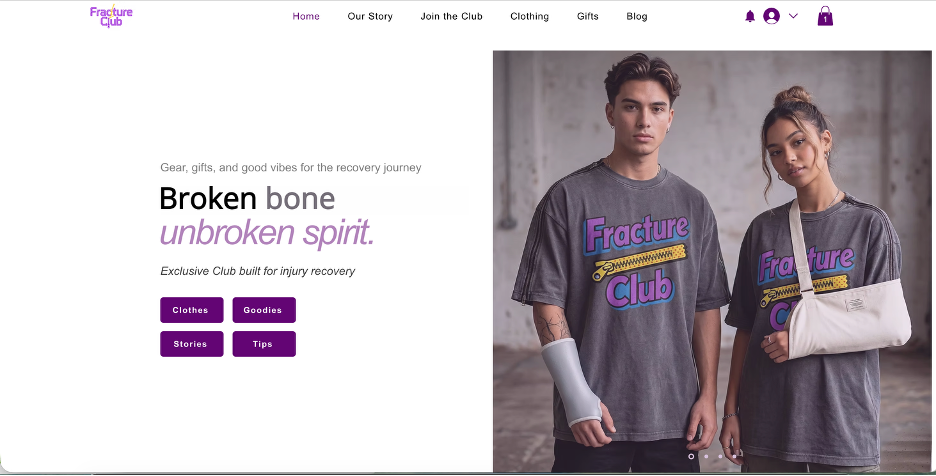
Bone health is a long game, and so is getting through a cast or brace. Our recovery wear is made for easy on and off, with magnetic and zipped closures that work around casts and braces, in everyday styles you will want to wear. Many members tell us small wins like this lift their mood, and we share stories from the community to help you feel less alone.
[
](fracture-club.com)
Browse the Fracture Club recovery wear and gifts, or start with the Unisex Easy-On/Off Adaptive Recovery Pants with side magnetic zippers. For an upper limb injury, the Magnetic Shoulder Zip Tee and the Easy-On/Off Sweatshirt are designed to make dressing simpler. Shopping for someone who is healing? Our gifts celebrate resilience and are a thoughtful way to say you are thinking of them.
FAQ
Which vitamin K2 form is best for bones?
MK-7 has the most support at everyday doses. A 2020 review reports it activates bone proteins at amounts near the recommended intake, about 90 to 180 mcg a day, while MK-4 needed much higher doses. Your clinician can help you choose a product and amount that suits you.
Can you take vitamin K2 with blood thinners?
Only with your prescriber’s guidance. Warfarin and some other anticoagulants work against vitamin K, so the NIH advises keeping vitamin K intake consistent. Talk to your doctor or pharmacist before starting, stopping or changing any supplement that contains vitamin K.
What foods are rich in vitamin K?
Natto is the highest, at 850 mcg in 3 ounces, and it is a K2 source. Cooked collards and turnip greens follow, then raw spinach and kale, which are K1 sources. Certain cheeses also provide K2.
Does fish oil help bones?
Large trials have not shown a fracture benefit from fish oil supplements. In the VITAL study, 1 g a day of marine omega-3s did not change total or hip fractures. Eating fish such as salmon, sardines or mackerel is the more supported way to get omega-3s.
Sources
NIH Office of Dietary Supplements: Vitamin K, Health Professional Fact Sheet
NIH Office of Dietary Supplements: Vitamin K, Health Professional Fact Sheet (food values, archived)
Efficacy of vitamin K2 in the prevention and treatment of osteoporosis (Frontiers in Public Health)
Effects of vitamin K supplementation on bone mineral density (PMC)
Effect of Vitamin K on Bone Mineral Density and Fracture (PMC)
The effects of marine omega-3 supplements on fractures and bone density (PubMed)
DO-HEALTH: Effects of vitamin D3, omega-3s, and a simple strength exercise program
Recommended
Comments