
5 Step Safe Dressing Routine for Caregivers of People With a Cast


Dress the injured limb first and undress it last, choose loose or front-opening garments over anything you have to pull over the head, and keep the cast completely dry. Support the limb while you move it, never force a sleeve or pant leg past the cast, and never insert anything inside it to scratch an itch. We built Fracture Club around exactly this kind of moment, offering adaptive recovery wear designed to make these everyday tasks simpler.
TL;DR:
Using loose, front-opening clothing with wide or magnetic closures reduces handling and discomfort when dressing or undressing with a cast.
Support and elevate the limb during dressing routines, and avoid pulling clothing over the cast to prevent injury or displacement.
Waterproof covers are essential for showering, but casts should never be fully submerged; dry wet padding promptly and monitor for skin irritation.
Signs like persistent pain, numbness, or a loose or foul-smelling cast require immediate medical attention to prevent complications.
Adaptive recovery clothing with easy closures can significantly simplify dressing tasks, especially for swollen or sensitive limbs.
Table of Contents
How to dress someone with an arm cast
Getting dressed with a wrist, forearm, or upper-arm cast takes a little strategy, but it gets easier once you have a rhythm. Start by clearing a flat surface and laying out the outfit before you touch the person’s arm. Have them sit down, and rest the cast on a pillow so it is not hanging unsupported while you work.
Choose a button-front shirt or one with a wide, stretchy neckline so you avoid feeding the cast through a tight sleeve.
Slide the sleeve over the injured arm first, easing the fabric gently past the elbow and wrist rather than tugging it.
Bring the garment around the back and guide the unaffected arm through its sleeve last.
Fasten buttons or closures, adjusting the fit so nothing presses on the cast edges.
To undress, reverse the order: slip the unaffected arm out first, then carefully work the sleeve off the casted arm, supporting it the whole time so it never twists.
A few tools make this far easier:
A dressing stick to push or pull fabric without straining the shoulder.
An elastic loop or button hook for shirts with small buttons.
A non-slip mat on the seat to keep the person steady while dressing.
Pro Tip: Keep a few button-front shirts in rotation during recovery. Pullovers that seemed quick before can turn into a daily struggle once a sleeve has to clear a cast.
For more detailed, cast-specific suggestions, our guide on dressing with an arm cast walks through outfit combinations that hold up through a full day.
How to dress someone with a leg, ankle, or foot cast
Lower-limb casts change how pants, socks, and shoes fit, so plan for a seated dressing routine rather than standing balance. Have the person sit in a sturdy chair with both feet reachable, and keep the cast slightly elevated between steps if swelling is a concern.
Choose pants with a loose leg opening or a side-zip design, and gather the fabric before guiding it over the toes.
Ease the affected leg into the pant leg first, then bring the other leg through.
Pull the waistband up gradually, checking that no seam is pressing against the cast.
For socks, skip anything tight at the ankle. A loose crew sock, or one with the toe cut open for a foot cast, slides on without catching on rough cast edges. Footwear needs the same gentle approach:
Use a cast shoe or an open-back slip-on sandal built to fit over cast padding.
Avoid lace-up shoes that require forcing the foot into a fixed shape.
Check that straps secure the foot without squeezing the cast itself.
When a shower is coming up, a waterproof cover keeps everything dry, since the cast should never be submerged. Our leg cast clothing guide covers specific pant styles that work well through weeks of recovery.
What to look for in adaptive clothing for a cast
[

](https://fracture-club.com/product-page/fracture-club-magnetic-shoulder-zip-tee-injury-recovery-wear)
The right garment does most of the work for you. Button-front or snap-front tops, wide necklines, and side-zip or magnetic-zip pants all reduce the number of times you have to handle a sore limb, which matters more than it sounds like in the early weeks. Adjustable waistbands and generous sleeve or leg openings give the cast room without bunching fabric against tender skin.
Size up when you shop. A slightly larger fit accommodates swelling and layering, and lightweight fabric layers manage temperature changes without adding bulk around the cast. A shirt that fit perfectly before the injury may now be a daily frustration.
Choose magnetic or side-zip closures over buttons when hand strength is limited.
Pick fabrics with a little stretch to avoid snagging on rough cast edges.
Favor tops with dropped shoulders or wider cuffs on the uninjured side too, since dressing a cast often means loosening the whole outfit.
Dressing sticks and long-handled shoehorns help with existing clothes, but adaptive garments cut the number of steps entirely, which matters most when fatigue or pain limits how much maneuvering someone can tolerate. Our approach centers on easy-on, easy-off design with magnetic and zip closures built specifically for this stage of recovery, and our sizing guide for clothes over a cast walks through exact measurements.
Pro Tip: Try the garment on before buying a full set. A closure that looks simple in a photo can still be hard to manage one-handed.
A caregiver checklist for safe dressing every time
A quick routine before you start dressing someone prevents most problems before they happen.
Check in on pain level, and look at the skin around the cast edges for color changes, swelling, or warmth.
Confirm any recent wound dressing is intact and dry before covering it with clothing.
Seat the person in a stable chair at a height that lets you dress the limb without lifting it far.
Place a pillow under the cast for support throughout the process.
Move slowly, keeping the joint in a neutral position, and ask for a second person to help with transfers if the limb is heavy or hard to maneuver.
Keep a small kit nearby for these moments:
A pillow for support during dressing.
A dressing stick for sleeves and pant legs.
Loose, non-slip socks.
A waterproof cast cover for bathing days.
Never lift or pull the person by the cast itself. It is there to protect the bone, not to serve as a handle, and the VA’s rehabilitation guidance treats this kind of adaptive dressing training as a core part of regaining independence safely.
Bathing, itching, and cast care that affects what you wear
Keeping a cast dry matters as much as choosing the right outfit, since moisture weakens plaster and invites skin irritation underneath. For a quick shower, two layers of plastic wrap or a commercial waterproof sleeve usually hold up, but the cast should never be submerged in water, according to OrthoInfo’s cast care guidance.
If the cast does get wet, a cool hair dryer held a short distance away can help dry it. Persistent wet padding, a lingering smell, or any change in the skin around the cast means it is time to call the clinic, according to MedlinePlus.

Itching is common, but never insert anything inside the cast to scratch. Cool air from a hair dryer offers relief, and ongoing irritation is worth mentioning to your provider. Once bathing is done, reach for an easy, front-opening garment instead of anything that requires rehandling a damp or sensitive limb. Our winter layering guide covers how to stay dry and warm without extra fuss.
Warning signs that mean you should stop and call your care team
Most dressing challenges are just logistics, but a few signs point to something more urgent.
Sudden, severe pain that does not ease with repositioning.
Numbness, tingling, or loss of sensation in the fingers or toes.
Fingers or toes turning pale, blue, or unusually cold.
A cast that feels cracked, soft, or unusually loose.
A foul smell coming from inside the cast.
If you notice any of these, remove constrictive clothing near the area, elevate the limb, and check whether color and warmth return within a few minutes. Sudden color change, numbness, or severe pain warrants a call to the casting clinic right away rather than waiting for a scheduled visit. Less urgent irritation or mild swelling can usually wait until the next business day.
Why we built recovery wear around real dressing struggles
We started Fracture Club because getting dressed with a cast is harder than anyone warns you about, and the everyday clothes in your closet were never designed for it. Our recovery wear uses magnetic and zip closures built specifically for easy on, easy off dressing, so you spend less time wrestling with sleeves and more time healing. A portion of every purchase supports the Bone Health & Osteoporosis Foundation, reflecting the community spirit we try to build into everything we make. For deeper, product-specific help, our guides on dressing with an arm cast and leg cast clothing go further than general tips.
— Fracture
Adaptive recovery wear that makes dressing simpler
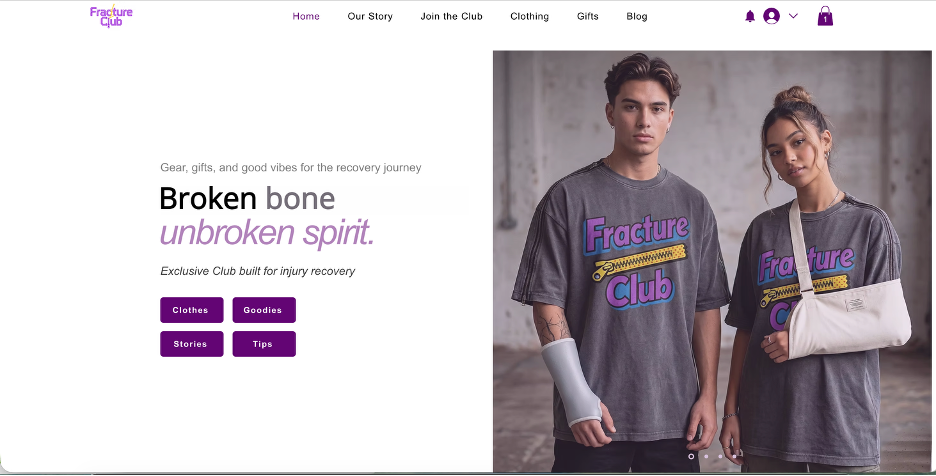
We offer recovery wear designed around the problems this guide covers: tops with wide, easy closures and pants with side magnetic zippers that slide on without forcing anything over a cast. These details cut down on the handling and twisting that make dressing painful in the first place.
[
](fracture-club.com)
Browse recovery wear and gifts built for cast and brace recovery.
Check out our adaptive pants with side magnetic zippers for leg casts and swelling.
Reach out through our inquiry page if you need help choosing the right size or fit.
This article is general information, not a substitute for advice from a qualified doctor. Consult a qualified healthcare professional about your own circumstances before acting on anything here.
FAQ
How do you dress someone with a broken arm in a cast?
Slide the sleeve over the casted arm first, guide the garment around the back, then put the uninjured arm through last. Button-front or wide-neck tops make this far easier than anything you have to pull over the head.
What clothes are best for someone with a leg cast?
Loose-fitting or side-zip pants that gather easily over the foot work best, paired with a cast shoe or open-back sandal instead of lace-up footwear. Avoid anything with a tight ankle cuff that could catch on the cast edge.
Can you get a cast wet in the shower?
A cast should never be submerged, but a short shower is fine if you cover it with two layers of plastic wrap or a waterproof sleeve, according to OrthoInfo. If it does get wet, dry it with a cool hair dryer and call your clinic if the padding stays damp.
Is it safe to scratch an itch inside a cast?
No, inserting anything inside a cast to scratch can injure the skin or disturb the padding underneath. Cool air from a hair dryer on a low setting often relieves the itch, and ongoing irritation should be reported to your provider, per MedlinePlus.
Does Fracture Club make clothing specifically for casts?
Yes, our recovery wear includes tops and pants with magnetic and zip closures designed for easy on, easy off dressing over a cast or brace. Pricing and sizing details are available directly on our product pages.
Sources
Recommended
Comments